Twentieth-Century Chinese Masters
A House of
Fire and Ink
Hand-numbered giclée editions of the twentieth century’s most revered Chinese ink masters — Qi Baishi, Xu Beihong, Wu Guanzhong, Zhang Daqian. Printed on rice paper, signed COA, ships worldwide.
Twentieth-Century Masters
Qi Baishi · Xu Beihong · Wu Guanzhong · Zhang Daqian
Archival Rice Paper
Cotton-rag giclée · 200-year archival pigment
Hand-Numbered Editions
Strictly limited · numbered & catalogued
Certificate of Authenticity
Signed COA shipped with every work
Featured Works
Newest arrivals and signature works.

Printmaking
Four Screens
Qi Baishi
$999$1,299

Printmaking
Strolling Alone, Longing for Home
Zhang Daqian
$999$1,299

Printmaking
Spring
Wu Guanzhong
$599$799

Printmaking
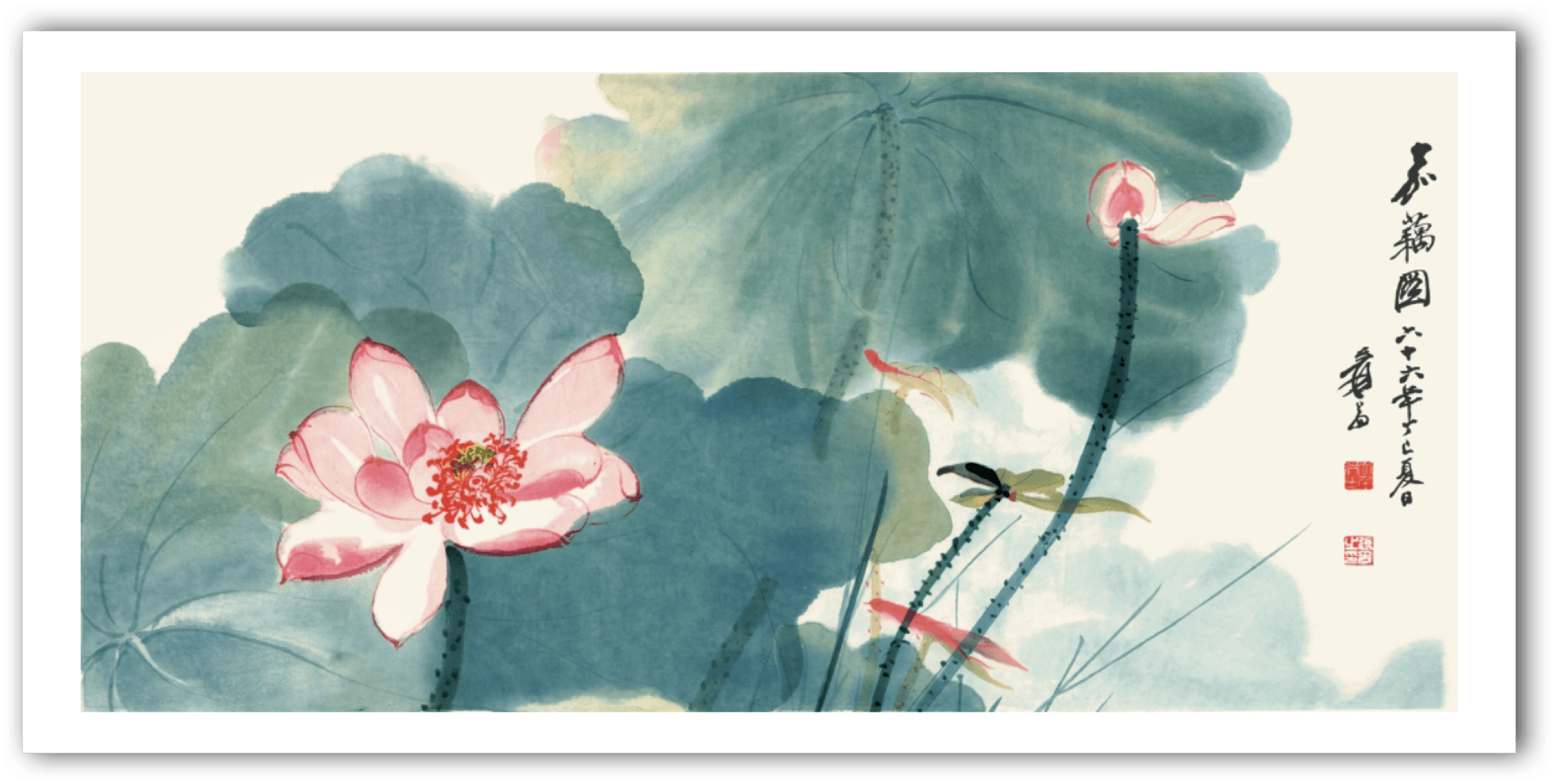
Lotus Pond with Ink Butterflies
Qi Baishi
$999$1,299

Printmaking
Longevity
Qi Baishi
$999$1,299

Printmaking
Rice Ears with Mantis
Qi Baishi
$499$599

Printmaking
A Corner of Lingyan Stream
Pan Tianshou
$499$699

Printmaking
Wonders of Cloudy Mountains
Lu Yanshao
$799$999
Browse by Master
Fifteen canonical names of twentieth-century Chinese ink art.


Master Artist
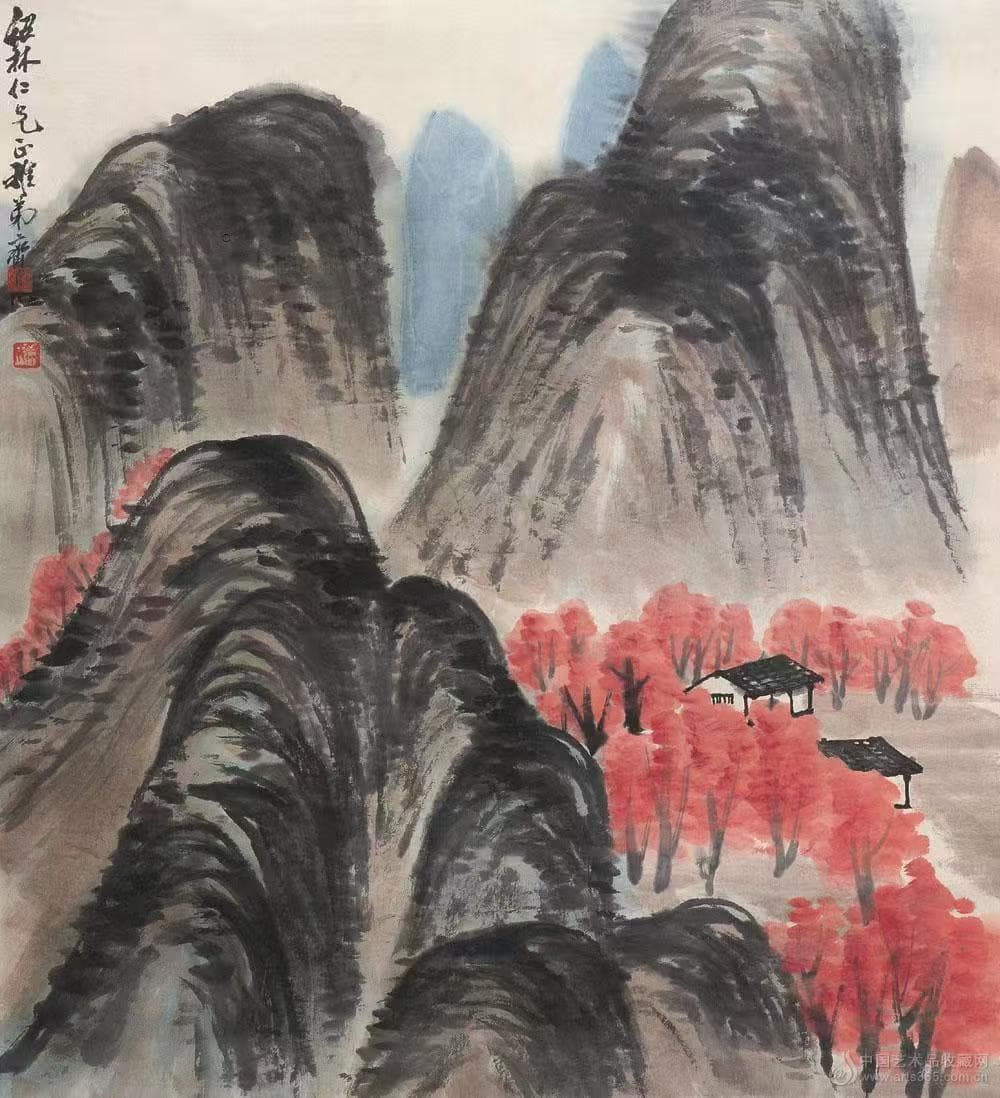
Qi Baishi
齐白石 · Xiangtan, Hunan
Artist of the Month
Qi Baishi
Qi Baishi (1864–1957), born in Xiangtan, Hunan, was one of the most influential Chinese artists in the 20th century. He began as a woodcarver and later taught himself painting, calligraphy, poetry and seal carving. He excelled in freehand brushwork, known for lively shrimps, insects, flowers, birds and landscapes. His works combine folk art vitality with traditional literati painting elegance, simple in form but rich in spirit. He created tens of thousands of paintings and enjoyed high reputation at home and abroad, honored as a people’s artist and a master who revitalized Chinese ink painting.
1
Discipline
25
Works available
New Arrivals
From the Journal
Chinese Porcelain Marks Identification Guide: Date Any Piece
Chinese porcelain marks identification guide: reign marks, hall and studio marks, ceramic and pottery marks, Jingdezhen bases, and the fakes to expect.
11 min read
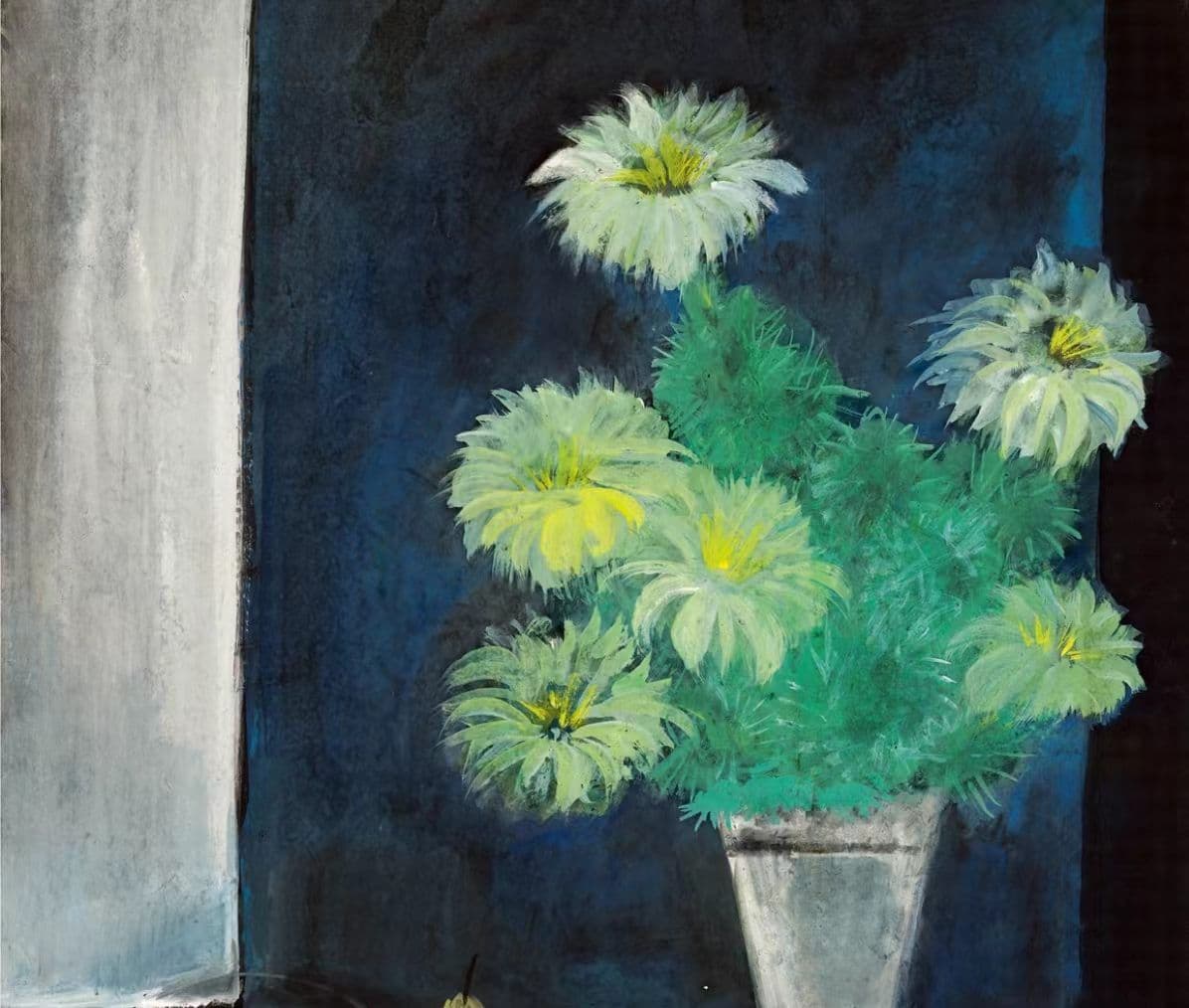
Lin Fengmian: The Quiet Father of Modern Chinese Painting
Lin Fengmian (1900–1991) is the most influential Chinese painter most non-Chinese collectors have never heard of. He taught Wu Guanzhong, Zhao Wuji, and a generation of post-war modernists. His own work — square format, lyrical, formally tight — is among the quietest and most rewarding bodies of twentieth-century Chinese painting.
5 min read
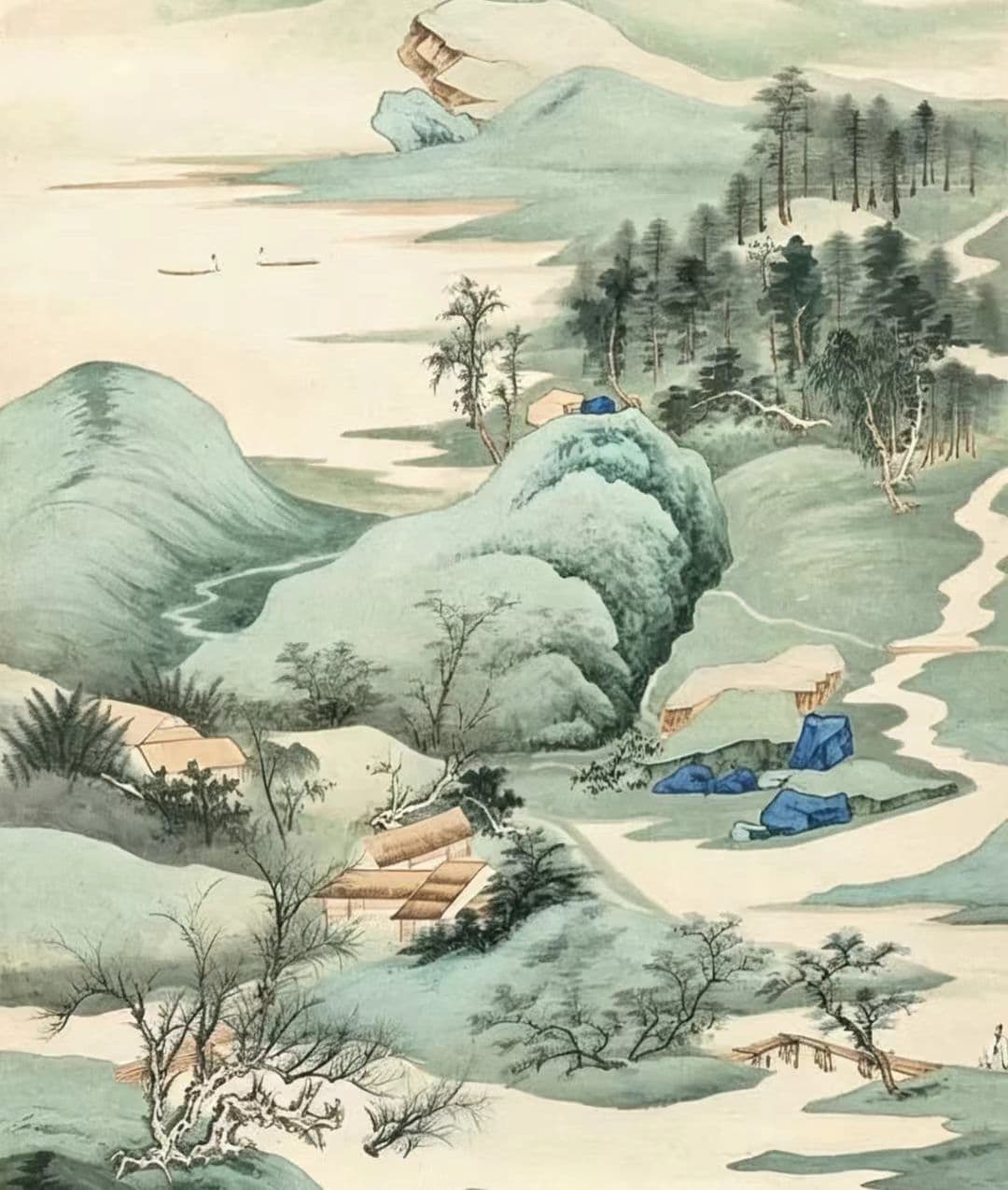
Zhang Daqian's Splashed-Ink Style: How to Date and Read His Late Work
After his eyesight failed, Zhang Daqian invented pocai — splashed colour and ink. How to date the late period, read the technique, and understand its record auction prices.
6 min read
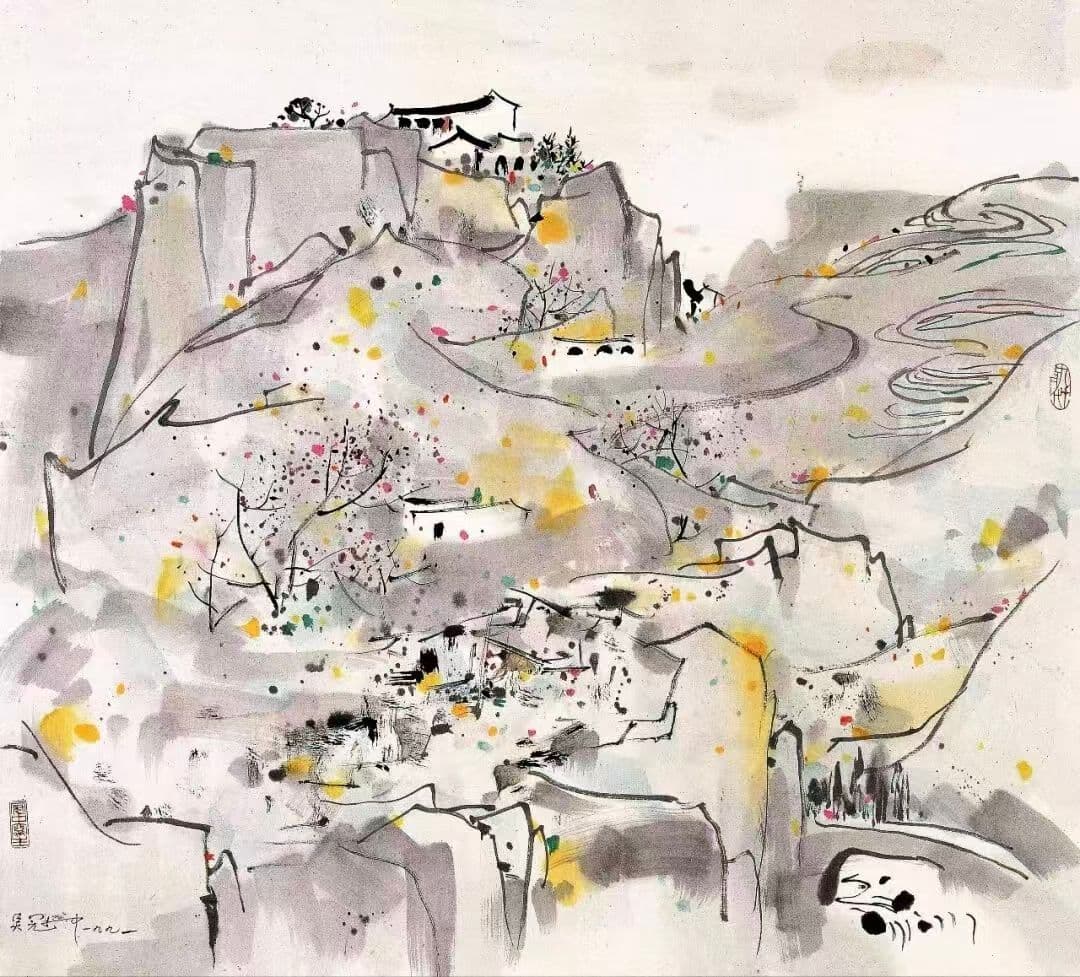
Wu Guanzhong: How One Painter Bridged Western Modernism and Chinese Ink
Wu Guanzhong (1919–2010) is the painter who proved Chinese ink could absorb Cézanne, Klee, and Mondrian without losing itself. The result is the most internationally recognised vocabulary of late-twentieth-century Chinese painting — and one of the most accessible bodies of work for Western collectors entering Chinese art.
6 min read
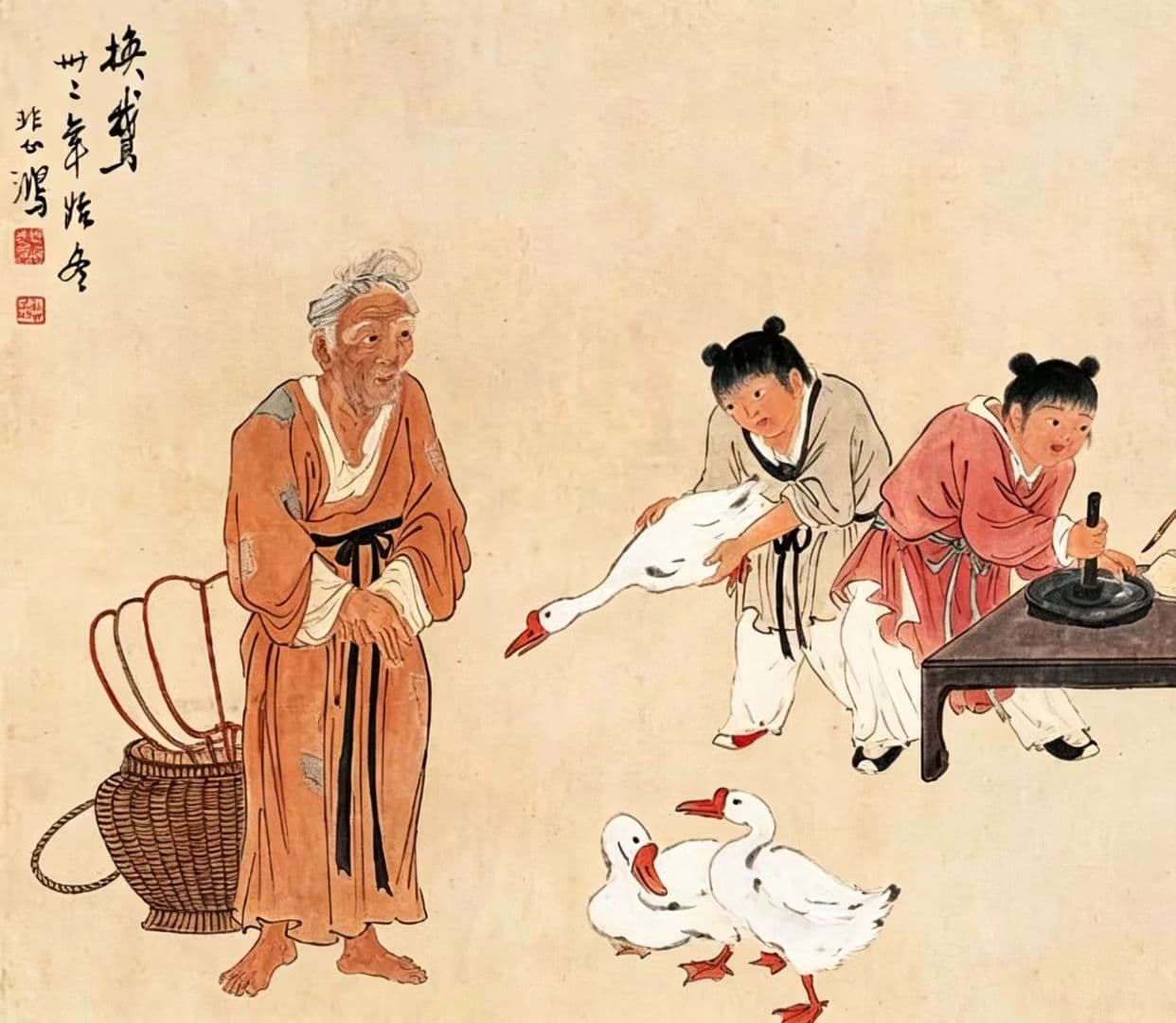
Xu Beihong's Horses: A Painter, a Nation, a Symbol
Xu Beihong's galloping horse is among the most reproduced images in Chinese art — appearing on calendars, schoolbook covers, banknotes, and tea-house walls. But the horse Xu actually painted was a wartime image, urgent and political, and its meaning is far stranger than the souvenir version suggests.
7 min read
Why Qi Baishi's Shrimp Define Twentieth-Century Chinese Ink
Of the thousands of subjects Qi Baishi (1864–1957) painted across his ninety-three years, none became more inseparable from his name than the shrimp. The reason is partly biographical, partly philosophical, and entirely instructive for anyone learning to read Chinese ink.
6 min read
How to Collect Chinese Art: An Outsider's Beginner Guide
For Western buyers approaching Chinese art for the first time, the field can feel impenetrable — too many dynasties, too many forgeries, too many specialists, too many prices that make no sense. Here is the practical framework most experienced collectors wish they had read first.
8 min read
Qi Baishi: The Peasant Who Painted Shrimps for Eternity
Qi Baishi learned to read at twenty-seven and to paint at thirty. He died at ninety-seven, the most celebrated Chinese artist of the twentieth century. In between, he produced over ten thousand works — shrimps, crabs, cabbages, and cicadas — each one a quiet argument for the dignity of ordinary life.
9 min read
The 10 Most Expensive Chinese Paintings Ever Sold at Auction
Chinese painting has quietly risen to dominate the upper tiers of the global auction market. From Qi Baishi's monumental Eagles and Pine to Zhang Daqian's luminous splashed-ink landscapes, these ten record-breaking sales reveal what the world's wealthiest collectors value most — and where the market is headed next.
8 min read
The Rise of Chinese Contemporary Art: A Market Guide for 2026
Chinese contemporary art has surged from relative obscurity to commanding eight- and nine-figure auction results in barely two decades. With a new generation of artists blending traditional techniques with global themes, the market in 2026 offers both extraordinary opportunities and cautionary lessons for collectors.
10 min read
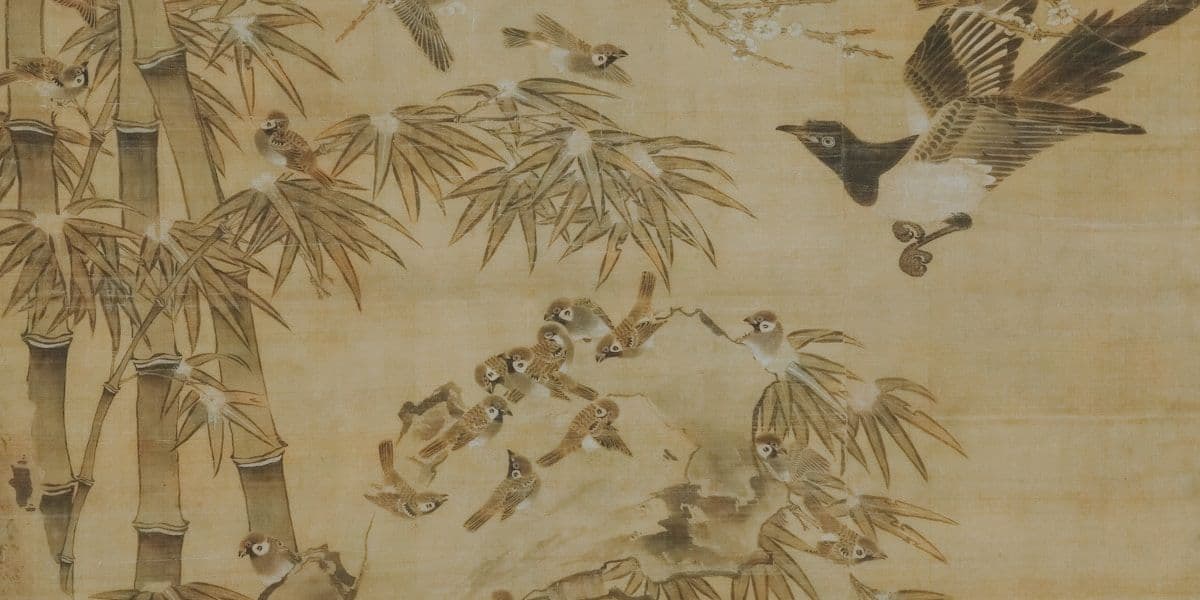
Bamboo Ink Painting: How to Read Stalk, Node and Leaf Strokes
How to read a Chinese bamboo ink painting: what the stalk, node and leaf strokes show, why Wen Tong set the standard, and what separates a master hand.
6 min read
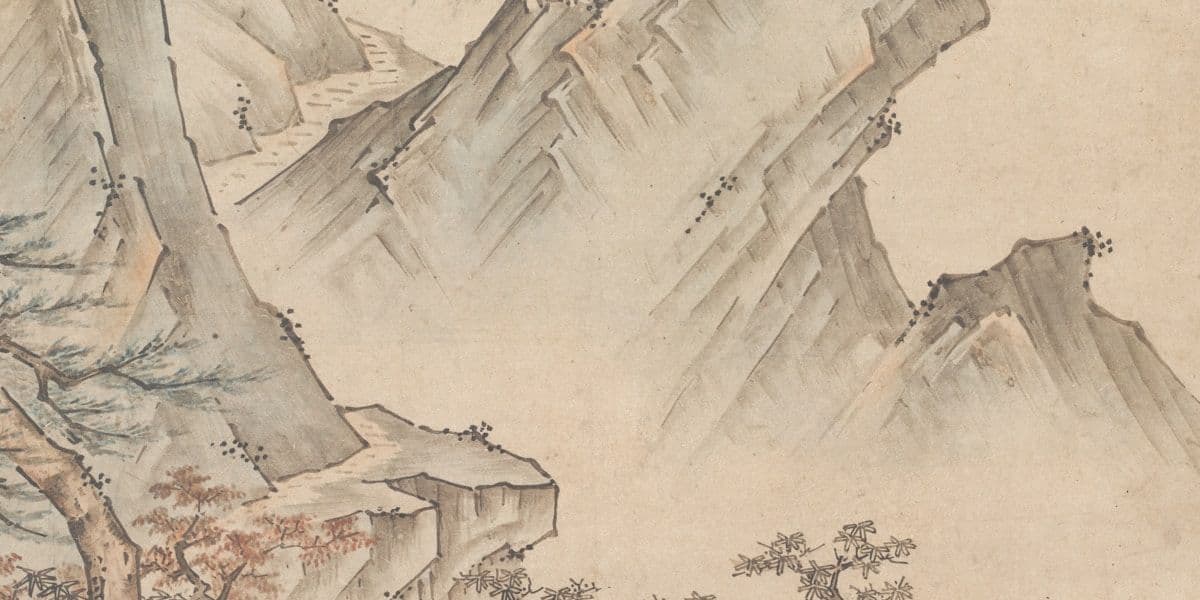
Curator's Autumn Pick: Five Works for a Contemplative Season
Autumn invites a particular mood — a desire for warmth, depth, and quiet beauty. This season's picks lean toward muted earth tones and melancholy landscapes.
5 min read
🏛️
Authenticity Guaranteed
Signed certificate of authenticity with every print
✈️
Worldwide Shipping
Museum-grade packing, fully insured
🔄
Easy Returns
14-day return policy, no questions asked
💬
Art Advisory
Personal selection guidance, free of charge