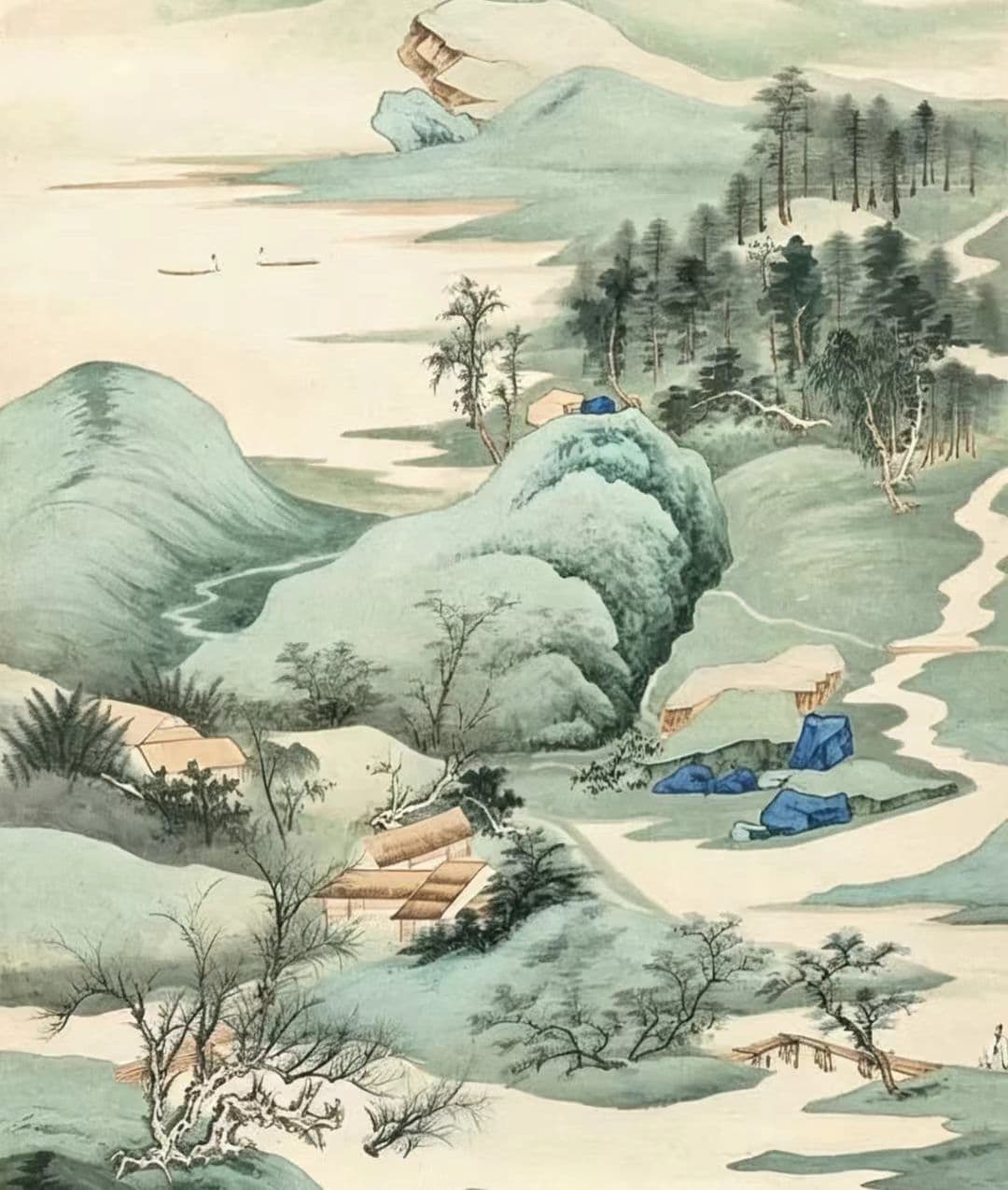
Zhang Daqian
张大千
About the Artist
Zhang Daqian is one of the most influential and versatile Chinese artists of the modern era. His career spanned decades, evolving from meticulous classical copying to bold, abstract innovation.
In his early years, he rigorously studied ancient masters, becoming a renowned copyist whose works could fool experts. A pivotal journey came in 1941 when he spent nearly three years copying Buddhist murals at Dunhuang, deepening his understanding of color, line, and classical composition.
However, his most revolutionary breakthrough arrived in his late career. Struggling with deteriorating eyesight in the 1960s, Zhang developed his iconic splashed-color (pocai) style. He would freely pour layers of ink and vibrant mineral pigments onto silk or paper, letting the colors flow and blend instinctively . Only later would he refine the composition with delicate details of mountains, clouds, or water . This technique fused the free spirit of Chinese ink-wash with the expressive power of Western Abstract Expressionism.
His monumental masterpiece, Panorama of Mount Lu (Lushan) (1981–1983), is the pinnacle of this style . Despite never visiting the mountain, Zhang created this vast, 10-meter-long handscroll entirely from memory and imagination. The work is a breathtaking seascape of swirling blues, greens, and golds, forming ethereal, mist-shrouded peaks. It stands as a testament to his lifelong pursuit: honoring Chinese tradition while fearlessly pushing its boundaries, earning him the title of "The Brush of the East" in Western art circles.
“Zhang Daqian (1899–1983), born in Sichuan, was a legendary 20th-century Chinese artist. A master of traditional ink painting, calligraphy, and seal-carving, he revolutionized landscape art by pioneering the bold splashed-ink and splashed-color (pomo/pocai) technique, blending Eastern tradition with Western modernism.”
Works Available
12 works

NEW
QUICK VIEW
Printmaking
Strolling Alone, Longing for Home
$999$1,299

LAST 1
QUICK VIEW
Printmaking
Lotuses in Five Colors
$699$899

QUICK VIEW
Printmaking
Water-Moon Guanyin
$699$899

QUICK VIEW
Printmaking
Calligraphy Couplet
$999$1,299

QUICK VIEW
Printmaking
Blue and Green Landscape
$999$1,299

QUICK VIEW
Printmaking
Boating with a Tow
$999$1,299

QUICK VIEW
Printmaking
Lotus – Matrimonial Harmony
$999$1,299

QUICK VIEW
Printmaking
Orchids
$499$699

QUICK VIEW
Printmaking
Huayang Immortal Pavilion
$999$1,299

QUICK VIEW
Printmaking
Riverbank in Evening Glow
$499$699

QUICK VIEW
Printmaking
Lotus
$999$1,299

QUICK VIEW
Printmaking
Dwelling in the Secluded Valley
$999$1,299
Read more about Zhang Daqian
All journal essays →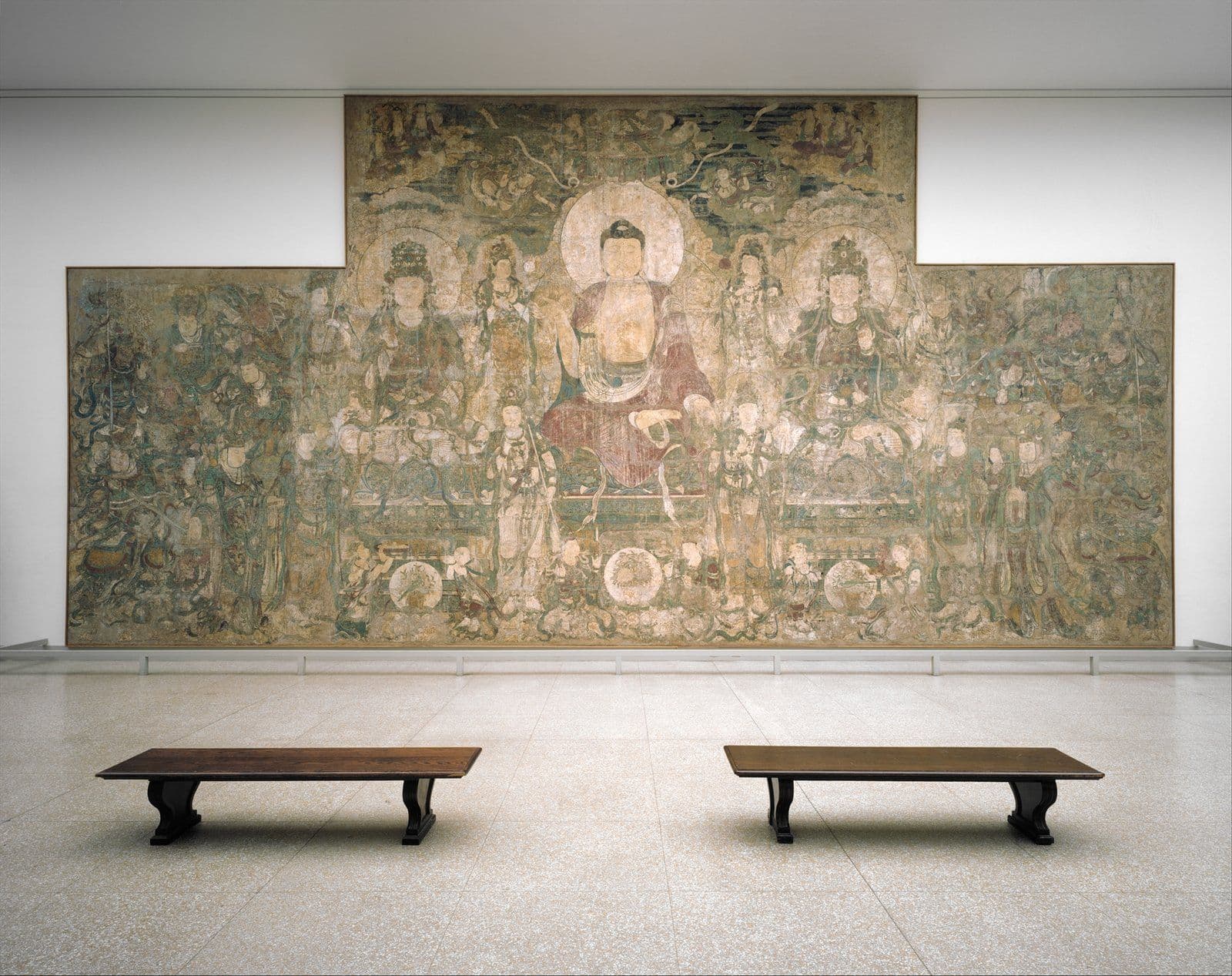
Zhang Daqian at Dunhuang: The Cave Years That Changed His Color
8 min read
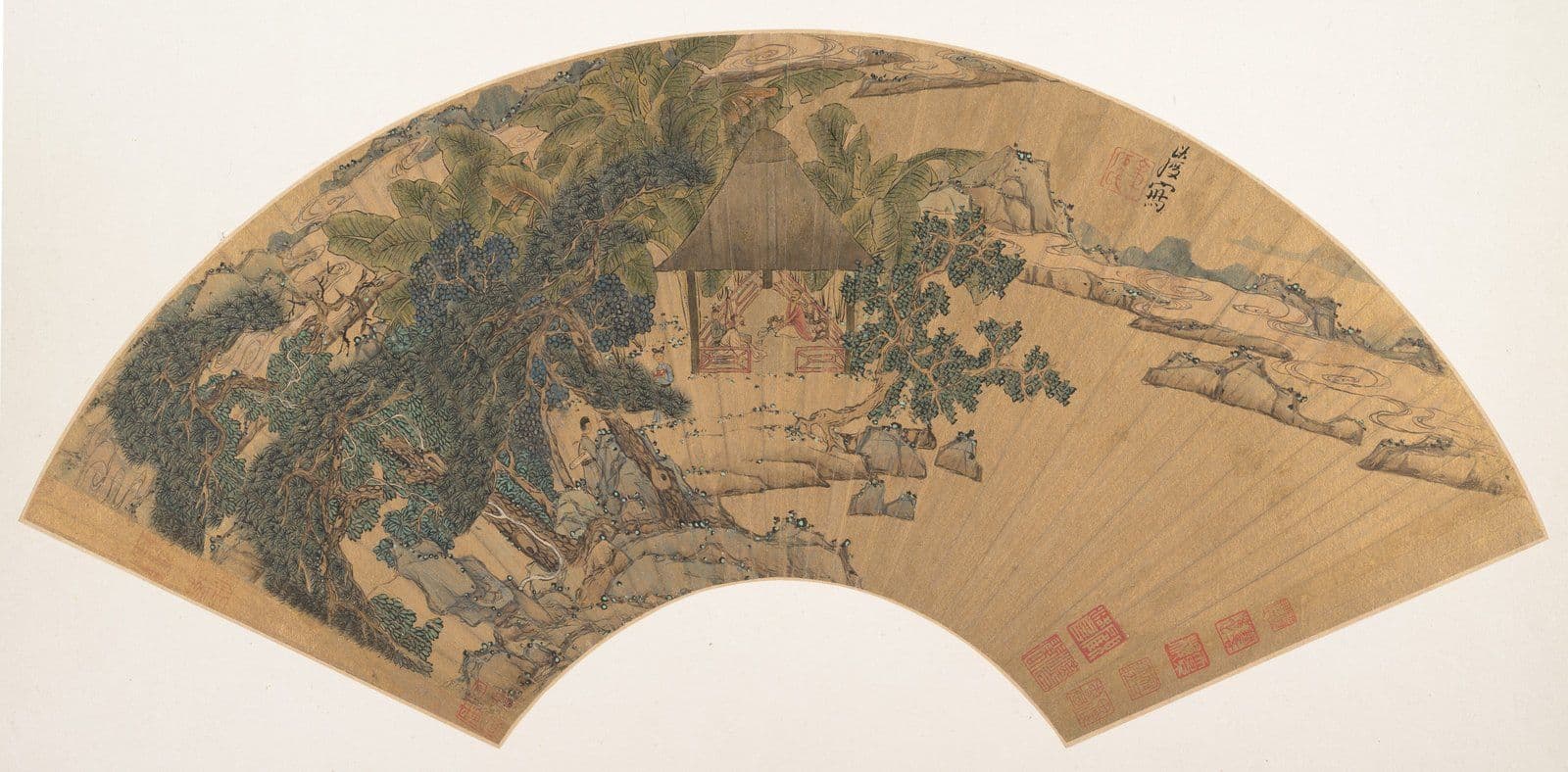
Zhang Daqian's Splashed-Ink Technique (泼墨泼彩): Reading His Late Period (1960s-83)
10 min read
The Splashed-Ink Revolution: How Zhang Daqian Reinvented Chinese Painting in His Sixties
6 min read

Zhang Daqian: The Forger Who Became the World's Most Collected Chinese Artist
9 min read