Journal
Stories of kiln fire and ink rhyme — essays on the masters whose works we represent and the techniques behind every print.
255 articles

Han Dynasty Tomb Figures: Collecting Mingqi Responsibly
Han tomb figures (mingqi): the main types, moulding and lead glaze, reading burial patina, TL dating, export rules, and the checks that decide a purchase.
October 7, 20268 min read

Shi Lu and the Chang'an School: A Collector's Guide
Shi Lu and the Chang'an School: how the Xi'an painters rebuilt landscape, how to read his dry line, dating by brush, copies, and buying checks.
October 7, 20269 min read
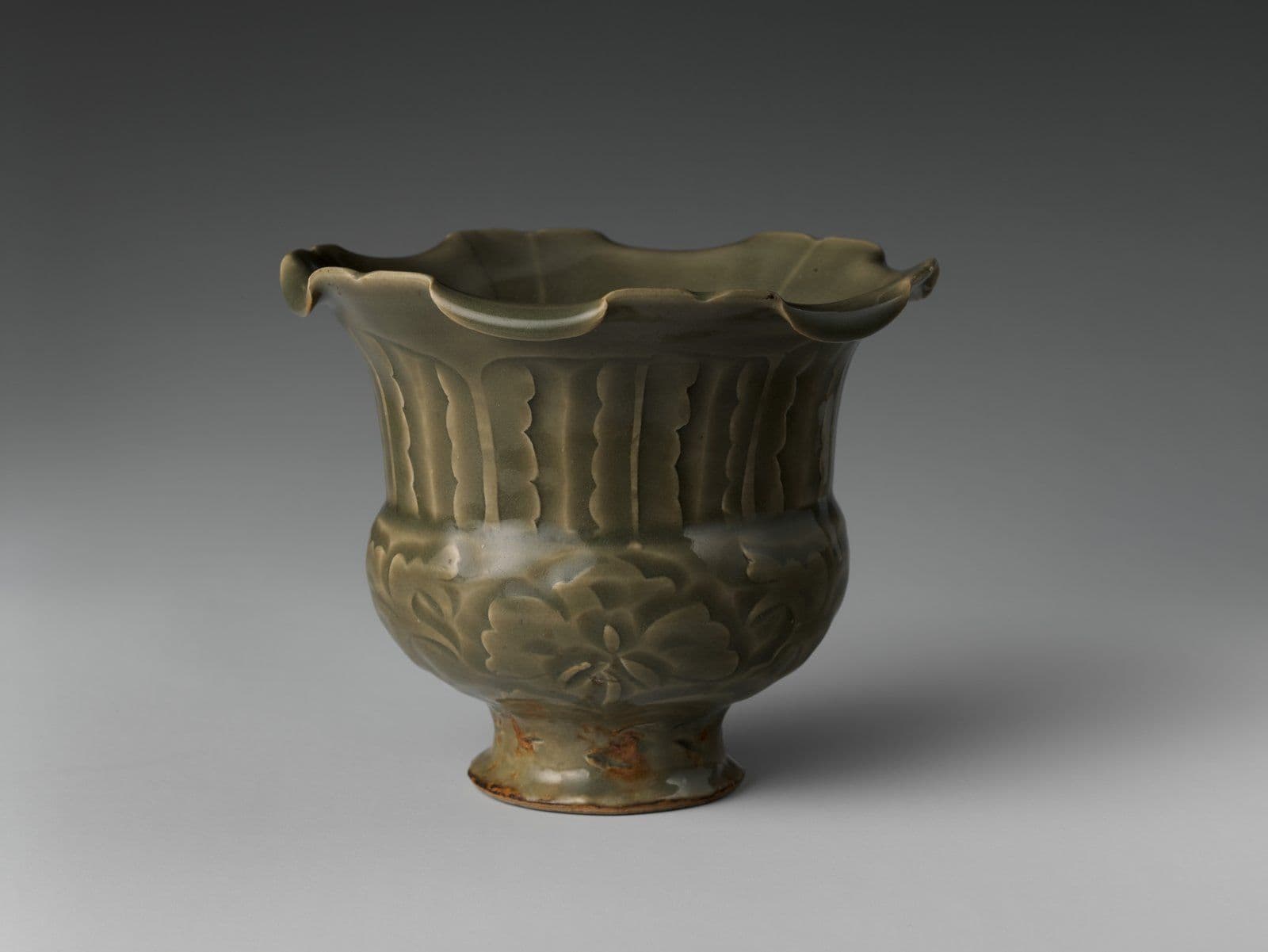
Yaozhou Celadon: Carved Olive-Green Ware and How to Judge It
Yaozhou celadon is carved olive-green stoneware: how knife and glaze make the design, how to judge a bowl from cuts and foot, and how to spot copies.
October 5, 20269 min read
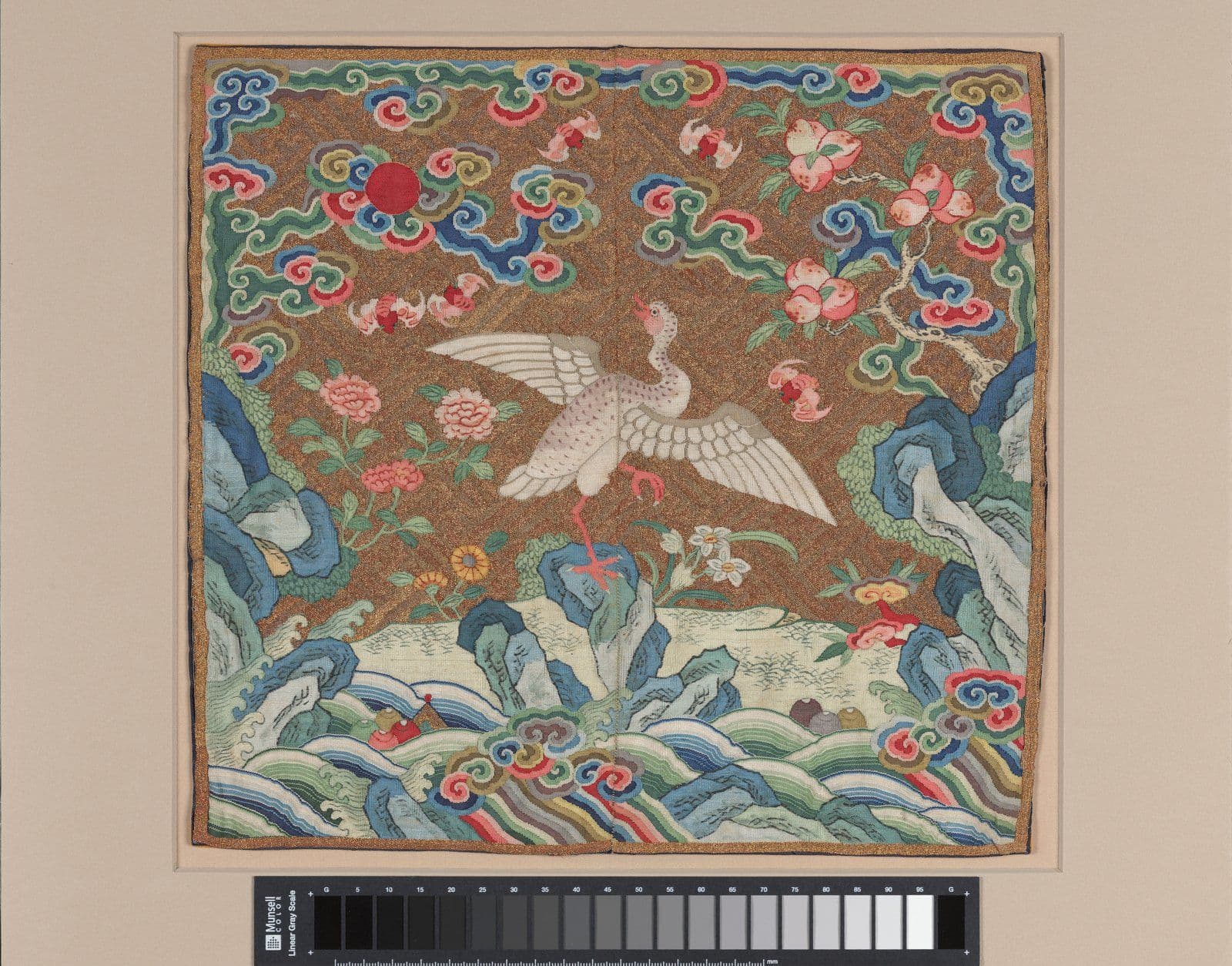
Yu Fei'an: A Collector's Guide to Modern Gongbi Birds and Flowers
Yu Fei'an rebuilt gongbi bird-and-flower painting on silk in twentieth-century Beijing: materials, method, calligraphy, copies and what to check before buying.
October 5, 202610 min read
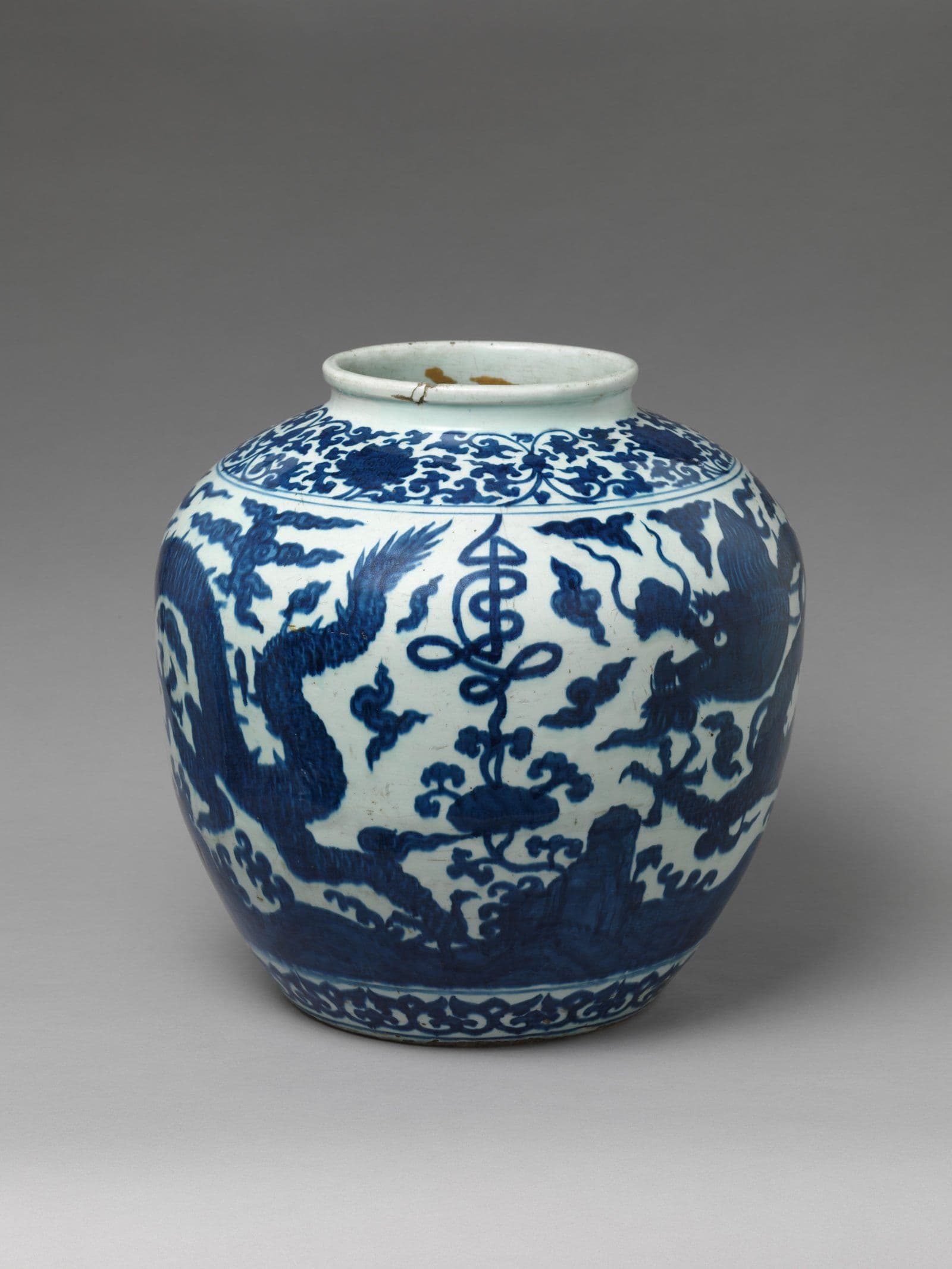
The Ming Interregnum: Zhengtong, Jingtai and Tianshun Porcelain
Ming interregnum porcelain rarely carries a reign mark. Learn how to date Zhengtong, Jingtai and Tianshun blue-and-white by painting, cobalt and foot rim.
October 4, 20268 min read
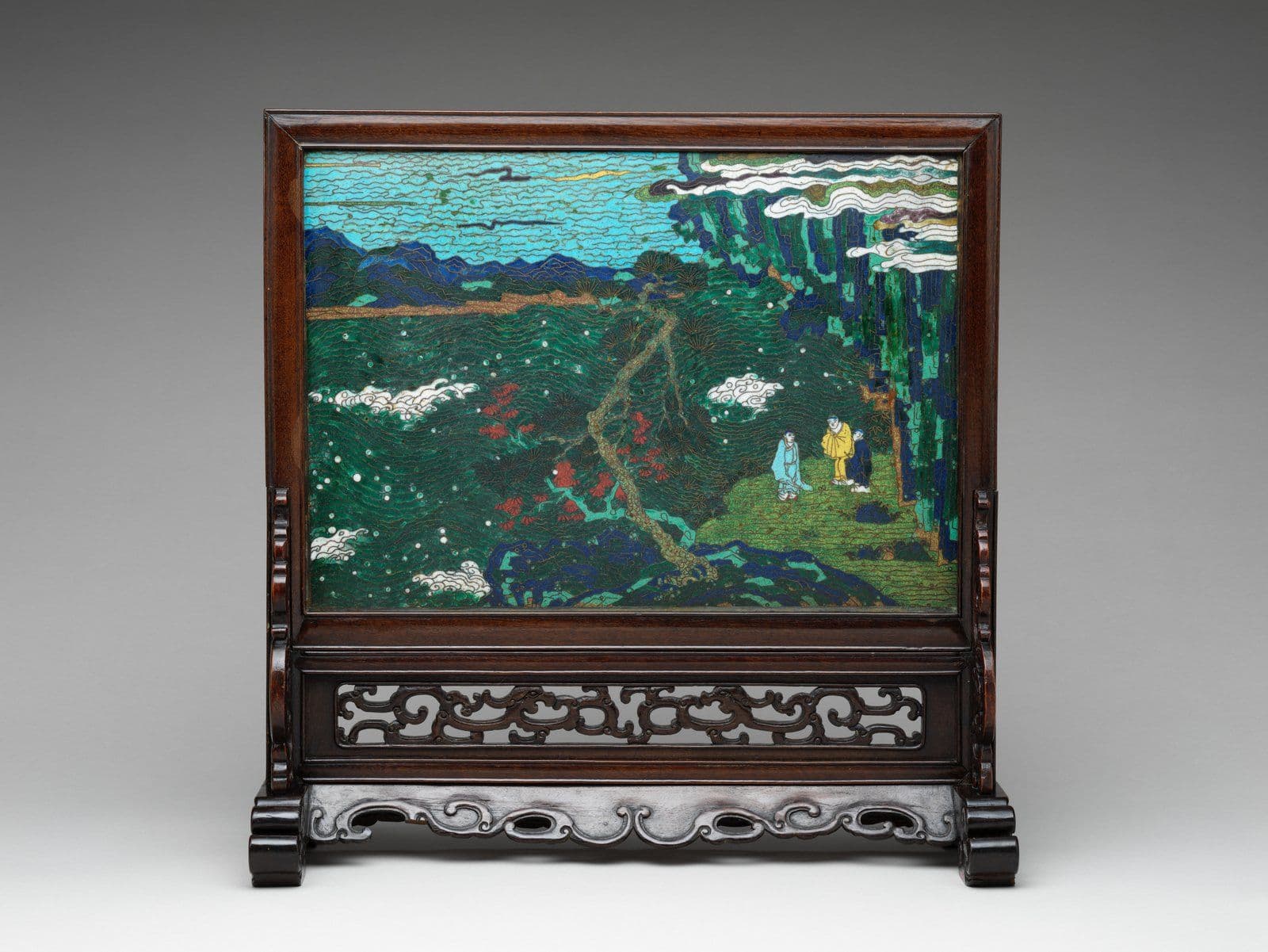
Liu Haisu: A Collector's Guide to the Huangshan Painter
Liu Haisu climbed Huangshan ten times and let wet colour bleed into ink. How the technique works, how to read his seals, and what to check before buying.
October 4, 20269 min read

Modern Jingdezhen Reproductions: How Today's Copies Are Made
Modern Jingdezhen reproductions: how the copies are made and aged, which tells survive the ageing bench, and the order to examine a piece in.
September 30, 202610 min read
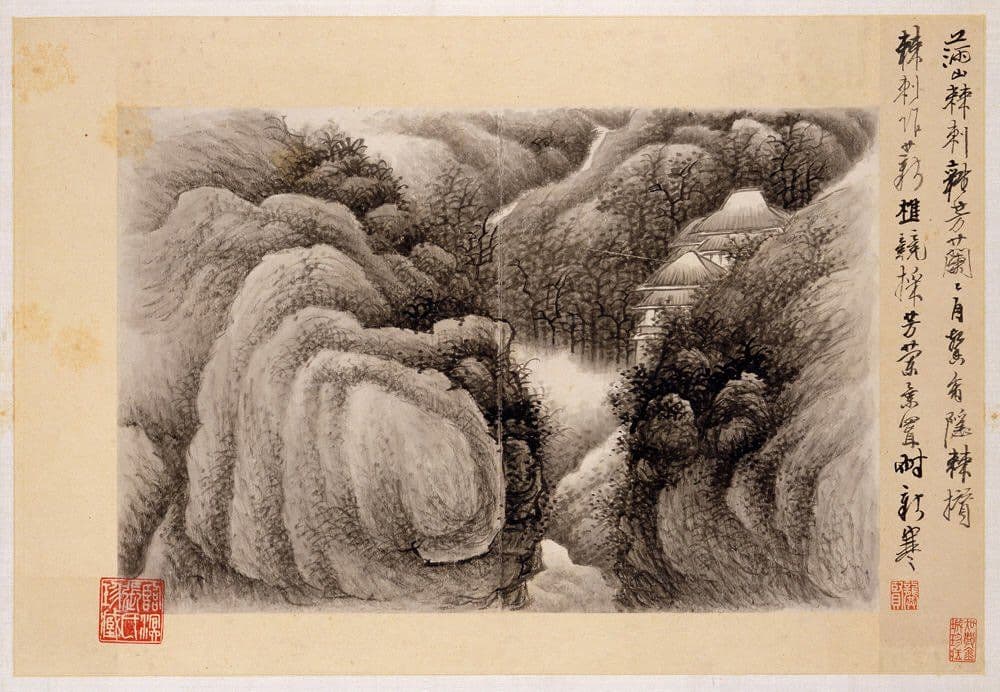
Huang Junbi: A Collector's Guide to the Waterfall Painter
Huang Junbi paintings: how to read his waterfalls and brushwork, the signatures and seals to expect, where the copies come from, and what to check.
September 30, 20269 min read
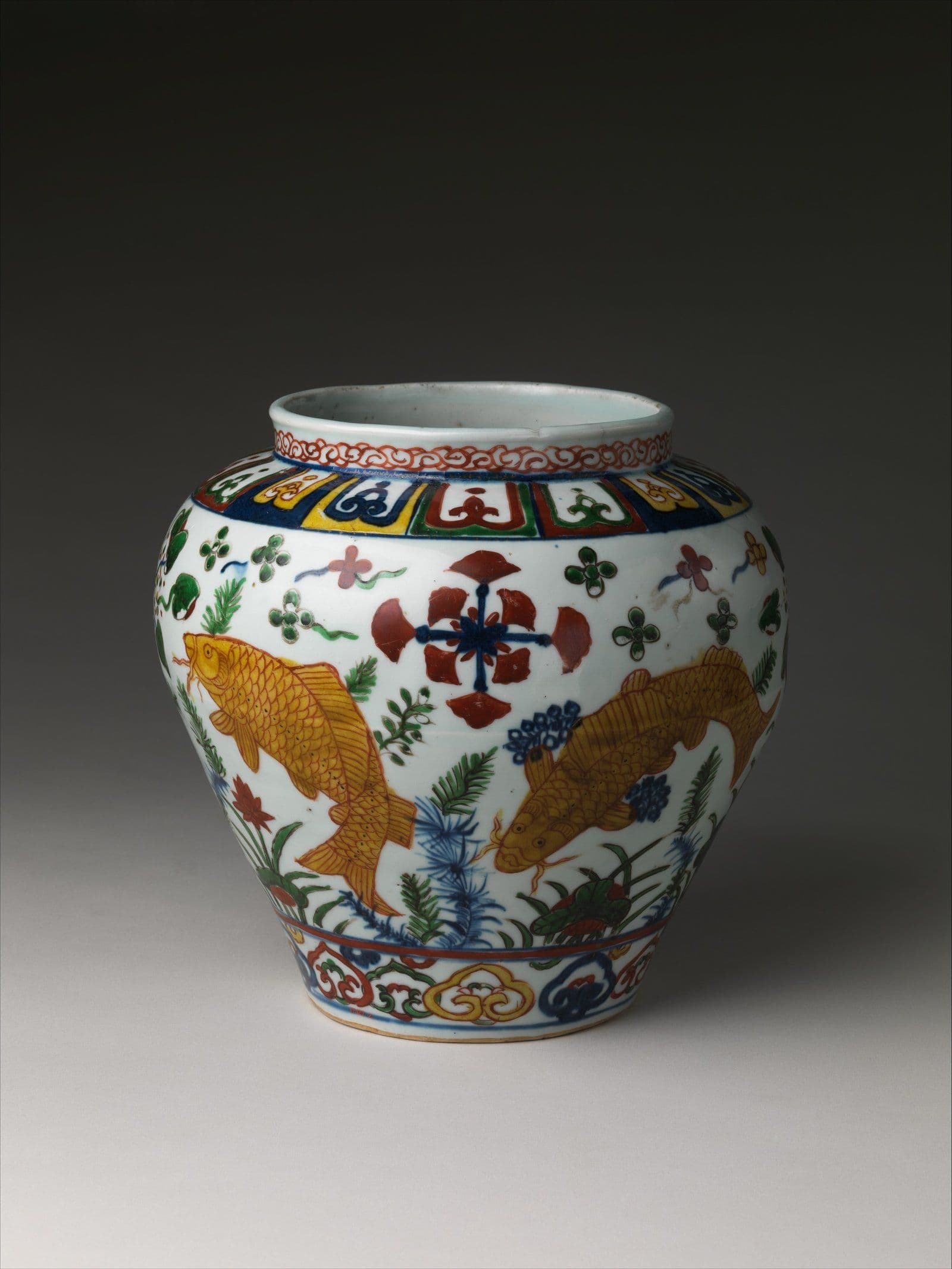
Thermoluminescence Testing of Chinese Porcelain: What It Proves
How thermoluminescence dating works on Chinese ceramics, what the certificate can and cannot prove, how the test is faked, and when it is worth the fee.
September 29, 202610 min read
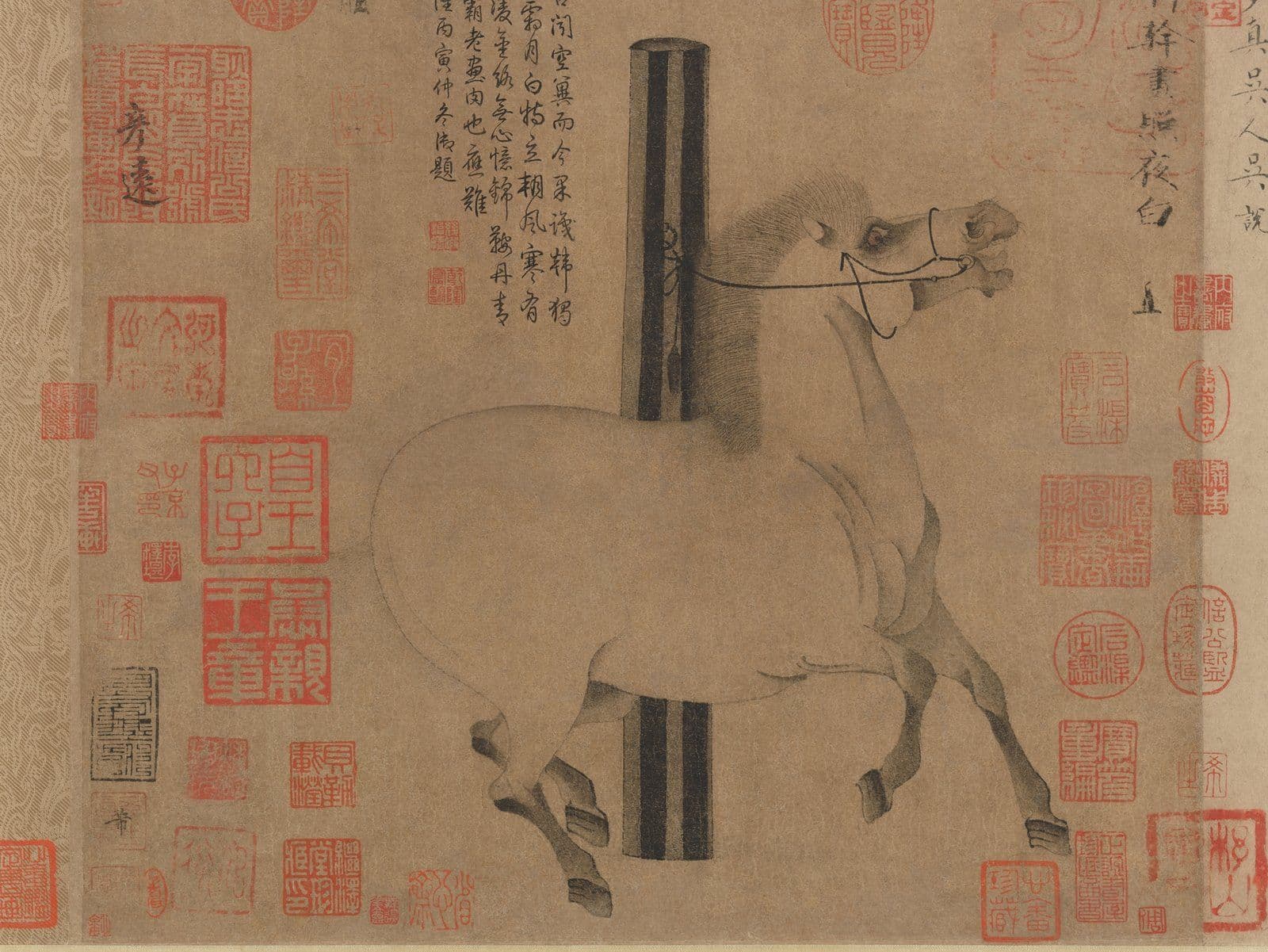
Wu Zuoren: A Collector's Guide to Camels and Pandas
Wu Zuoren's camels and pandas: how the brushwork is built, what his Brussels training changed, which fakes circulate, and what to check before buying.
September 29, 202610 min read
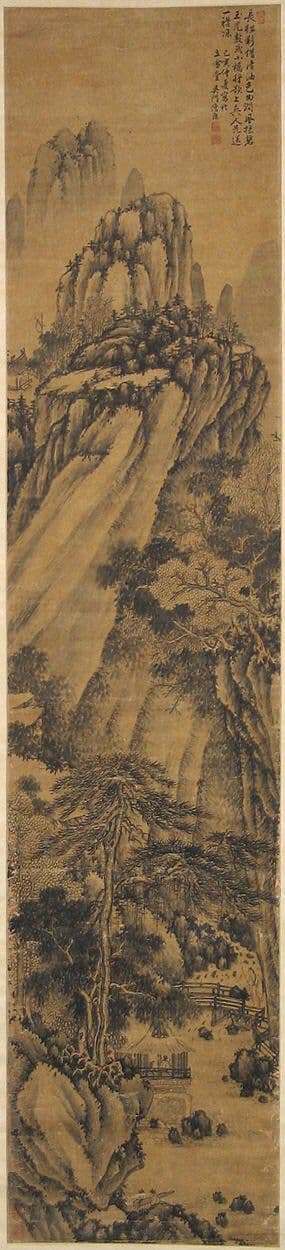
Lin Sanzhi Calligraphy: A Collector's Guide to the Ink
Lin Sanzhi calligraphy explained: the retained-ink effects behind his cursive, four checks for a genuine sheet, where the fakes sit and what the market pays.
September 28, 20269 min read
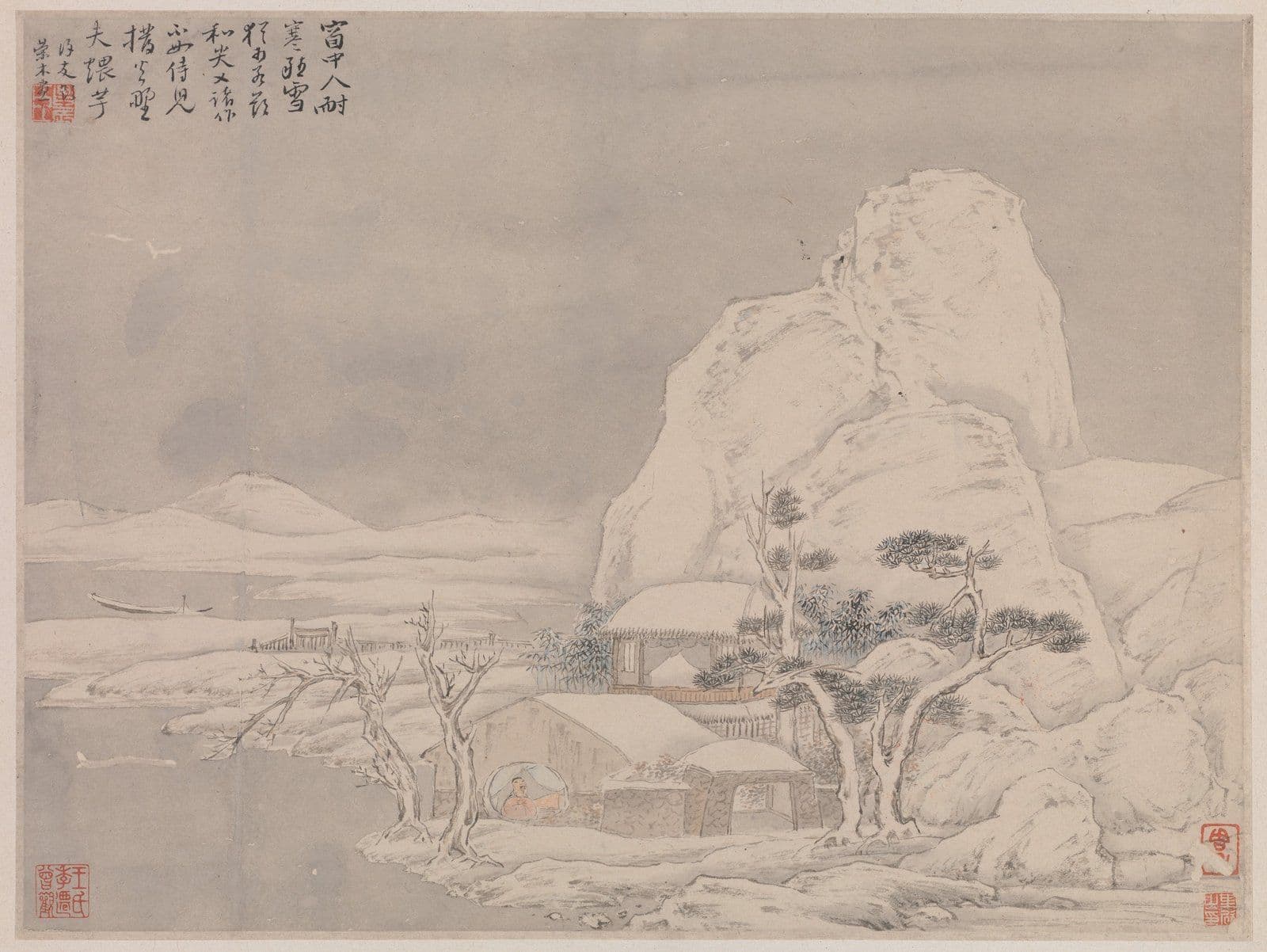
Lu Yanshao's Cloud and Water Technique: How to Read It
Lu Yanshao's cloud and water technique explained: how gouyun and goushui are brushed, the role of reserved white and late ink blocks, and how to spot copies.
September 28, 202610 min read
Huang Zhou's Donkeys and Xinjiang Figures: How to Read Them
Huang Zhou's donkeys and Xinjiang figures explained: where the subjects came from, how to read his multiple-line drawing, and what forgeries get wrong.
September 27, 20268 min read

Pan Tianshou's Finger Painting: How to Read Zhimo Ink
Pan Tianshou's finger painting explained: what zhihua is, which part of the hand does what, five tests for finger ink, and what to check before buying.
September 27, 202610 min read
Lin Fengmian's Square Format: Still Lifes, Ladies and Frames
How Lin Fengmian's square format shapes his still lifes and seated ladies, why he dropped the scroll, and what to check on condition and signature.
September 26, 20268 min read
Huang Binhong's Five Brush Methods and Seven Inks Explained
Huang Binhong's five brush methods and seven inks explained term by term, how they combine, and the four checks that reveal them in a painting.
September 26, 20269 min read
Li Keran's Sketching Journeys and the Remaking of Shanshui
How Li Keran's 1950s sketching journeys through Jiangnan and Sichuan remade his landscape painting, and what to look at in a work from the sketching years.
September 25, 20269 min read
Certificate of Authenticity: What It Should Actually Contain
What a certificate of authenticity should contain: the ten fields that matter, who should sign it, how print and painting certificates differ, and red flags.
September 25, 202610 min read
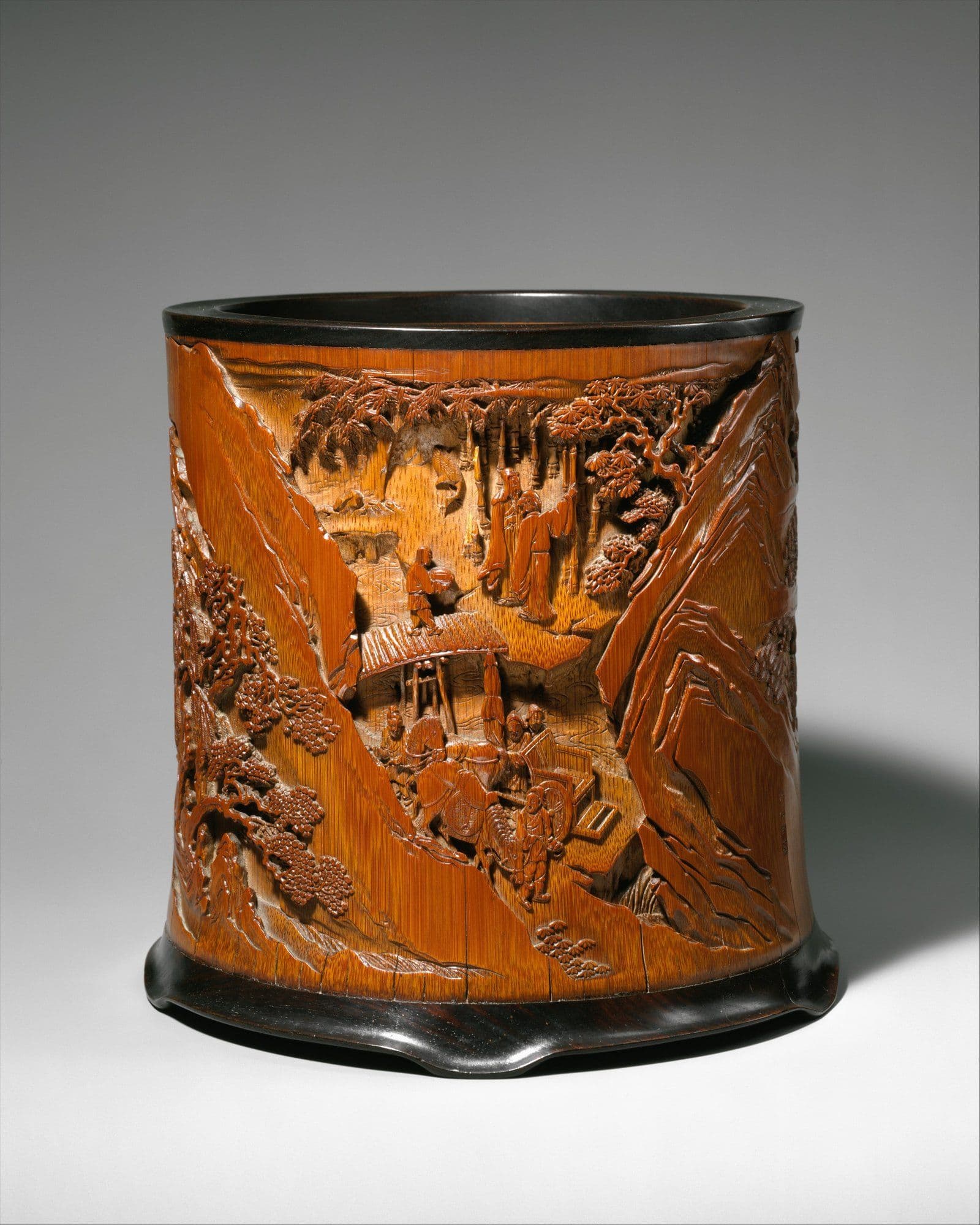
Huanghuali and Zitan: A Collector's Guide to Hardwood Furniture
How to judge Chinese hardwood furniture: telling huanghuali from zitan, reading joinery and form, what the market pays for, and spotting marriages.
September 24, 202610 min read
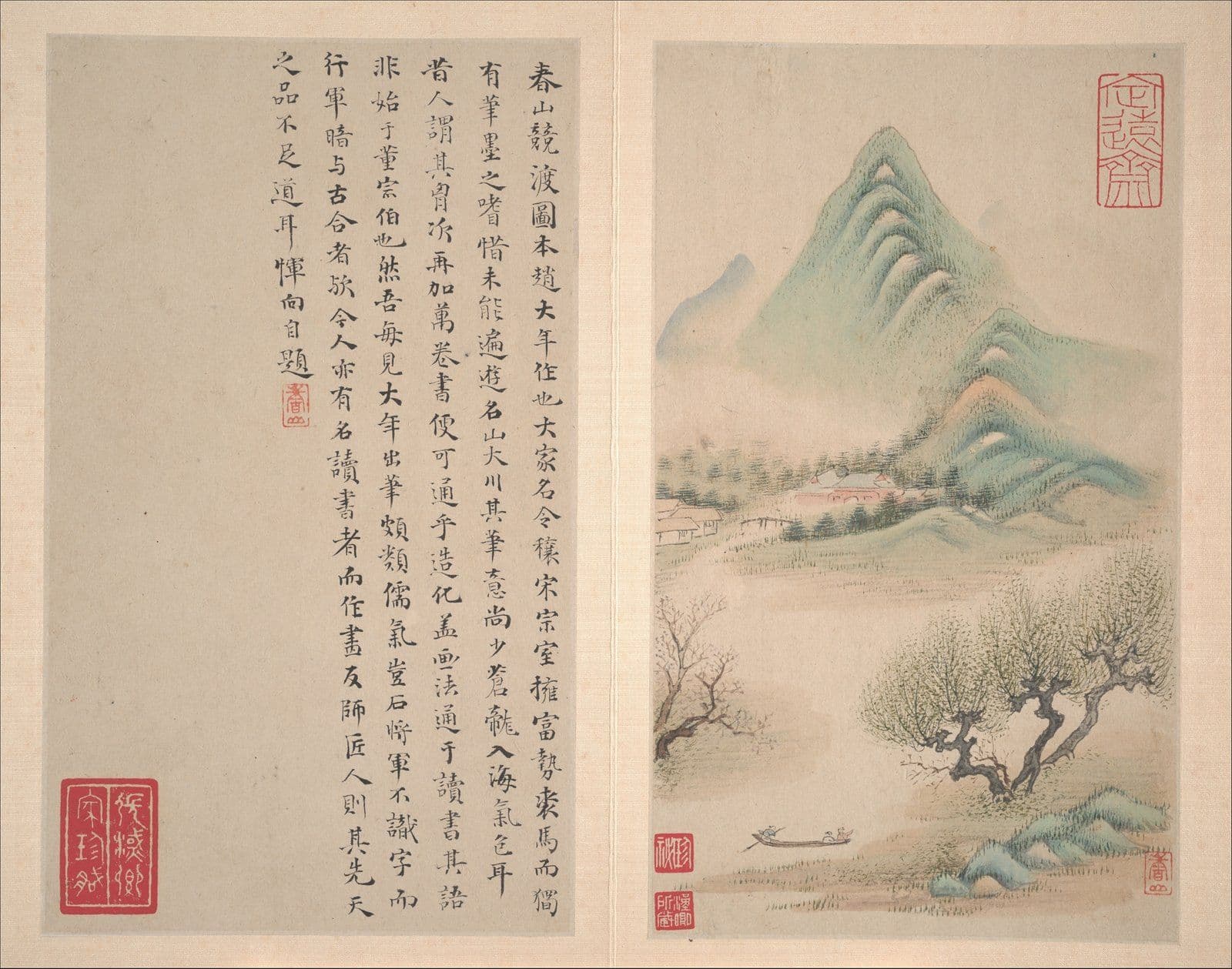
Attributed to, Manner of, After: How to Read Auction Terms
How to read auction catalogue terms: what attributed to, studio of, manner of and after each claim, plus reign marks and the limits of the guarantee.
September 24, 202610 min read
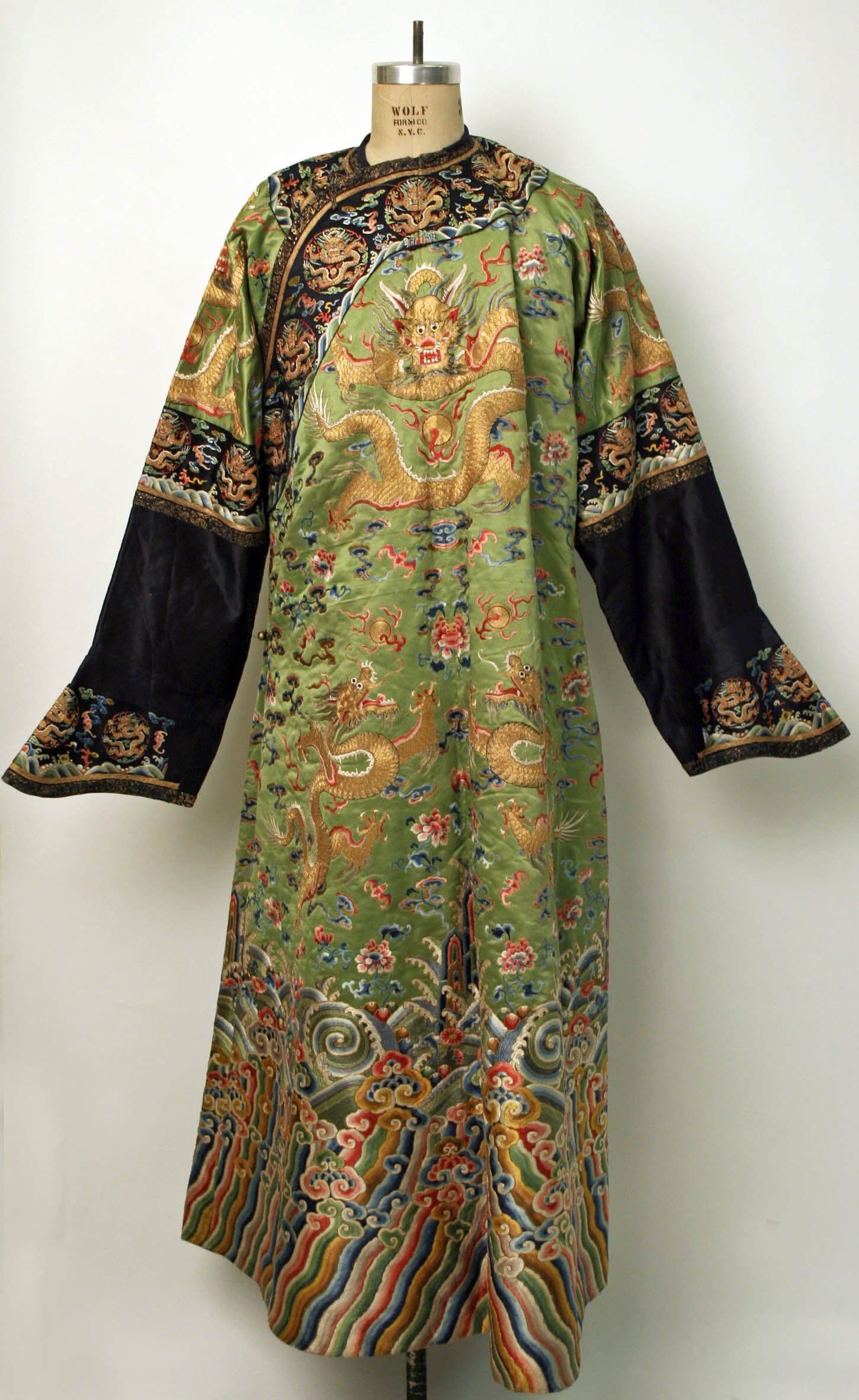
Dragon Robes: How to Read and Collect a Qing Mangpao
Qing dragon robes decoded: the lishui hem, nine dragons and claw counts, kesi against embroidery, how to date one, and the alterations that cut value.
September 23, 20269 min read
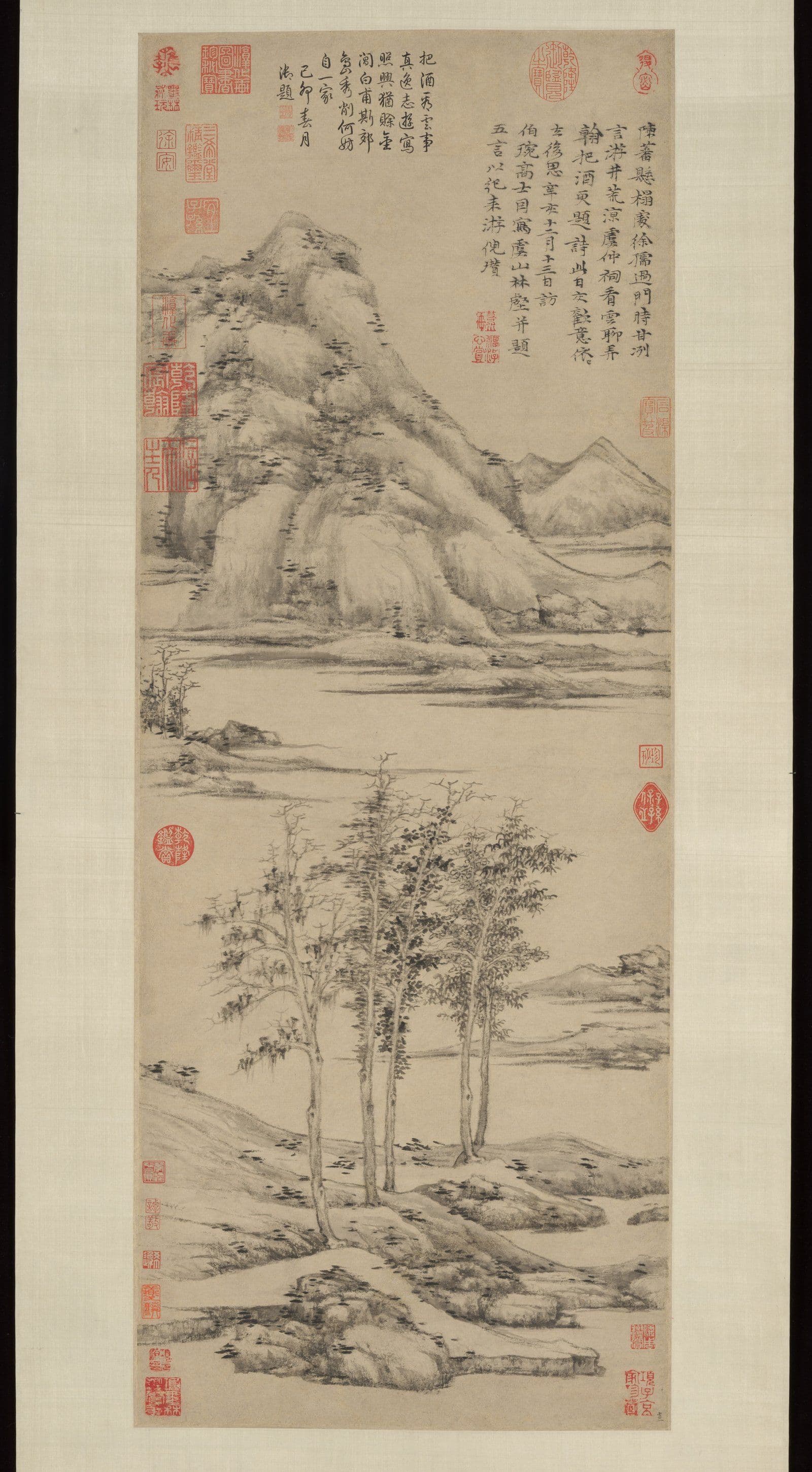
Selling Chinese Art: Consignment, Auction or Private Sale
How to sell Chinese paintings and porcelain: valuing the piece, auction against dealer consignment and private sale, fees, and what to fix first.
September 23, 202610 min read
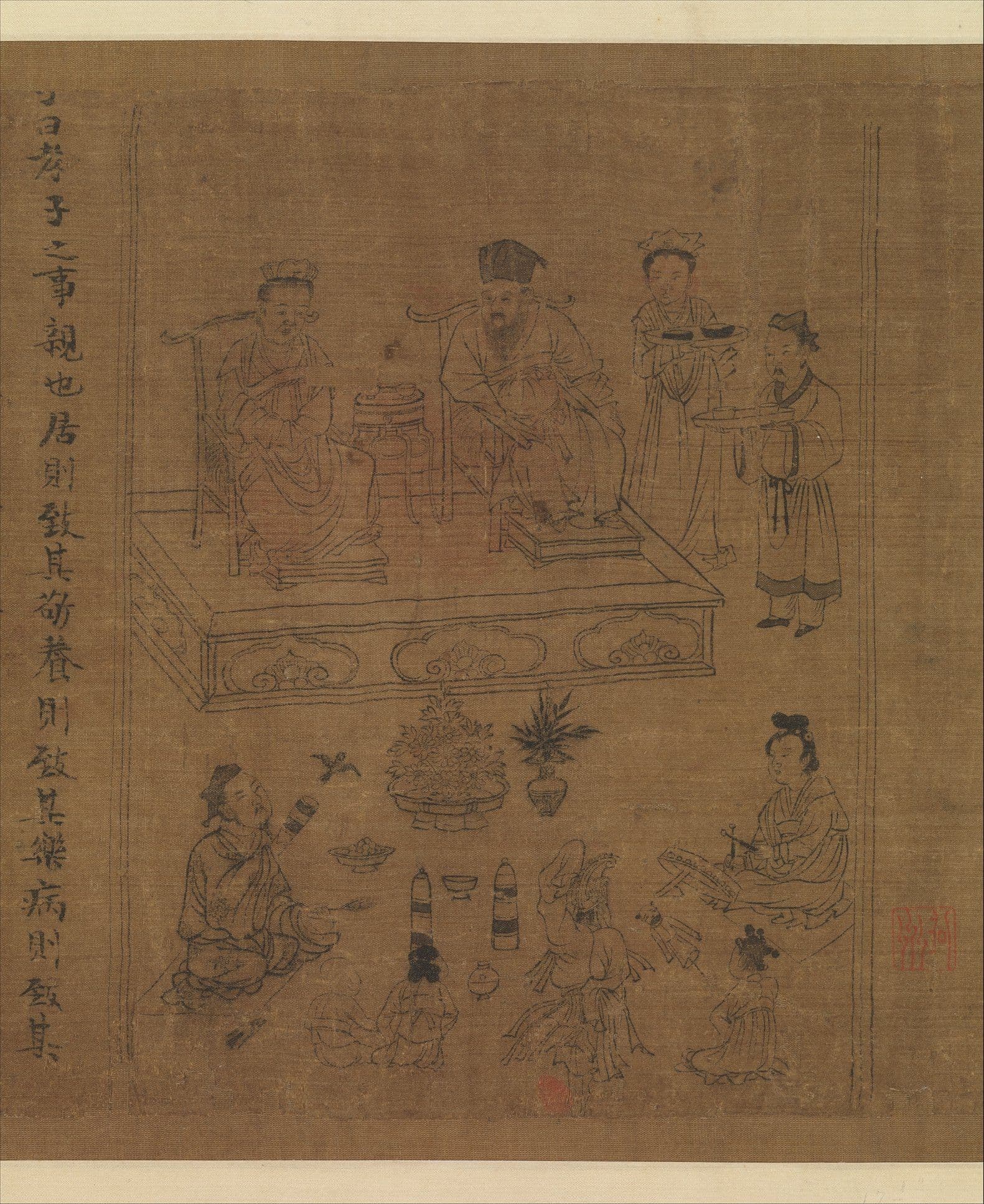
Chinese Rank Badges: A Collector's Guide to Mandarin Squares
Chinese rank badges explained: reading civil birds and military animals, telling Ming from Qing, kesi versus embroidery, spotting copies and what sells.
September 22, 20268 min read
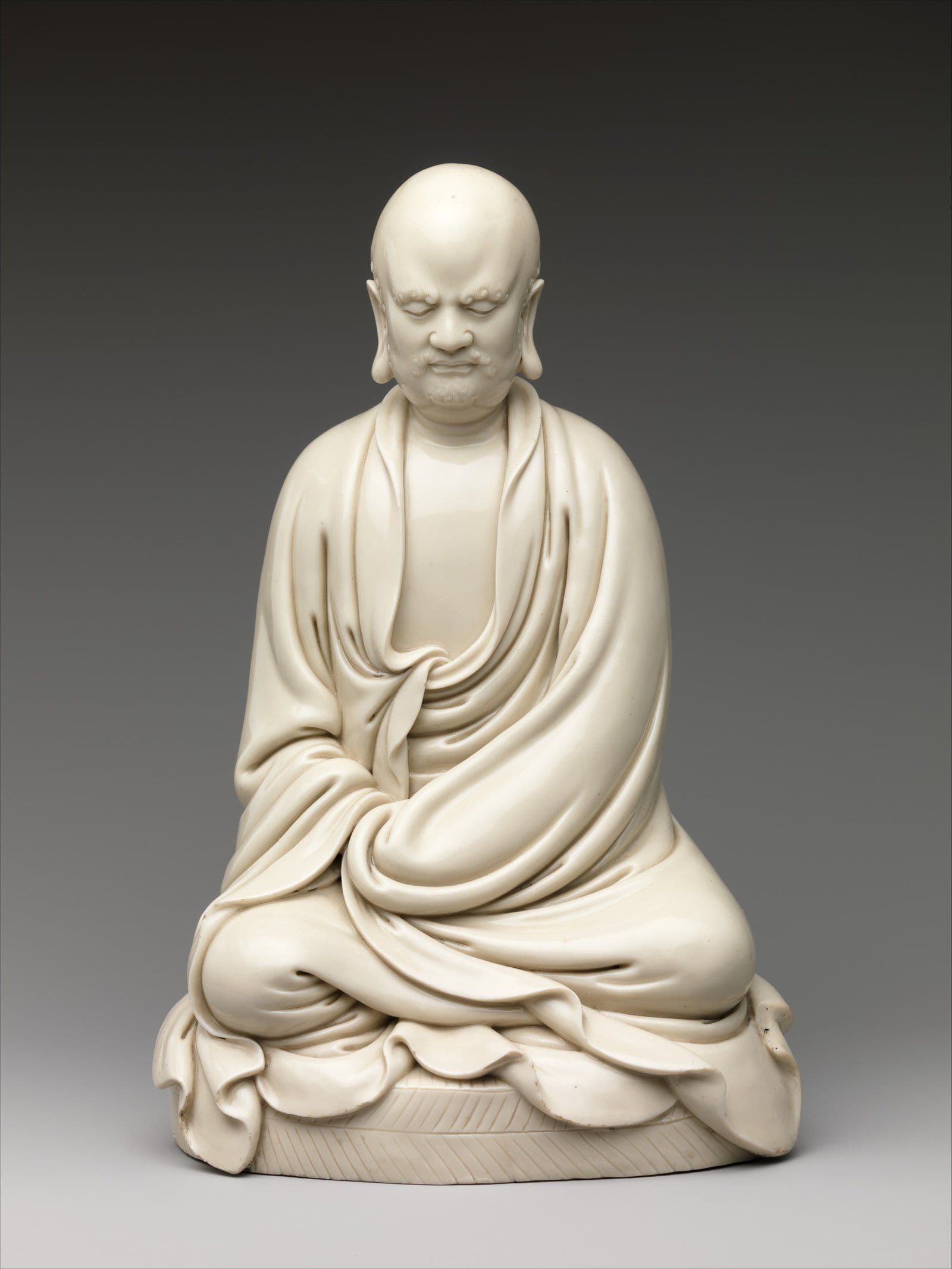
China Antique Export Rules: What Can Leave and What Cannot
China antique export rules explained: the 1911 and 1949 date lines, restricted modern masters, the red wax seal, Hong Kong sales and import rules at home.
September 22, 20269 min read
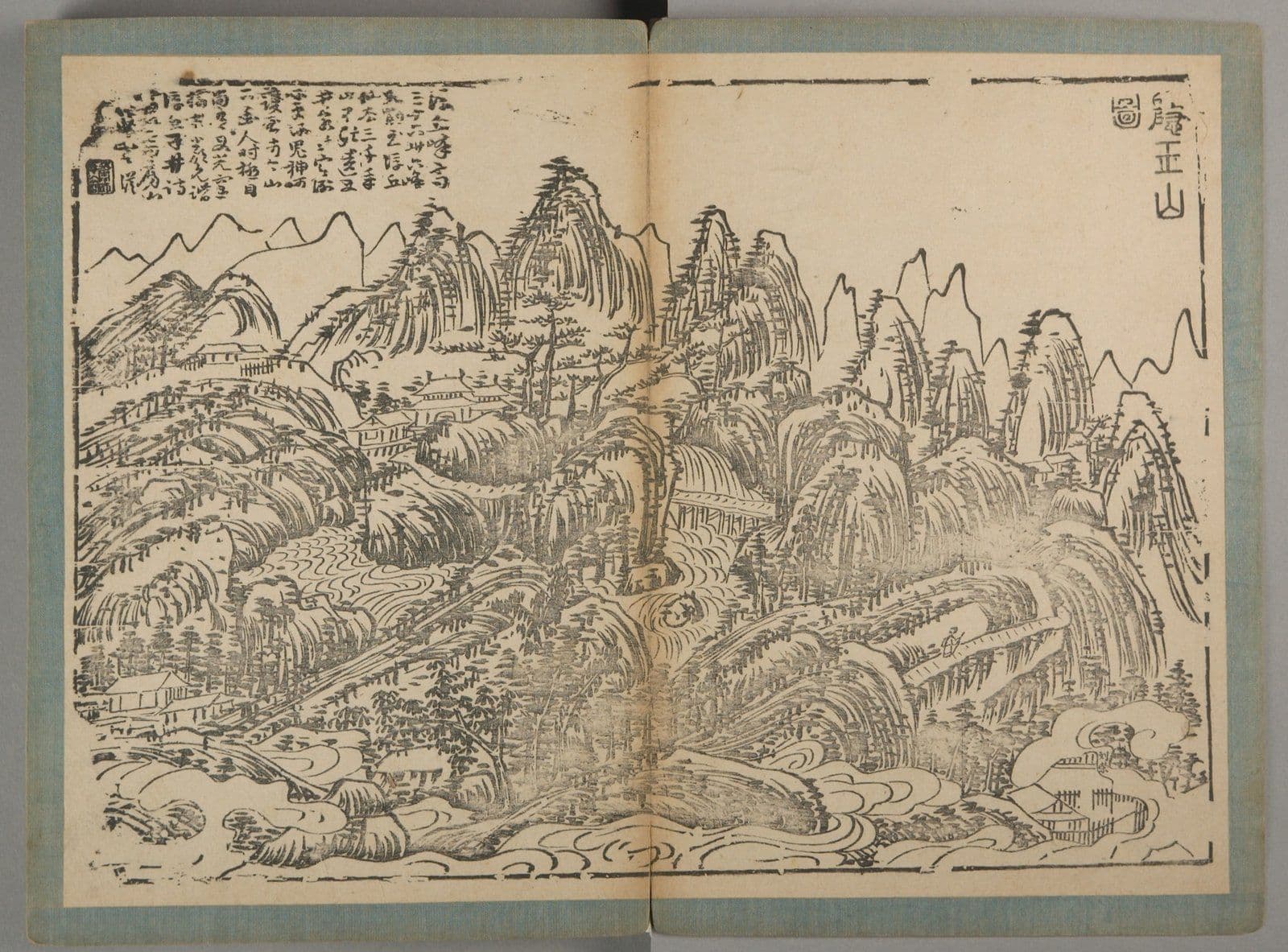
Fake Limited Edition Chinese Prints and How to Spot Them
How to spot fake limited edition Chinese master prints: what an edition number proves, the loupe and raking-light tests, and the paperwork that counts.
September 21, 20269 min read
Chinese Horse Painting: From Han Gan to Xu Beihong
The Chinese horse painting tradition from Han Gan to Xu Beihong: what the horse meant at each stage, how to read one, and how copies give themselves away.
September 21, 202610 min read
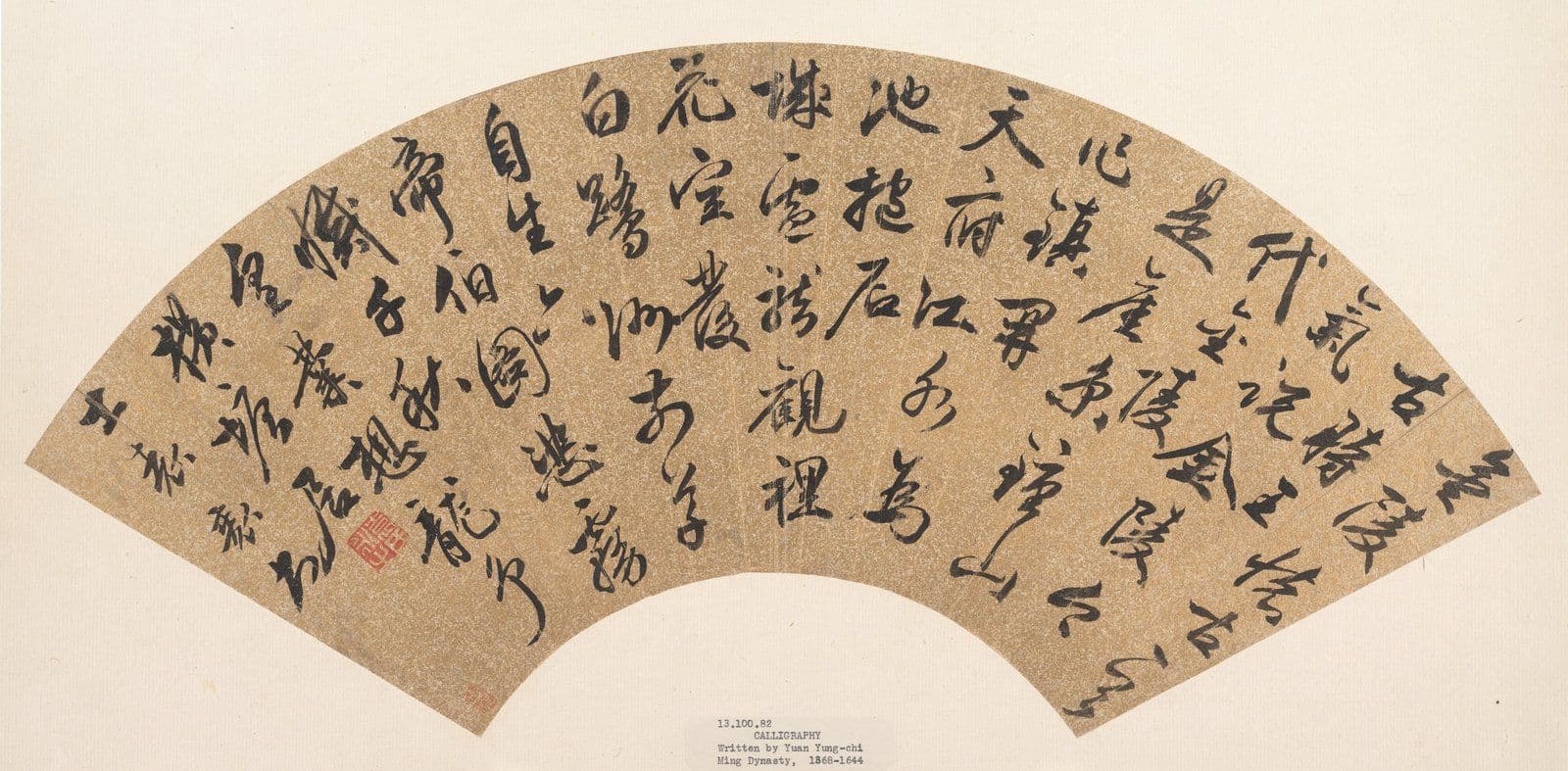
Fake Chinese Calligraphy: Tracing Copies, Prints and Tests
How to tell fake Chinese calligraphy from a written hand: traced copies, rubbings, collotype and inkjet prints, and the six checks to run at the table.
September 20, 202610 min read
Chinese Painting Colophons: How to Read Tiba and Judge Them
How to read the colophons on Chinese scrolls: what a tiba proves about a painting, how to date the hand and seals, and the four ways they are faked.
September 20, 202610 min read
Tang Sancai: Three-Colour Pottery and the Fakes That Follow It
Tang sancai explained: how the lead glaze and its colours work, what burial does to the surface, and how to judge fakes, composites and test results.
September 19, 202610 min read
Guan Ware: The Southern Song Official Kiln and Its Crackle
Guan ware explained: the Southern Song official kilns at Hangzhou, how the thick crackled glaze was built up, and how to tell it from Ge and later copies.
September 19, 202610 min read
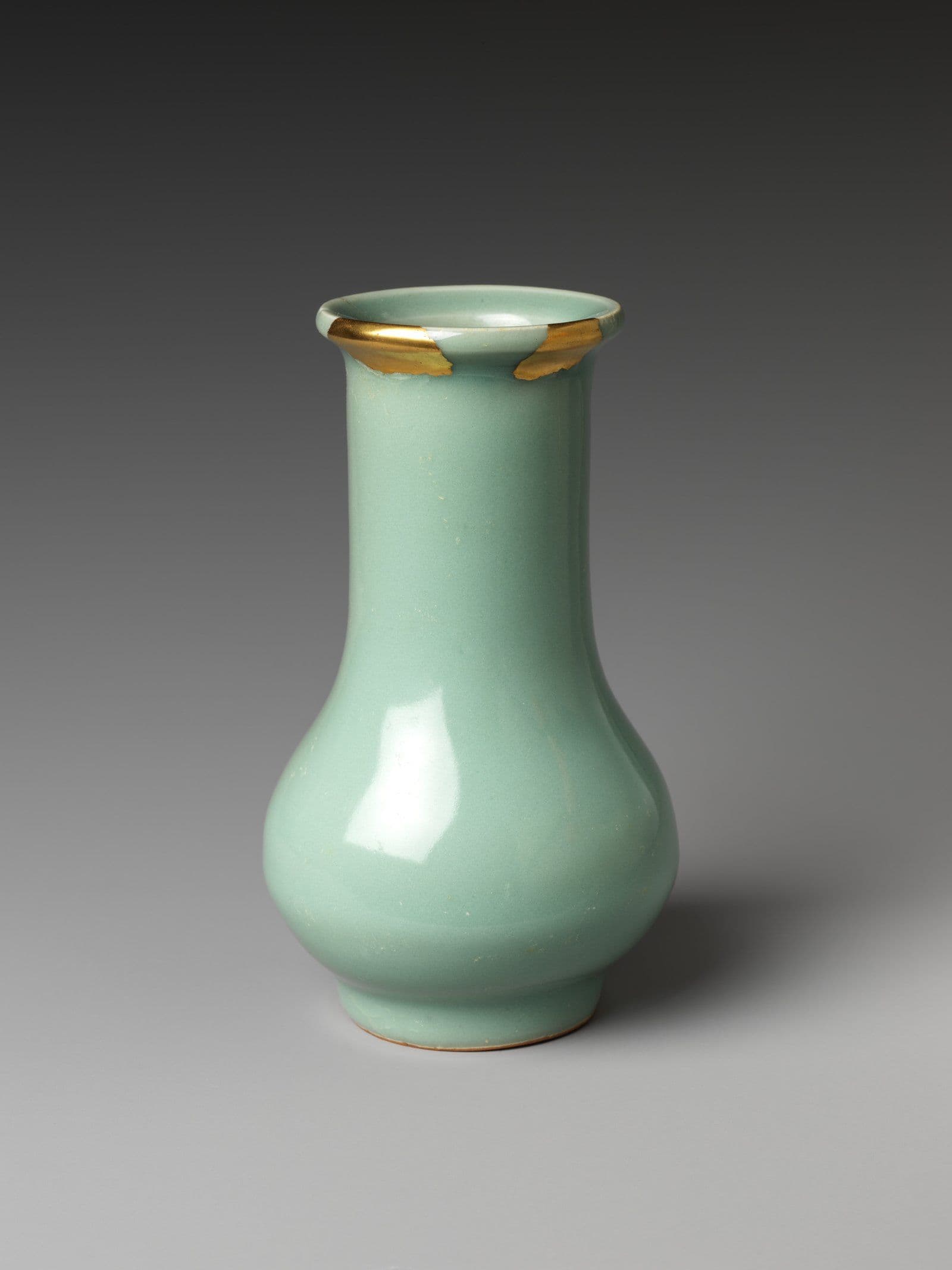
The Five Great Kilns of the Song: Ru, Guan, Ge, Jun, Ding
The five great kilns of the Song compared: Ru, Guan, Ge, Jun and Ding, what each glaze looks like, how to tell them apart, and what to check before buying.
September 18, 20269 min read
Chinese Porcelain Symbols: How to Read Bats, Peaches and Lotus
How to read Chinese porcelain symbols: the rebus behind bats, peaches, lotus, fish and dragons, what each wish means, and how motifs date a piece.
September 18, 202610 min read
Five-Clawed Dragons on Porcelain: What the Claws Tell You
What a five-clawed dragon on Chinese porcelain means: the rank system, how to count claws, the anatomy and companions, and how the drawing dates a piece.
September 17, 20269 min read
Reign Mark Calligraphy: How the Brushwork Dates a Piece
How to judge the calligraphy of a Chinese porcelain reign mark: the two scripts, five brushwork tests, the hands reign by reign, and what copies get wrong.
September 17, 202610 min read
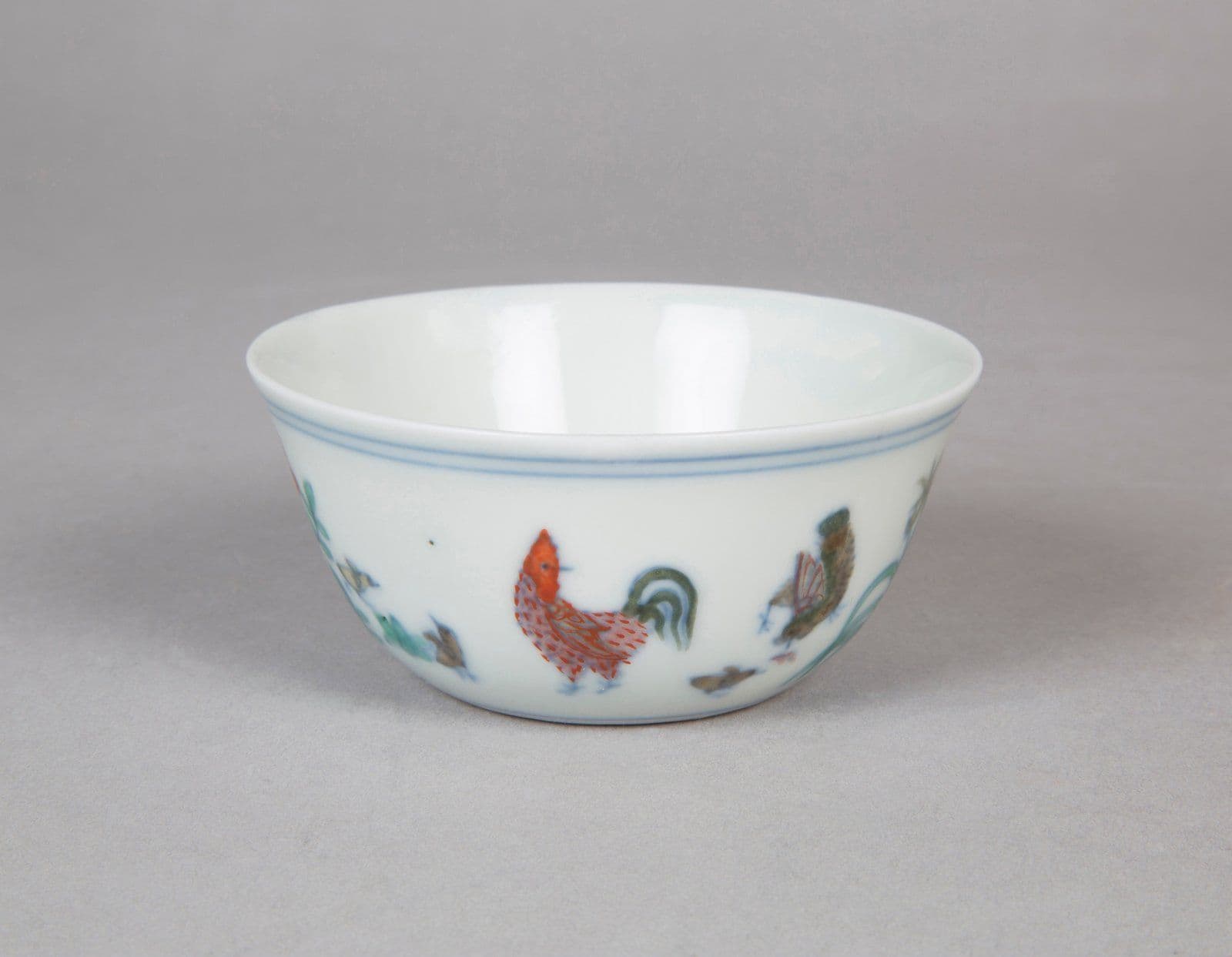
Chenghua Porcelain: A Collector's Guide Beyond the Chicken Cup
Chenghua porcelain explained: palace bowls, doucai enamels, the chicken cups, the most copied mark in Chinese ceramics, and what a collector can buy.
September 16, 20269 min read
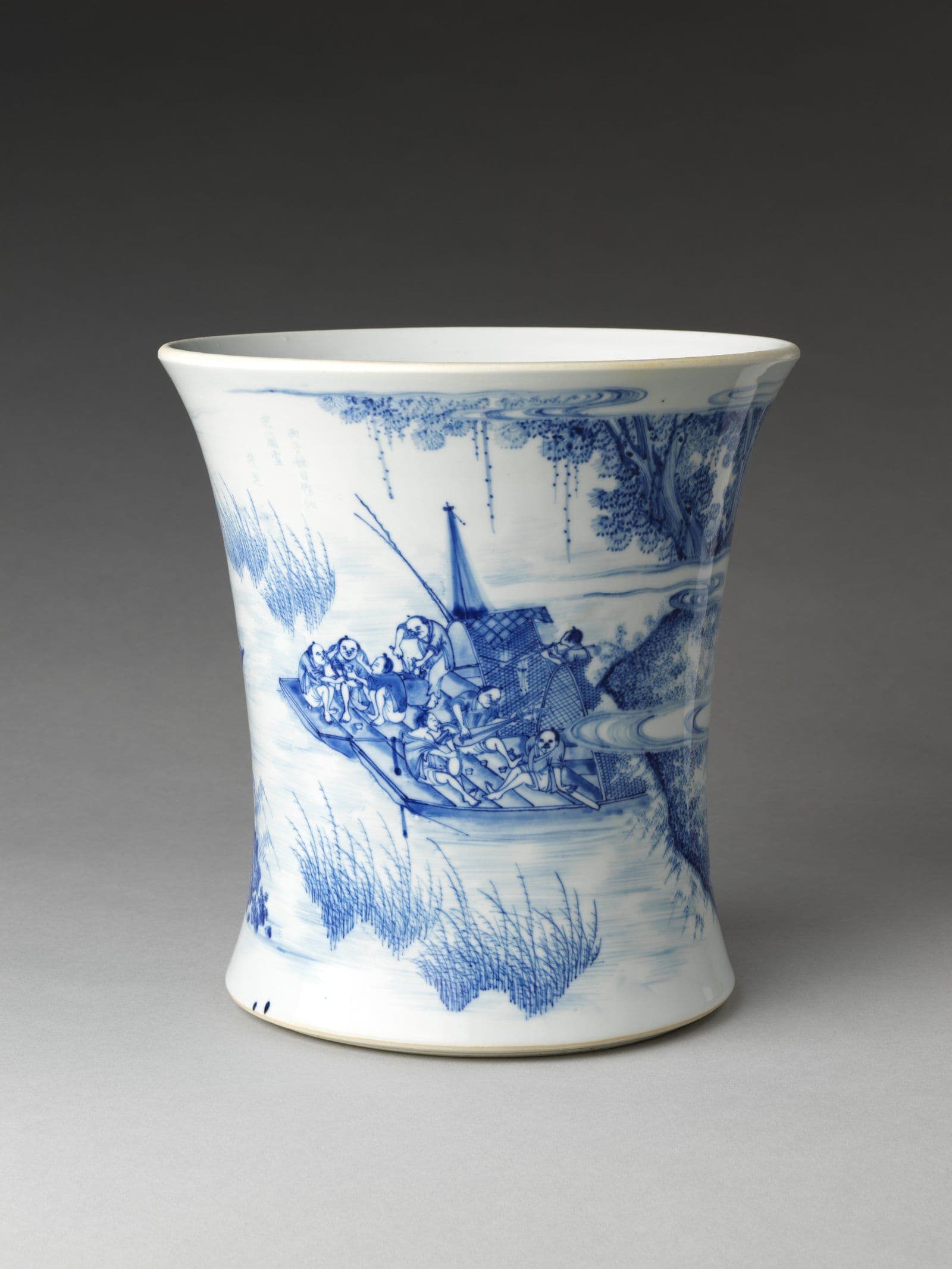
Chongzhen and Tianqi Porcelain: Dating the Ming Transition
Transitional porcelain of the Tianqi and Chongzhen reigns: the shapes, clouds, rocks and bare unglazed feet that date a piece when no reign mark does.
September 16, 202610 min read
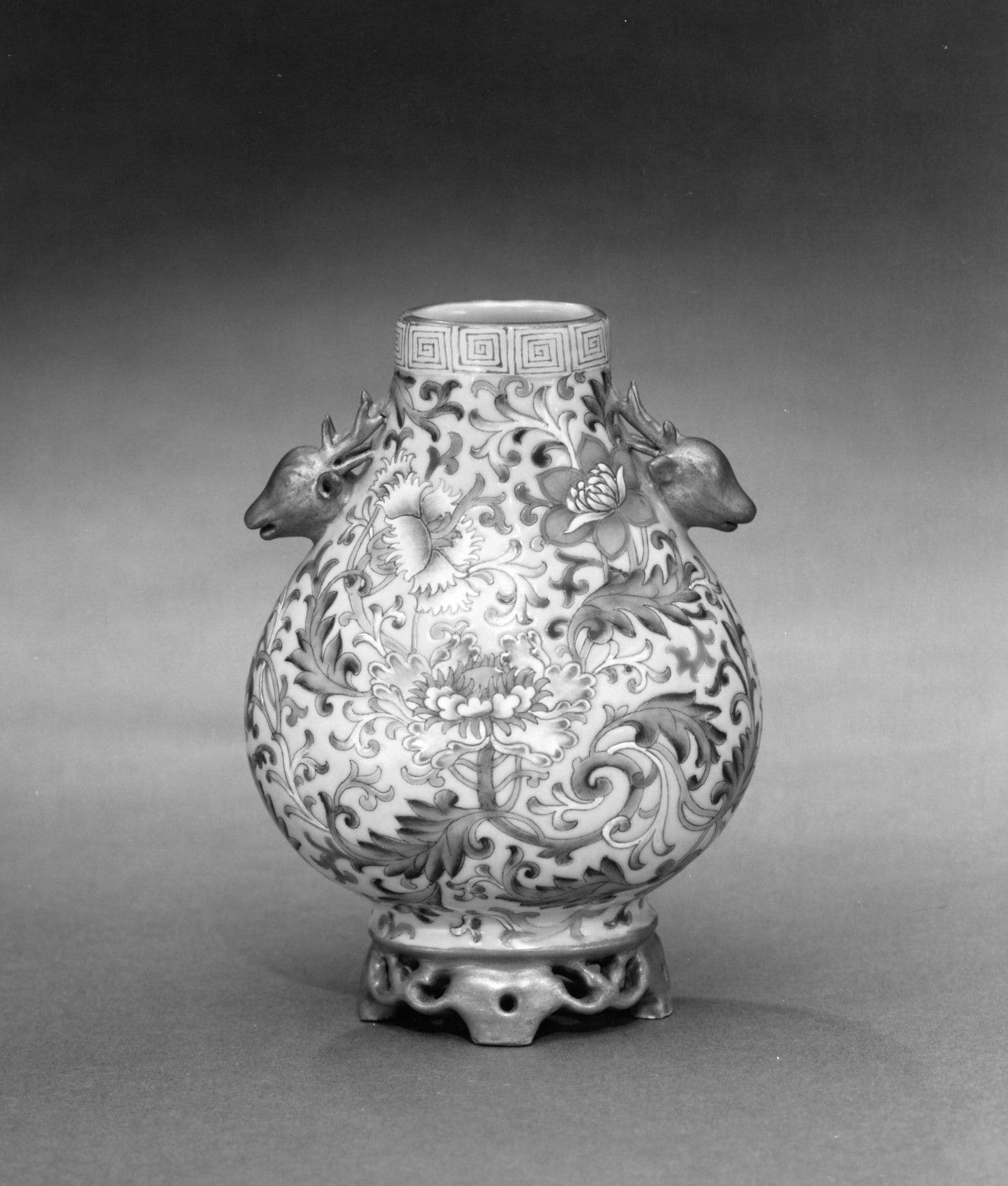
Xuantong and Hongxian Porcelain Marks: The Last Reigns
Xuantong and Hongxian porcelain marks: reading the last Qing mark, why an 83-day empire fills so many bases, and how to date what you are holding.
September 15, 20269 min read
Chinese or Japanese Porcelain: How to Tell Them Apart
How to tell Chinese porcelain from Japanese: the foot, the body, the cobalt, the palettes, and why a Ming reign mark proves nothing about country.
September 15, 202610 min read
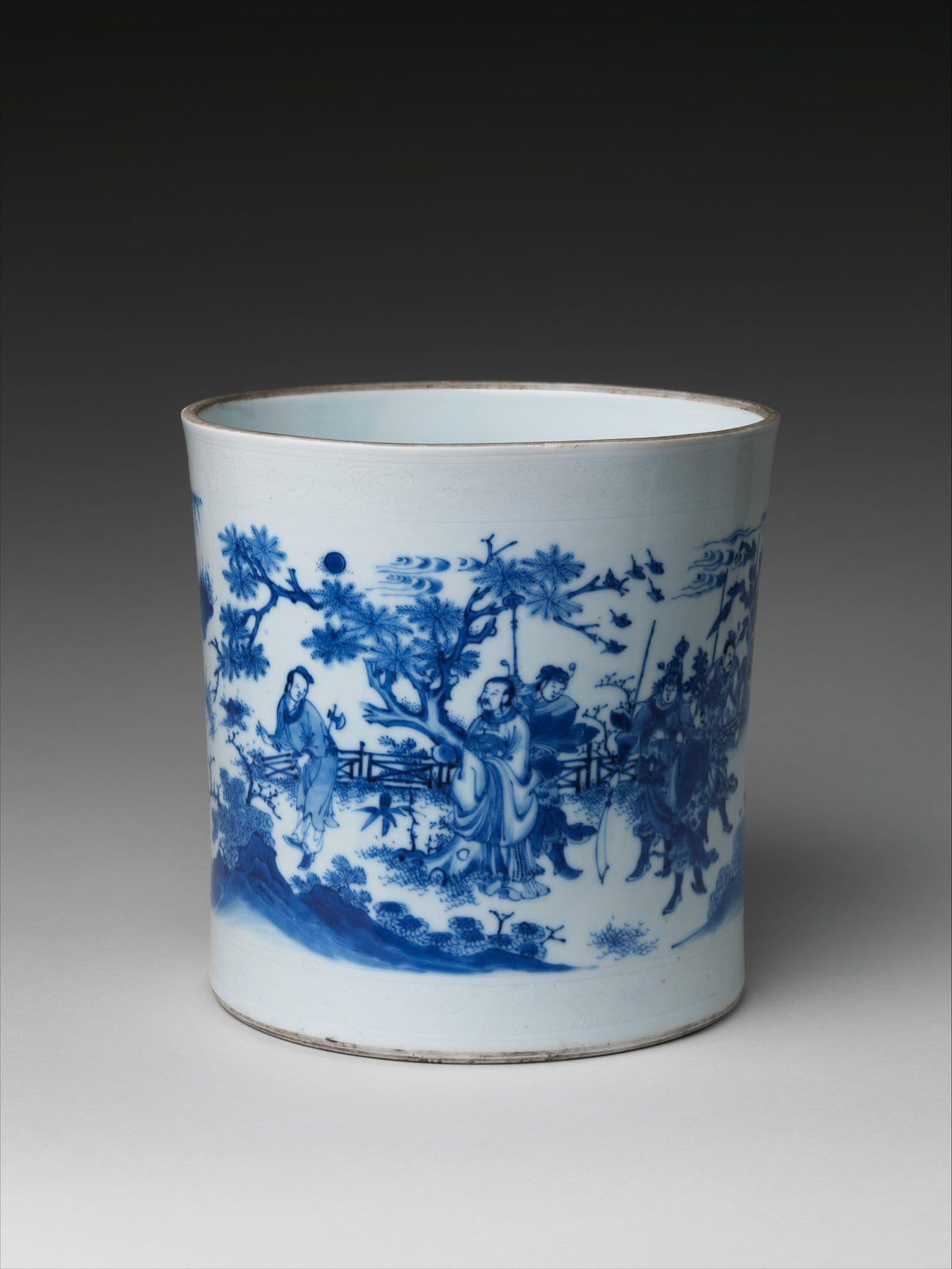
Guanyao and Minyao: Imperial or Provincial Kiln Porcelain
Guanyao and minyao explained: how imperial kiln porcelain was made and inspected, why private kilns fired court orders, and how to tell the two apart.
September 13, 20269 min read
UV Light and Porcelain: How to Spot Restoration and Repair
Use UV light to find restoration on Chinese porcelain: which lamp, how to read fluorescence, where to look first, and what ultraviolet cannot prove.
September 13, 202610 min read

Chinese Porcelain Glaze Bubbles: What the Loupe Can Prove
Chinese porcelain glaze bubbles record the firing, not the centuries. How to read bubbles, wear and crazing, and the order to examine a piece in.
September 12, 202610 min read
Yu Youren Calligraphy: A Collector's Guide to Standard Cursive
How Yu Youren rebuilt cursive as a readable system, what his brushwork looks like up close, and how to judge the couplets that fill the market.
September 12, 202610 min read
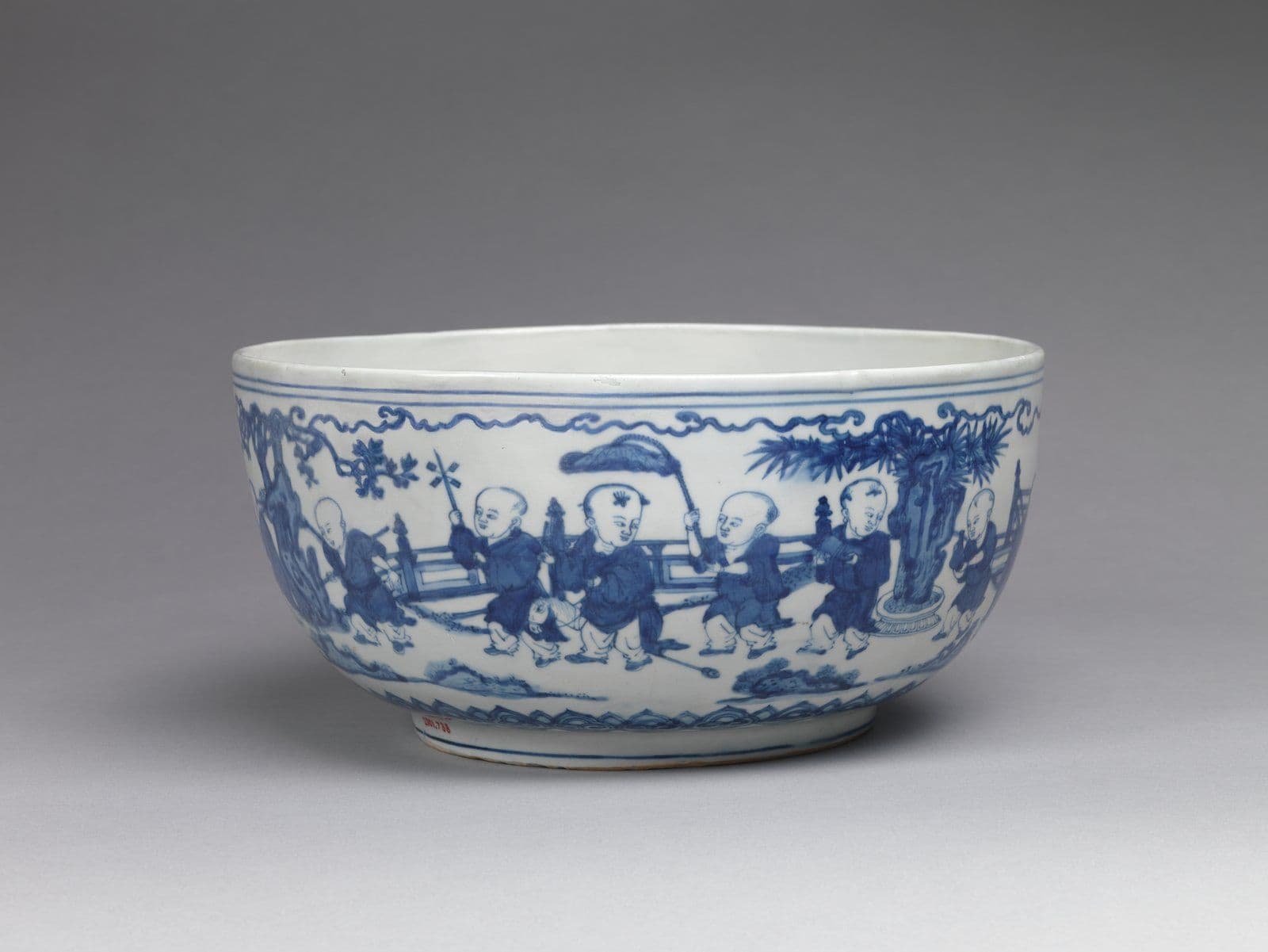
Feng Zikai Paintings: A Collector's Guide to His Brush Cartoons
How to collect Feng Zikai paintings: his line, his poem captions, telling brush drawings from printed plates, condition, and what the market pays.
September 9, 20269 min read
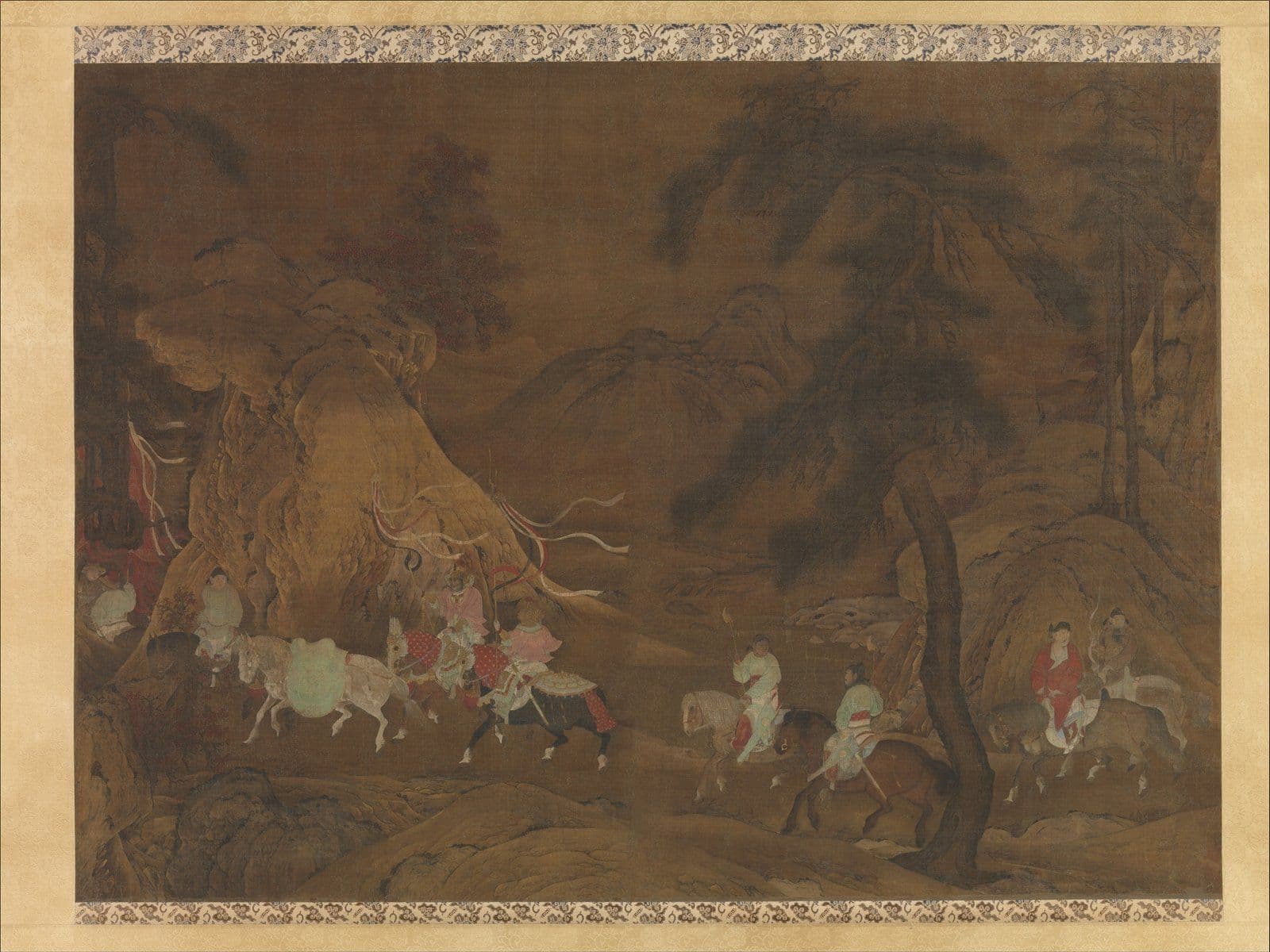
Fu Baoshi Figure Paintings: The Nine Songs and How to Judge Them
How to read Fu Baoshi's figure paintings: the Nine Songs subjects, the Lady of the Xiang, his line and wash, dating by seals, and buying safely.
September 9, 202610 min read
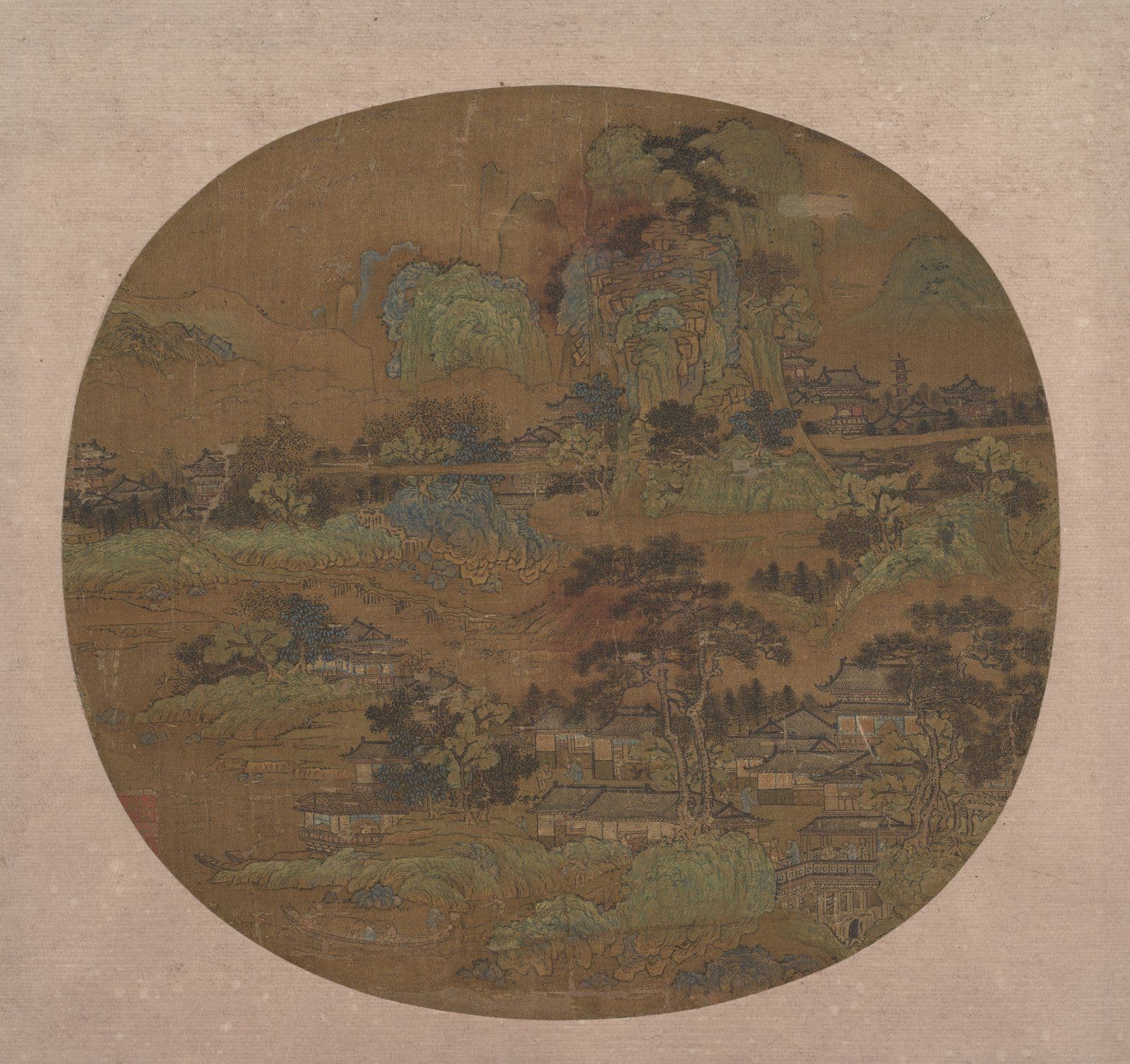
Wu Guanzhong Oil vs Ink: How the Two Halves of His Work Relate
Wu Guanzhong's oil paintings and ink works compared: Paris training, the 1970s turn to ink, shared motifs, the formal-beauty essays, and how to judge both.
September 8, 202610 min read
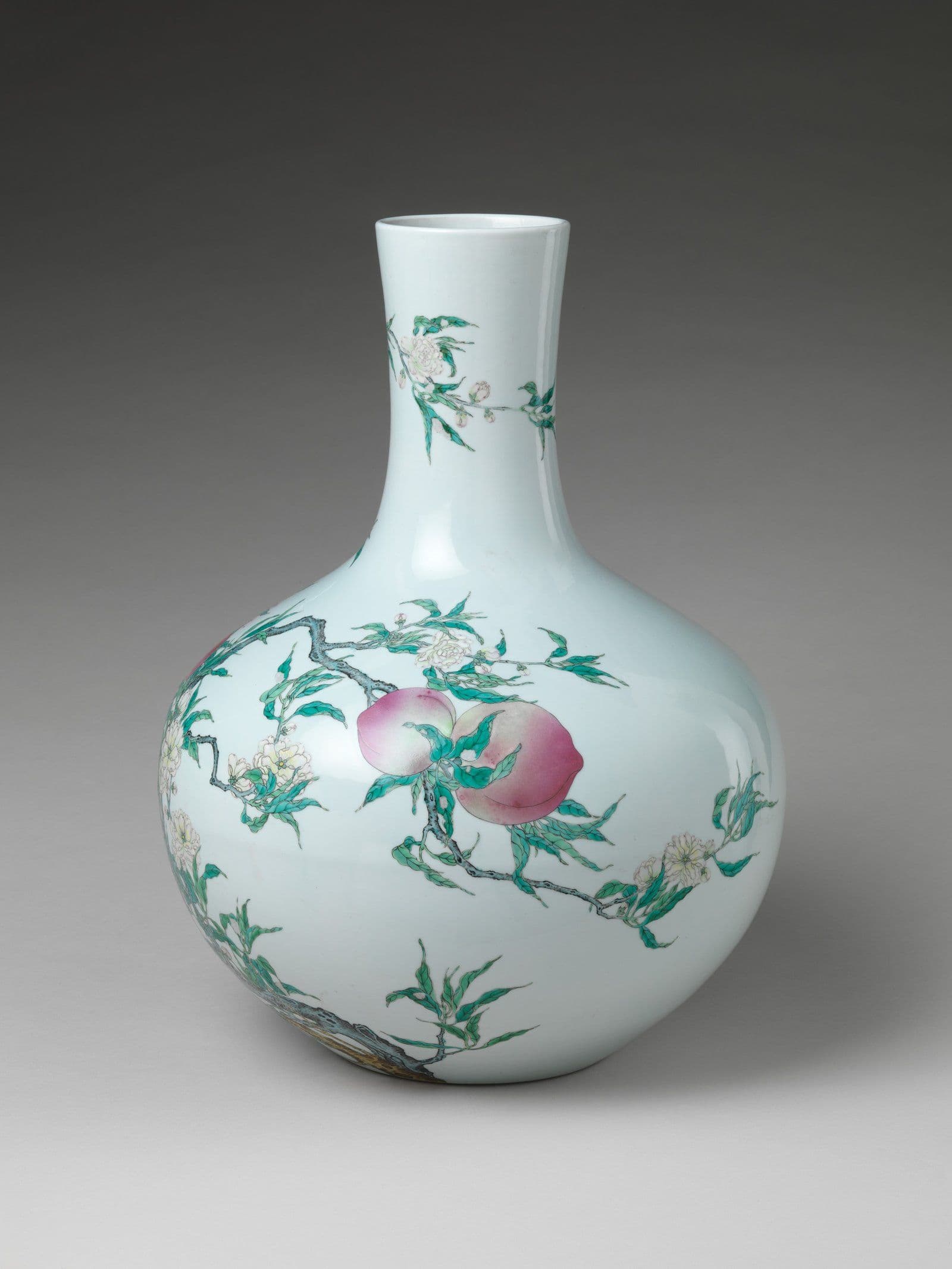
Qi Baishi's Longevity Peaches and Gourds: What the Symbols Mean
Qi Baishi's peaches and gourds decoded: the longevity myth, the fulu pun in the gourd, birthday inscriptions, pigments, and what to check before buying.
September 8, 202610 min read
Qi Baishi's Red Flowers, Ink Leaves: How to Read the Late Style
Qi Baishi's red flowers, ink leaves style: where it came from, how carmine and ink behave on raw paper, the subjects it suits, and how to spot his hand.
September 7, 202610 min read
Feng Shui Painting Placement: Horses, Lotus and Mountains at Home
Feng shui placement for Chinese paintings: where horses, lotus and shanshui mountains go, which way they should face, and the rooms to avoid for paper.
September 7, 202610 min read
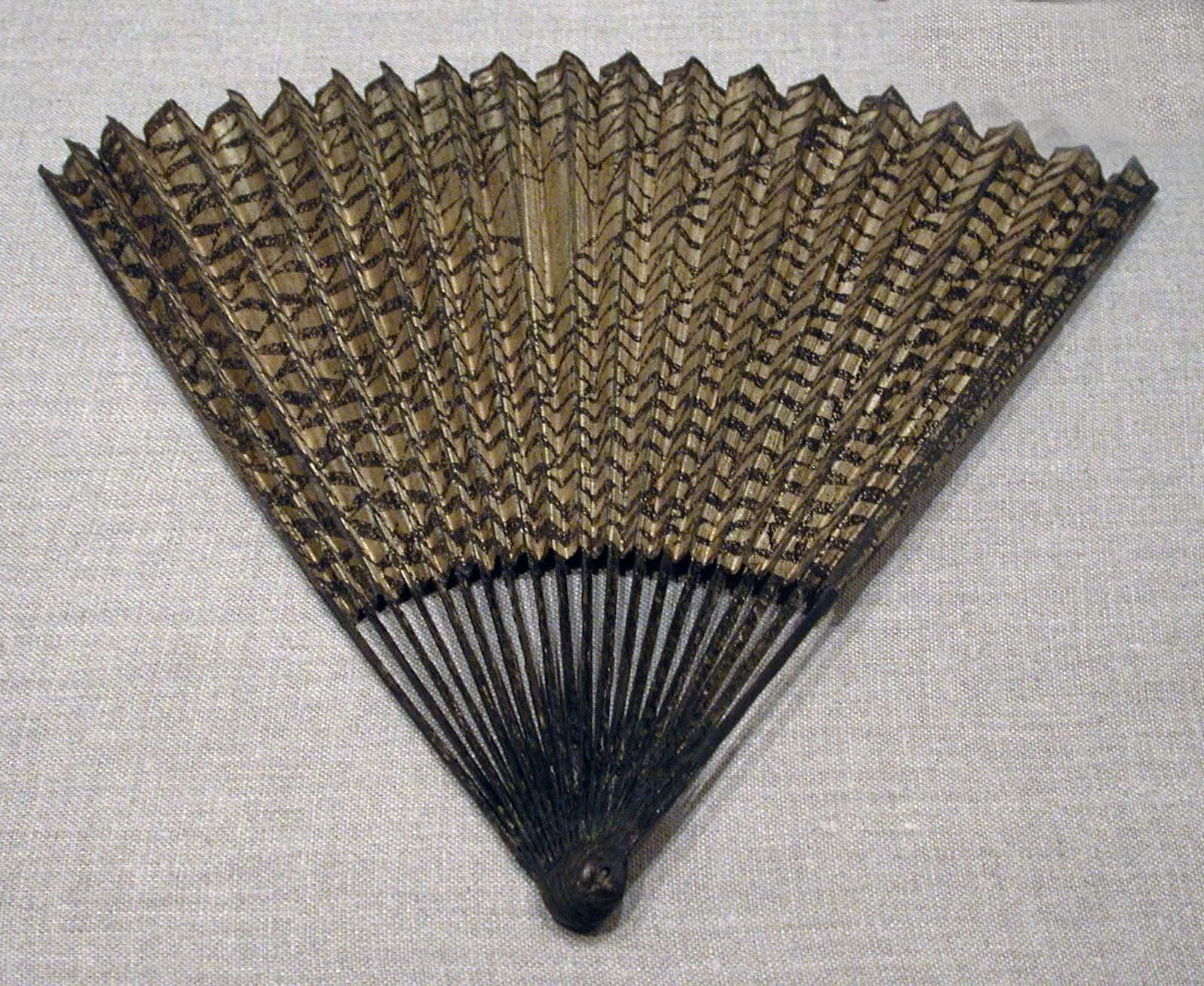
Giclée Print Longevity: How Long Archival Inks and Papers Last
Giclée print longevity explained: pigment versus dye inks, cotton rag and baryta papers, how permanence ratings are tested, what fades first, and how to store.
September 6, 202610 min read
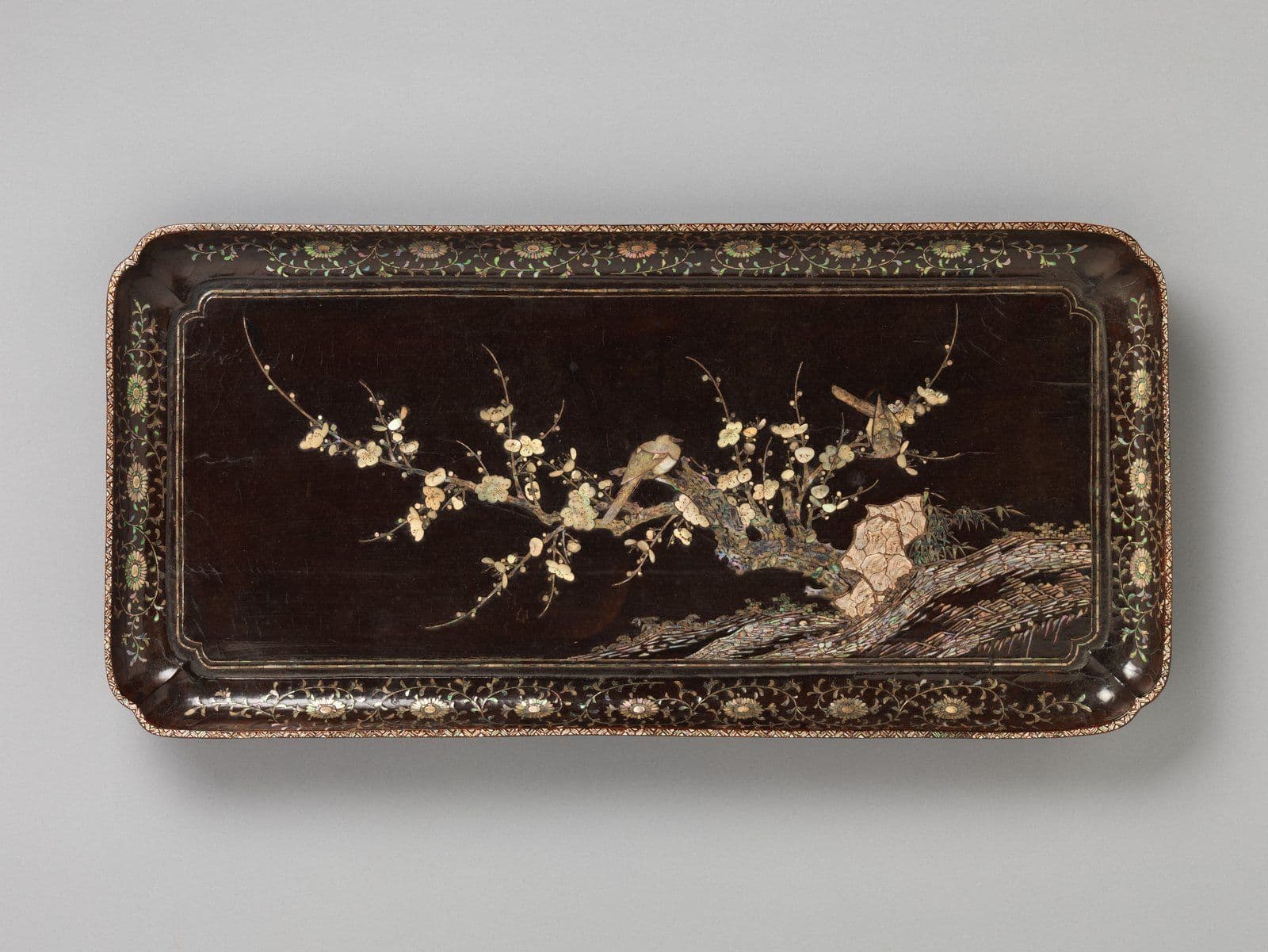
Chinese Painting Symbols: What Magpies, Cranes and Peonies Mean
Chinese painting symbols decoded: what magpies, cranes, peonies, lotus and plum mean, how homophone rebuses pair them, and how to read the occasion of a gift.
September 6, 202610 min read
How to Identify Antique Chinese Porcelain: A Dealer's Checklist
How to identify antique Chinese porcelain with a twelve-point checklist: foot rim, body, glaze, cobalt, enamels, wear, marks, condition and provenance.
September 5, 202610 min read

Zhang Daqian Lotus Paintings: Periods, Styles and How to Judge
Zhang Daqian's lotus paintings by period: ink after Bada, gold and vermilion after Dunhuang, splashed colour, and how to judge stems, leaves, seals and prints.
September 5, 202610 min read

Xu Beihong Zodiac Animals: The Twelve Paintings Explained
Xu Beihong's twelve zodiac animals: the three albums of 1939, 1945 and 1946, how he painted each creature from rat to pig, and what to look for in a set.
September 4, 202610 min read
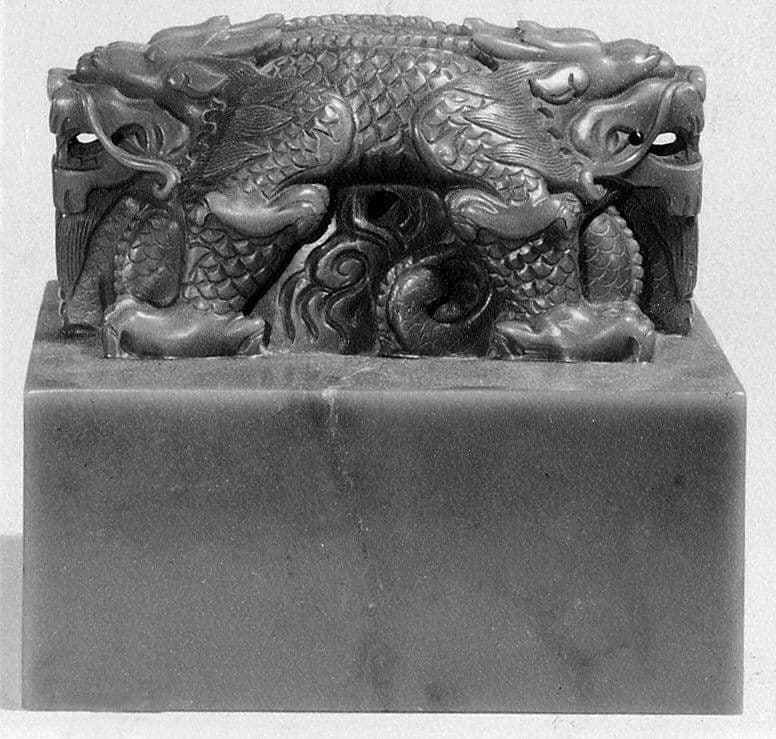
Zhang Daqian Signature and Seals: How Collectors Check Them
How to check a Zhang Daqian signature and seal: his names and residence seals, the age and cyclical year he wrote, seal-paste tests, and the traps forgers set.
September 4, 202610 min read

Chinese Propaganda Posters: Dating, Printing and Reprints
How to date a Chinese propaganda poster: read the publisher margin line, the paper and the dot pattern, and separate period sheets from later reprints.
August 27, 20269 min read
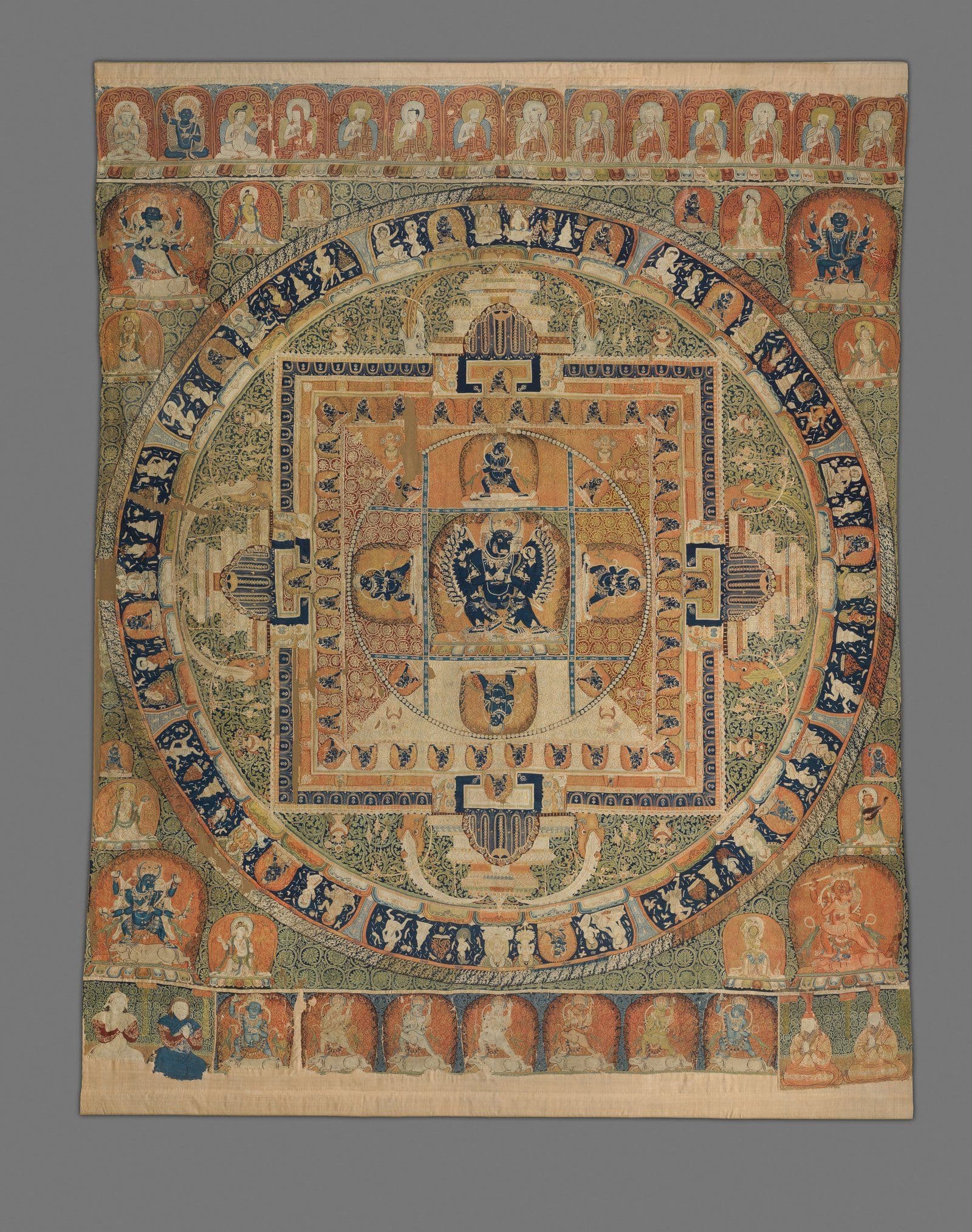
Kesi Silk Tapestry: How China's Cut-Silk Weave Is Judged
Kesi silk tapestry explained: how the cut-silk weave is built bobbin by bobbin, why the court prized it above embroidery, and how to judge a panel.
August 26, 20269 min read

Chinese Landscape Painting: How to Read a Shanshui Scroll
How to read a Chinese landscape painting: where the eye enters, Guo Xi's three distances, what the small figures are for, and how the rock is built.
August 25, 202610 min read
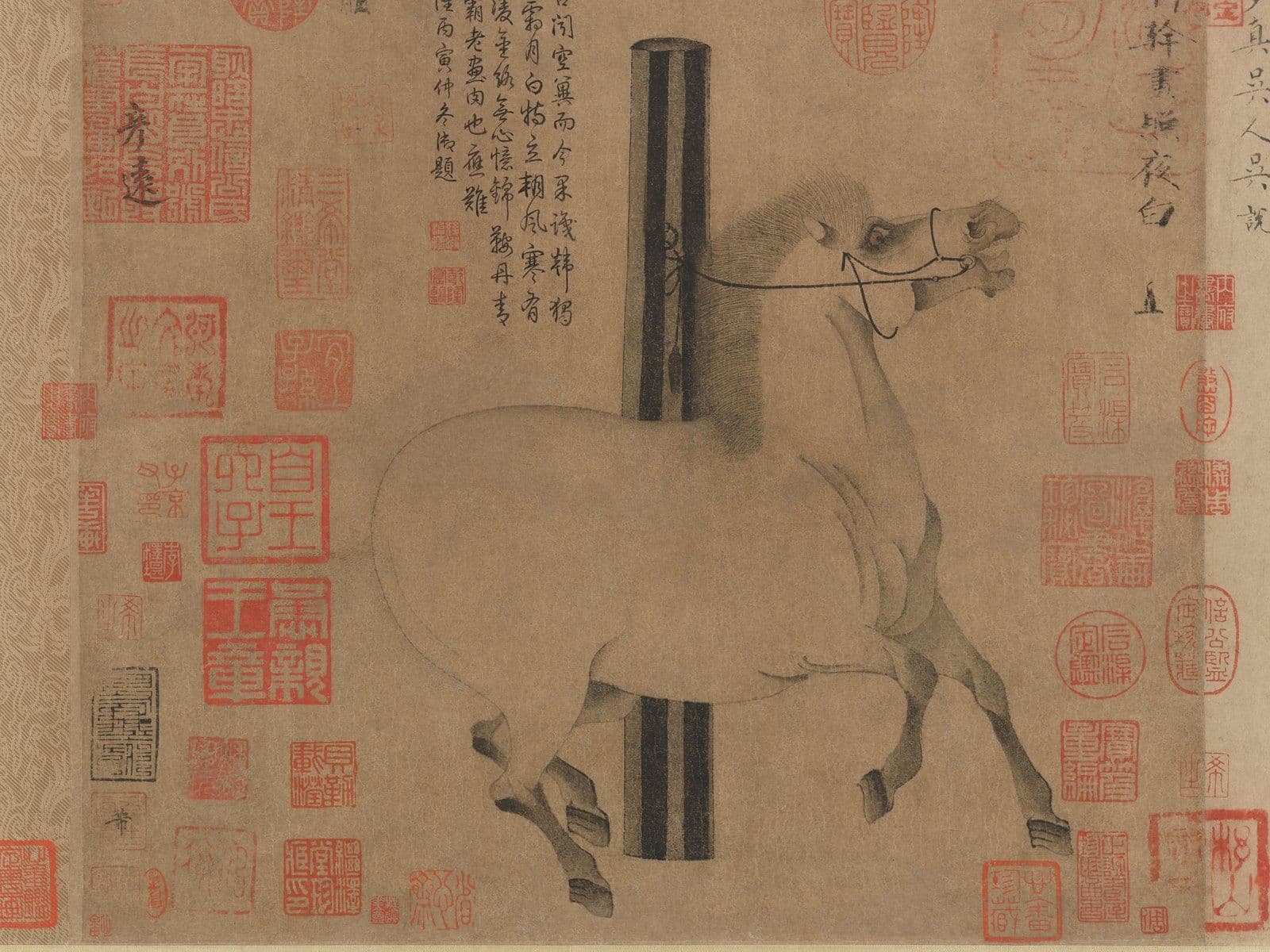
Zhang Boju: The Collector Who Gave Away China's Oldest Scrolls
Zhang Boju bought the oldest surviving Chinese calligraphy on paper and the earliest landscape scroll, then handed both to the state. How he did it.
August 24, 20269 min read
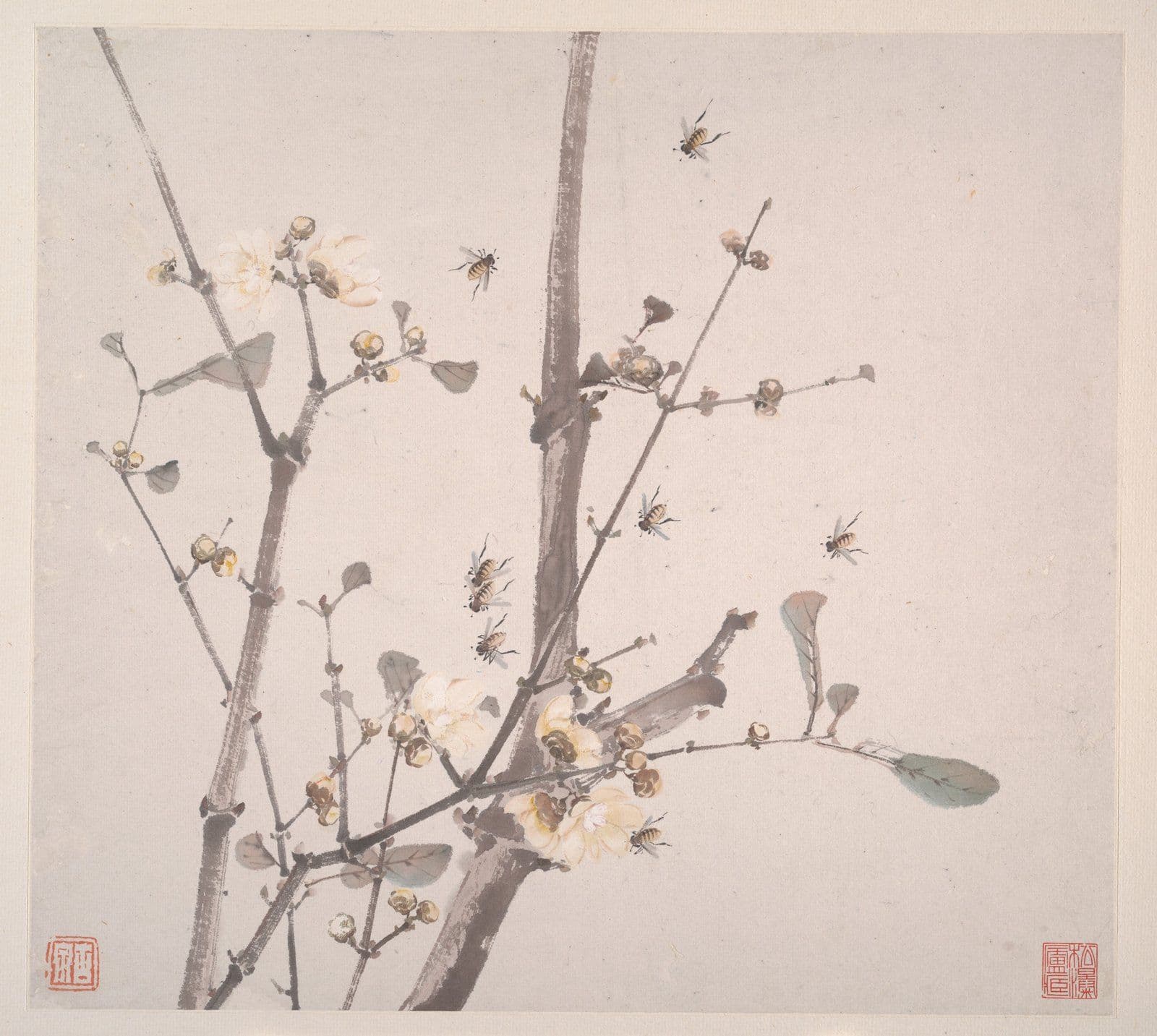
Lingnan School Painting: Gao Jianfu and How to Recognise It
Lingnan school painting explained: Gao Jianfu's argument, the wet-collision technique behind it, and the six signs that identify a Lingnan picture.
August 22, 20269 min read
Chinese Brushes: Wolf Hair, Goat Hair and the Four Virtues
A guide to Chinese brushes: wolf hair against goat hair, how a maobi is made, the four virtues worth testing for, and how to care for one properly.
August 21, 20268 min read
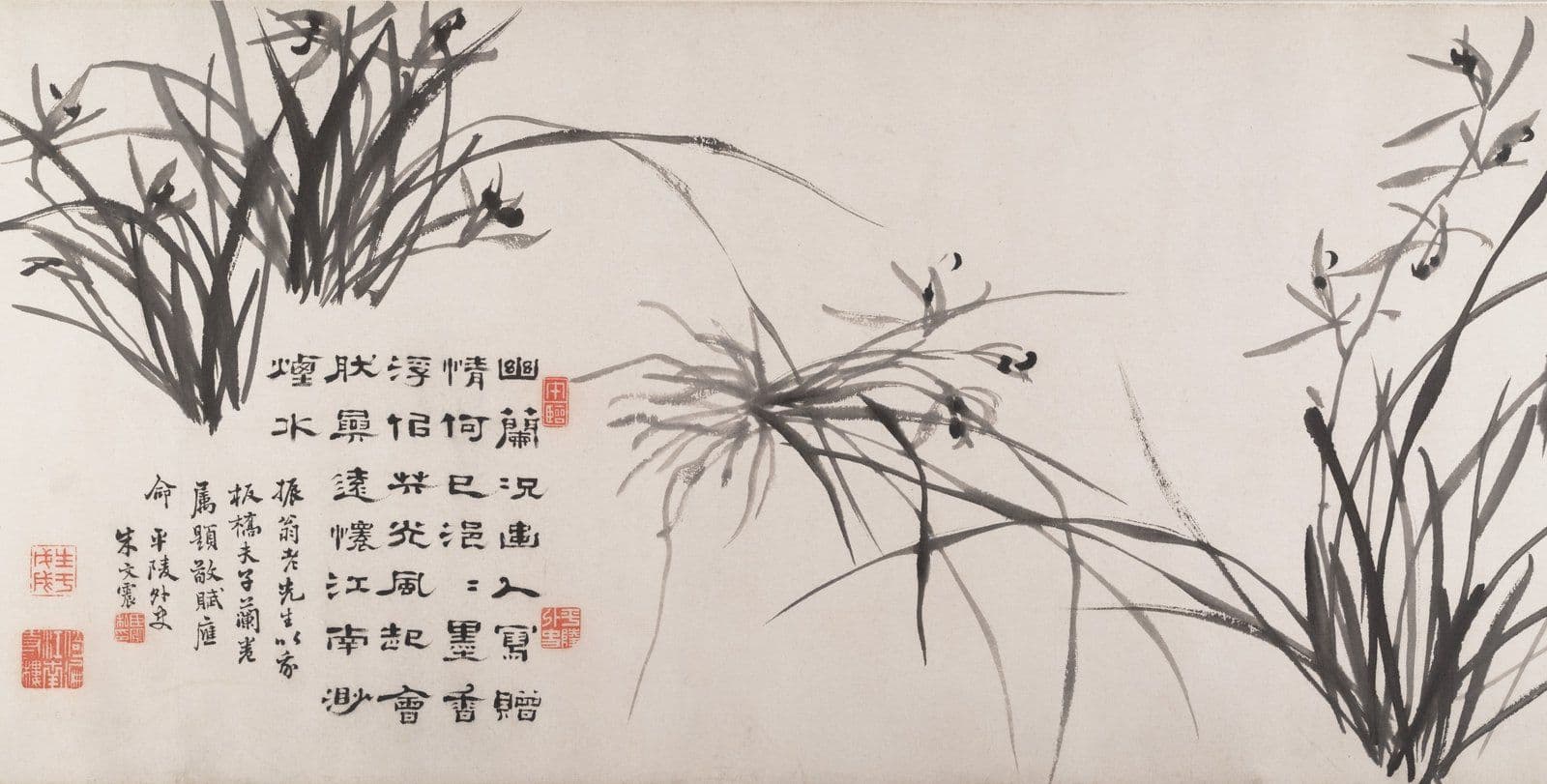
The Four Gentlemen: Plum, Orchid, Bamboo and Chrysanthemum
The Four Gentlemen in Chinese painting: what plum, orchid, bamboo and chrysanthemum each signify, and how to judge the brushwork in a painting of one.
August 21, 20269 min read
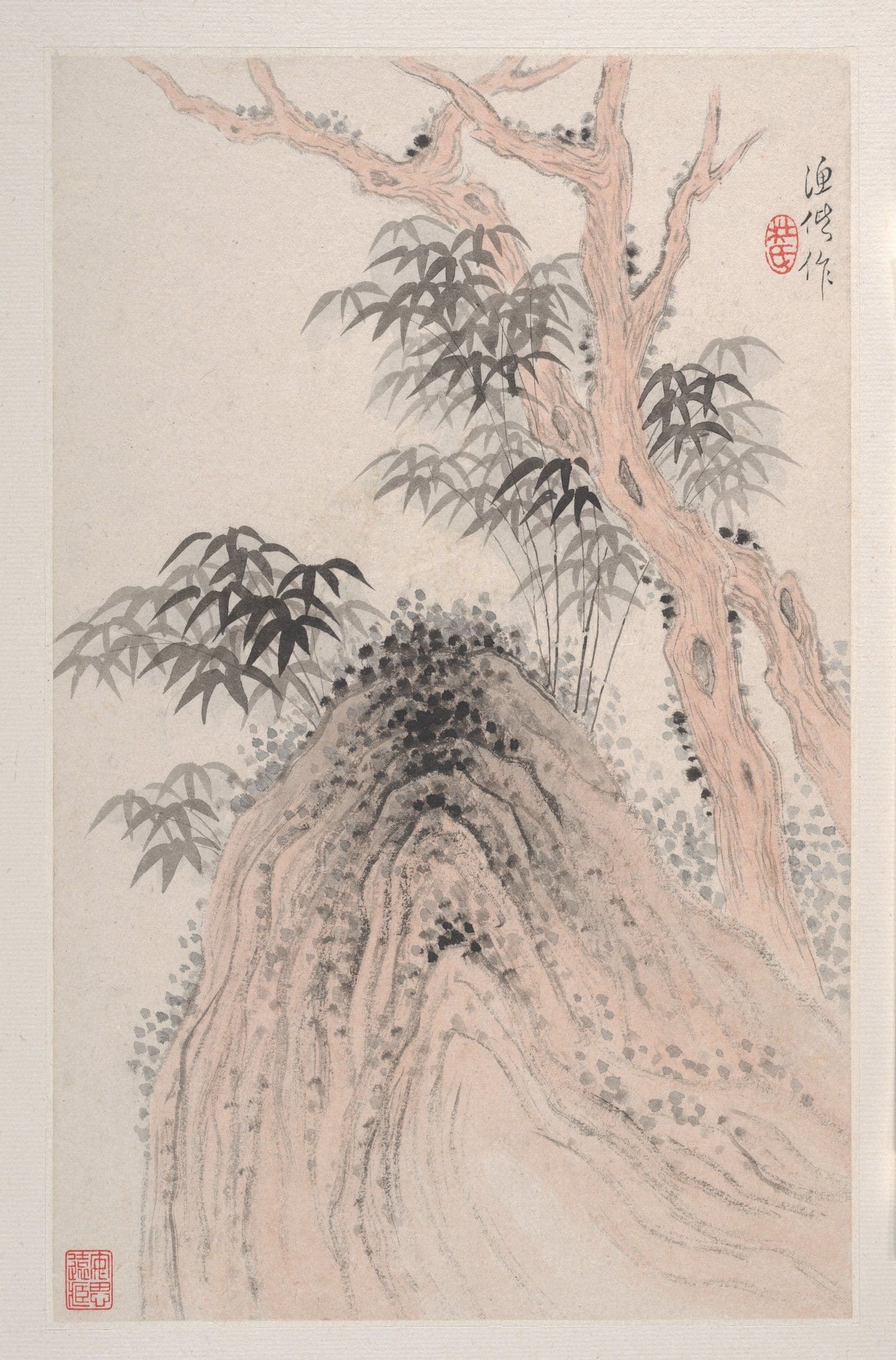
Collecting Cultural Revolution Art: What Survives, What Is Faked
Collecting Cultural Revolution art: what was produced from 1966 to 1976, why so little survives, and how to tell period posters from later reprints.
August 21, 20269 min read
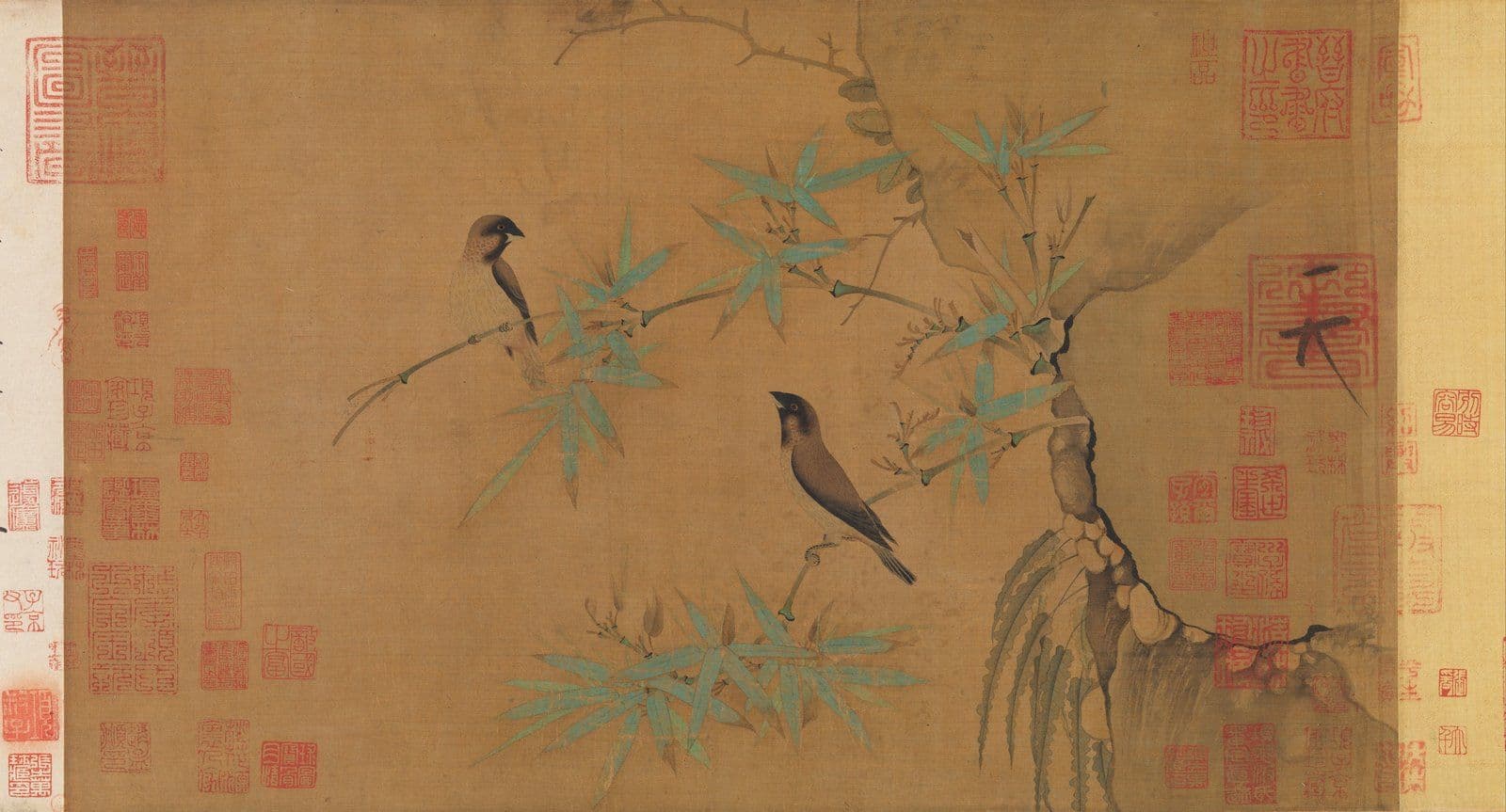
Xieyi Painting Explained: Freehand Ink vs Meticulous Gongbi
Xieyi, the freehand mode of Chinese painting, set against meticulous gongbi: how they differ in brush, paper, history and the standards each is judged by.
August 20, 20269 min read
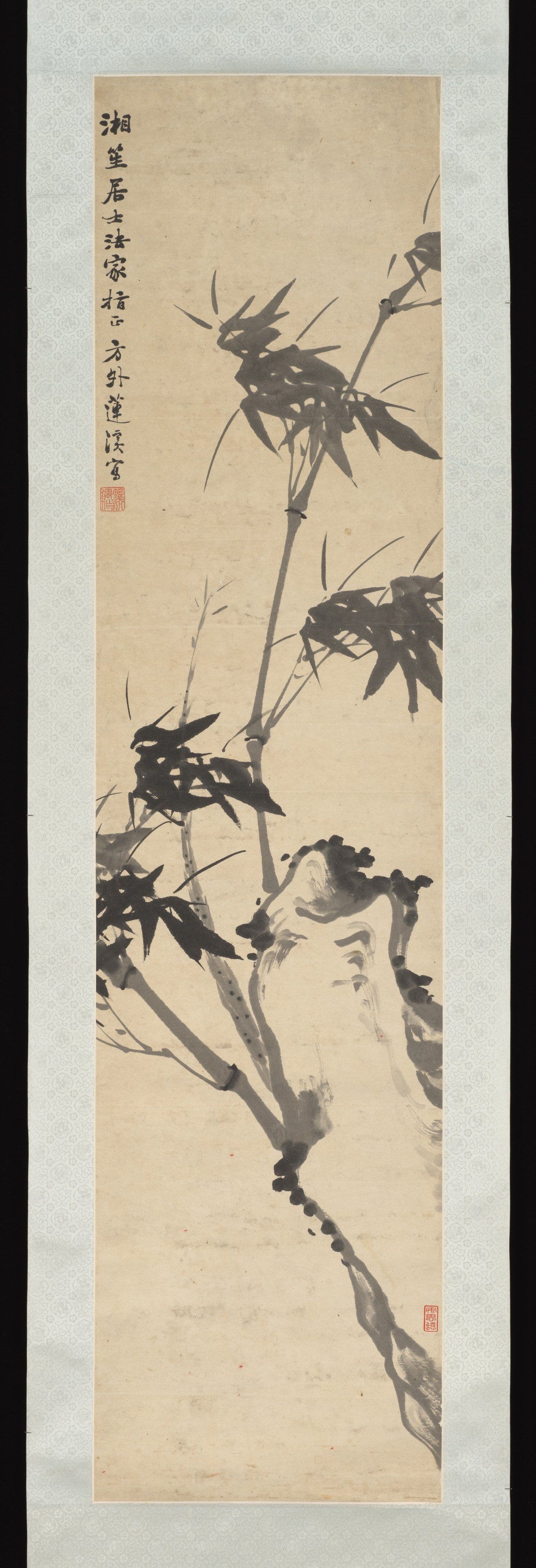
Pine Soot Ink: How Chinese Ink Sticks Are Made and Graded
Pine soot ink explained: how pine and oil soot sticks differ, what the glue does, why aged ink is prized, and the tests for a stick worth grinding.
August 20, 202610 min read
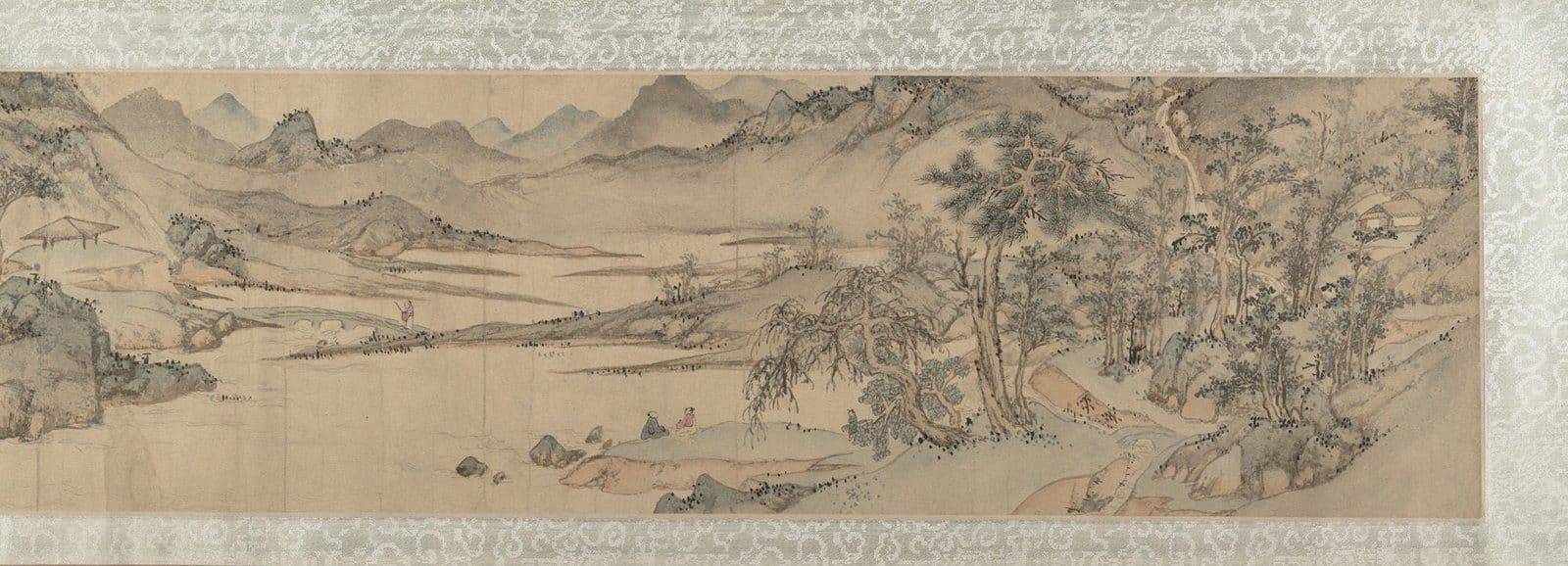
How to Care for Chinese Ink Paintings and Works on Paper
How to care for Chinese ink paintings and works on paper: safe light levels, humidity targets, acid-free mounting, handling and when to call a conservator.
August 20, 202610 min read
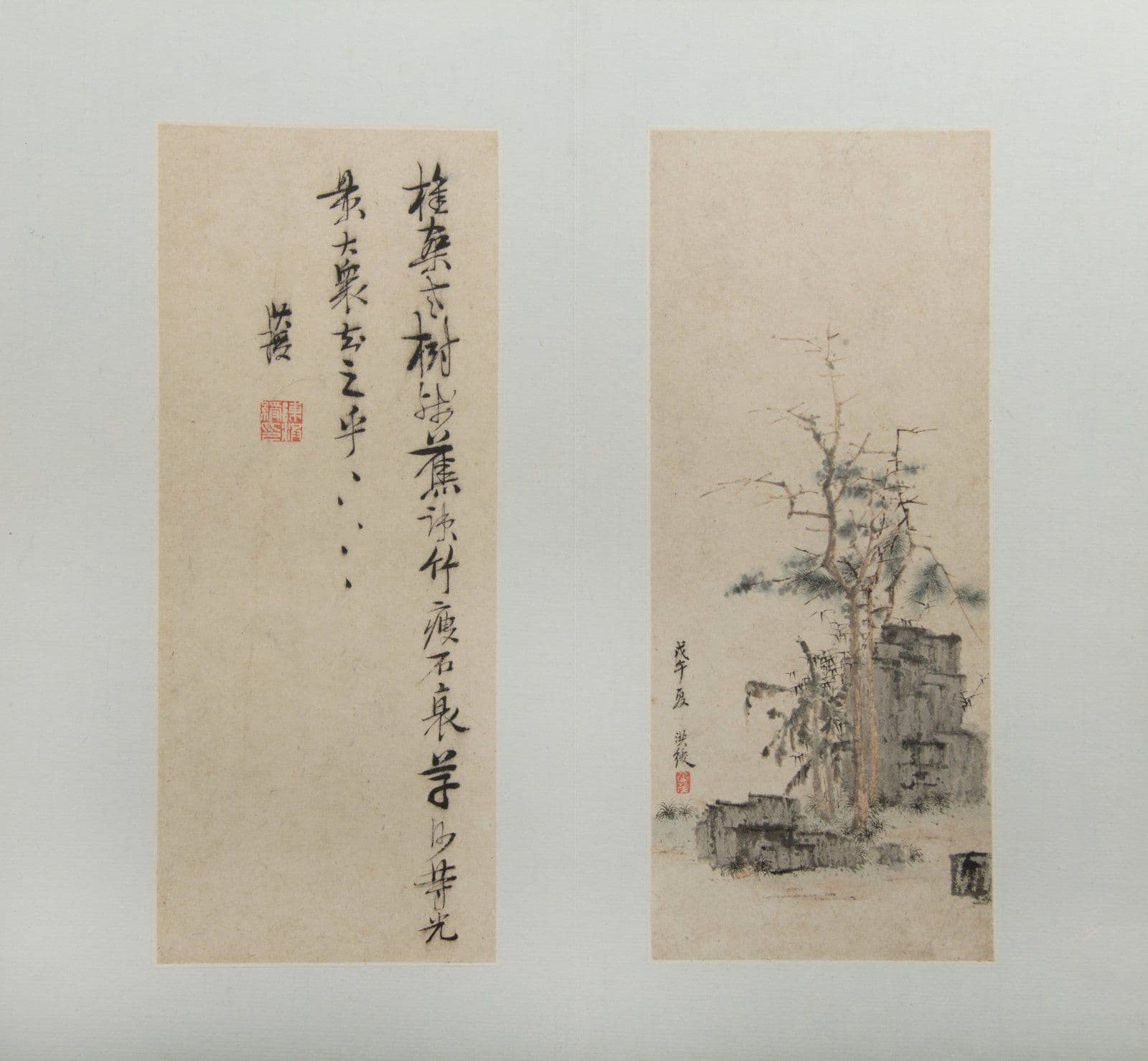
Xuan Paper: How Chinese Painting Paper Is Made and Behaves
A guide to xuan paper: what it is made from, how raw (sheng) and cooked (shu) sizing changes the brush, and how to store works on paper safely.
August 19, 20268 min read
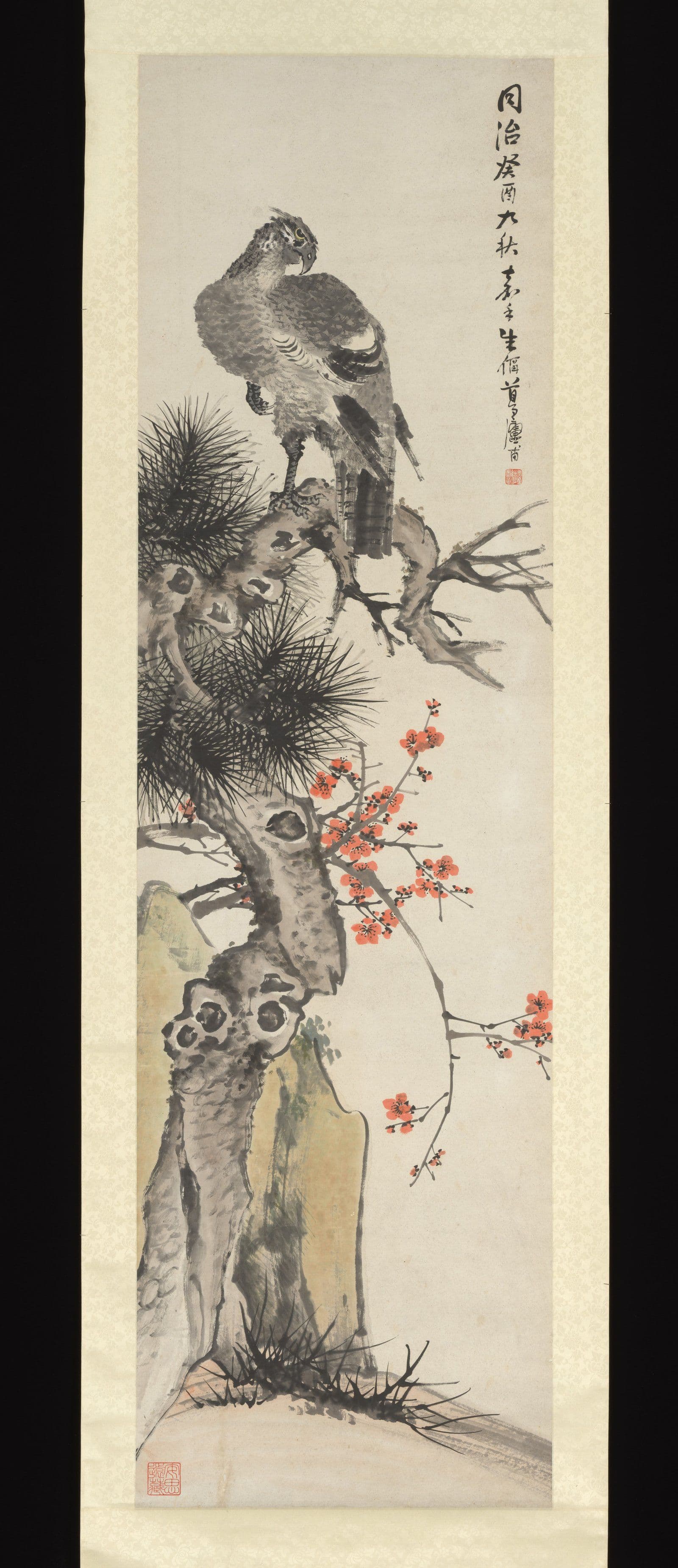
Li Kuchan: A Collector's Guide to the Eagle Painter
A collector's guide to Li Kuchan: his years with Qi Baishi, how the xieyi brushwork is built, what drives his market, and how to spot a copy.
August 19, 20267 min read
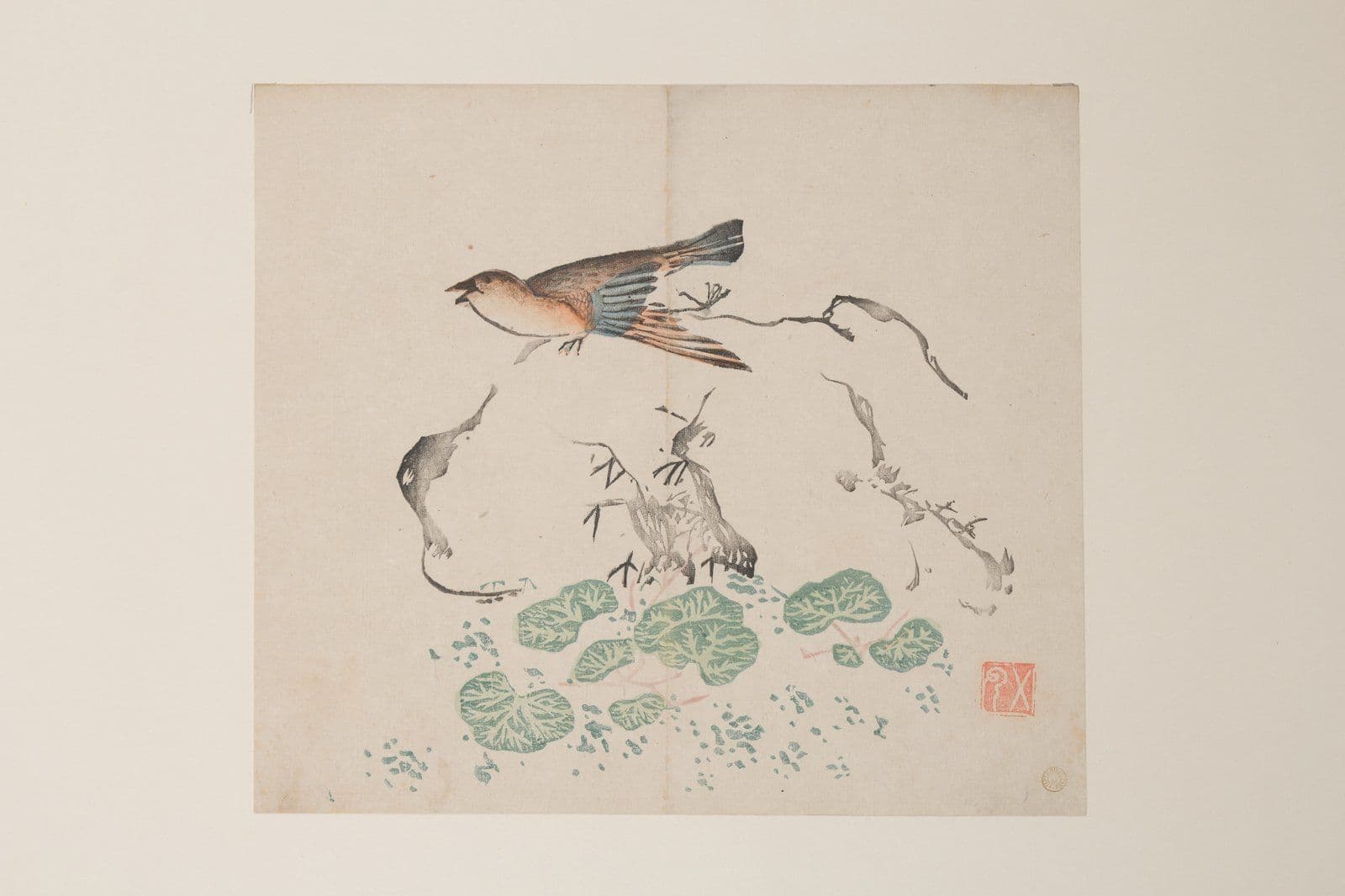
Limited Edition Prints Explained: Numbers, Giclee and COAs
Limited edition prints explained: what edition numbers really mean, how giclee printing works, and what a Certificate of Authenticity must state.
August 19, 20269 min read
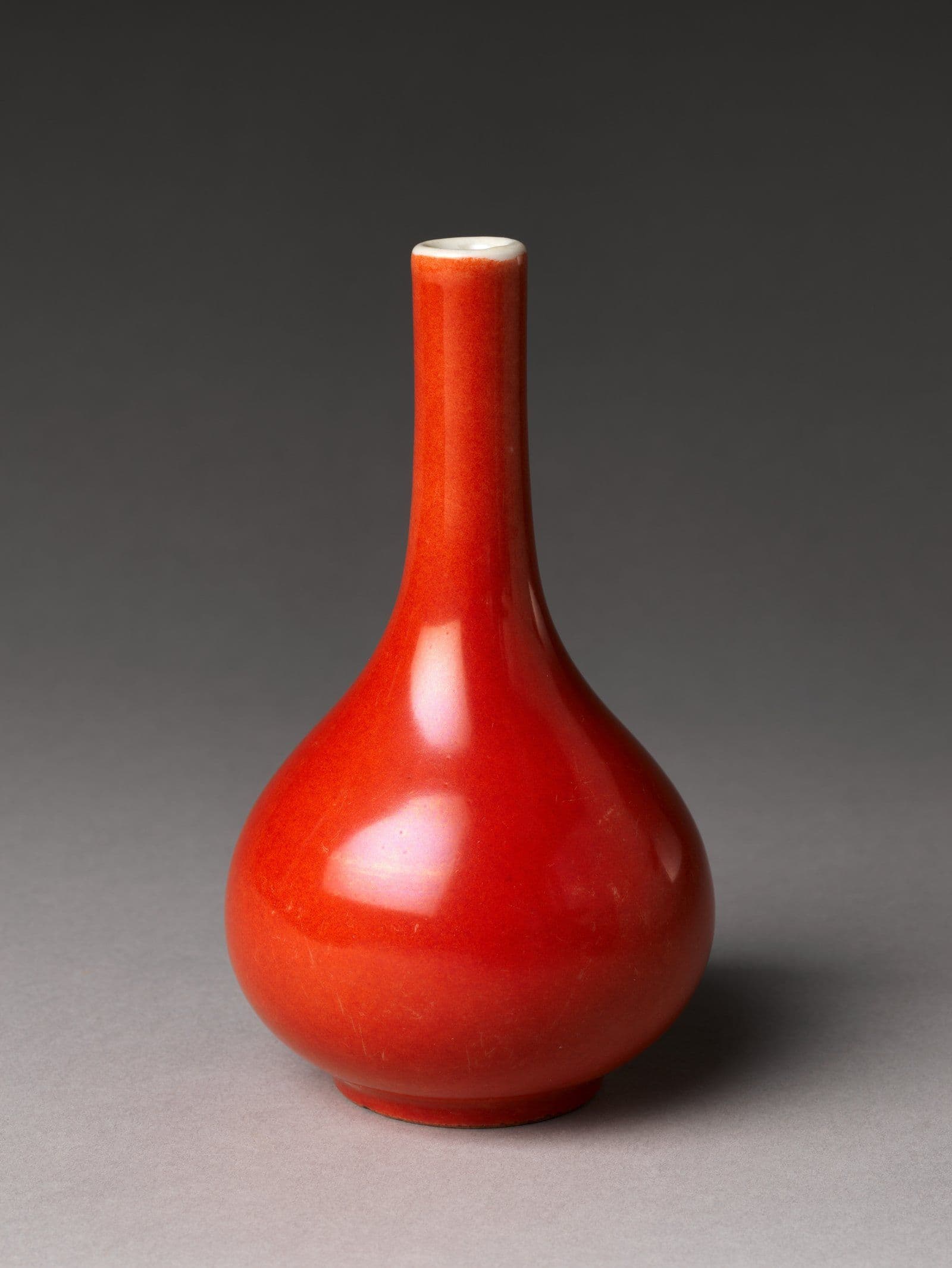
Guangxu Porcelain: A Collector's Guide to the Late Qing Revival
A collector's guide to Guangxu porcelain (1875-1908): the revival kilns, Dayazhai wares, apocryphal earlier marks, and how to identify the period.
August 18, 20268 min read
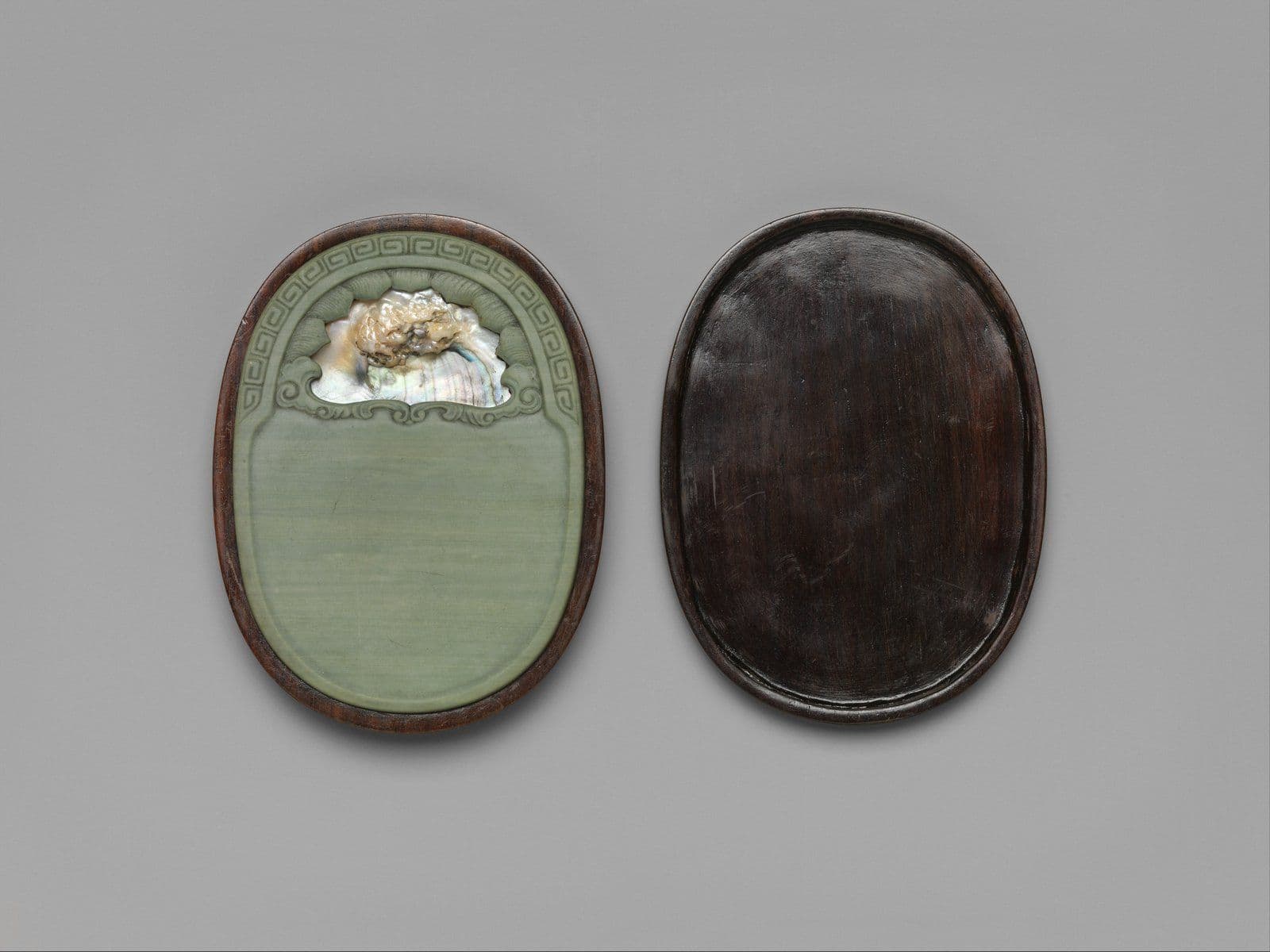
Chengni Inkstone and the Four Classic Chinese Ink Stones
Chengni inkstone explained beside Duan, She and Tao stone: how the four differ, what grinding wear proves, and how to spot a resurfaced inkstone.
August 18, 20268 min read
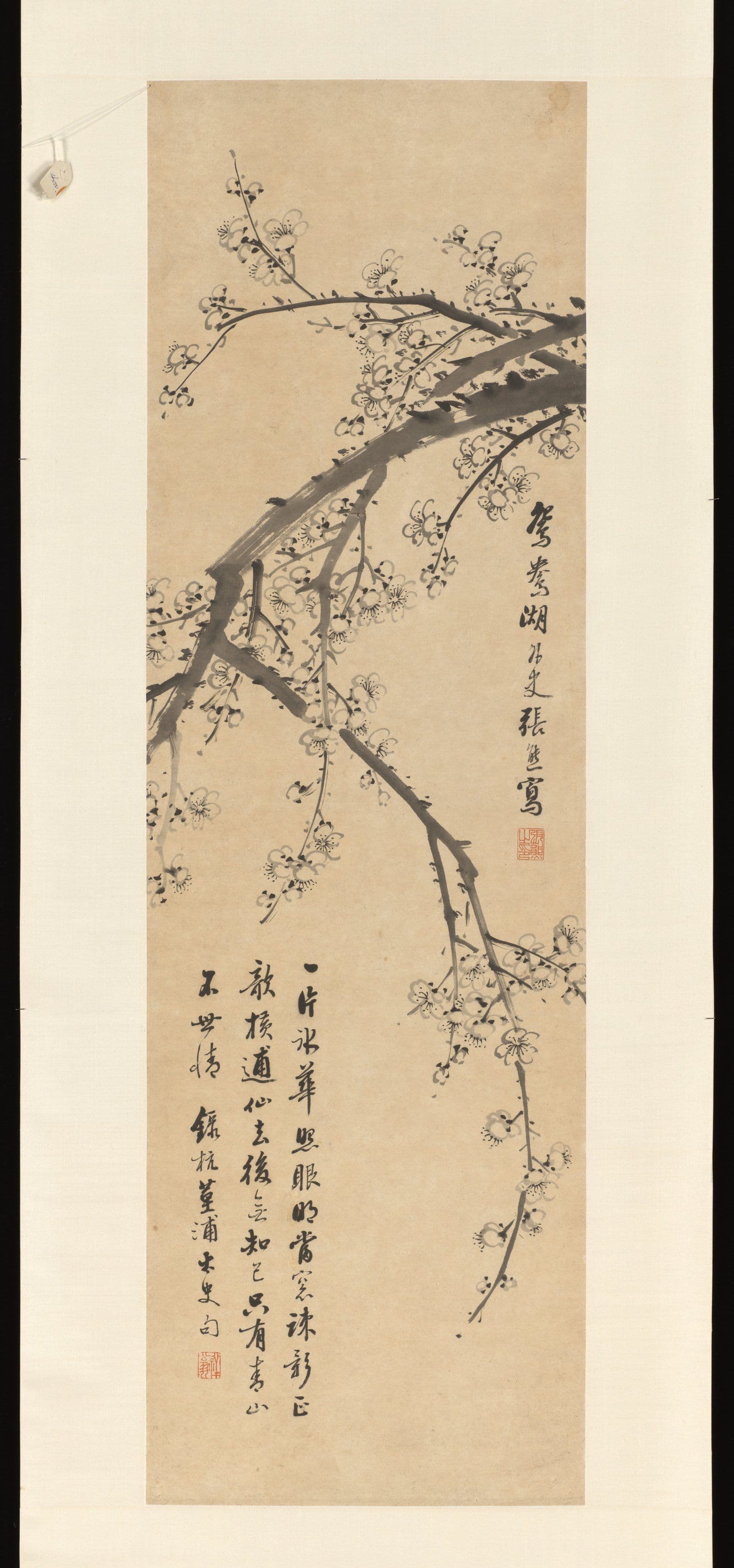
Wu Changshuo: A Collector's Guide to the Last Literatus
A collector's guide to Wu Changshuo: the Stone Drum line behind his brushwork, the subjects he returned to, and what to check before buying a work.
August 18, 20268 min read
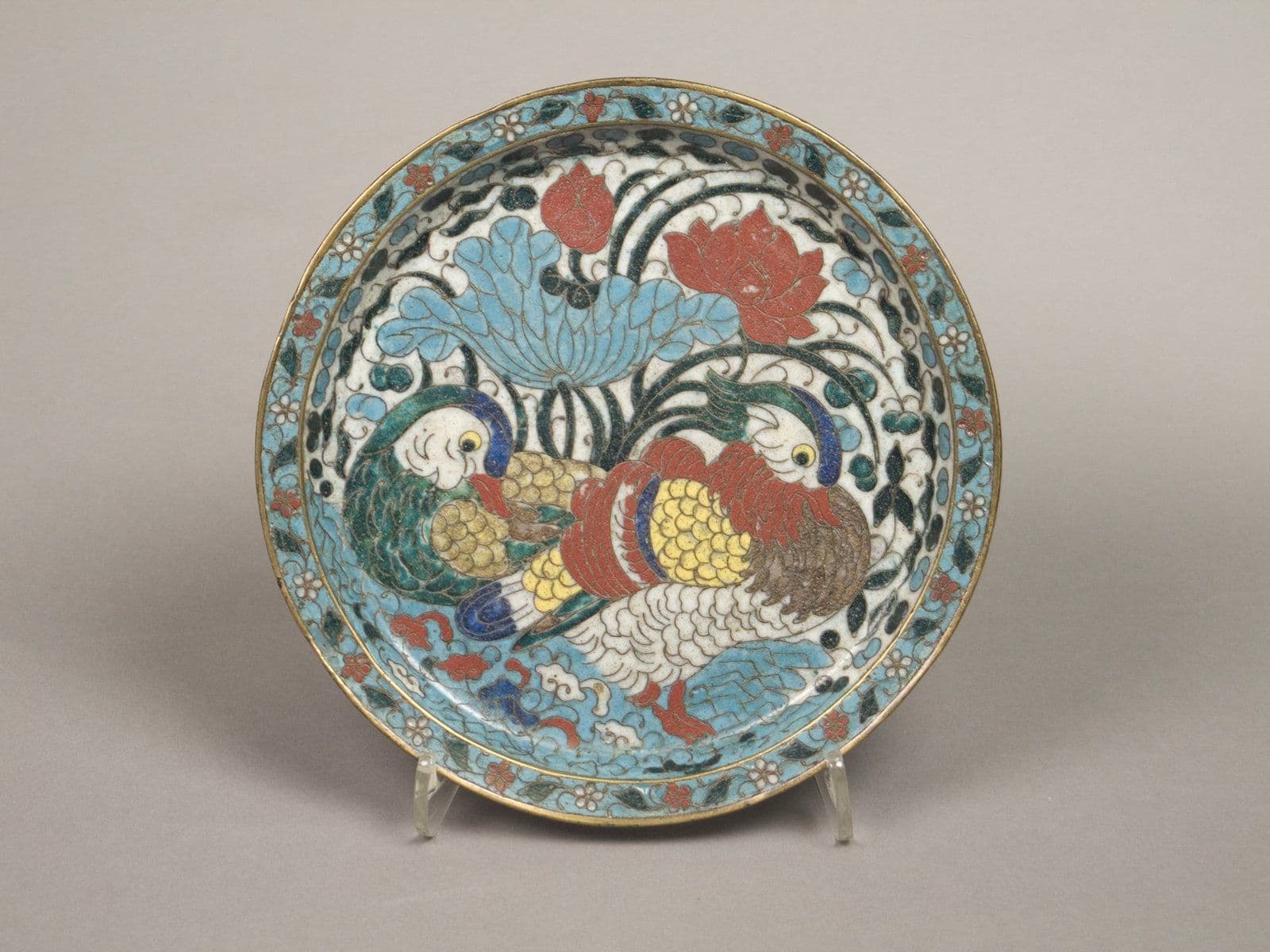
Jingtailan: Chinese Cloisonné Enamel and How to Judge It
Jingtailan is Chinese cloisonné enamel: how the wire and enamel design is built, why Jingtai marks mislead, Ming versus Qing, and what to check.
August 17, 20268 min read
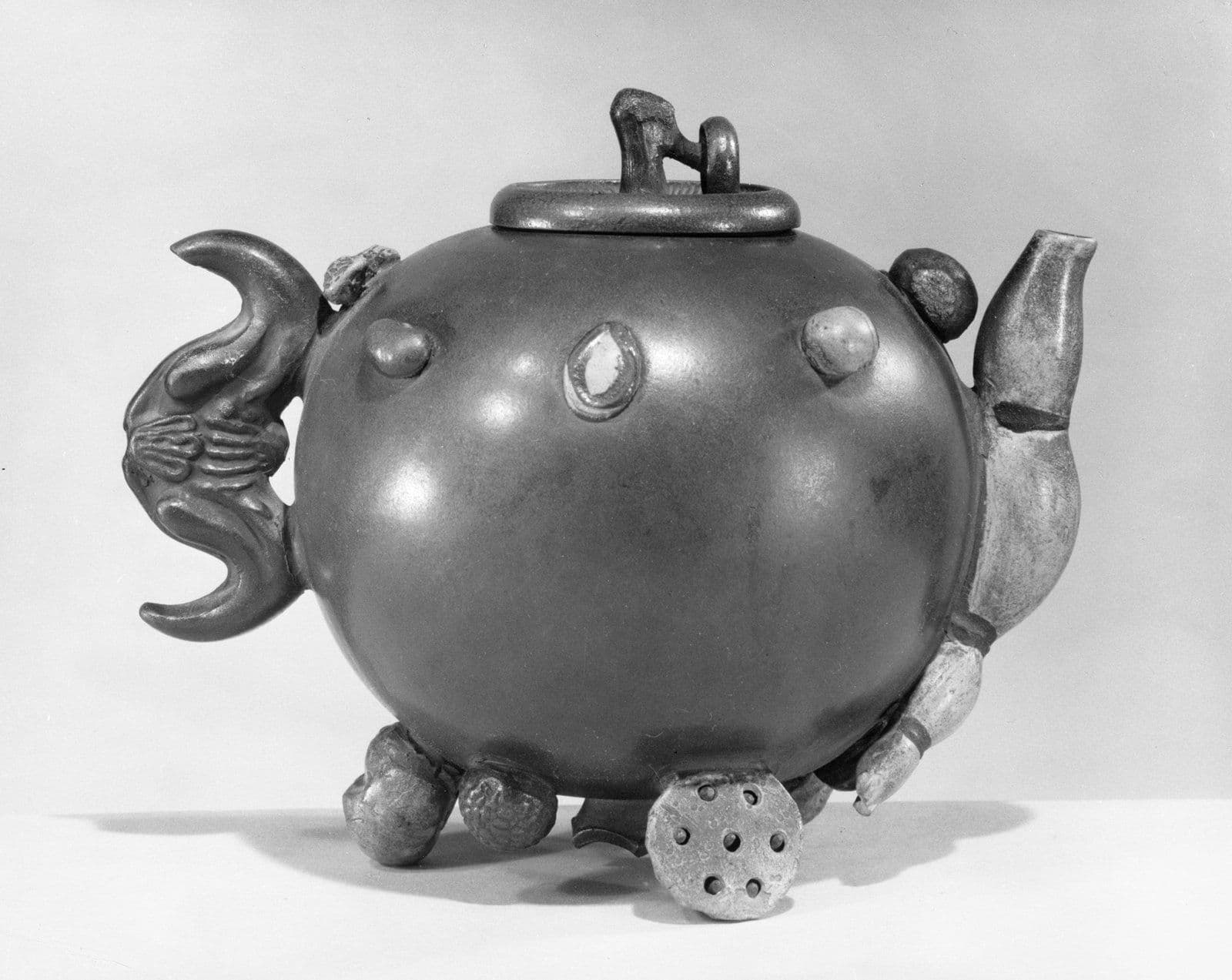
Yixing Teapots: A Collector's Guide to Zisha Stoneware
A guide to collecting Yixing teapots: zisha clay types, slab construction, the three families of form, reading seals, and how to spot a reproduction.
August 17, 20268 min read
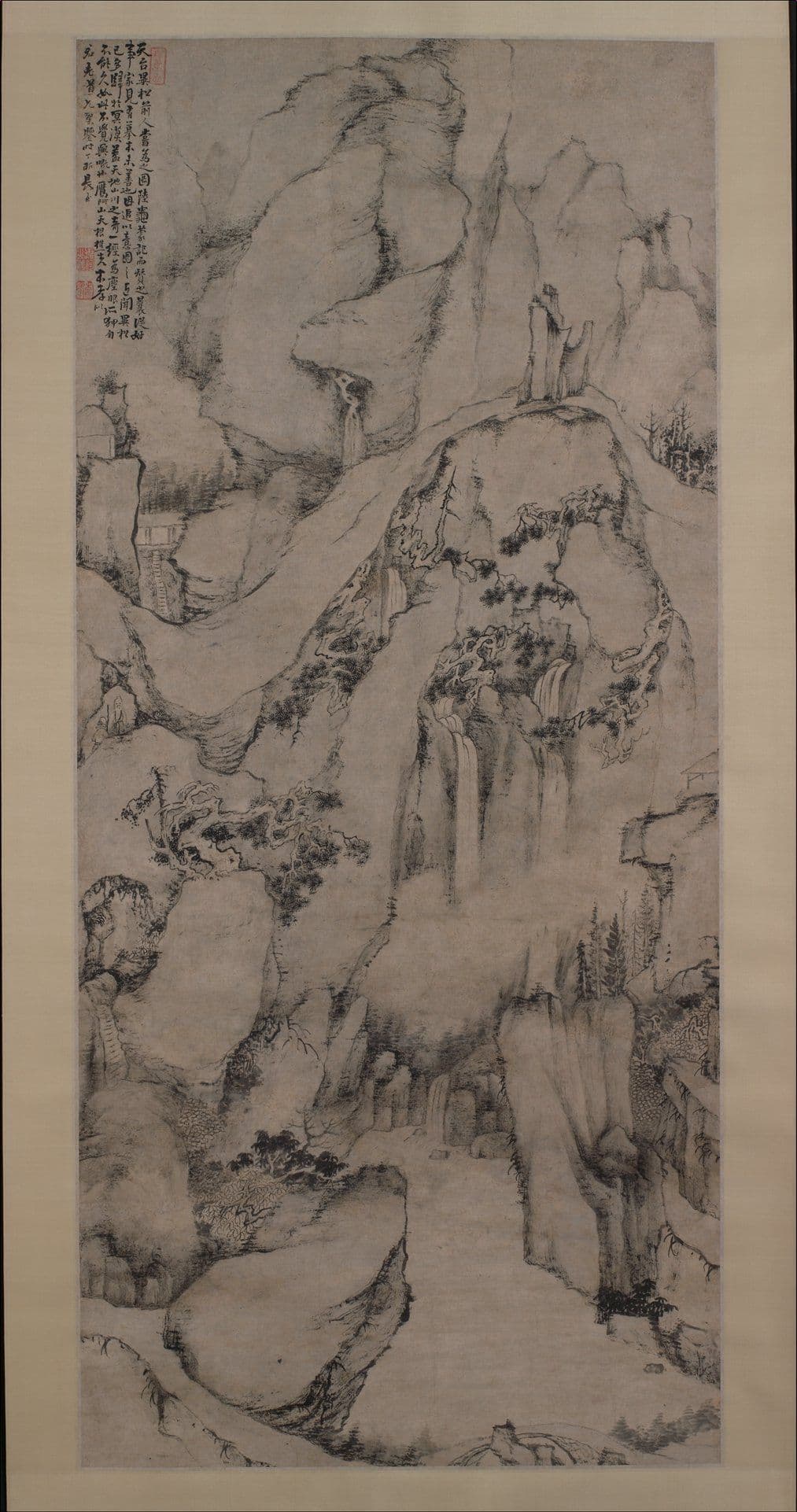
Pan Tianshou: A Collector's Guide to the Monumental Style
A collector's guide to Pan Tianshou: his monumental compositions, finger painting (zhimo), the subjects he returned to, and what to check before buying.
August 17, 20268 min read
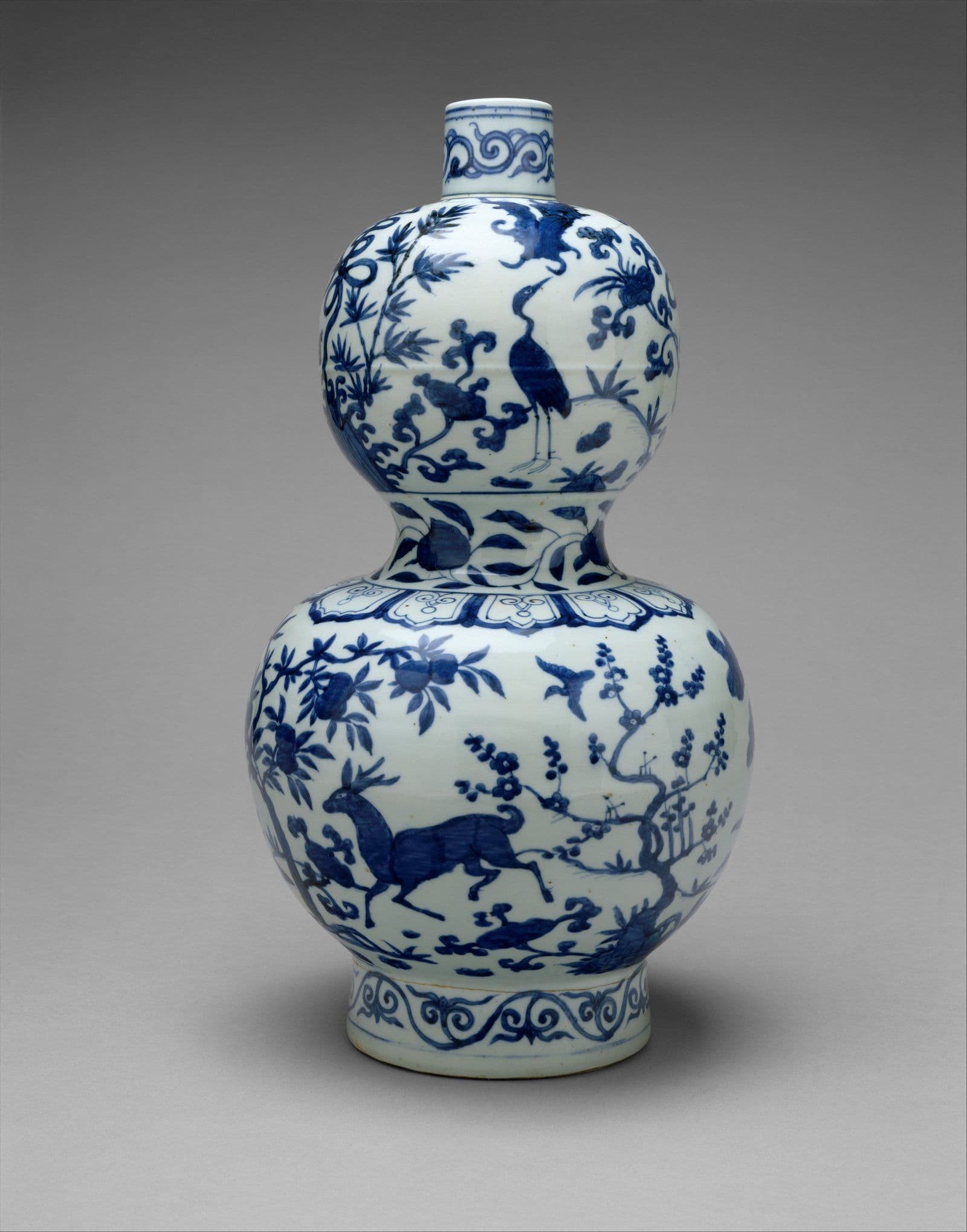
Jiajing Porcelain: A Collector's Guide to the Daoist Reign
A collector's guide to Jiajing porcelain: the Daoist iconography, huiqing cobalt, wucai enamels, the reign's kiln flaws, and how to test the mark.
August 16, 20269 min read
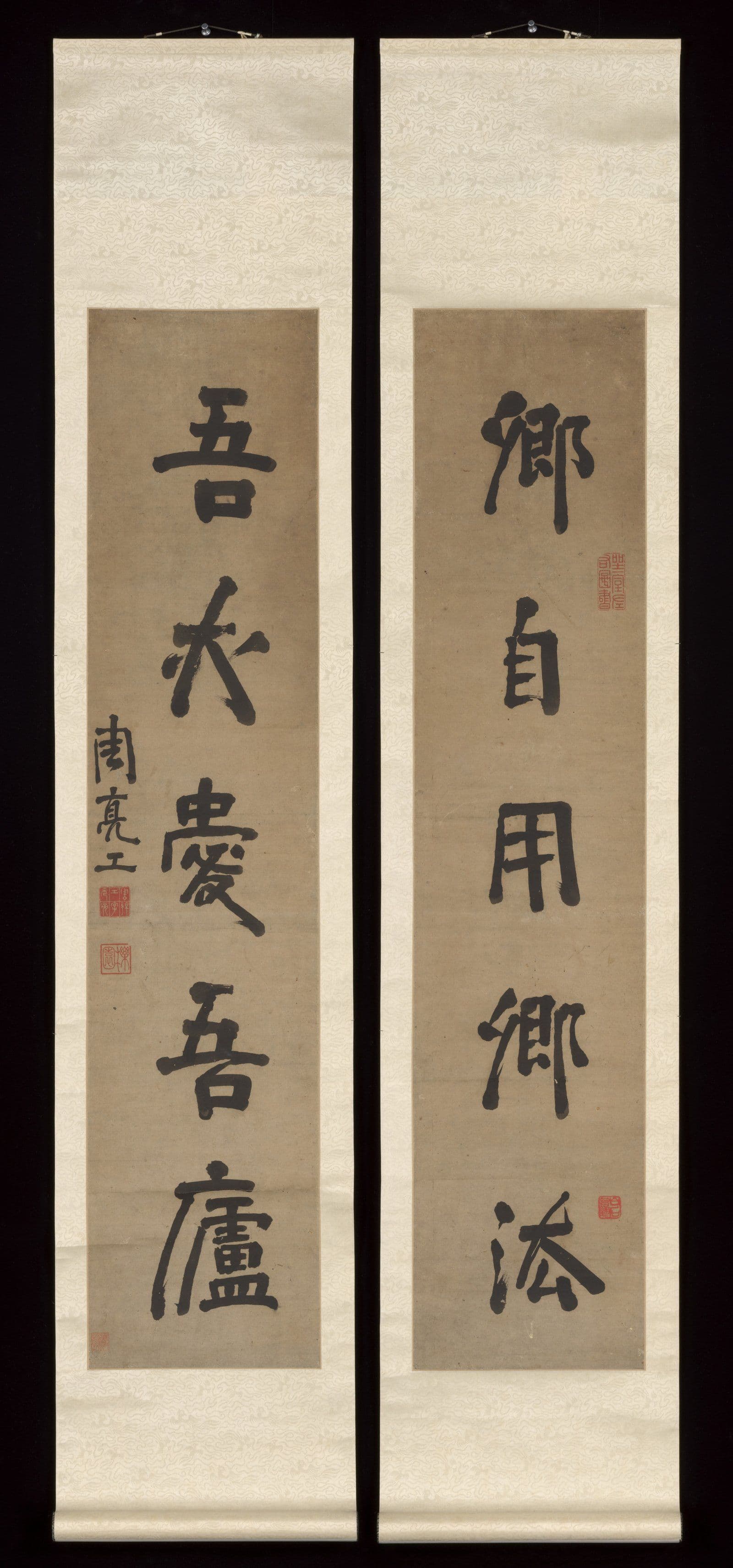
Chinese Calligraphy Couplets: The Format Collectors Actually Buy
A guide to Chinese calligraphy couplets (duilian): how to hang them, the composition rules, why the format reveals control, and what to check before buying.
August 16, 20269 min read
How to Frame Chinese Art on Paper: A Practical Guide
How to frame Chinese art on paper: hinges, rag mats and UV glazing, float mounts versus window mats, and when a scroll mount is the better choice.
August 16, 202610 min read
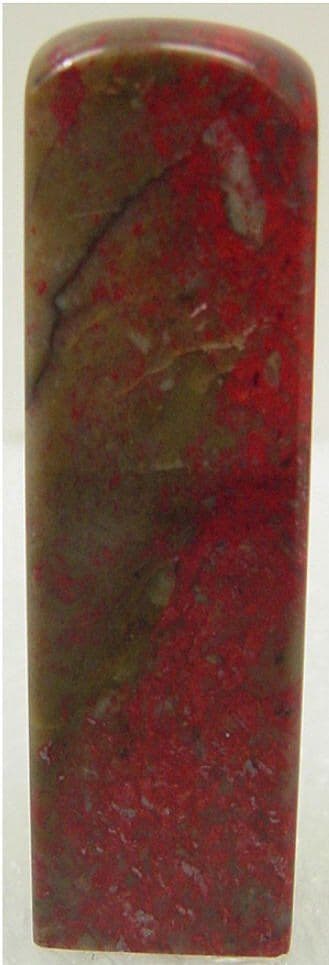
Chinese Seal Carving: How to Judge Stones and Knife Work
Chinese seal carving explained: the four famous stones, how knife work is judged, which schools matter, and what to check before buying a seal.
August 15, 20268 min read
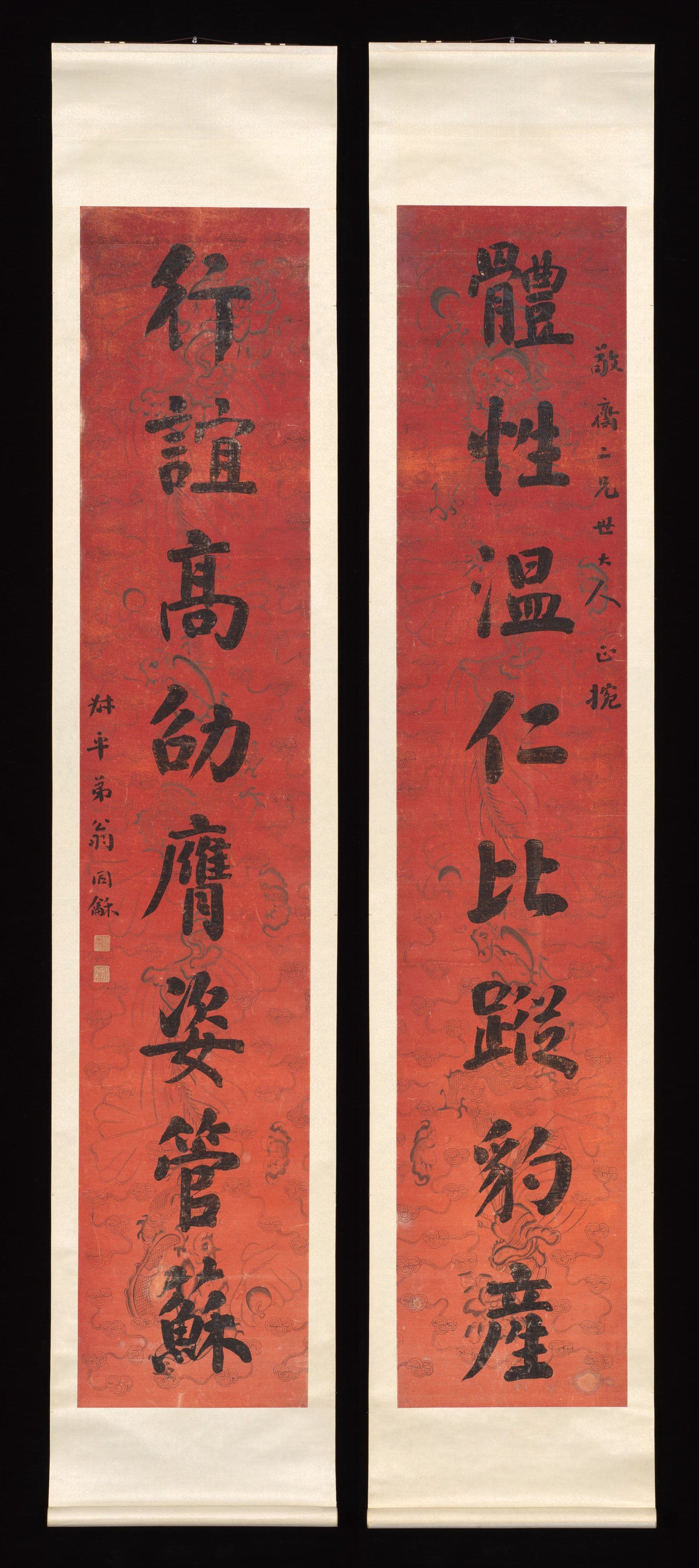
Chinese Regular Script (Kaishu): What It Is and How to Judge It
Regular script (kaishu) explained: the strokes that define it, how it grew out of clerical script, the four masters who fixed it, and how to judge a hand.
August 15, 20267 min read
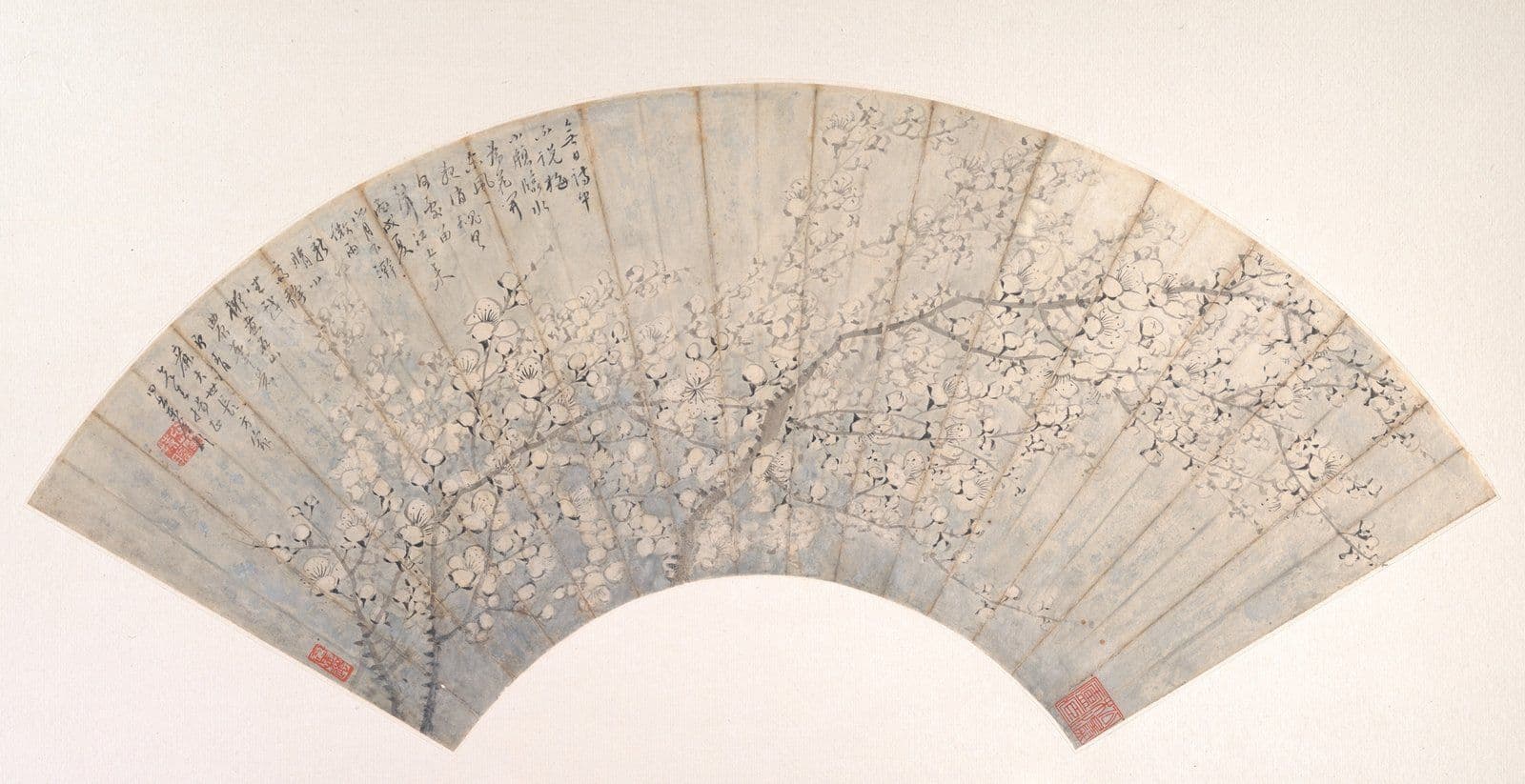
Guan Shanyue: A Collector's Guide to the Lingnan Master
A collector's guide to Guan Shanyue: his Lingnan school training, the wartime travels, plums and landscapes, and how to assess works bearing his name.
August 15, 20268 min read
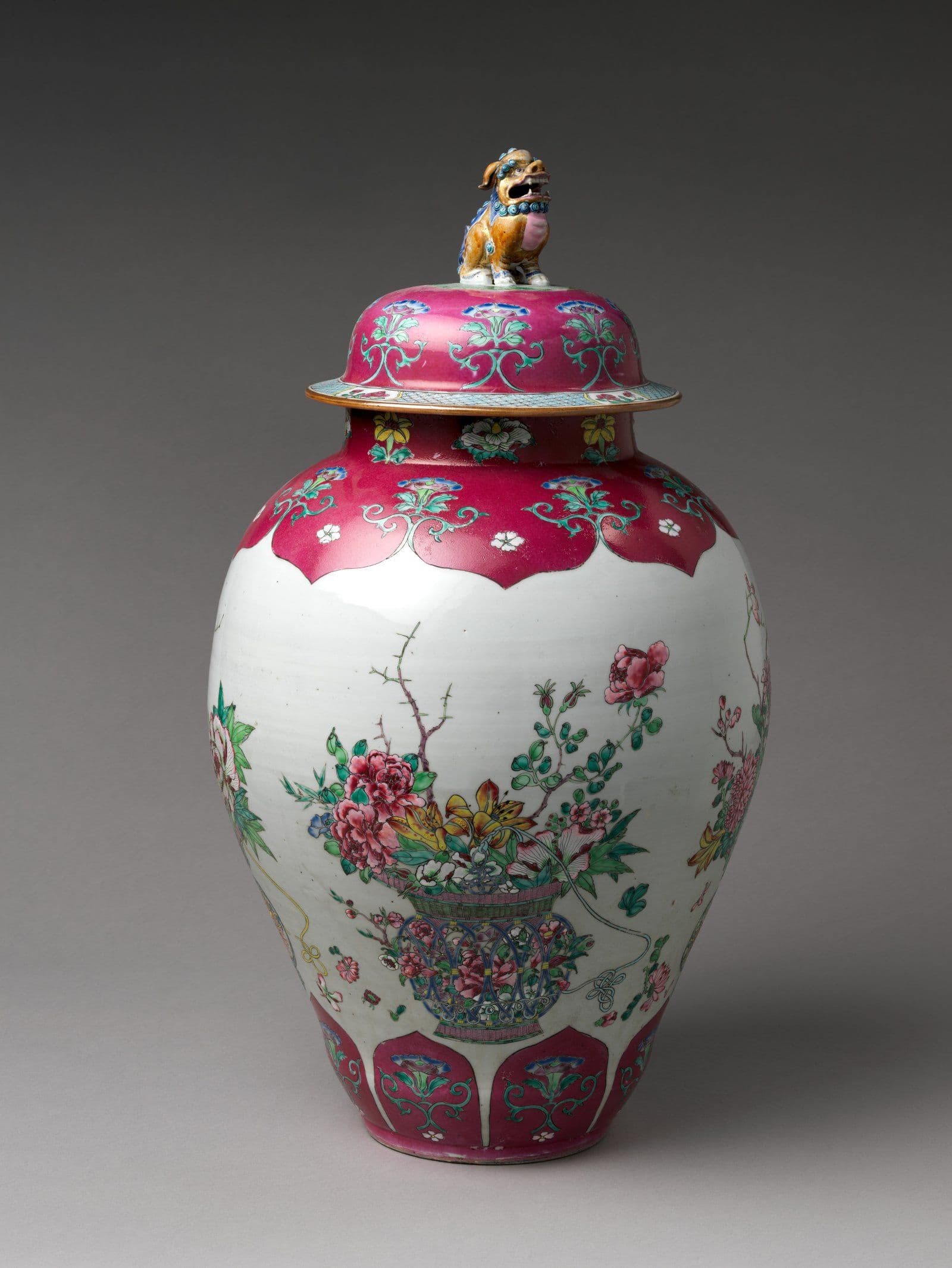
Daoguang Porcelain: What Changed, and How to Read It
A collector's guide to Daoguang porcelain (1821-1850): the seal-script reign mark, Shendetang hall wares, imperial versus commercial output, and what to check.
August 14, 20269 min read
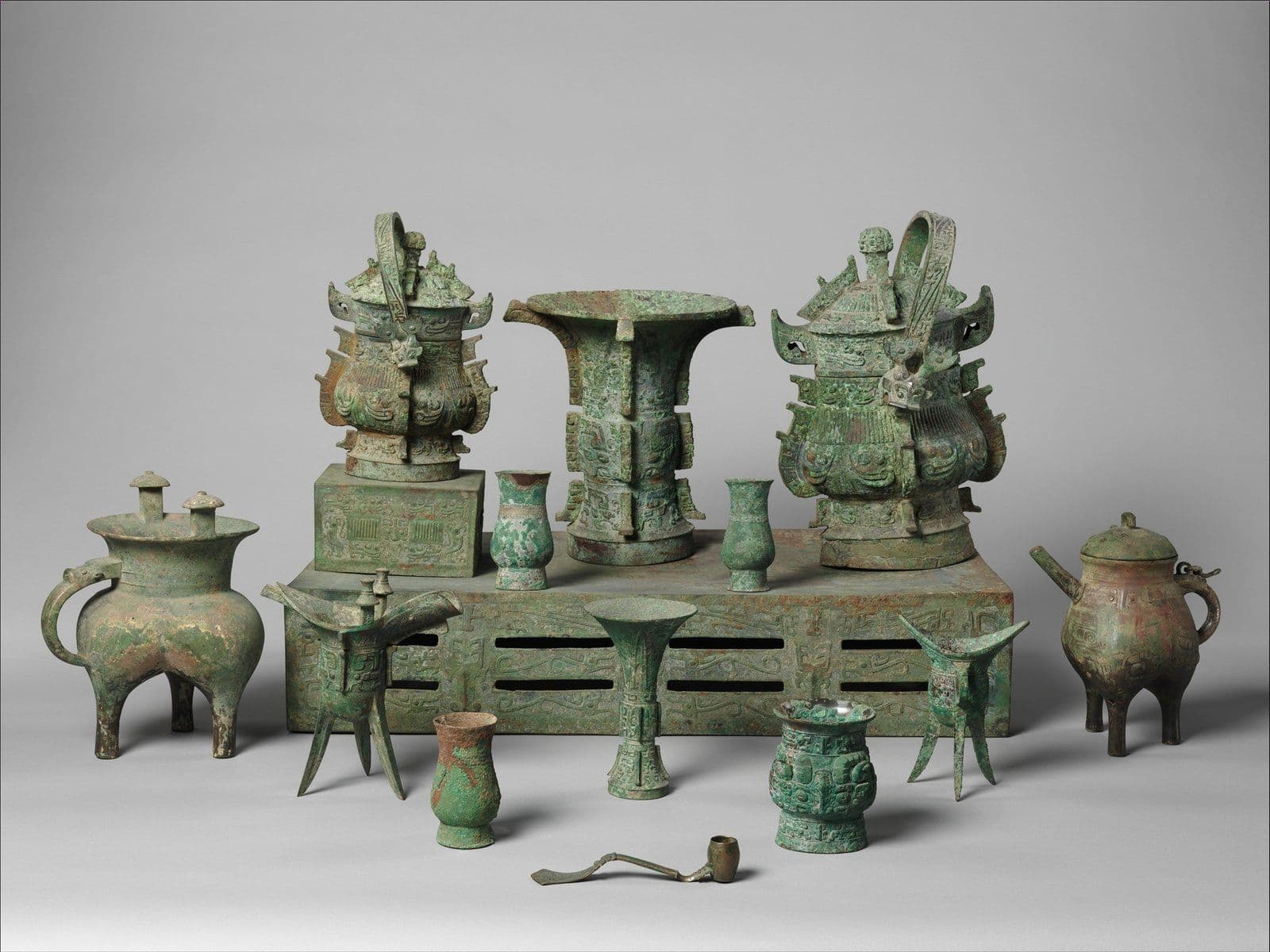
Chinese Bronze Vessels: Shapes, Inscriptions and Fakes
A collector's guide to Chinese bronze vessels: the main ritual types, reading cast inscriptions, spotting later copies, and the provenance questions to ask.
August 14, 20269 min read
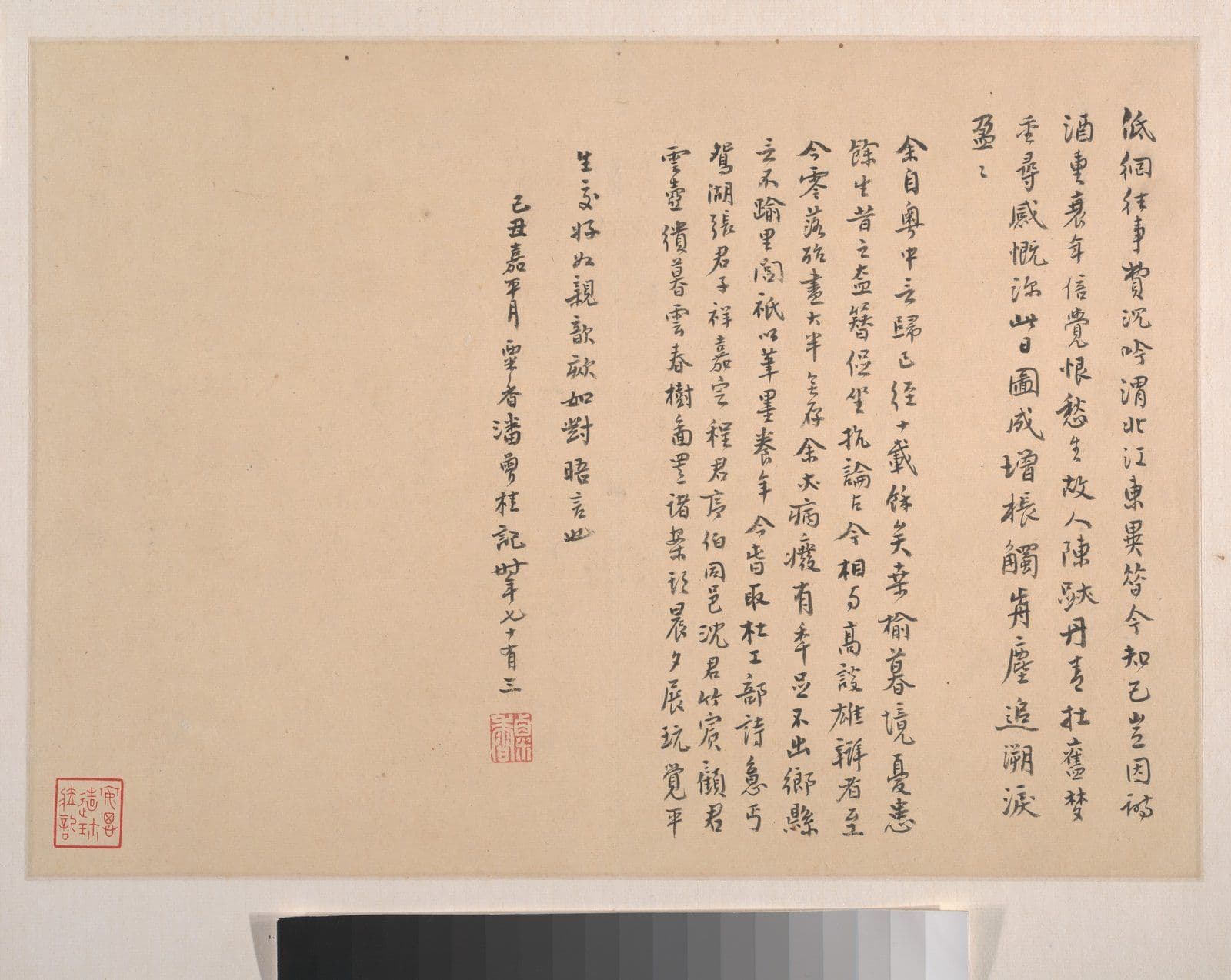
Xingshu Explained: Chinese Running Script and How to Judge It
Xingshu, the Chinese running script, explained: how it sits between kaishu and caoshu, the three canonical works, and how to judge one piece.
August 14, 20269 min read
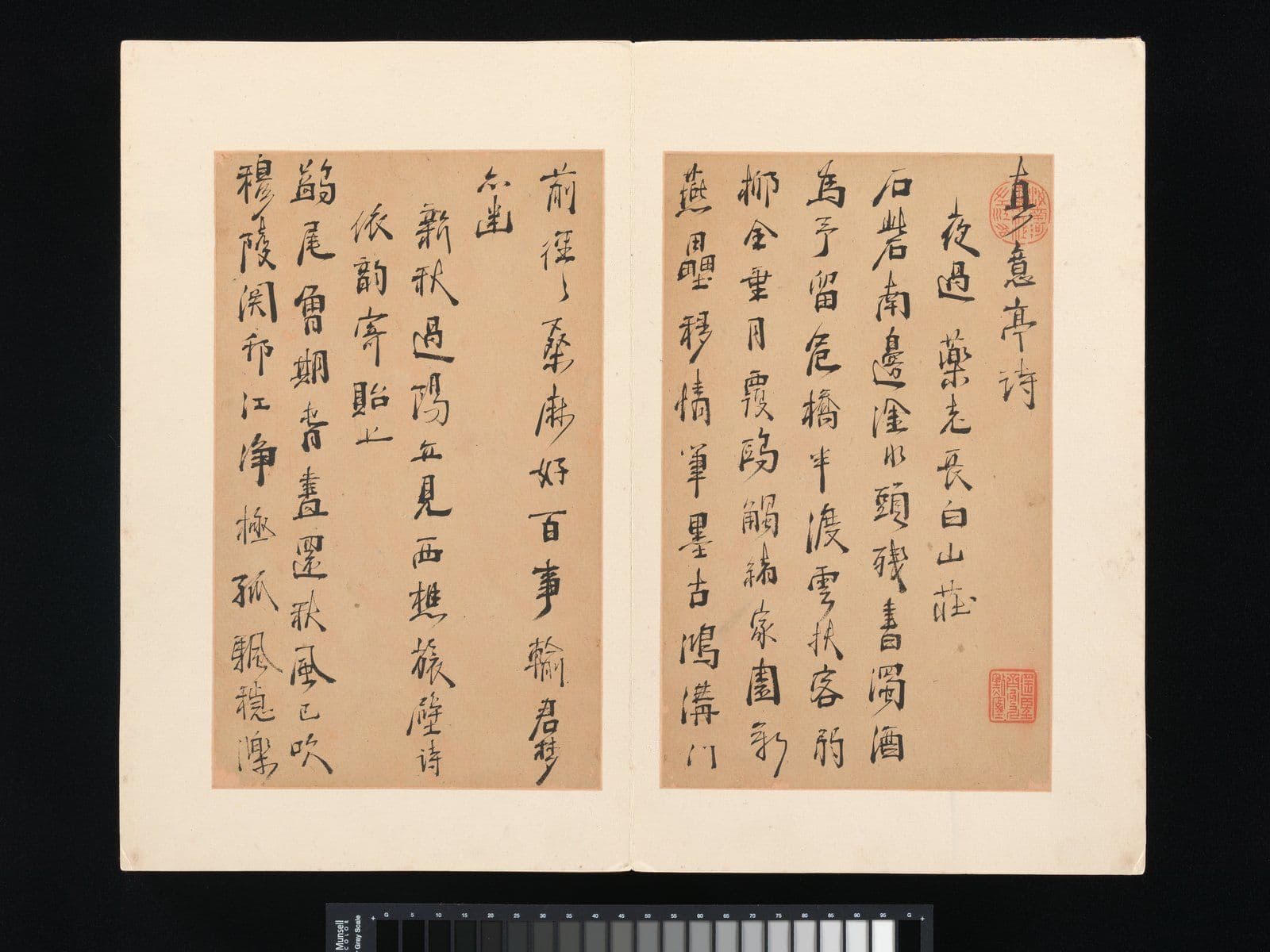
Caoshu Calligraphy: Chinese Cursive Script and How to Read It
Caoshu explained: the zhangcao, jincao and wild cursive scripts, how cursive abbreviations work, and how to judge real brush control at speed.
August 13, 20268 min read
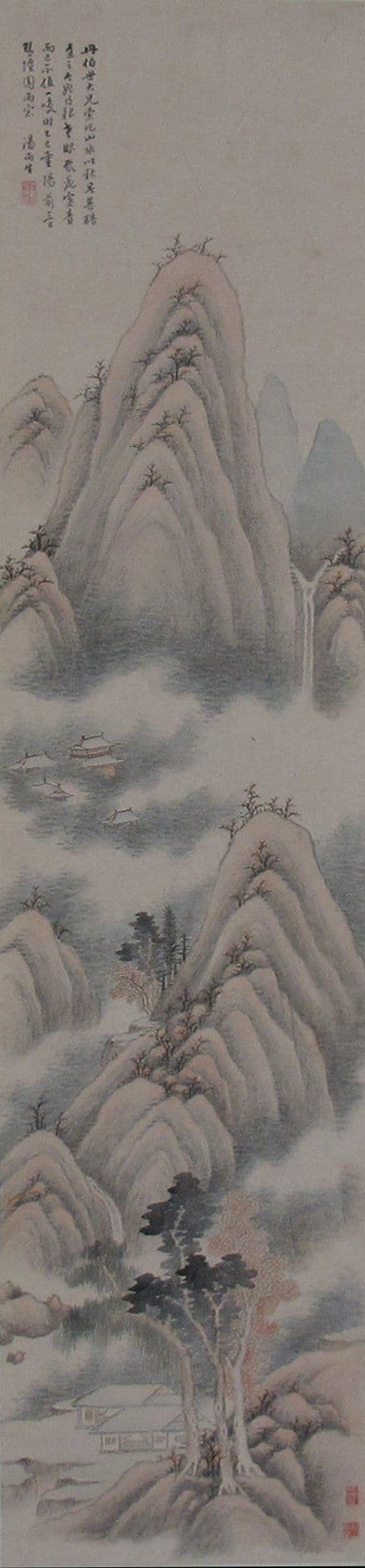
Chinese Hanging Scrolls: Format, Mounting and Display
The Chinese hanging scroll explained: the parts of the mount, why scrolls were rotated rather than left hanging, and how to display and store one today.
August 13, 20268 min read
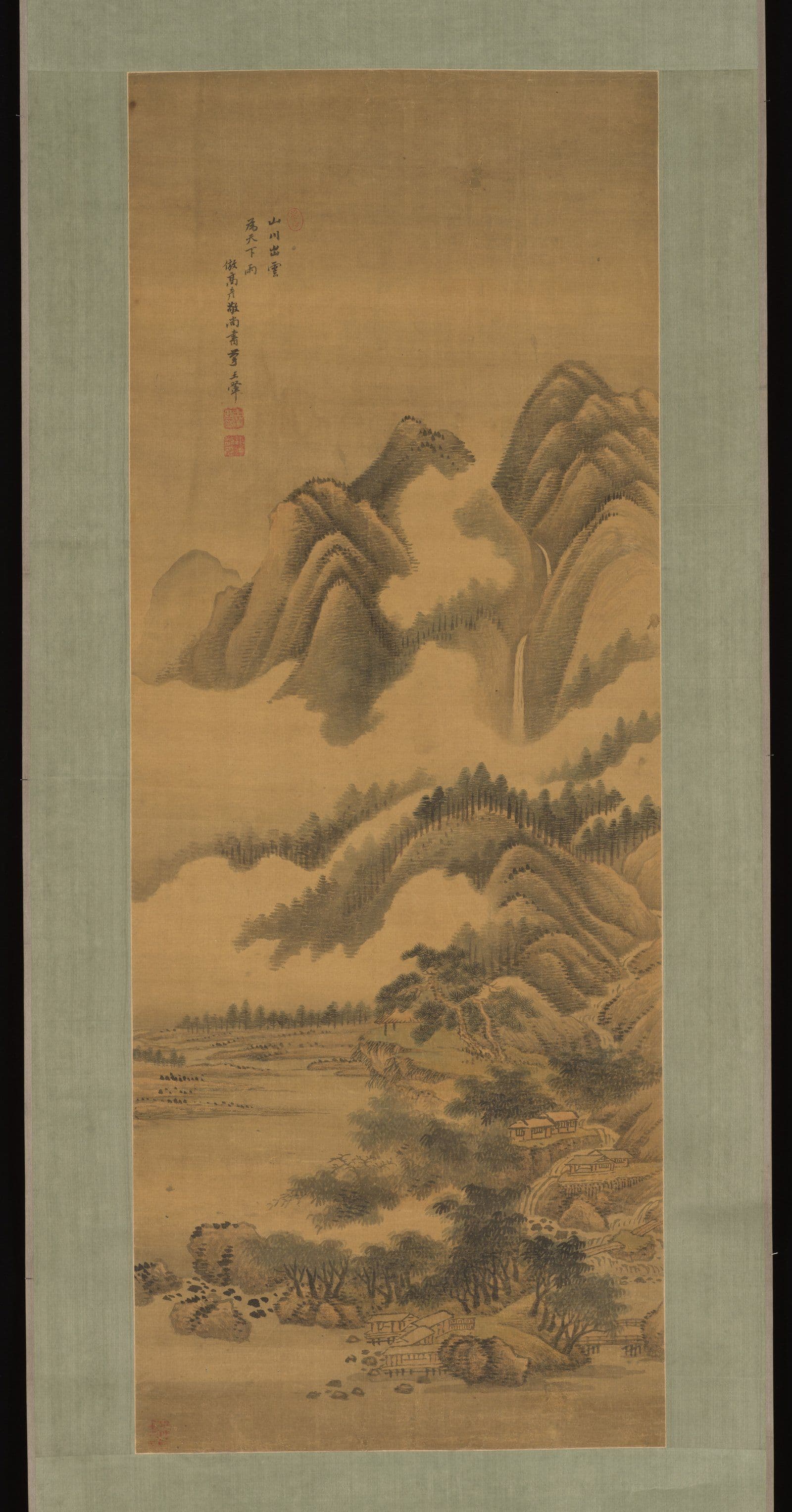
Huang Binhong: A Collector's Guide to the Late Style
A collector's guide to Huang Binhong: the scholar-painter's long road to the dense late landscapes, his brush and ink theory, and how his work is checked.
August 13, 20269 min read
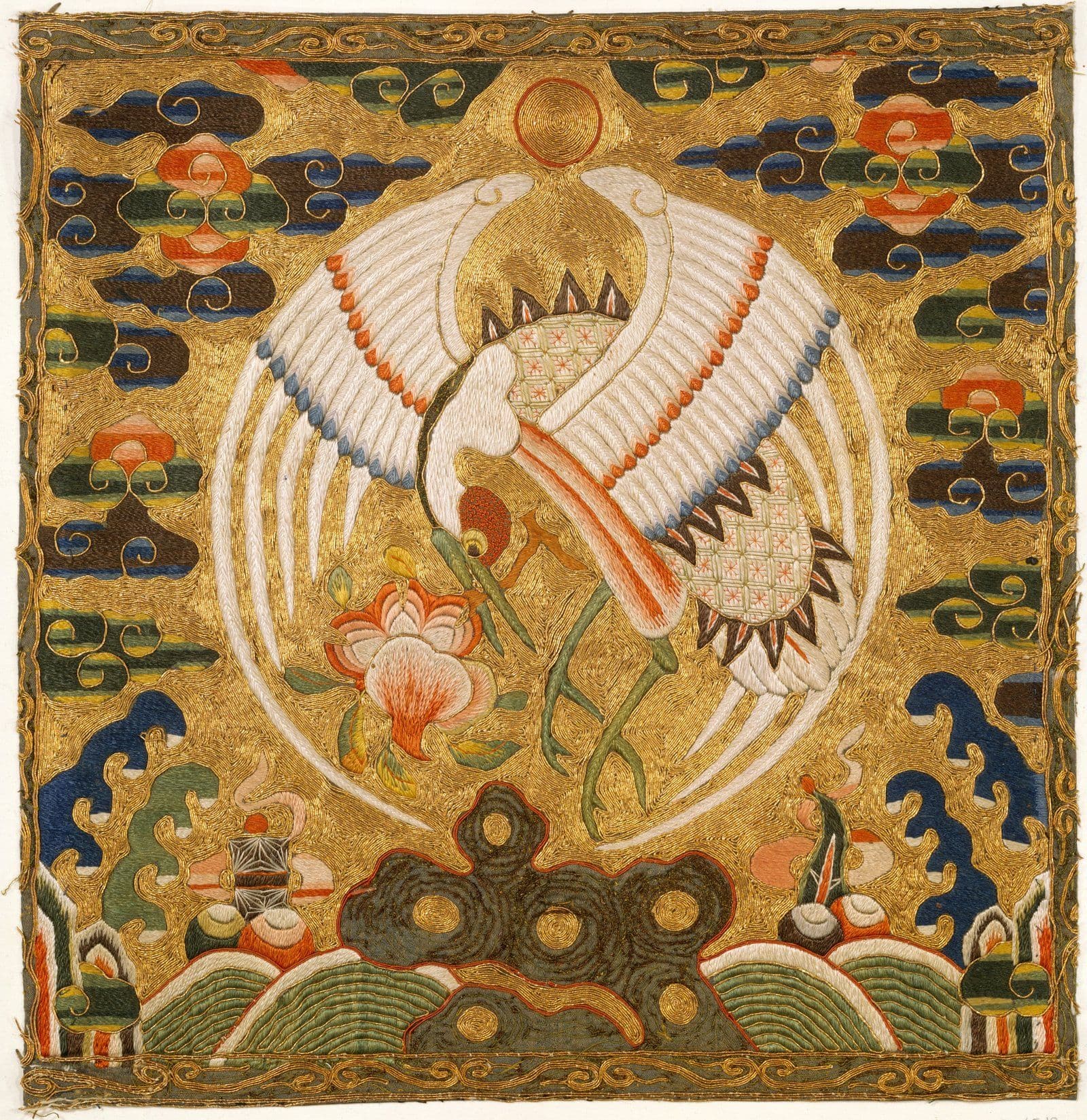
Chinese Ancestor Portraits: A Collector's Guide
Chinese ancestor portraits explained: why they are unsigned, how to read rank badges and court dress, and what condition problems to expect.
August 12, 20269 min read
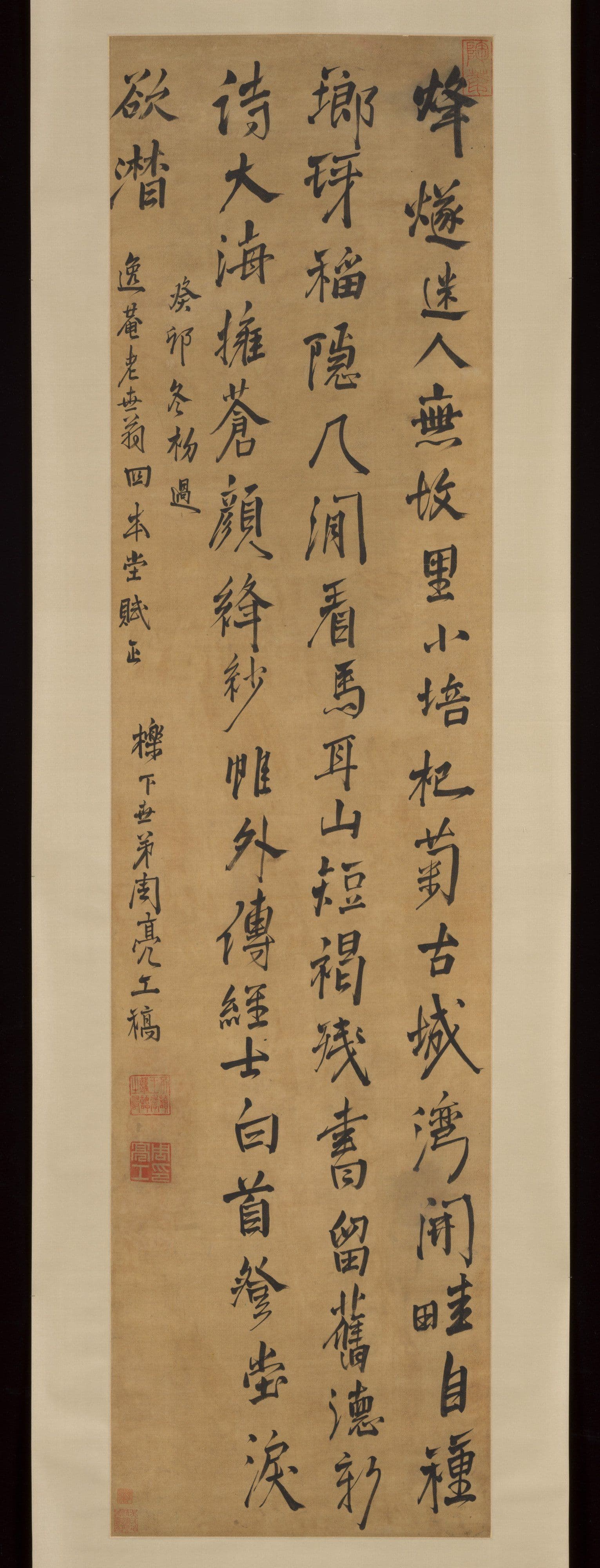
Qi Gong Calligraphy: A Collector's Guide to His Hand
Qi Gong calligraphy explained: the man who declined an imperial surname, the structural theory behind his slender script, and how to assess a sheet.
August 12, 20268 min read
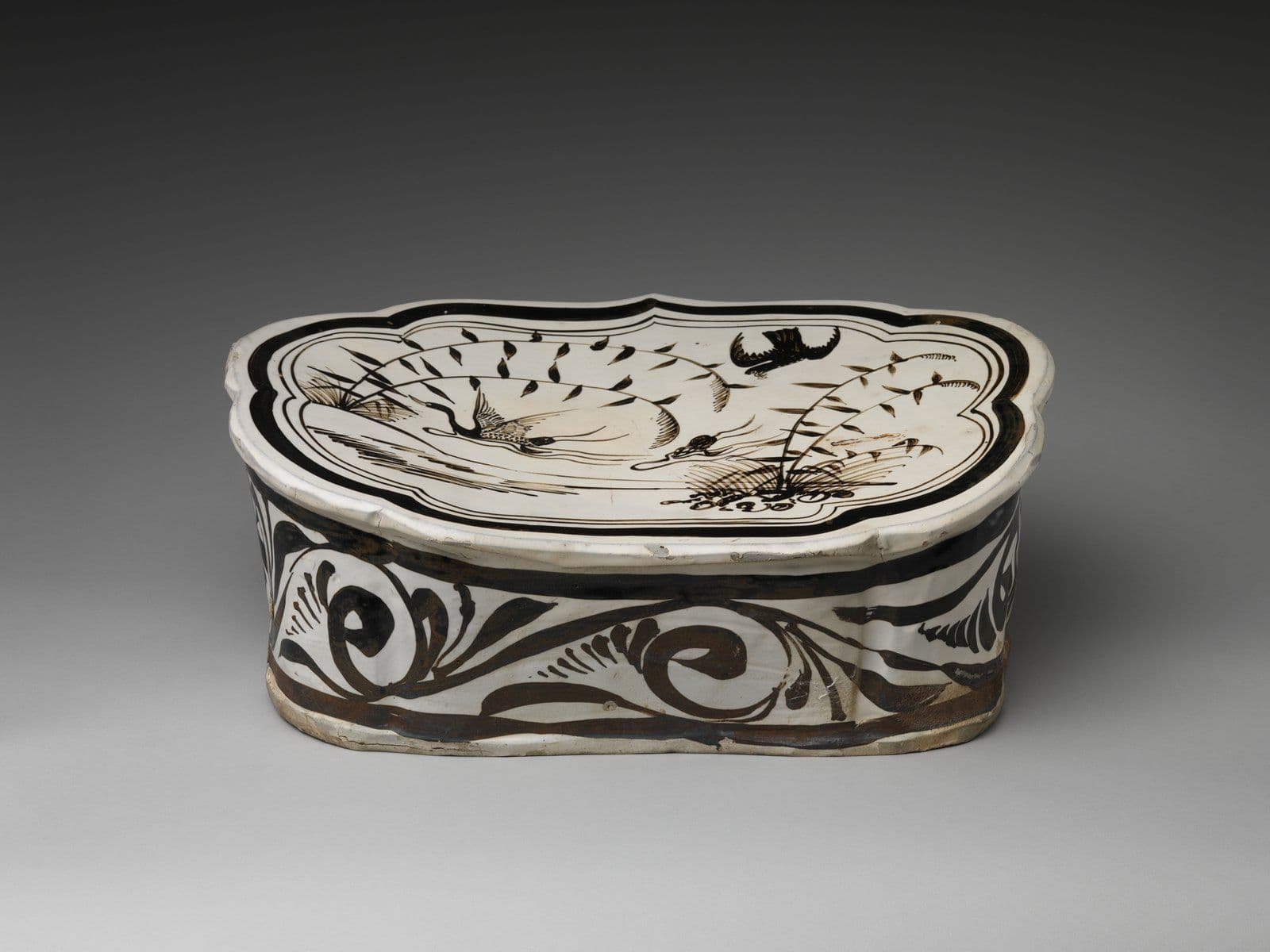
Cizhou Ware: A Collector's Guide to Painted Stoneware
Cizhou ware explained: the white slip ground, sgraffito and iron-brown painting, workshop-marked pillows, and what separates period pieces from copies.
August 12, 20269 min read
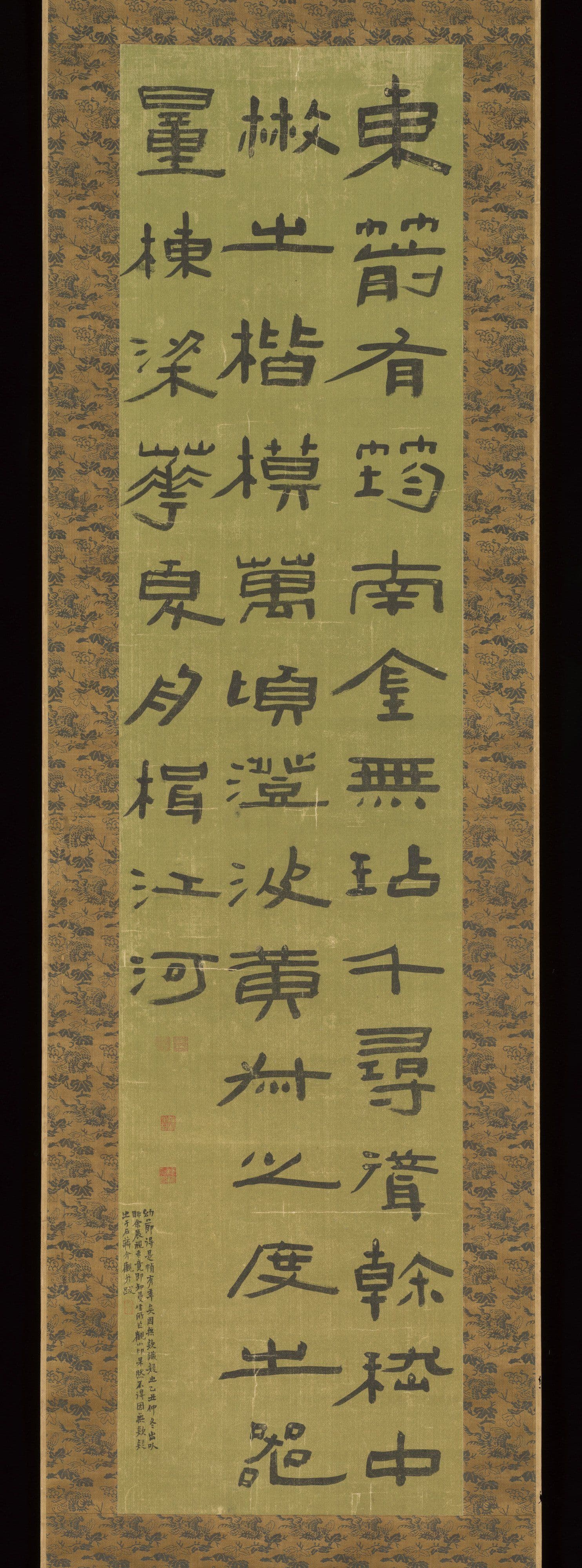
Clerical Script (Lishu): Chinese Calligraphy Style Explained
Clerical script (lishu) explained: the Han dynasty hand of Chinese calligraphy, its flared wave stroke and wide flat proportions, and how to recognise it.
August 11, 20269 min read
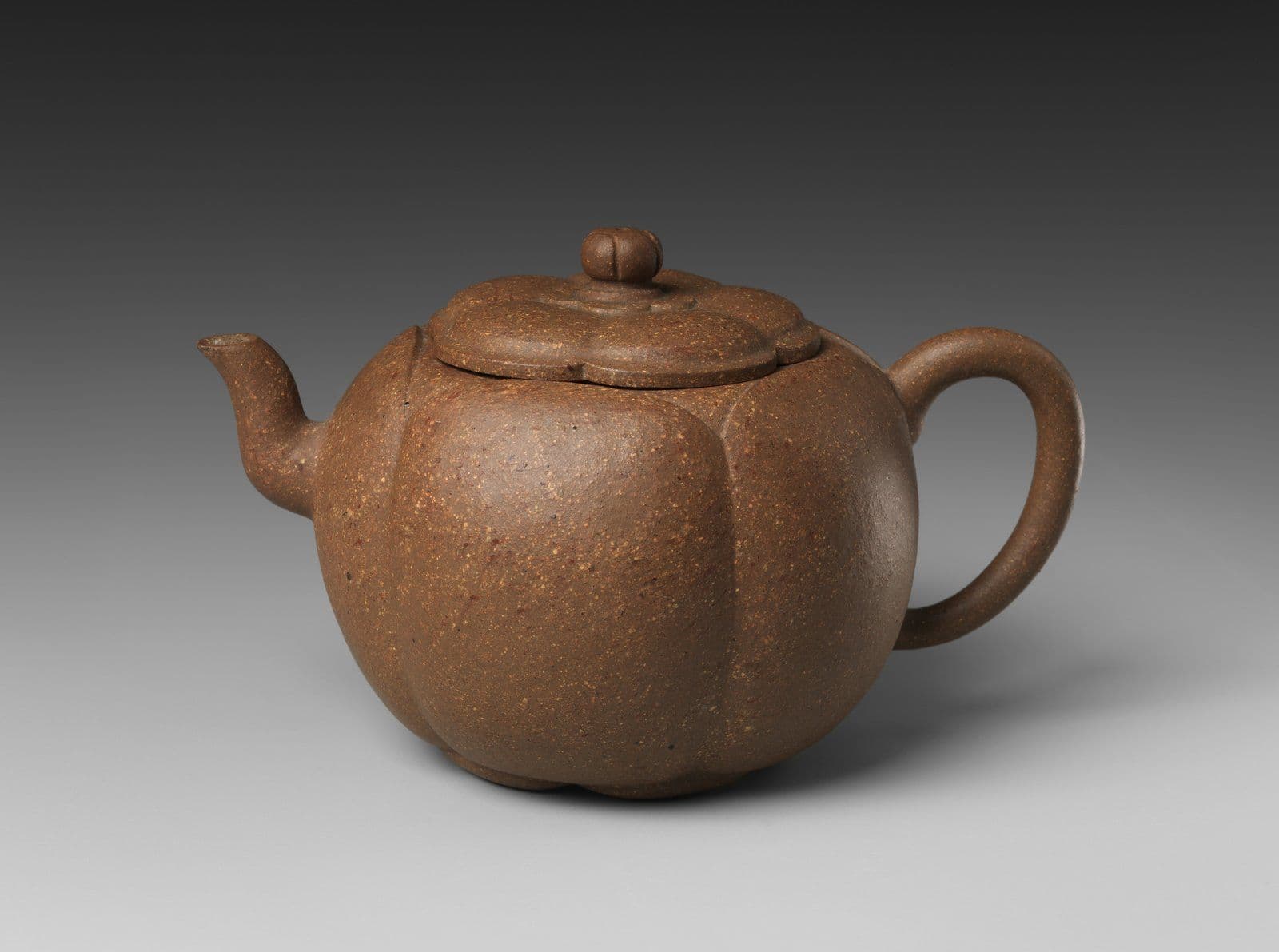
Chinese Pottery Marks: Reading Stoneware, Yixing and Shiwan
Chinese pottery marks explained: impressed potter's seals on Yixing teapots, Shiwan figures and Cizhou stoneware, and what a pottery mark can prove.
August 11, 20268 min read
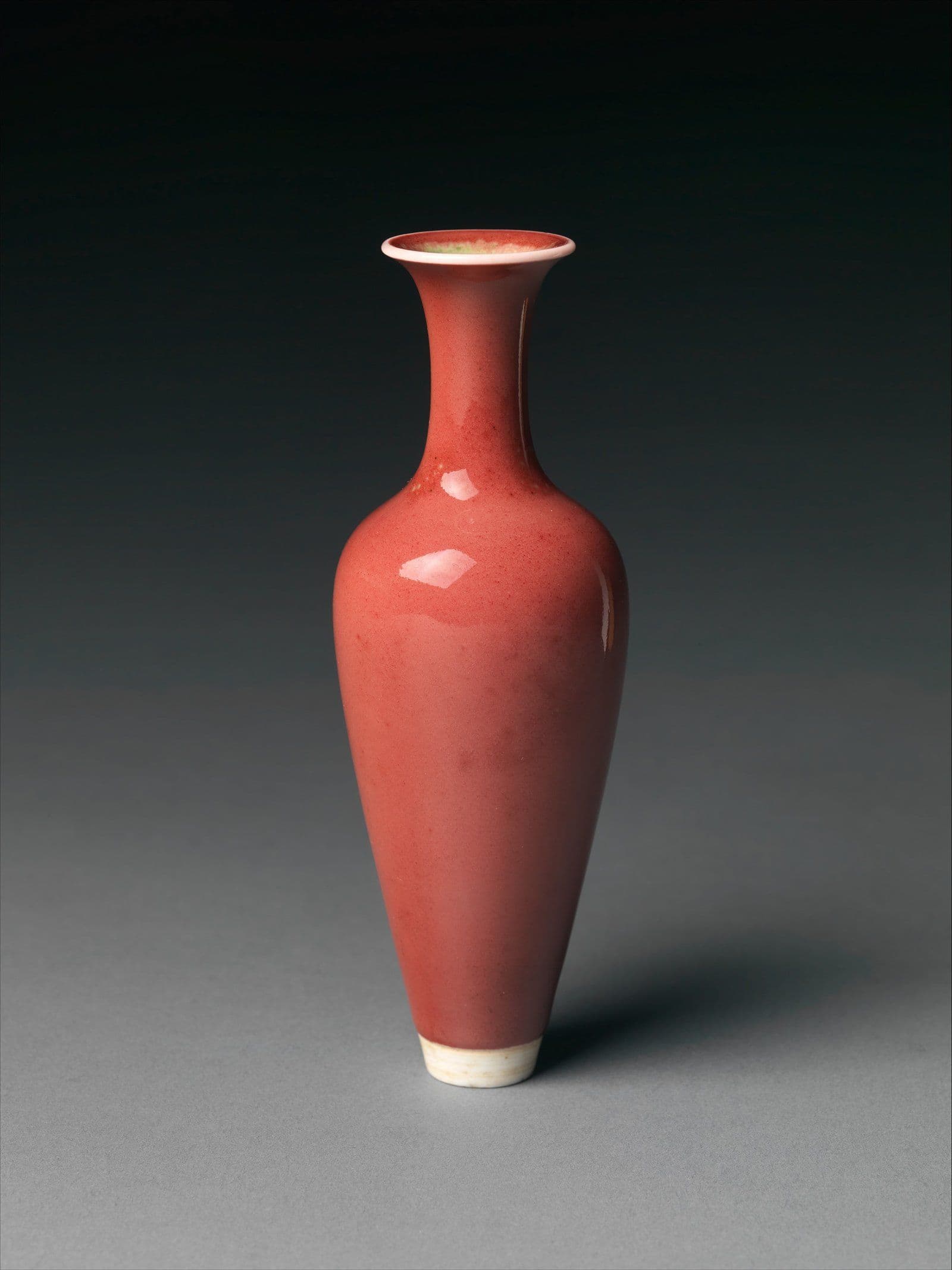
How to Identify Late Qing Porcelain, Step by Step
How to identify late Qing porcelain step by step: reading the body and glaze, the foot rim, the enamel palette, and why the reign mark comes last.
August 11, 20269 min read
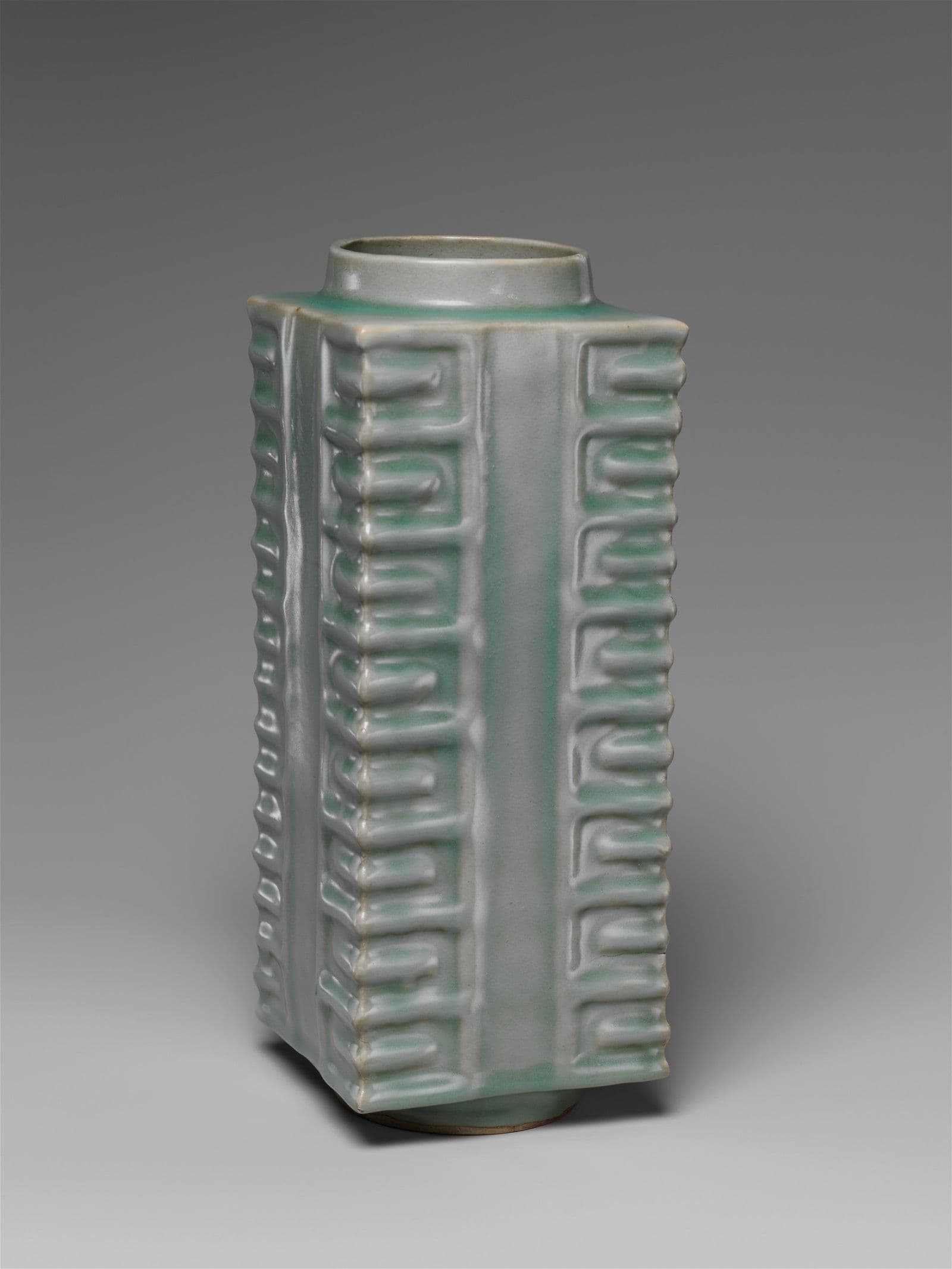
Most Expensive Chinese Porcelain: $37.7M Washer, $36M Chicken Cup
The auction records for Chinese porcelain: the 2017 Ru brush washer at $37.7M, the Chenghua chicken cup, the Qianlong vases, and what the prices mean.
August 10, 20268 min read
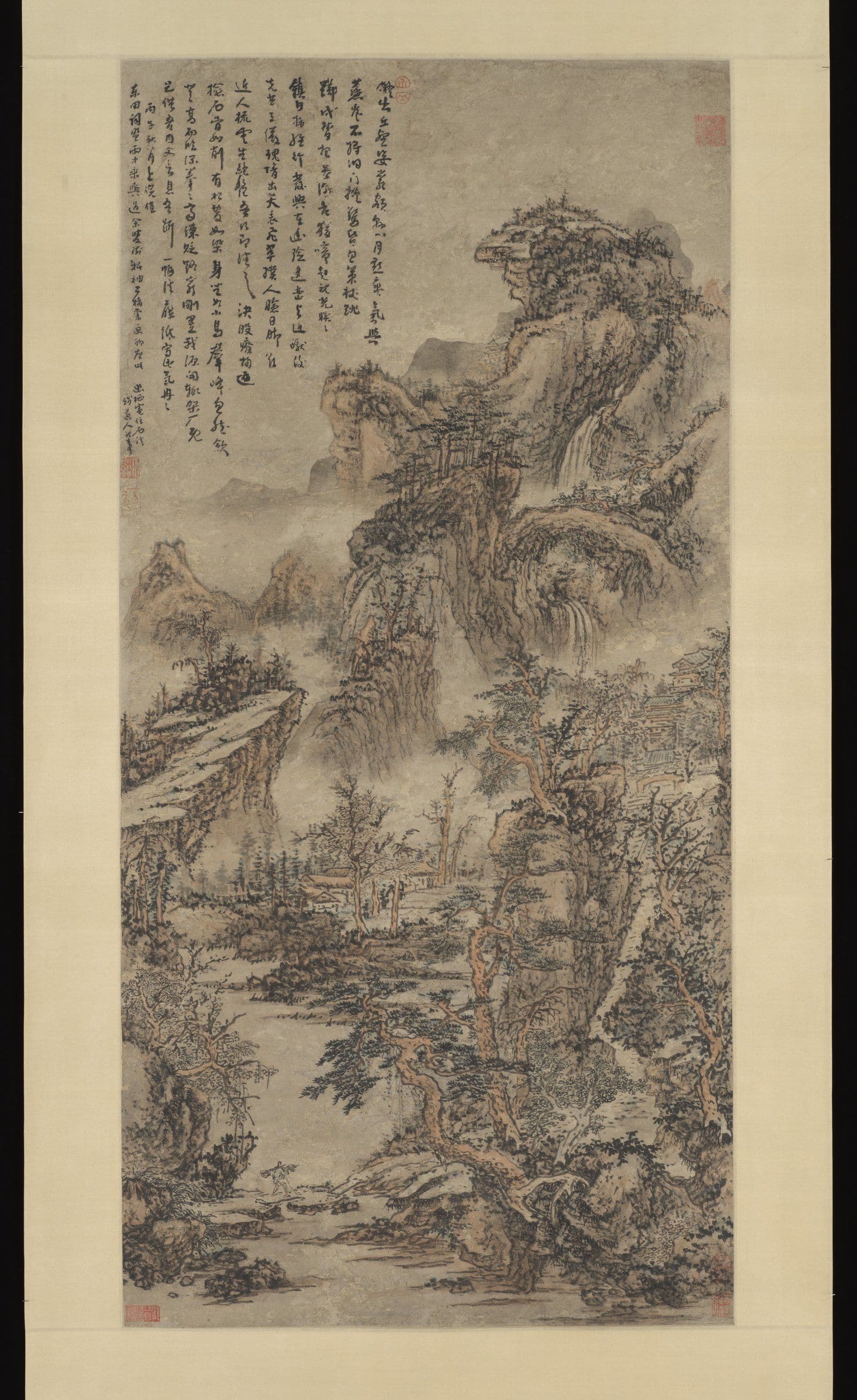
Li Keran: A Collector's Guide to the Ink Mountains
A collector's guide to Li Keran: his accumulated-ink landscapes, the buffalo and red-mountain subjects, how the market sorts his periods, and how his work is checked.
August 10, 20268 min read
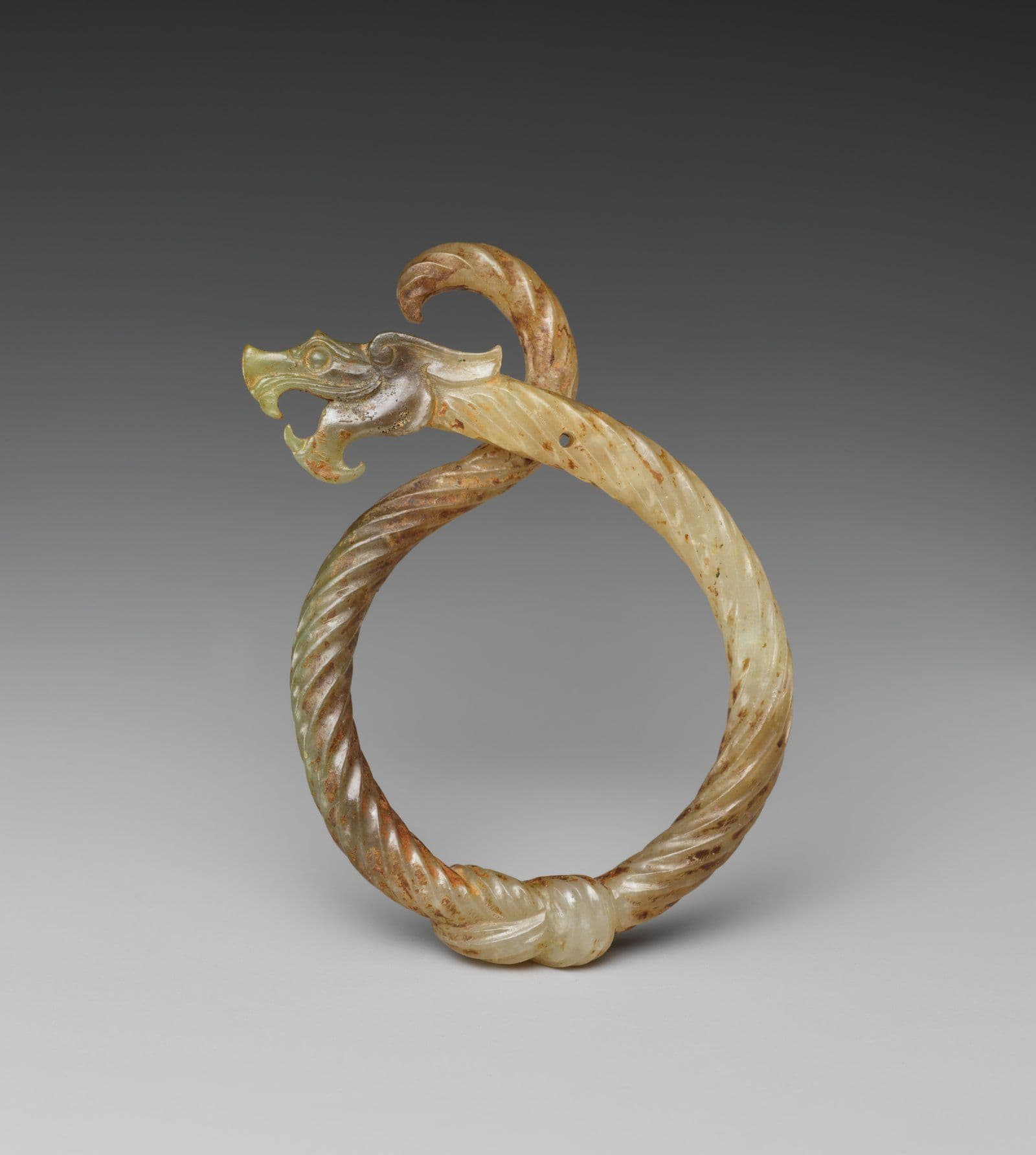
How to Identify a Chinese Artist's Seal, Step by Step
Chinese artist seal identification, step by step: photographing the impression, reading order, relief vs intaglio, seal types, and matching against seal albums.
August 10, 20269 min read
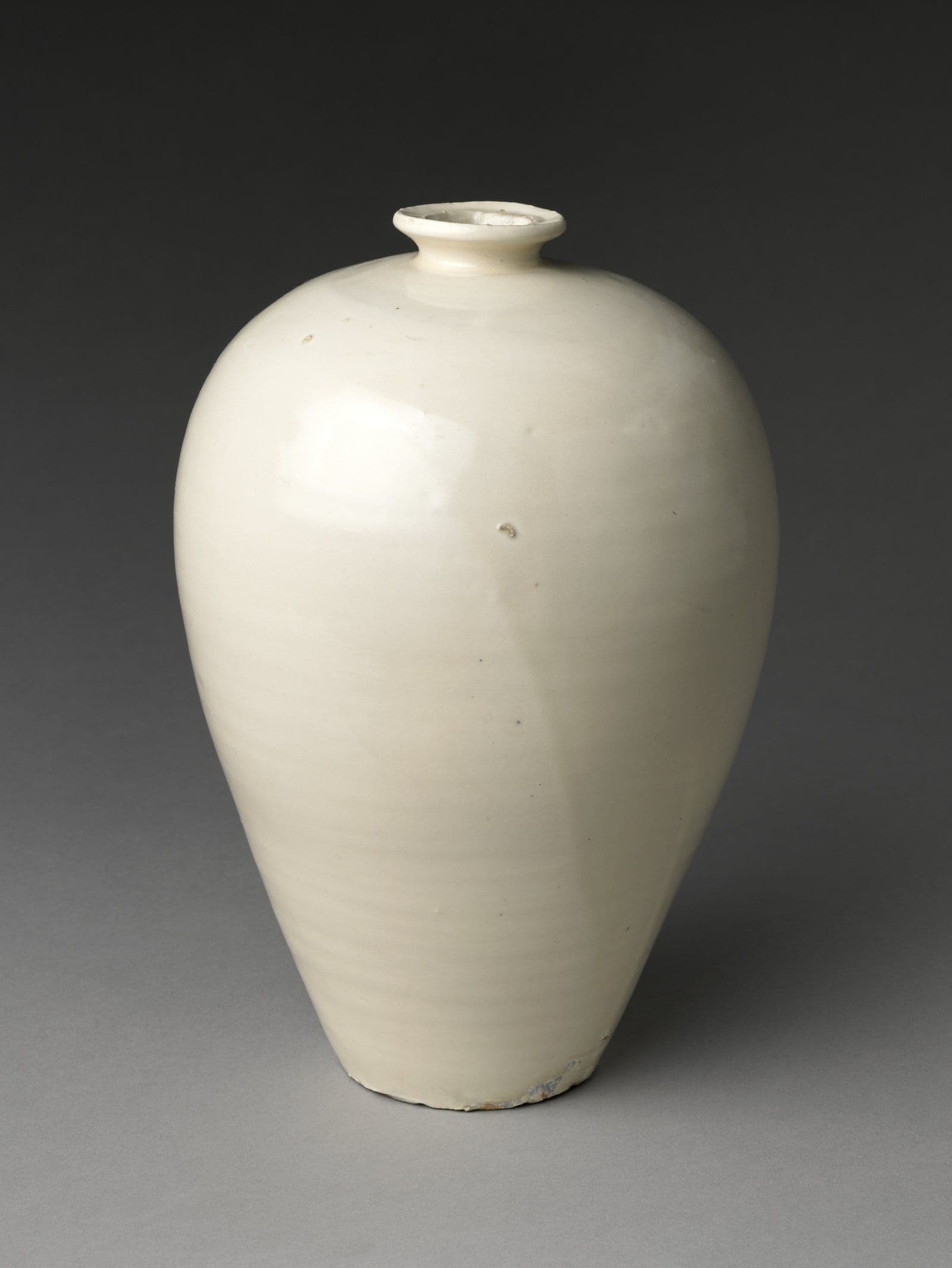
Chinese Vase Shapes Explained: Meiping, Hu, Gu and More
Chinese vase shapes explained: meiping, yuhuchunping, tianqiuping, gu, zun, rouleau and moonflask, and how shape works as a dating clue.
August 8, 20268 min read
Huang Zhou: A Collector's Guide to the Xinjiang Figure Painter
A collector's guide to Huang Zhou: his sketch-from-life method, the Xinjiang figures and donkeys, what the market values, and how his work is checked.
August 8, 20268 min read
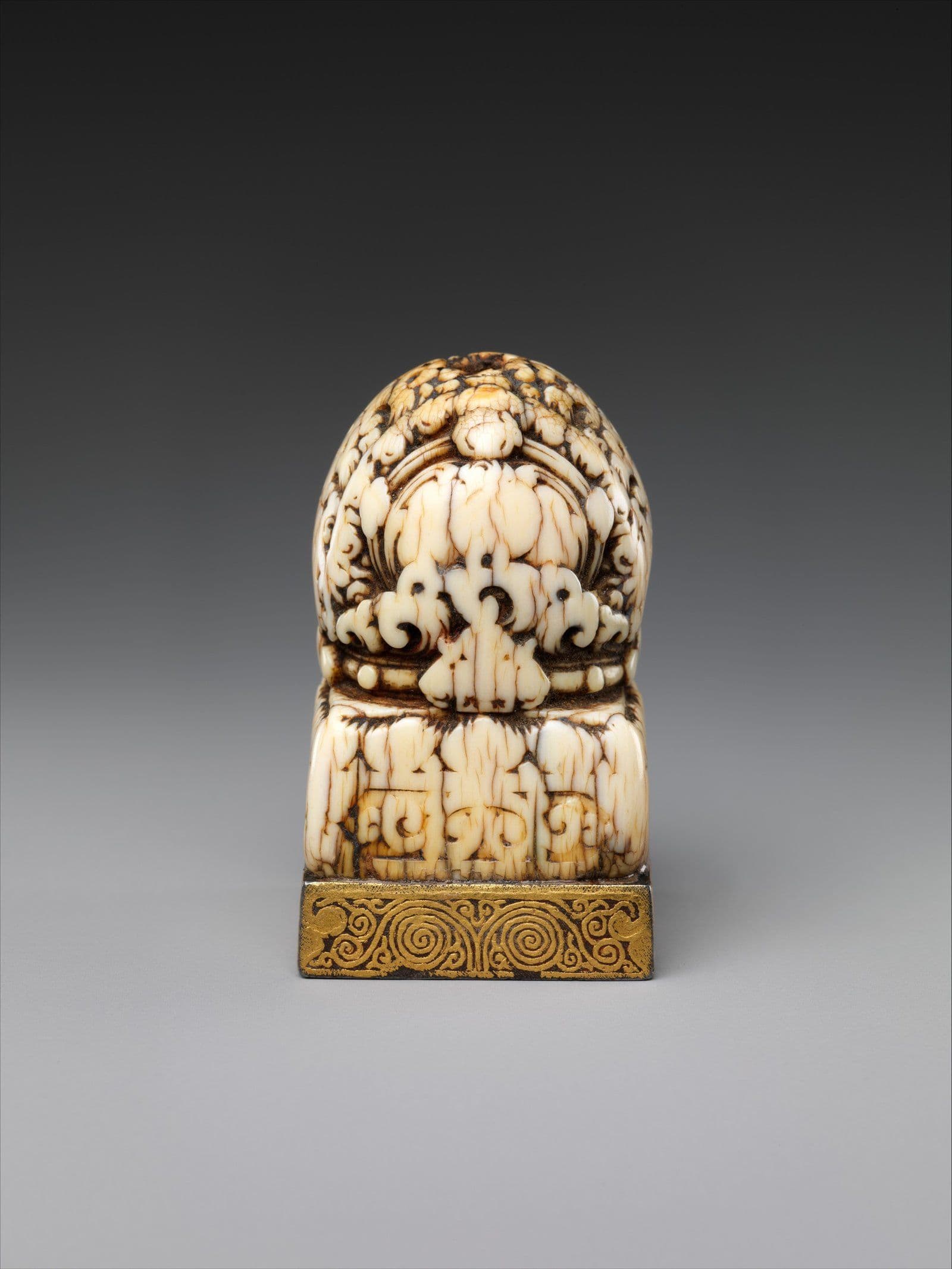
Zhuanshu Seal Script: How to Read the Oldest Chinese Hand
Zhuanshu explained: great and small seal script, why carved seals kept the oldest Chinese hand alive, and how to read the red square on a painting.
August 8, 20269 min read
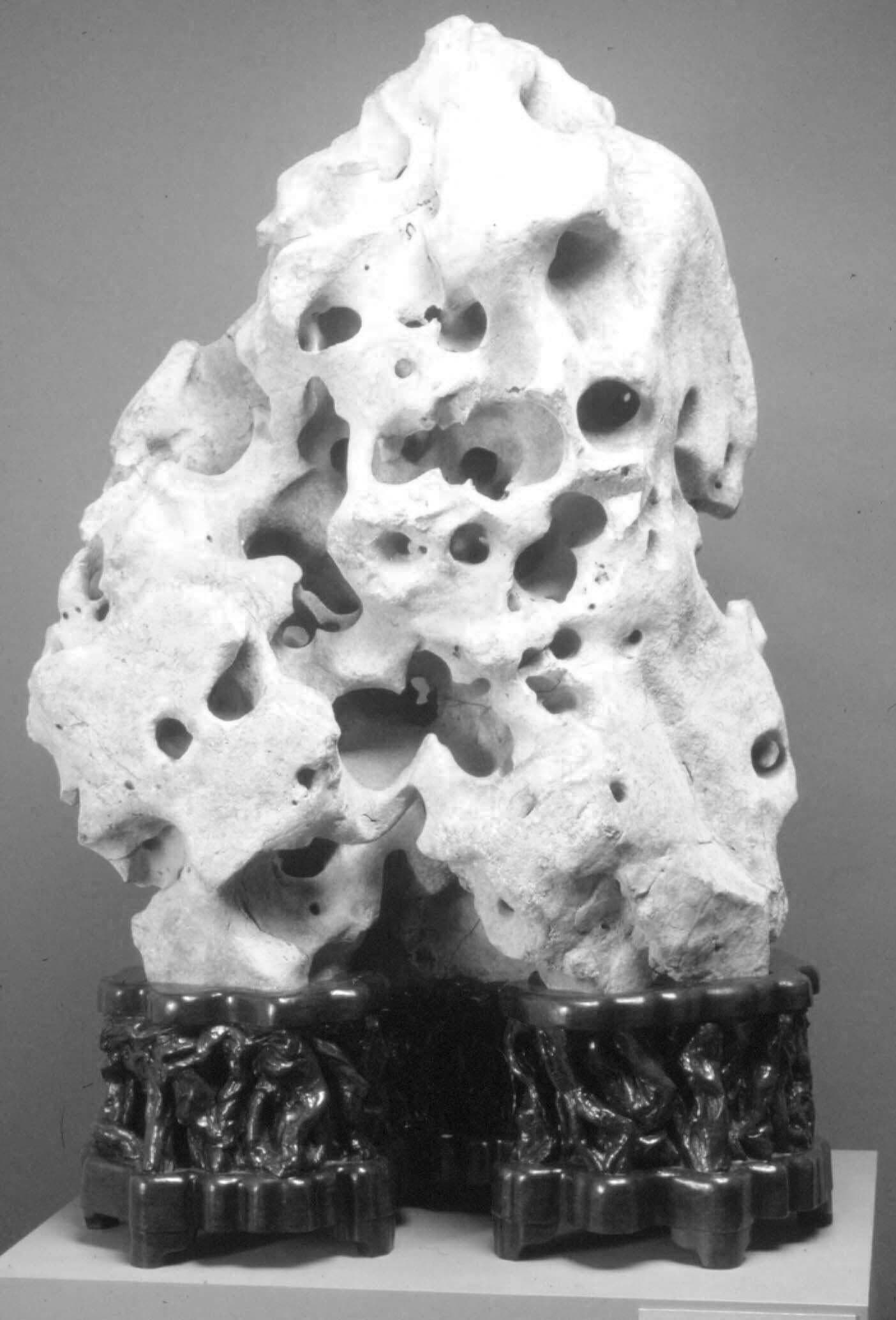
Gongshi: Chinese Scholar's Rocks and How to Judge Them
Gongshi are Chinese scholar's rocks: what they are, Lingbi against Taihu stone, the four criteria collectors judge by, and how to spot a worked stone.
August 7, 20269 min read
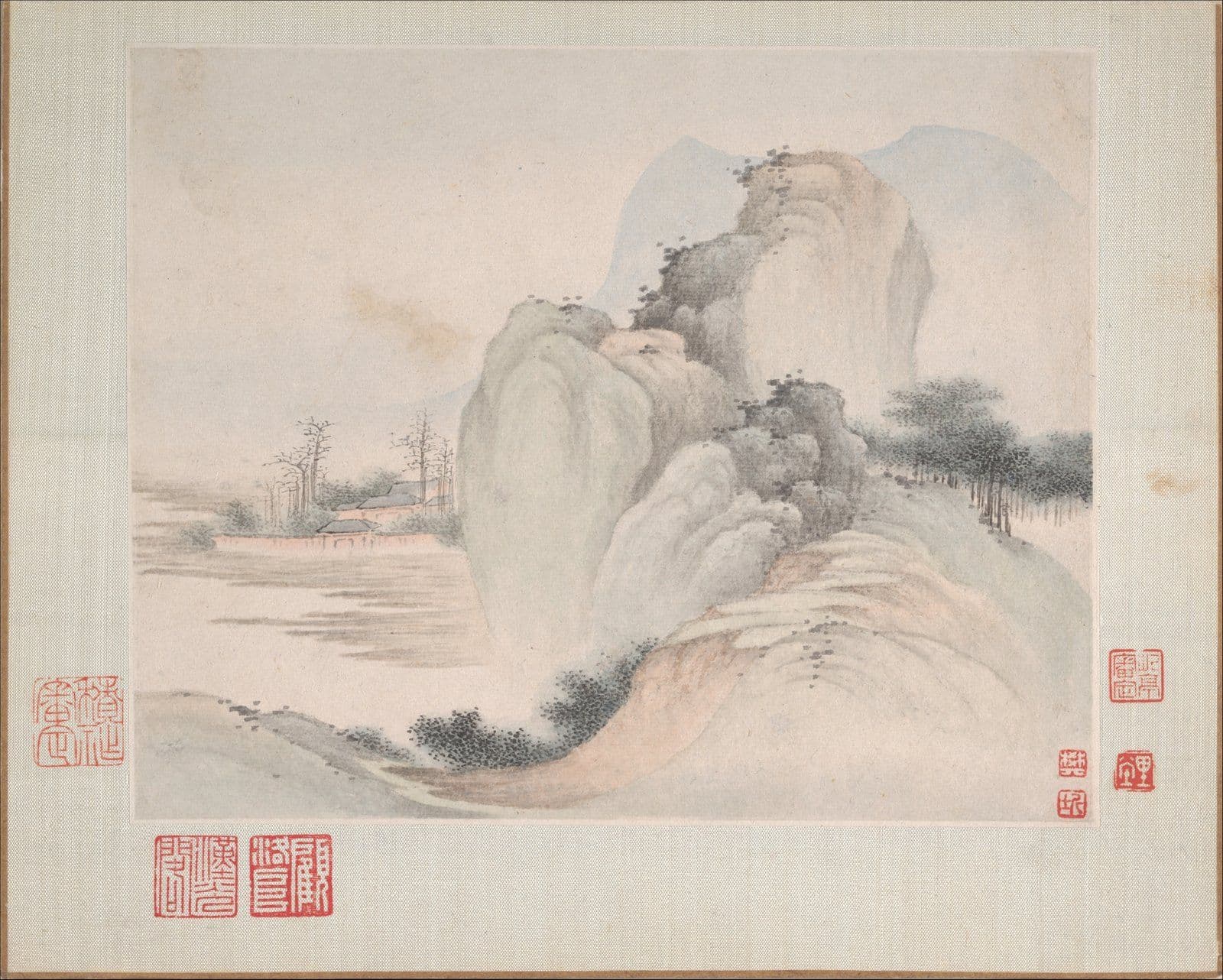
How Chinese Art Is Valued: Appraisals, Estimates, and Reality
How Chinese art is valued: fair market vs replacement value, how auction estimates are built, when to pay for a formal appraisal, and reading comparables.
August 7, 202610 min read
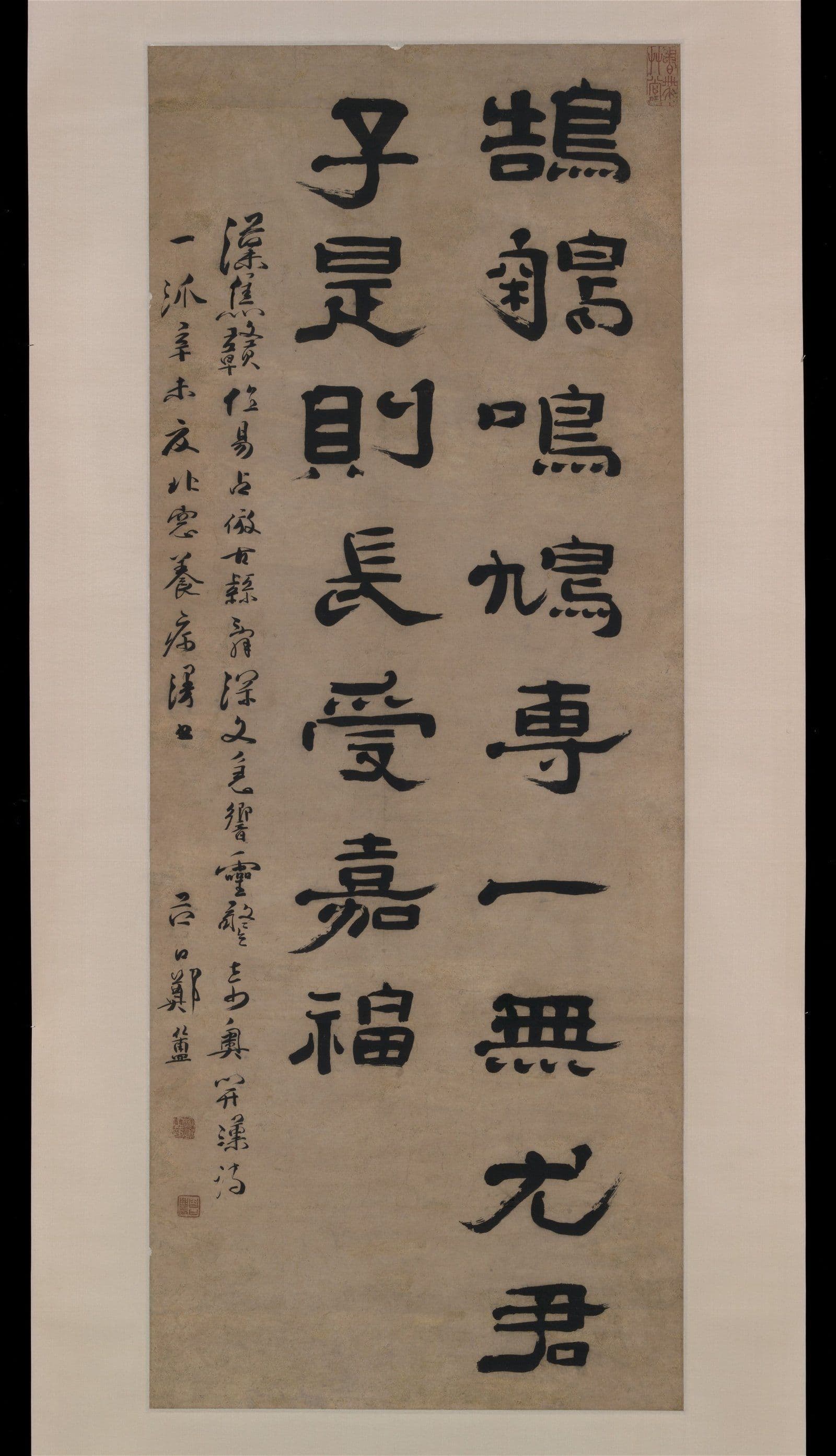
Chinese Calligraphy: A Buyer's Guide to Scripts and Value
A buyer's guide to Chinese calligraphy: the five scripts, hanging scrolls and couplets, what actually drives value, and what to check before buying.
August 7, 20269 min read
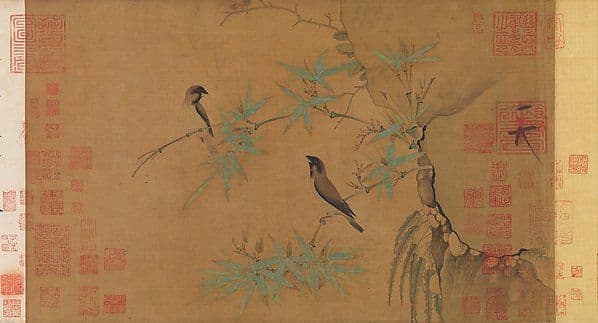
Bird-and-Flower Painting: A Collector's Guide to Huaniao
Chinese bird-and-flower painting explained: the huaniao tradition, gongbi vs xieyi technique, what the recurring subjects mean, and what to check before buying.
August 6, 20268 min read
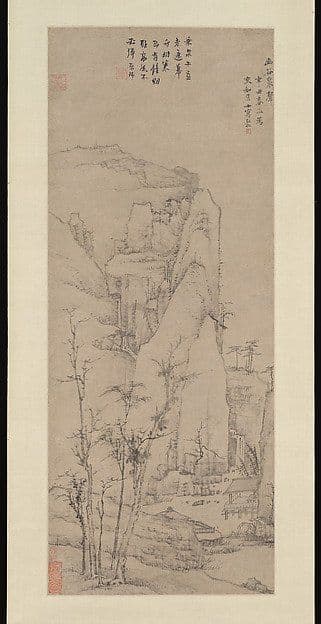
Fu Baoshi: A Collector's Guide to the Baoshi Texture Stroke
A collector's guide to Fu Baoshi: the baoshi texture stroke, his rain landscapes and Chu ci figures, how the market grades his periods, and what to check.
August 6, 20268 min read
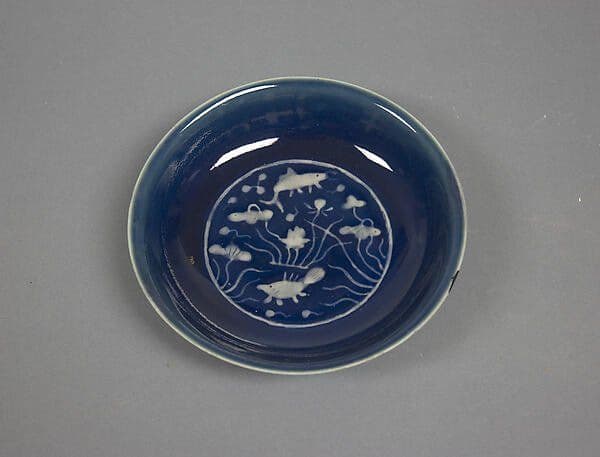
Four-Character vs Six-Character Marks on Chinese Porcelain
Four-character vs six-character Chinese porcelain marks explained: what each character says, when four is the norm, and why the count alone proves nothing.
August 6, 20268 min read
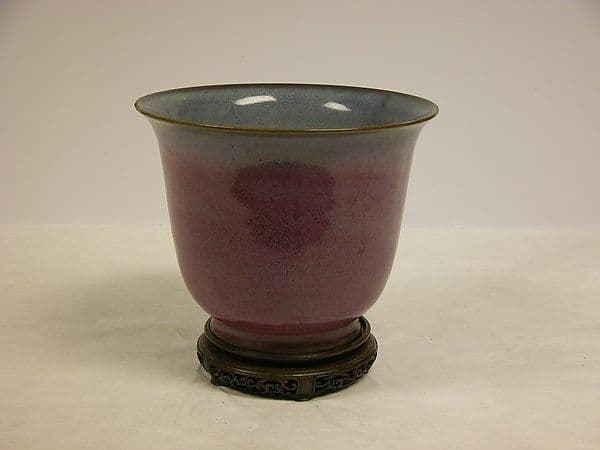
Jun Ware: A Collector's Guide to Sky-Blue Glaze and Copper Red
Jun ware explained: how the sky-blue glaze gets its colour, the copper-red splashes, numbered flowerpots, and what is realistic to buy today.
August 5, 20268 min read
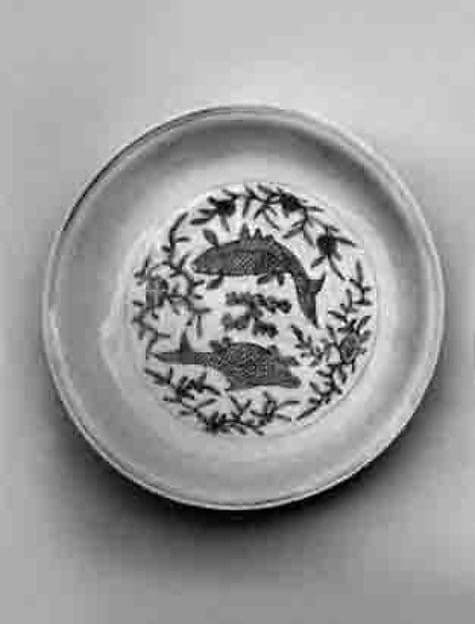
Wanli Porcelain: A Collector's Guide to the Last Great Ming Reign
Wanli porcelain explained: imperial wucai, kraak export dishes, the greyish late-Ming blue, and what each tier of the market realistically offers.
August 5, 20268 min read
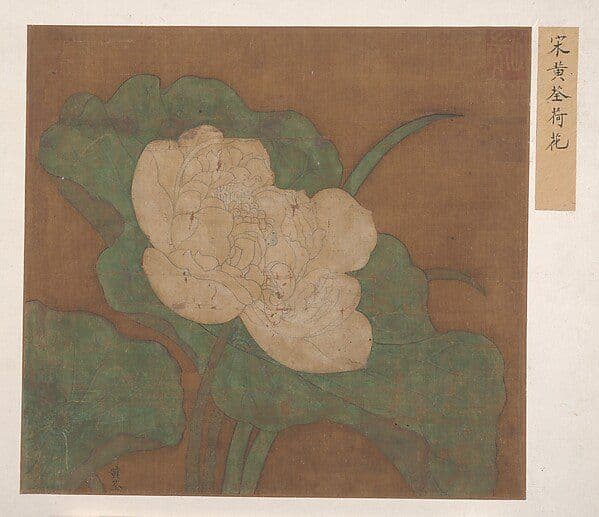
Qi Baishi: How to Read His Signatures, Seals and Spot Fakes
How to read Qi Baishi's signatures and seals, know his shrimp and insect subjects, and spot the workshop fakes that crowd the market for his name.
August 5, 20268 min read
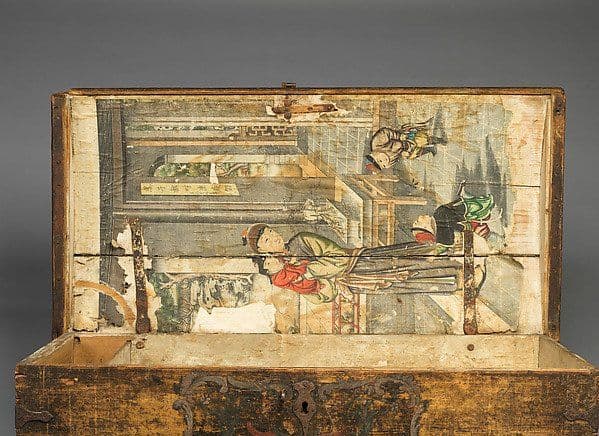
Nianhua: Chinese New Year Prints and How to Date Them
Nianhua explained: the Yangliuqing, Taohuawu and Yangjiabu workshops, how the blocks were printed, and how to date a print and spot a reprint.
August 4, 20268 min read
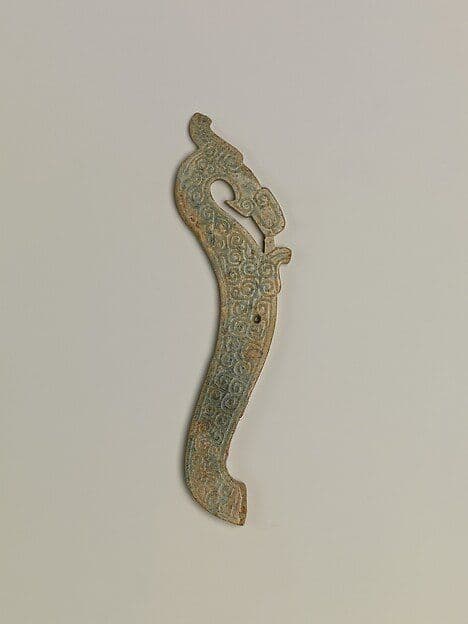
Chinese Jade Carving: Nephrite, Jadeite and How It Is Cut
Chinese jade carving explained: nephrite against jadeite, why jade is abraded rather than cut, the motifs to know, and the treatments that set price.
August 4, 20268 min read
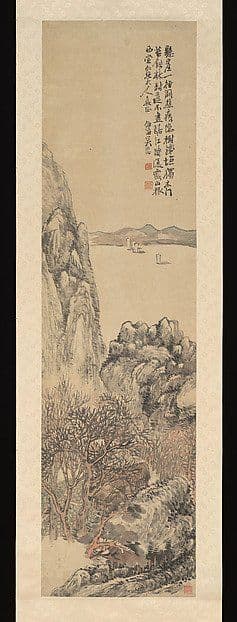
Wu Guanzhong: A Collector's Guide to the Ink-and-Oil Master
A collector's guide to Wu Guanzhong: the Hangzhou and Paris training, the Jiangnan water towns, how to read a picture in front of you, and where the risk sits.
August 4, 20269 min read
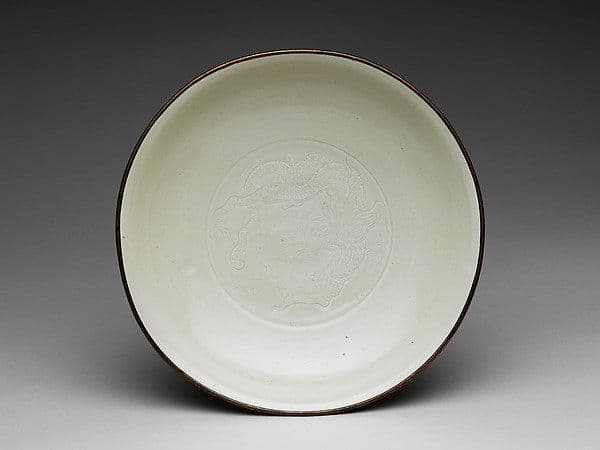
Ding Ware: The White Porcelain of the Five Great Kilns
Ding ware explained: the ivory glaze, carved and moulded decoration, the unglazed mangkou rim, and how to tell Ding from Ding-type white wares.
August 3, 20268 min read
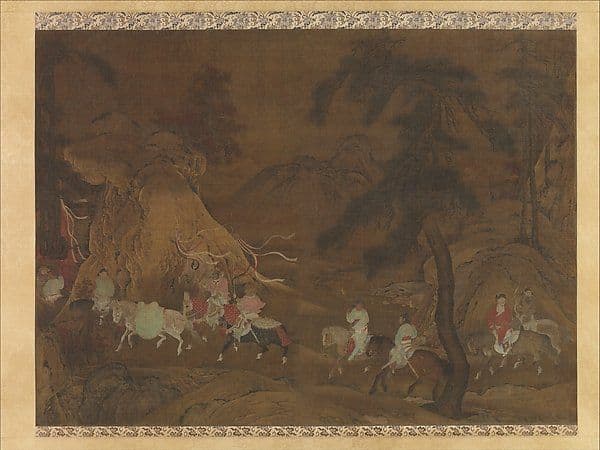
Xu Beihong: A Collector's Guide to the Horses and Beyond
A collector's guide to Xu Beihong: the Paris training, the galloping horses, what the market pays for, and how to check a work before you buy.
August 3, 20268 min read
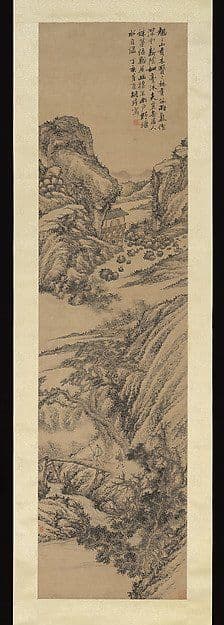
Zhang Daqian: A Collector's Guide to Periods, Seals and Editions
A collector's guide to Zhang Daqian: the Dunhuang years, the splashed-ink landscapes, how to read his seals, and how to tell an edition from a painting.
August 3, 20269 min read

Zao Wou-Ki: The Chinese Master Who Painted in Dates
Zao Wou-Ki explained: his Hangzhou training, the oracle-bone period, the date-titled abstractions, and how collectors approach his market.
August 2, 20268 min read

Chinese Carved Lacquer: Dating Cinnabar and Spotting Resin Fakes
Chinese carved lacquer explained: how cinnabar layers are built and cut, how to date a piece, and the mould and resin tells that expose imitations.
August 2, 20268 min read

Ru Ware: The Rarest Song Ceramic and How Collectors Read It
Ru ware explained: the short Northern Song production window, how collectors read the glaze and spur marks, and what is realistic to buy.
August 2, 20269 min read

Wu Hufan: The Painter-Connoisseur and the Provenance Trail
Wu Hufan explained: the Shanghai traditionalist painter and connoisseur, his blue-and-green landscapes, his students, and how to buy his work safely.
August 1, 20268 min read
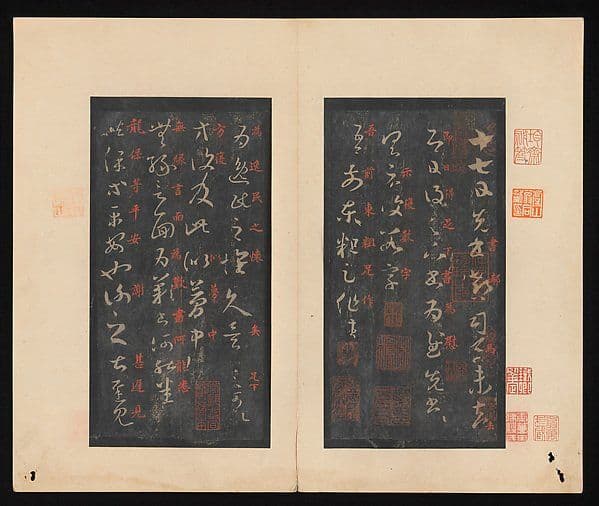
Chinese Rubbings: Collecting Ink Impressions of Stone and Bronze
Chinese rubbings explained: how ink impressions of stelae and bronzes were made, how collectors date them, and how to spot a printed facsimile.
August 1, 20268 min read

Armorial Chinese Export Porcelain: Reading the Coats of Arms
Chinese armorial export porcelain explained: how services were ordered, how to read the coat of arms, and how the heraldry dates a piece you own.
August 1, 20269 min read

Shipping, Insuring, and Storing Chinese Art: A Buyer's Guide
A buyer's guide to shipping, insuring, and storing Chinese art: packing porcelain and paintings, fine-art insurance, and safe long-term storage.
July 31, 20268 min read
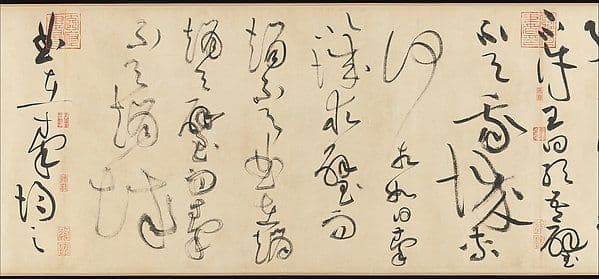
Four Treasures of the Study (Wen Fang Si Bao) Explained
The four treasures of the study explained: brush, ink, paper and inkstone, where the best of each came from, and what each one does to a brushstroke.
July 31, 20268 min read

Jian Ware Tea Bowls: Hare's-Fur, Oil-Spot, and the Song Black Glaze
Jian ware tea bowls explained: the Song black glaze, hare's-fur and oil-spot effects, the tenmoku tradition, and what to check before buying one.
July 31, 20268 min read
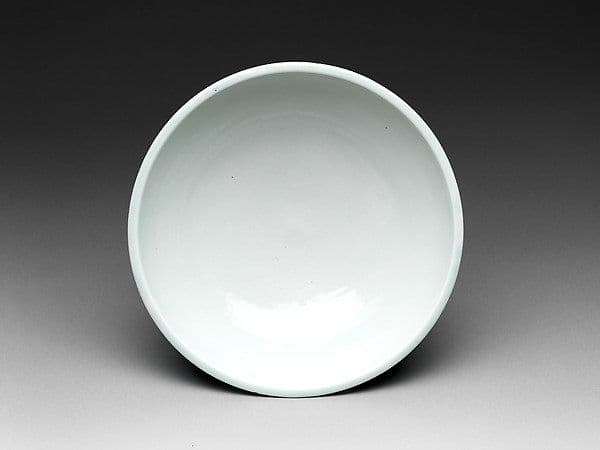
Xuande Blue-and-White Porcelain: The Ming Benchmark and Its Copies
Xuande blue-and-white porcelain explained: the imported cobalt, heaping-and-piling, orange-peel glaze, and why the Xuande mark almost never means a Xuande date.
July 30, 20268 min read
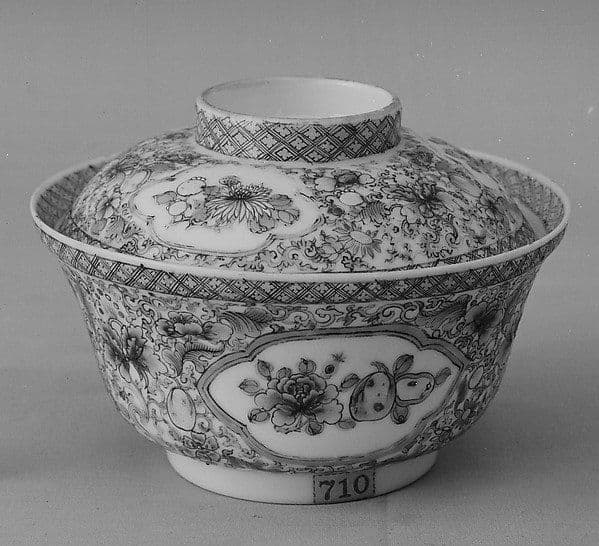
Yongzheng Porcelain: A Collector's Guide to the Refined Reign
A collector's guide to Yongzheng porcelain: famille rose, falangcai, doucai revivals and monochromes, imperial versus export, and how to buy wisely.
July 30, 20267 min read
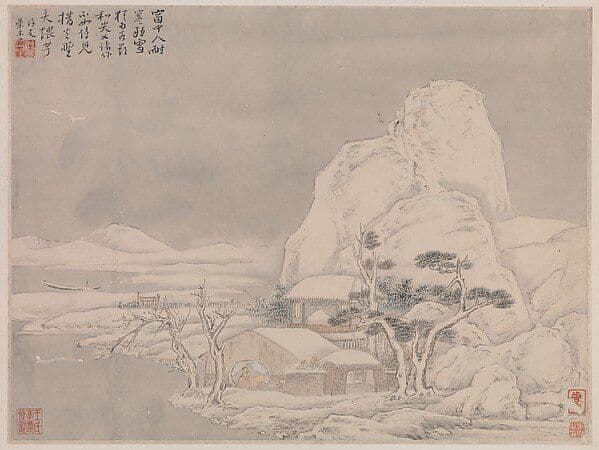
Pu Ru (Pu Xinyu): The Imperial Cousin Who Chose the Brush
Pu Ru (Pu Xinyu) explained: the Qing imperial kinsman turned literati painter, the 'South Zhang, North Pu' pairing, and how to authenticate his work.
July 30, 20268 min read

Fencai and Famille Rose: Qing Overglaze Enamels Explained
Fencai, the famille rose palette: opaque pink overglaze enamels developed under the Qing, fired at low temperature in several firings, and how to spot them.
July 29, 20268 min read
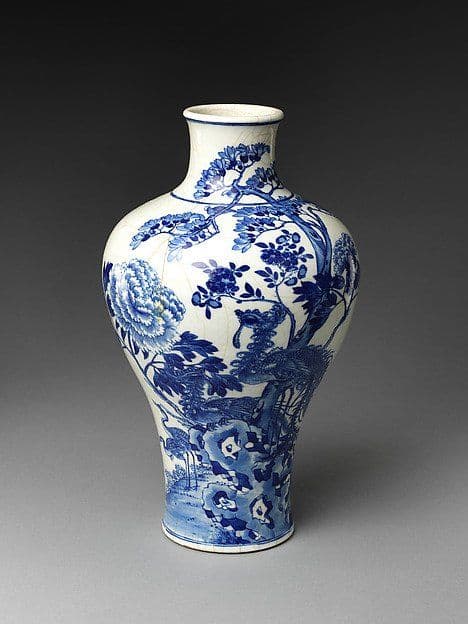
Reading Condition on Chinese Porcelain: Hairlines, Frits, Restoration
A collector's guide to Chinese porcelain condition: hairlines, frits, star cracks, crazing, and how to spot restoration before you buy.
July 29, 20268 min read

Lin Fengmian: The Teacher of Zao Wou-ki and Wu Guanzhong
Lin Fengmian led the Hangzhou academy from 1928, taught Zao Wou-ki and Wu Guanzhong, and fused ink with modernism in square-format paintings.
July 29, 20268 min read
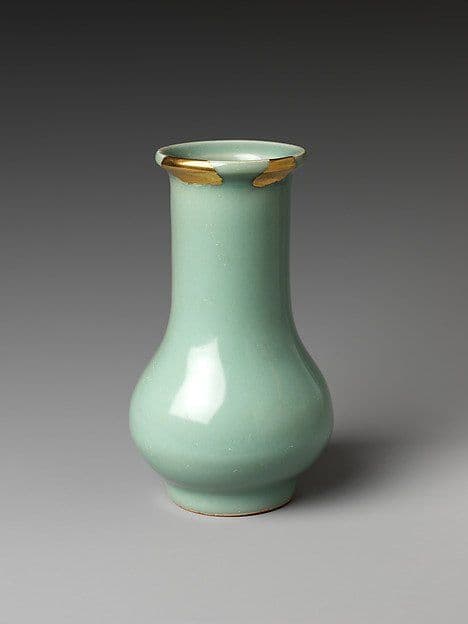
Shiwan Pottery: The Guangdong Figures and Glazes Explained
Shiwan pottery explained: the Guangdong figural tradition, its thick reduction glazes, and how to tell antique figures from modern ones.
July 28, 20267 min read
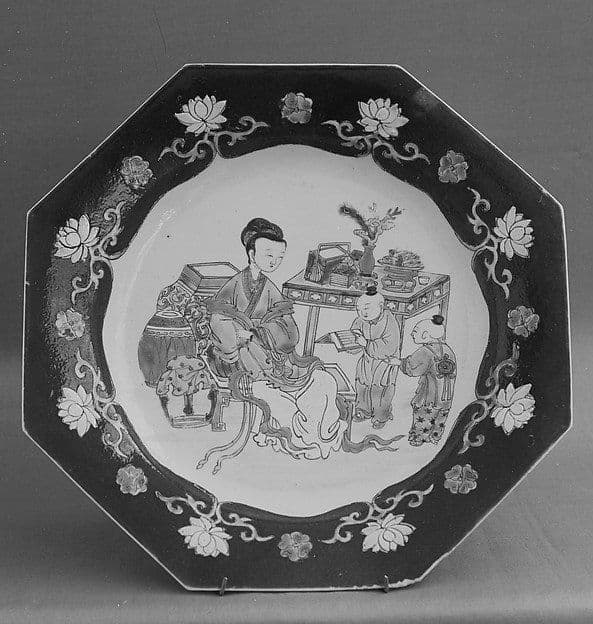
Qianlong Porcelain: A Collector's Guide to Peak Technique
A collector's guide to Qianlong porcelain: famille rose enamels, imperial versus export wares, and why the reign's mark proves nothing on its own.
July 28, 20267 min read
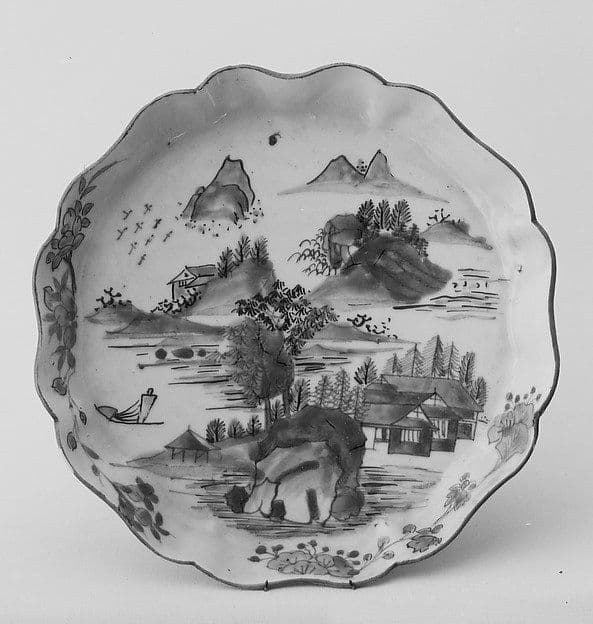
Shunzhi and the Transitional Period: Reading Early Qing Marks
Transitional and Shunzhi porcelain rarely carries a reign mark. Here's what appears on the base instead, and how to date these early Qing wares.
July 28, 20268 min read
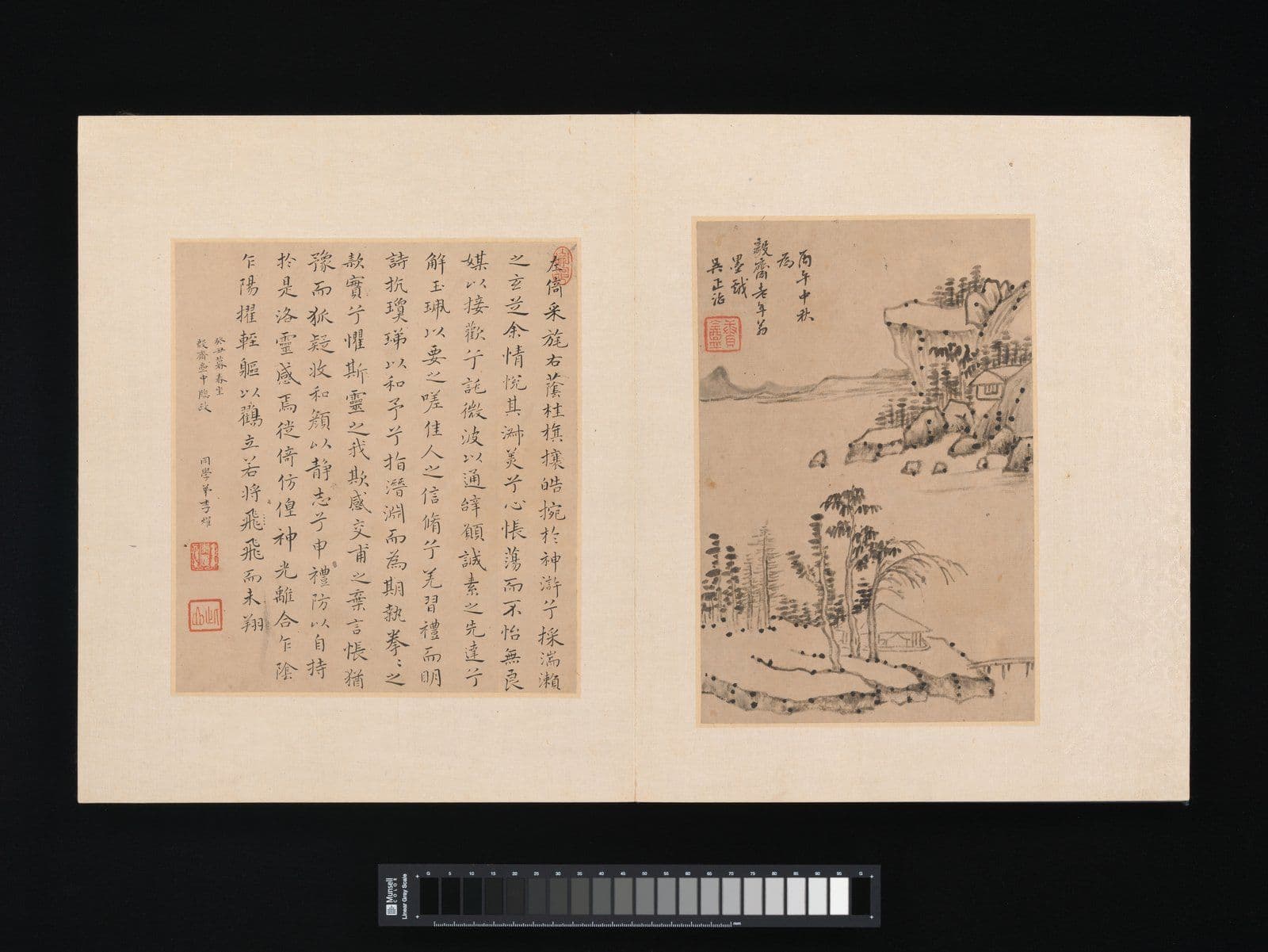
Chinese Painting on Silk vs Paper: What the Support Tells You
Chinese painting on silk vs paper: how each support handles ink, how they age, and what the ground tells you about date and condition.
July 27, 20268 min read
Kangxi Porcelain: A Collector's Guide to the Reign That Reset the Standard
A collector's guide to Kangxi porcelain: famille verte, blue-and-white, copper-red monochromes, characteristic forms, and reading the marks.
July 27, 20268 min read

Chinese Garniture Vase Sets: Reading and Displaying a Matched Group
Chinese garniture vase sets explained: the five-piece export format, matched vs made-up sets, lids, and how to display and value one.
July 27, 20269 min read
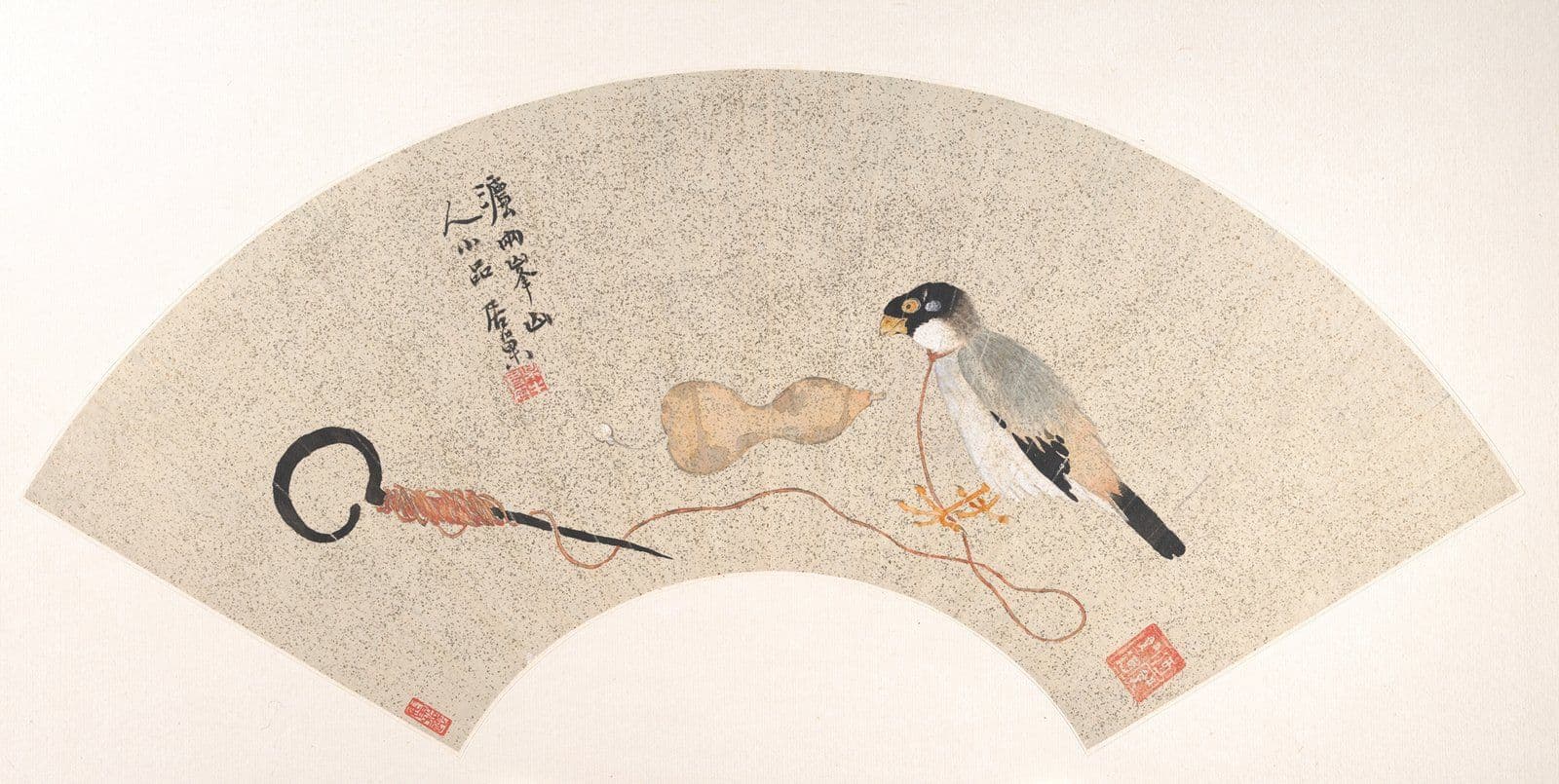
Ren Bonian: The Shanghai School Master of Figures and Birds
Ren Bonian, central master of the Shanghai School: his figure and bird-and-flower painting, and how collectors judge attributed works.
July 26, 20268 min read
Starting a Chinese Art Collection on a Budget
How to start a Chinese art collection on a budget: the entry-tier categories worth buying, and how to read condition and description first.
July 26, 20268 min read
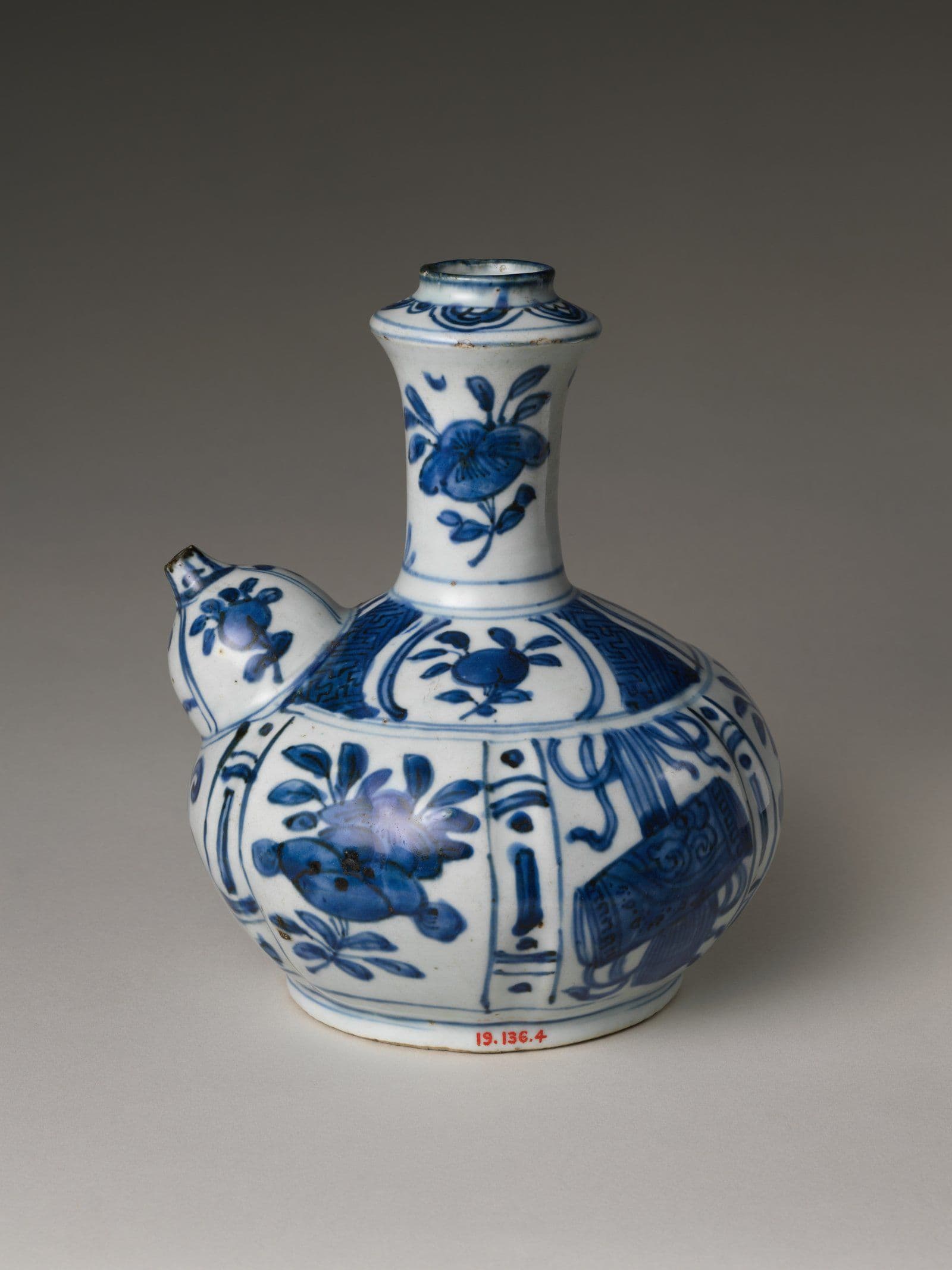
Hongwu and Yongle: Reading the Earliest Ming Reign Marks
Early Ming porcelain rarely carries a reign mark. How to read the rare four-character Yongle mark, sweet-white glaze, and heaped-and-piled cobalt.
July 26, 20268 min read
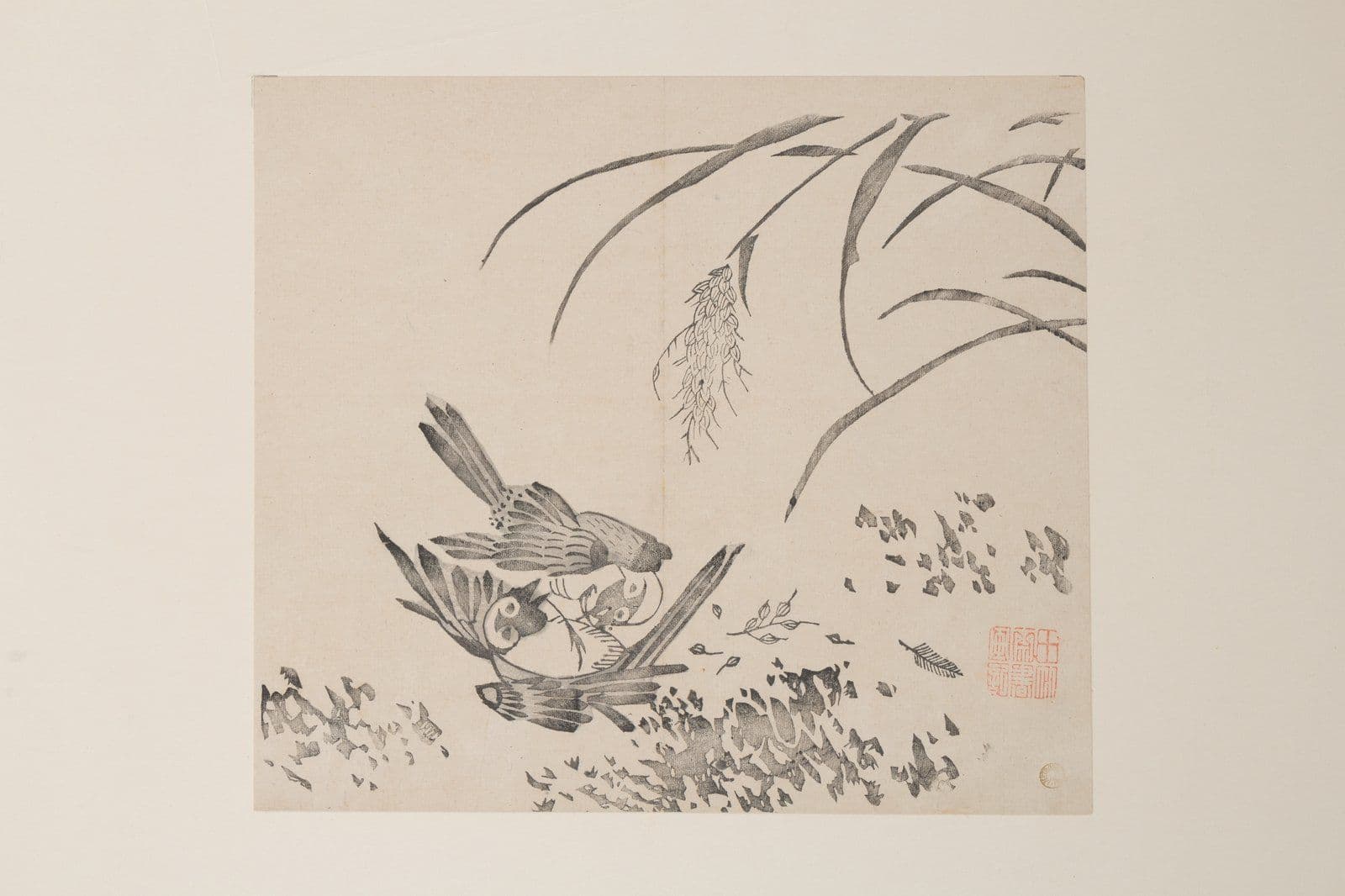
Collecting Chinese Woodblock Prints: New Year Prints to Editions
A collector's guide to Chinese woodblock prints: folk nianhua, color-printed manuals, modern editions, and how to read edition numbers before you buy.
July 25, 20268 min read
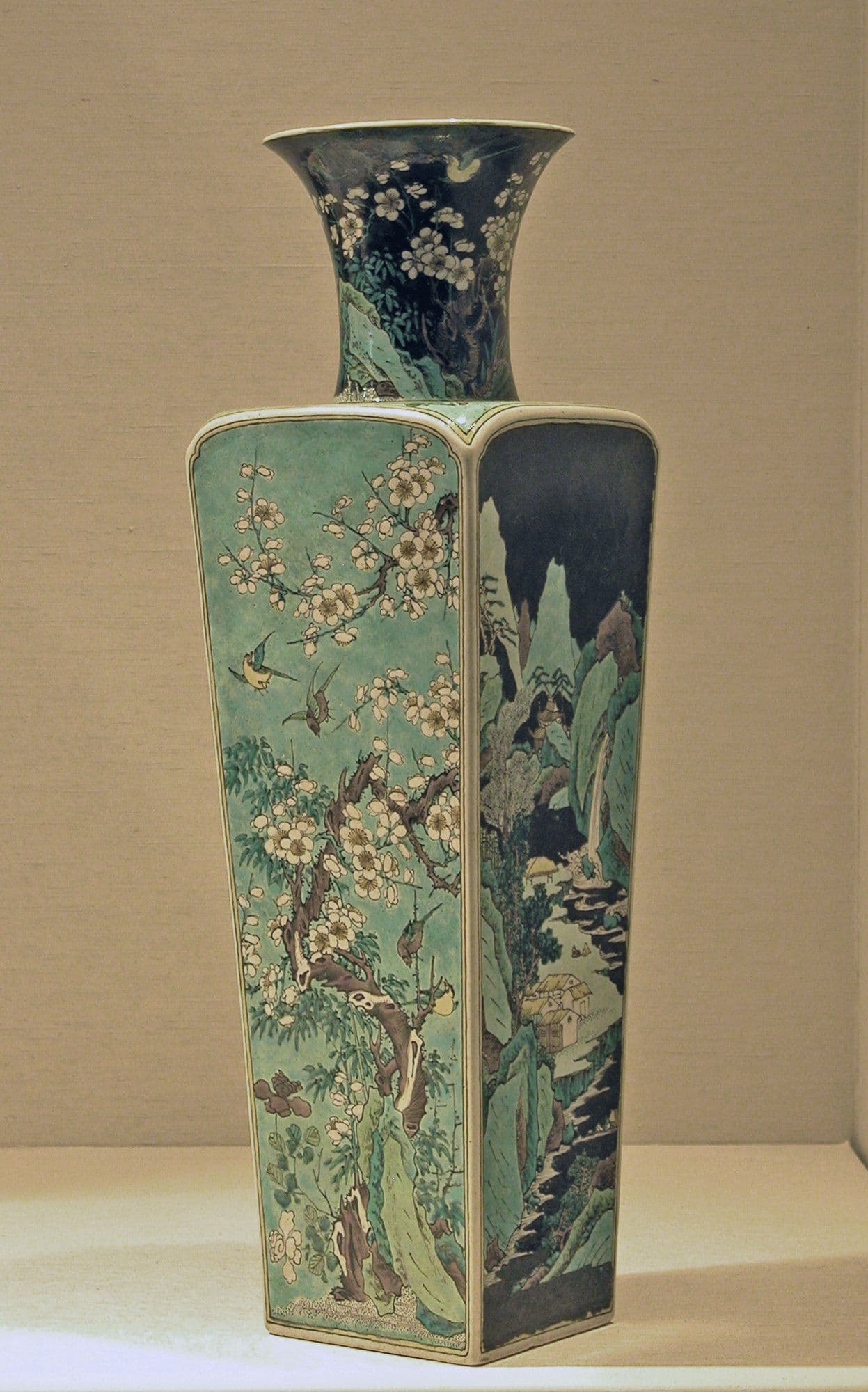
Famille Noire and Famille Jaune: The Black- and Yellow-Ground Enamels
What famille noire and famille jaune are, how the black and yellow grounds were made, and why so many black-ground vases were decorated later.
July 25, 20267 min read
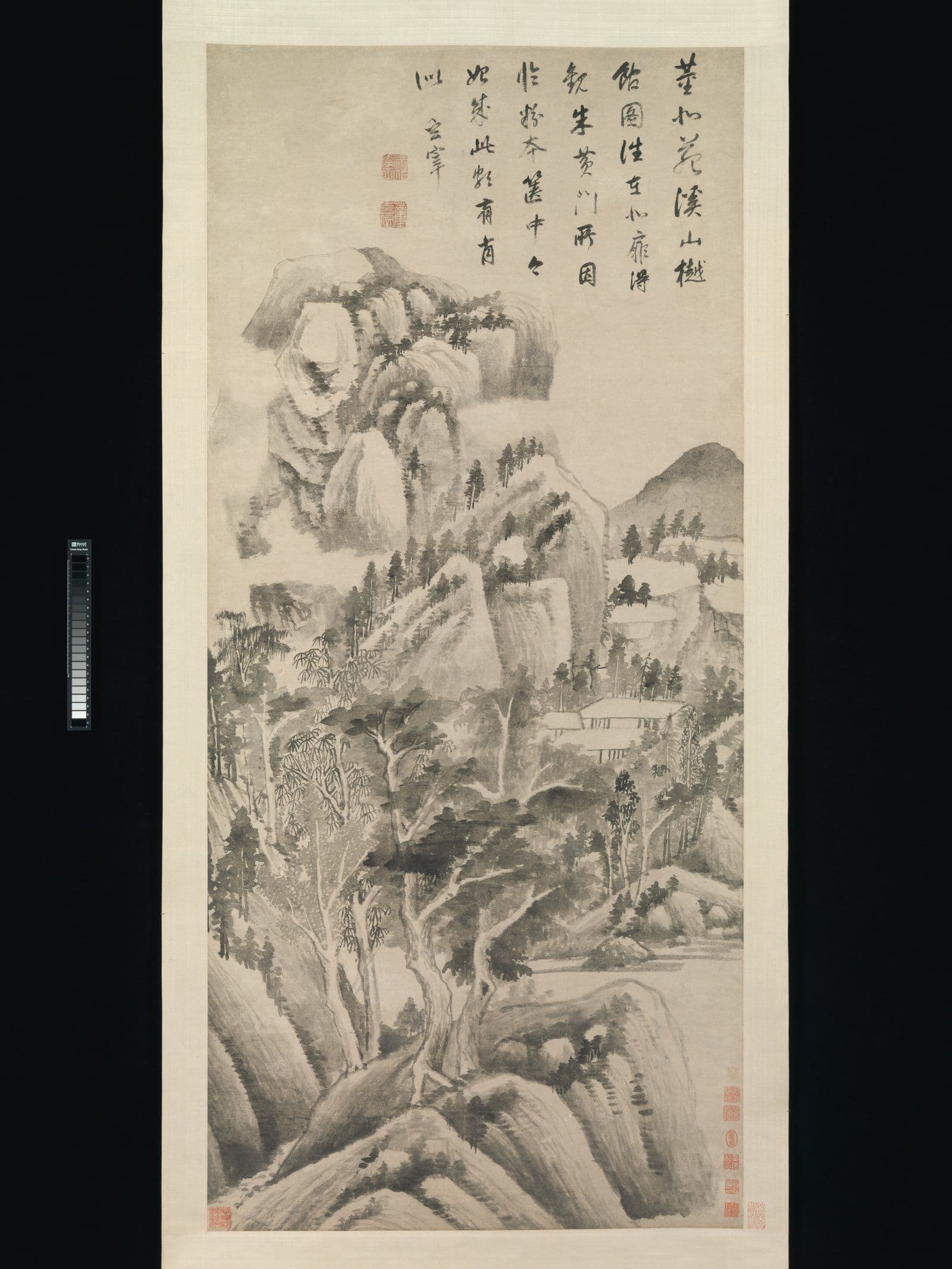
Lu Yanshao's Landscapes: Clouds, Water, and the Modern Brush
Who Lu Yanshao was, how his reserved cloud-and-water landscape method works, and what collectors check before trusting a Lu Yanshao painting.
July 25, 20268 min read
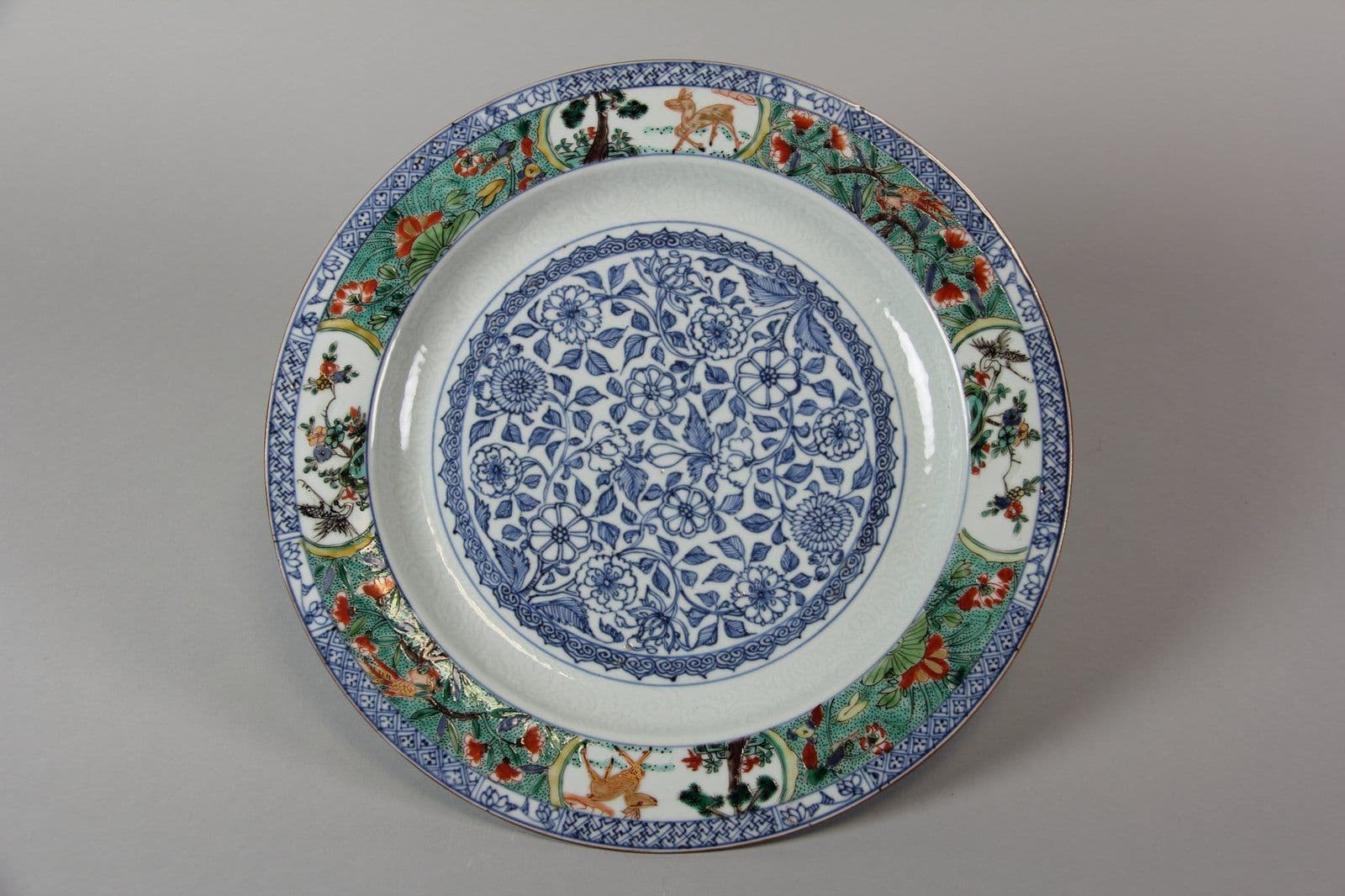
Rose Medallion and Canton Export Porcelain Explained
Rose medallion is Canton export famille rose porcelain. How to identify it, date it from country-of-origin marks, and gauge what an inherited set is worth.
July 24, 20267 min read
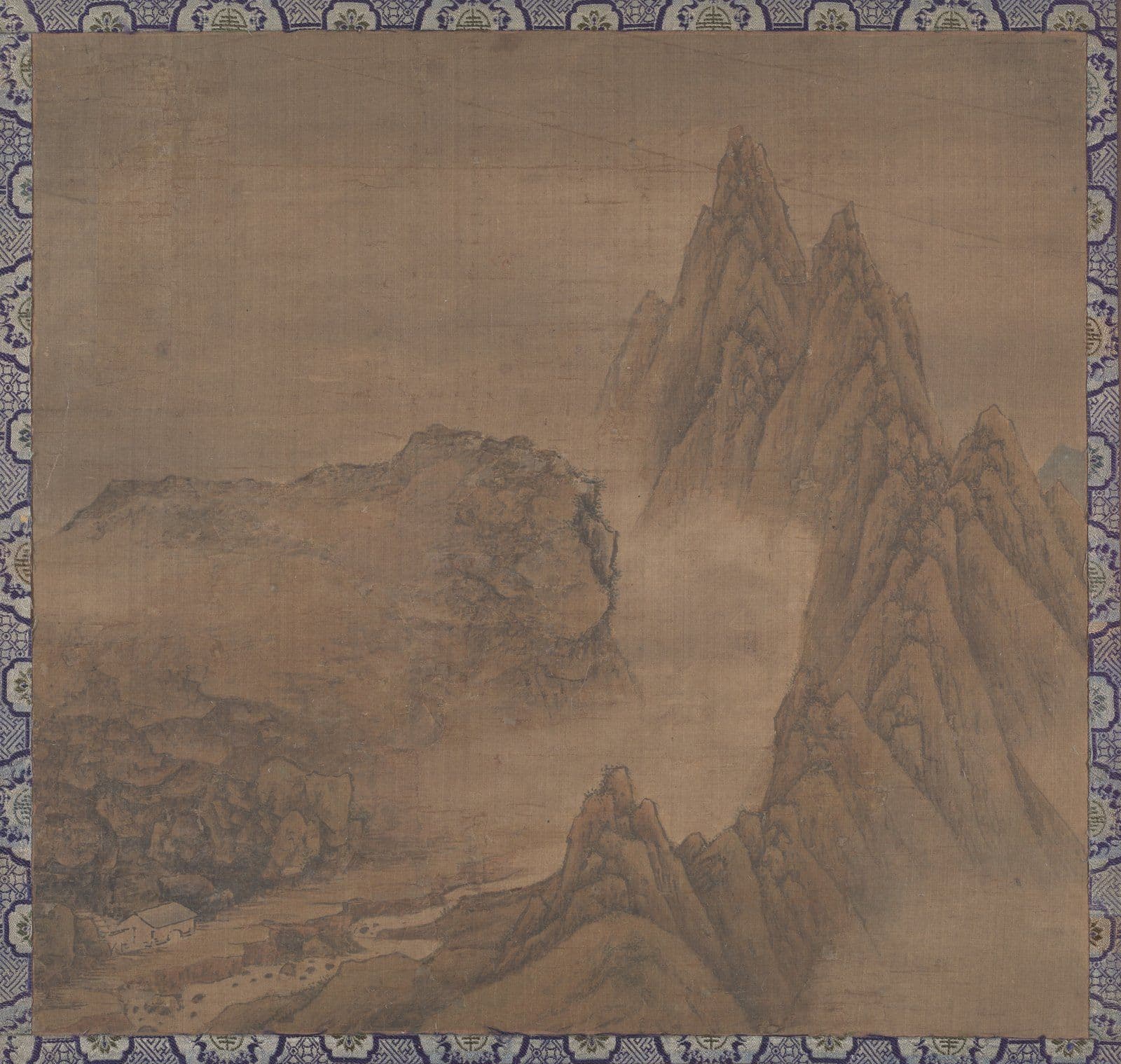
Chinese Pigments: Mineral Colours, Vegetal Alternatives, Dating
Chinese painting pigments compared: mineral stone colours and their vegetal alternatives, how azurite and cinnabar age, and what pigment says about date.
July 24, 20268 min read
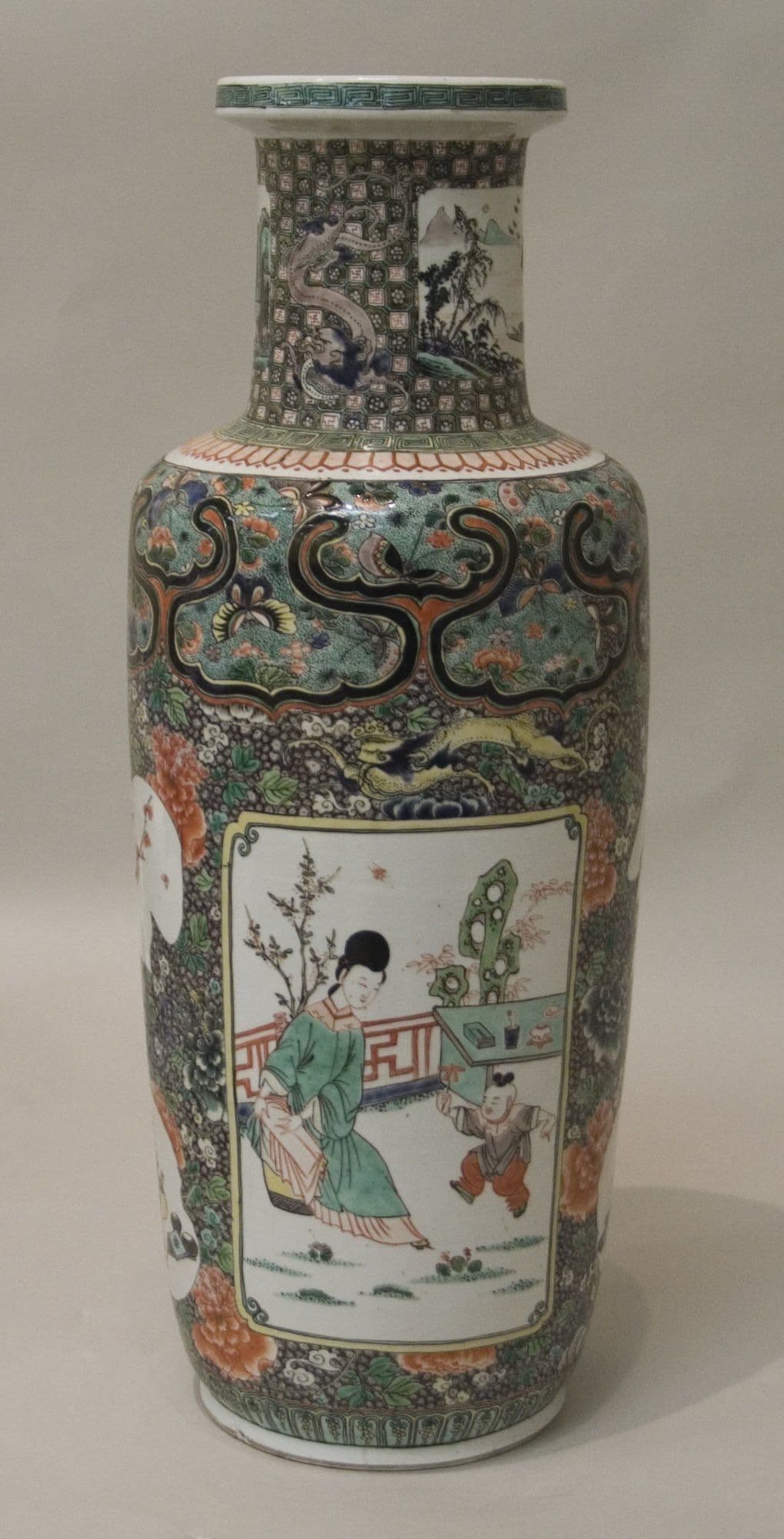
Wucai Porcelain: Telling Wanli Five-Color from Famille Verte
Wucai porcelain is Ming China's five-color ware. How to tell it from doucai, place Jiajing-Wanli pieces, and follow the palette into famille verte.
July 24, 20268 min read
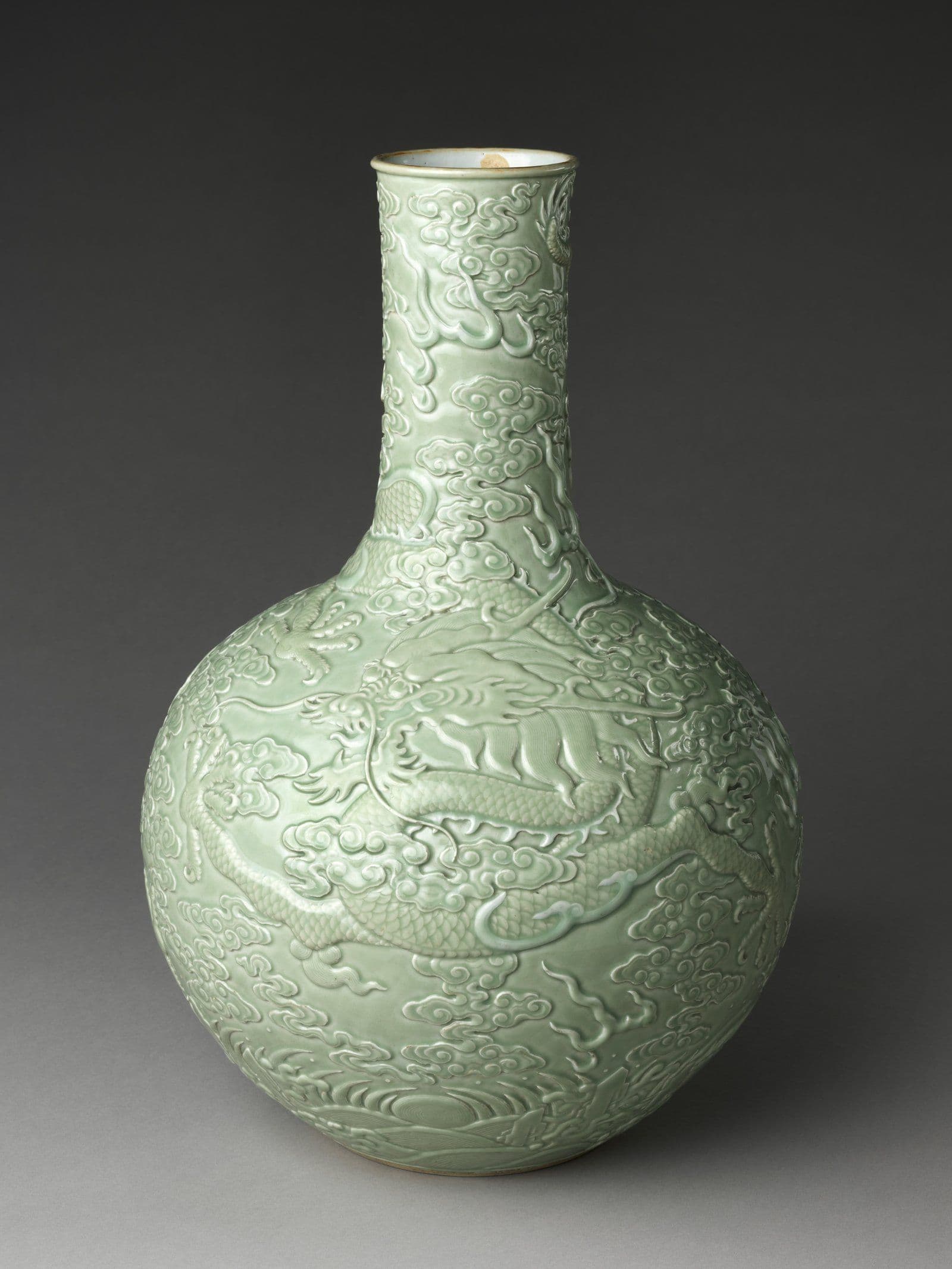
How to Display a Chinese Porcelain Collection at Home
How to display Chinese porcelain at home — grouping, stands and museum gel, safe locations, lighting for glaze, and the handling habits that prevent damage.
July 22, 20268 min read
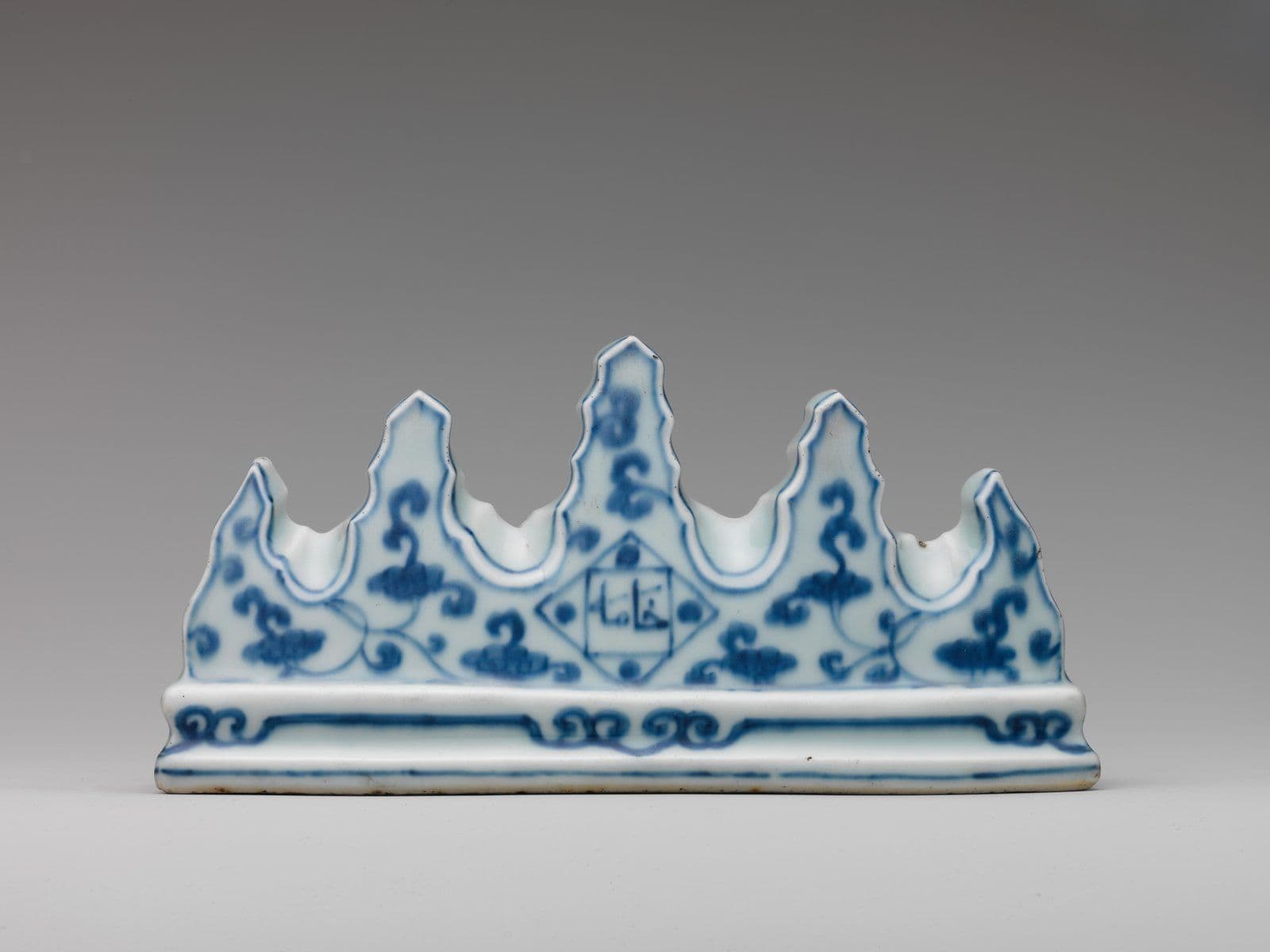
Hongzhi and Zhengde Reign Marks: The Quiet Mid-Ming Decades
How to identify Hongzhi and Zhengde reign marks (1488-1521): mark forms and calligraphy, imperial yellow glaze, Arabic-inscribed wares, and a dating checklist.
July 22, 20268 min read
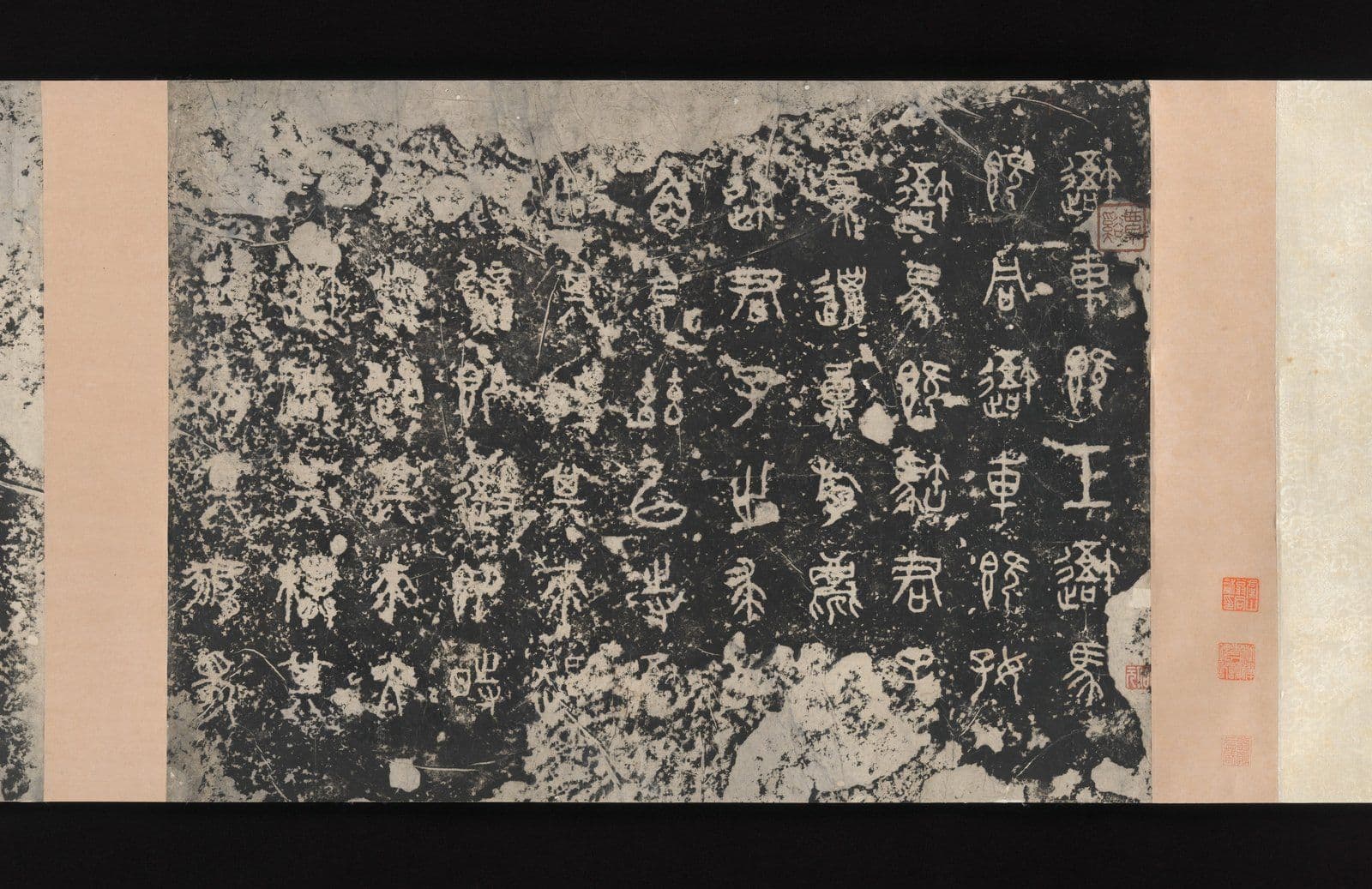
Stone Drum Script and Wu Changshuo: How to Judge His Work
The Stone Drums carry China's oldest surviving inscriptions. How Wu Changshuo rebuilt that script into modern art, and how to judge his couplets.
July 22, 20269 min read
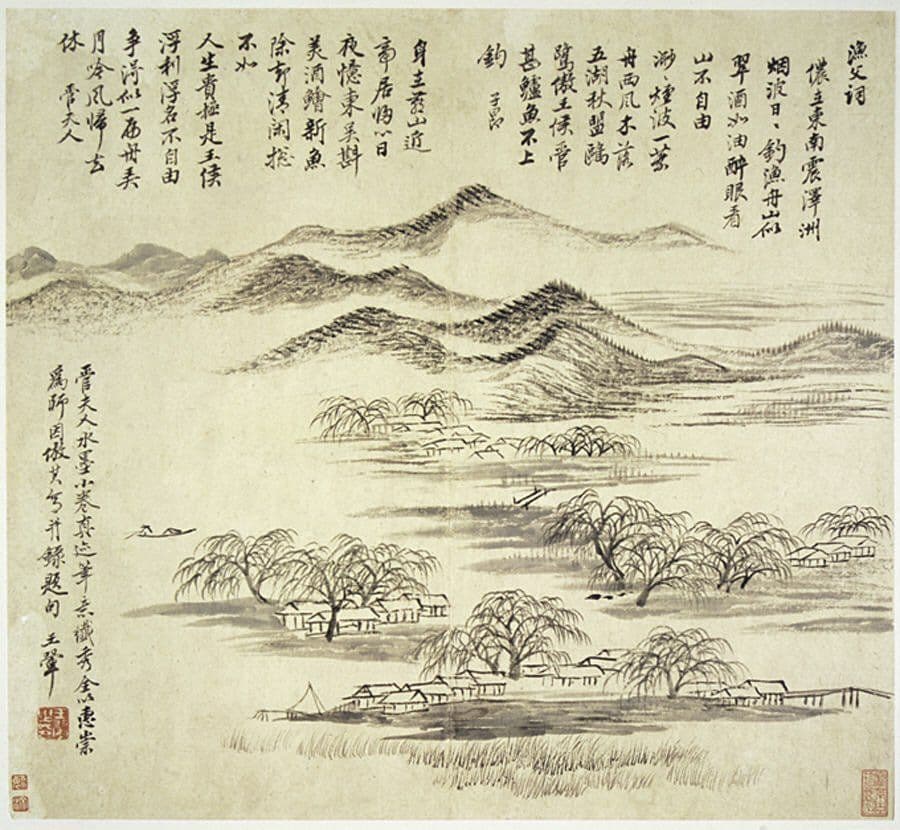
Chinese Painting Copies: Mo, Lin, Fang, and When It's a Fake
Chinese painting treated copying as mastery. What mo, lin and fang mean, why museums display copies proudly, and where tradition ends and forgery starts.
July 21, 20267 min read
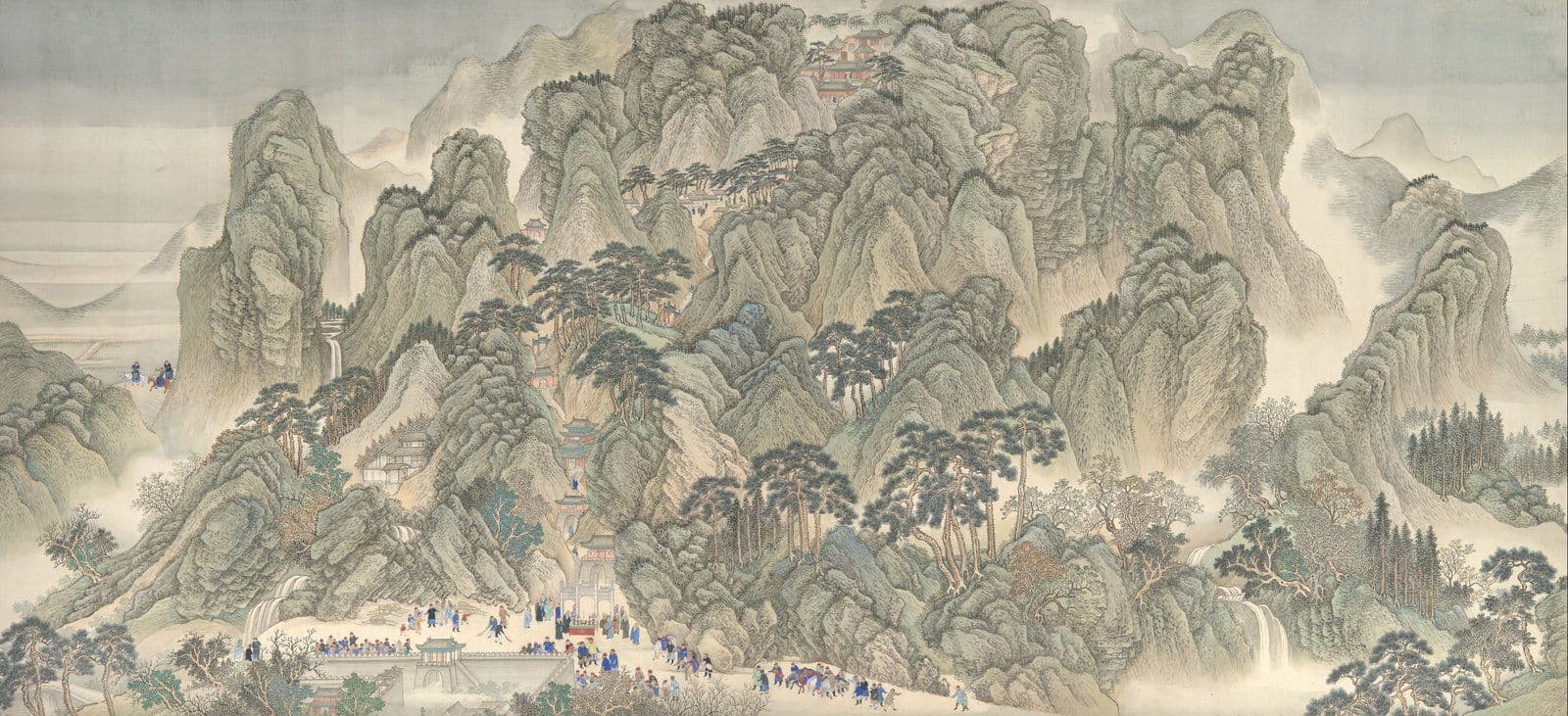
This Land So Rich in Beauty: The Great Hall Painting by Guan Shanyue and Fu Baoshi
In 1959 Fu Baoshi and Guan Shanyue painted a nine-metre landscape of Mao's poem 'Snow' for the Great Hall of the People. The story of the commission, and what it means for both artists' markets.
July 21, 20267 min read
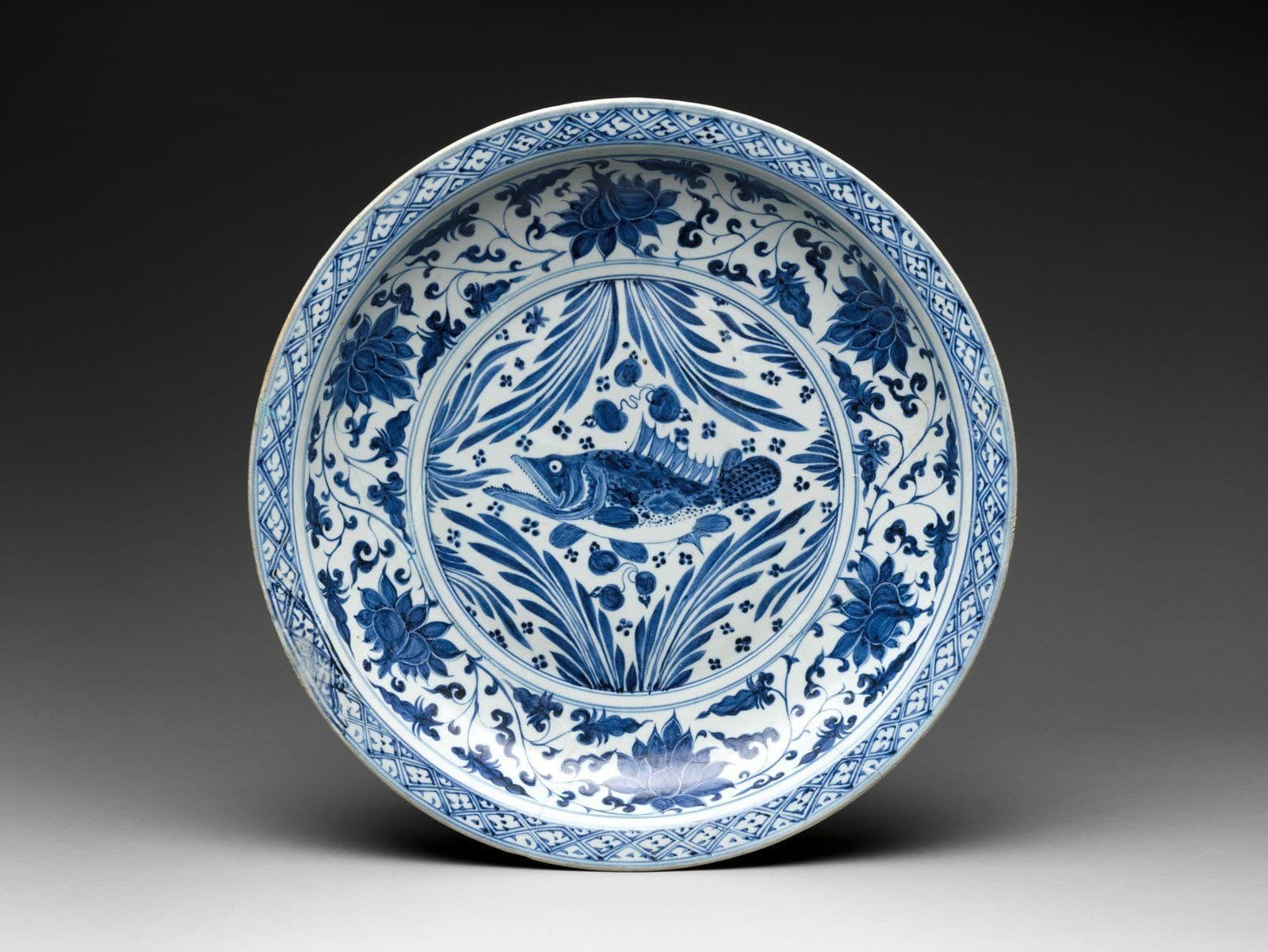
Yuan Blue-and-White: Where the World's Most Famous Porcelain Began
Blue-and-white porcelain began under the Yuan dynasty at Jingdezhen, painted in Persian cobalt largely for export. What defines a Yuan piece, why the David Vases matter, and how to read the auction records.
July 21, 20268 min read
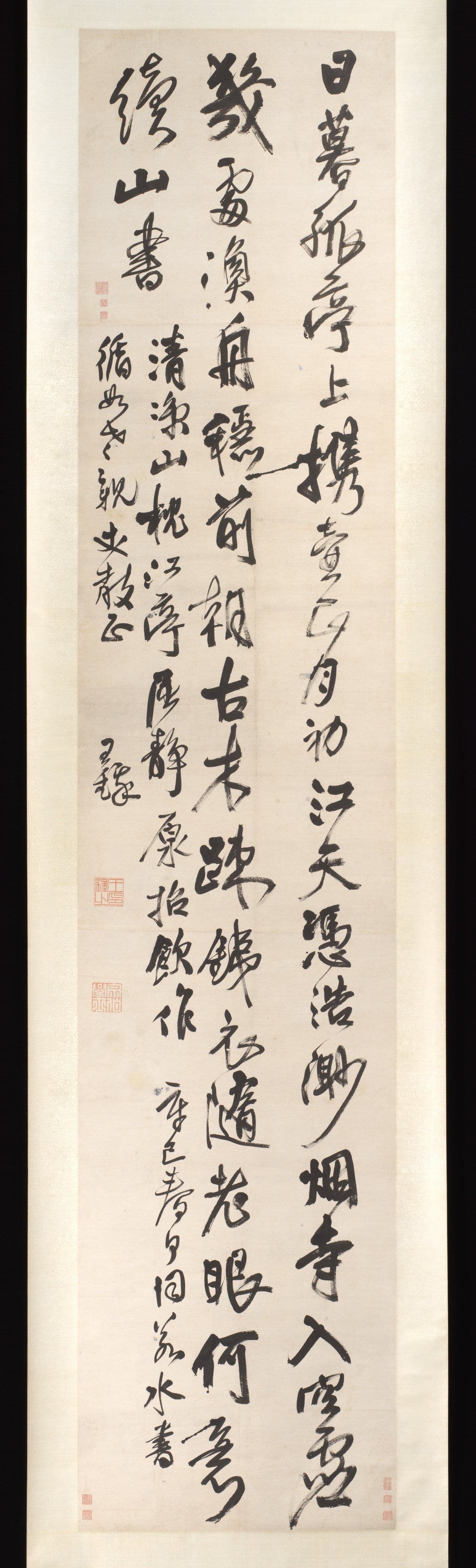
Ganzhi Dates on Chinese Art: How to Convert One to a Year
Chinese art is dated with two ganzhi characters, not a number. How the 60-year cycle works, and how to convert a cyclical date into a Western year.
July 20, 20268 min read
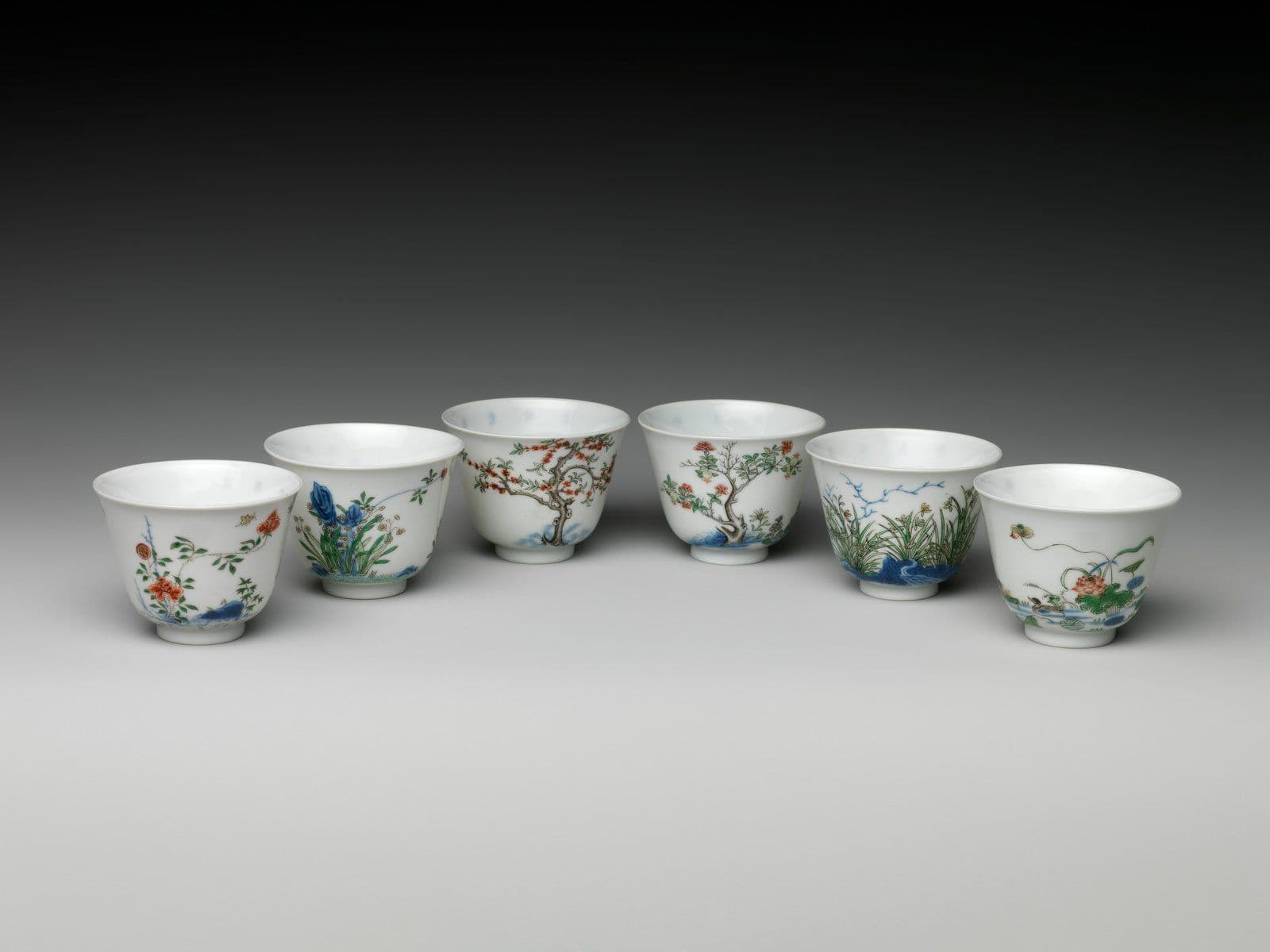
How to Read an Auction Condition Report for Chinese Art
What hairline, fritting, and restoration actually mean in an auction condition report for Chinese porcelain and paintings — and what to ask before you bid.
July 20, 20267 min read
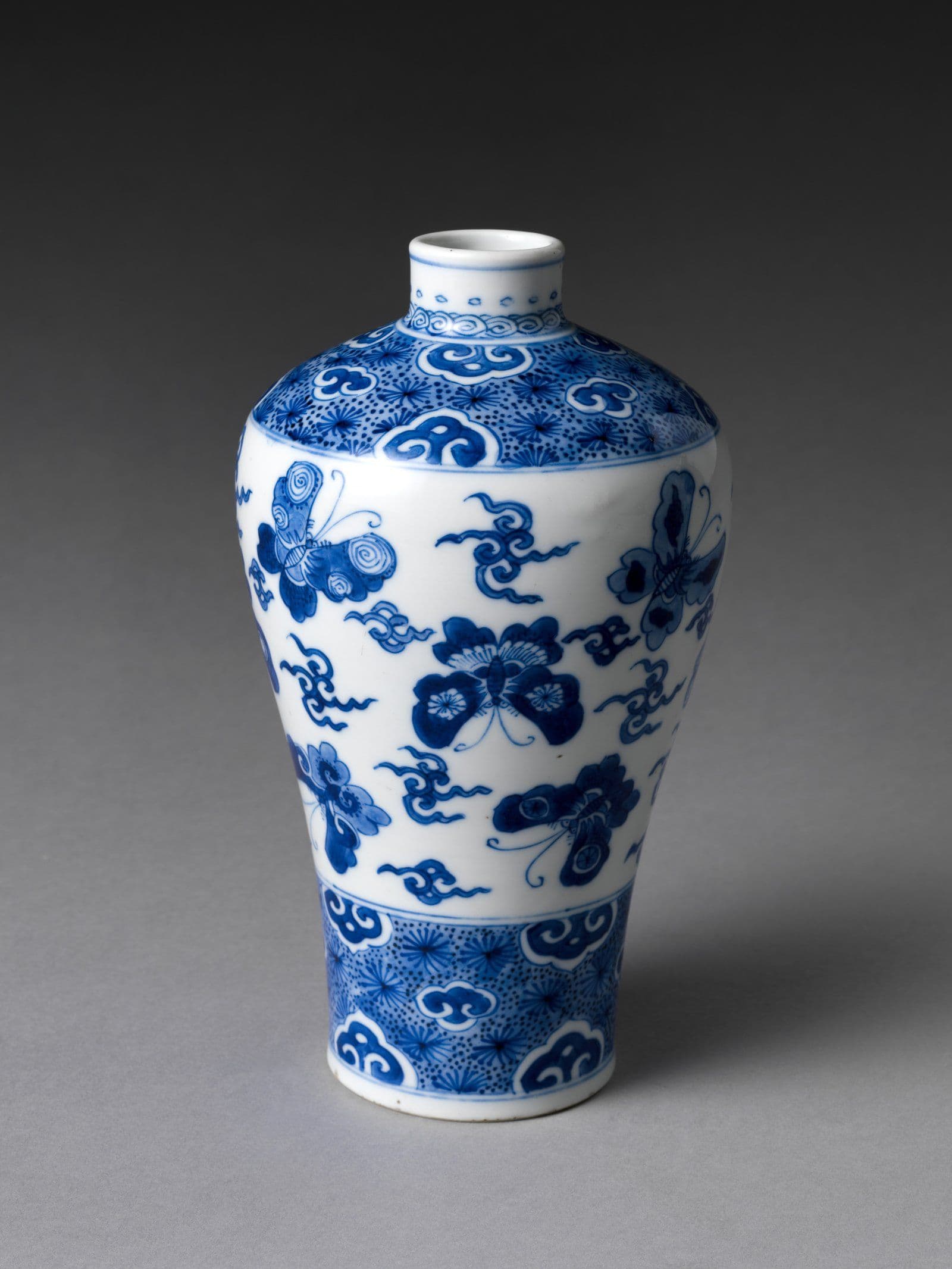
PRC-Era Porcelain: Collecting the State Factory Decades (1950s-70s)
PRC-era porcelain (1950s-70s) is a fast-growing affordable niche — what the state factories made, which marks matter, and where the value sits.
July 20, 20268 min read
Jiaqing, Daoguang, and Xianfeng Marks: Dating Mid-Qing Porcelain
Jiaqing, Daoguang, and Xianfeng reign marks explained — script styles, ware traits, and the Taiping catastrophe that makes genuine Xianfeng porcelain rare.
July 19, 20267 min read
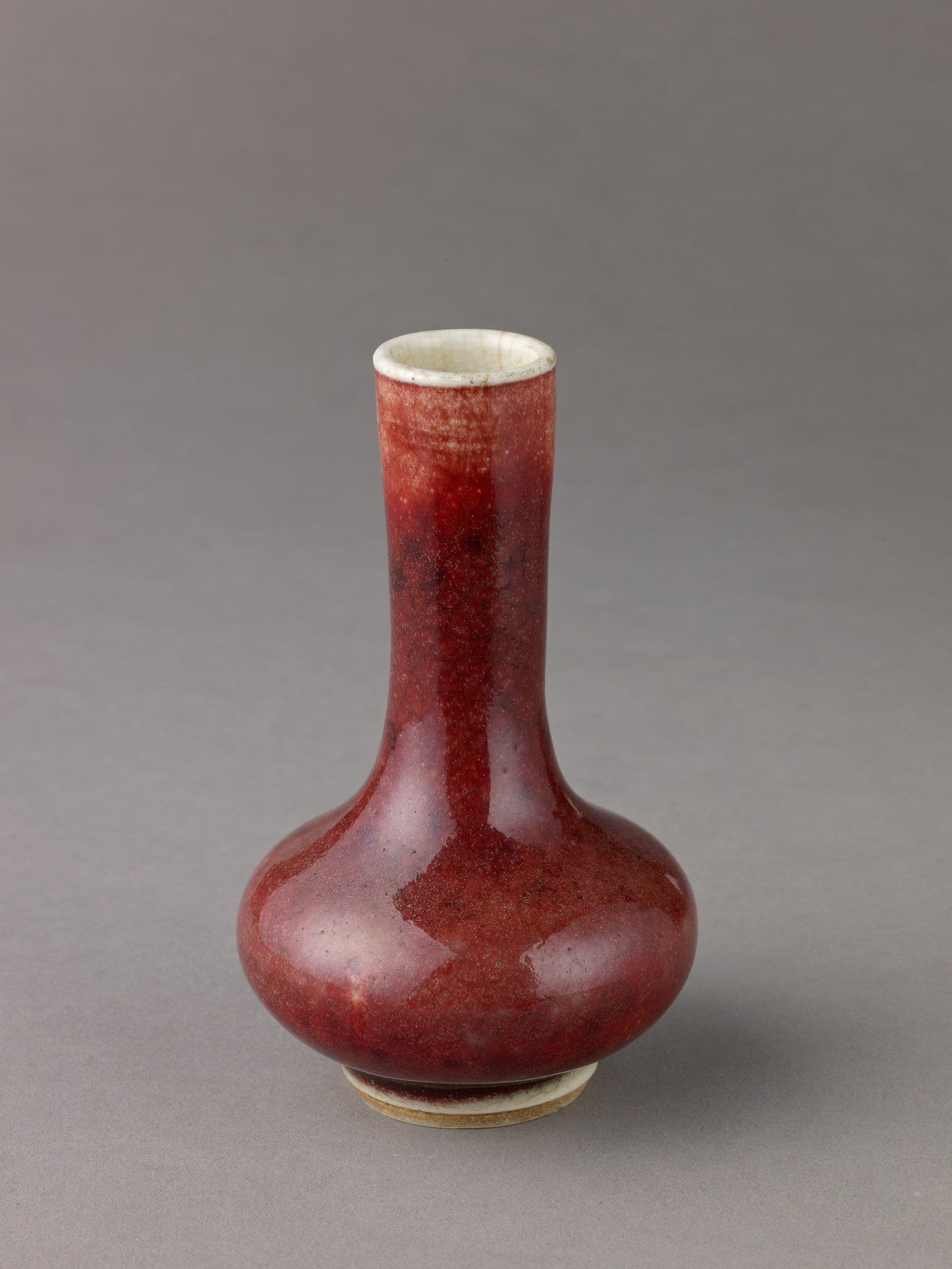
Copper Red: Langyao, Peachbloom, and the Hardest Glaze in China
Langyao oxblood, peachbloom, flambé — the copper-red glaze family explained: how the color works, why it is so hard, and how collectors date and judge it.
July 19, 20268 min read
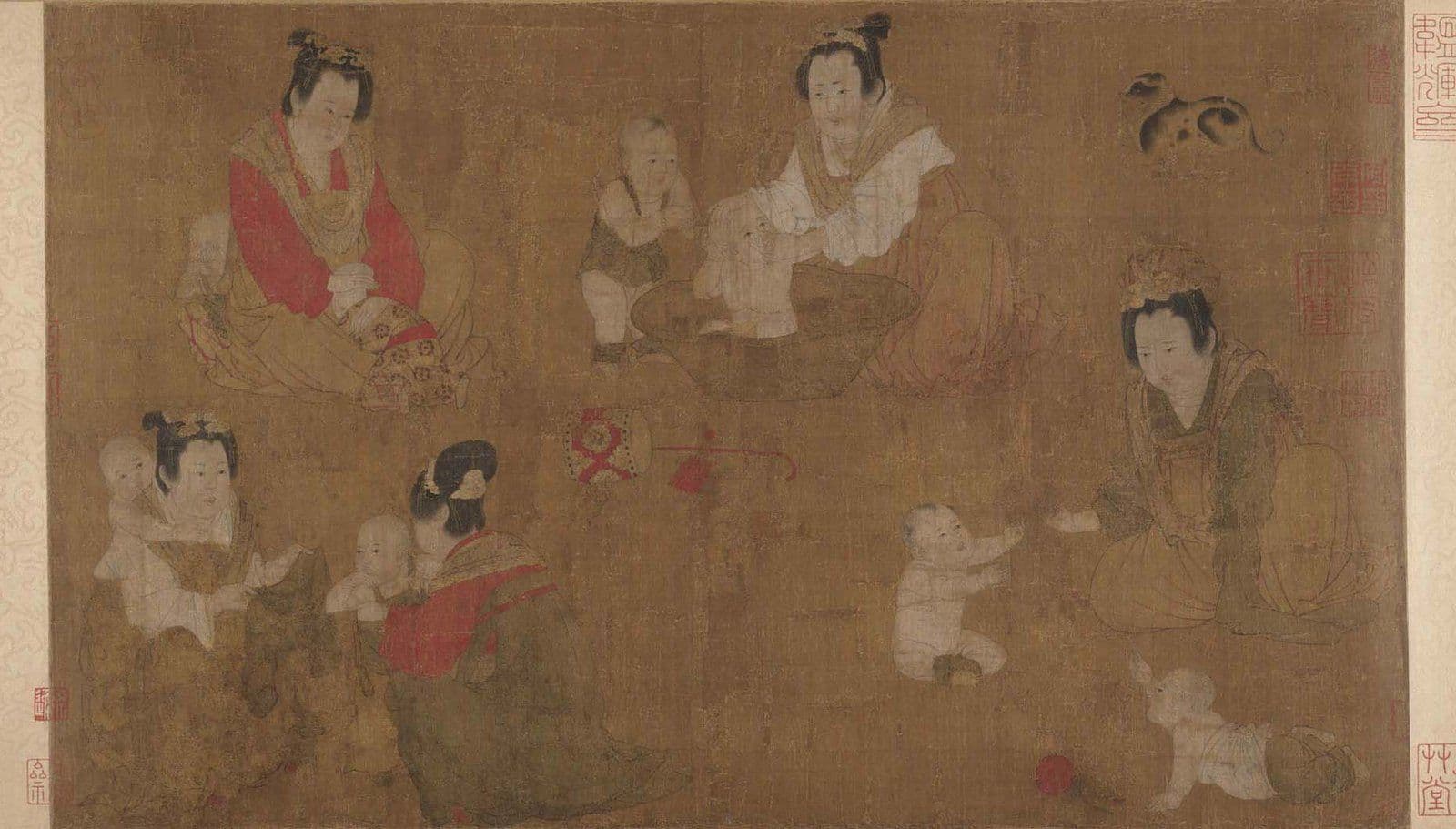
Lin Fengmian: The Painter Who Fused Chinese Ink with Modern Paris
Lin Fengmian fused Chinese ink with Parisian modernism in square-format opera figures and ladies. His life, his style, and what collectors should check.
July 19, 20268 min read
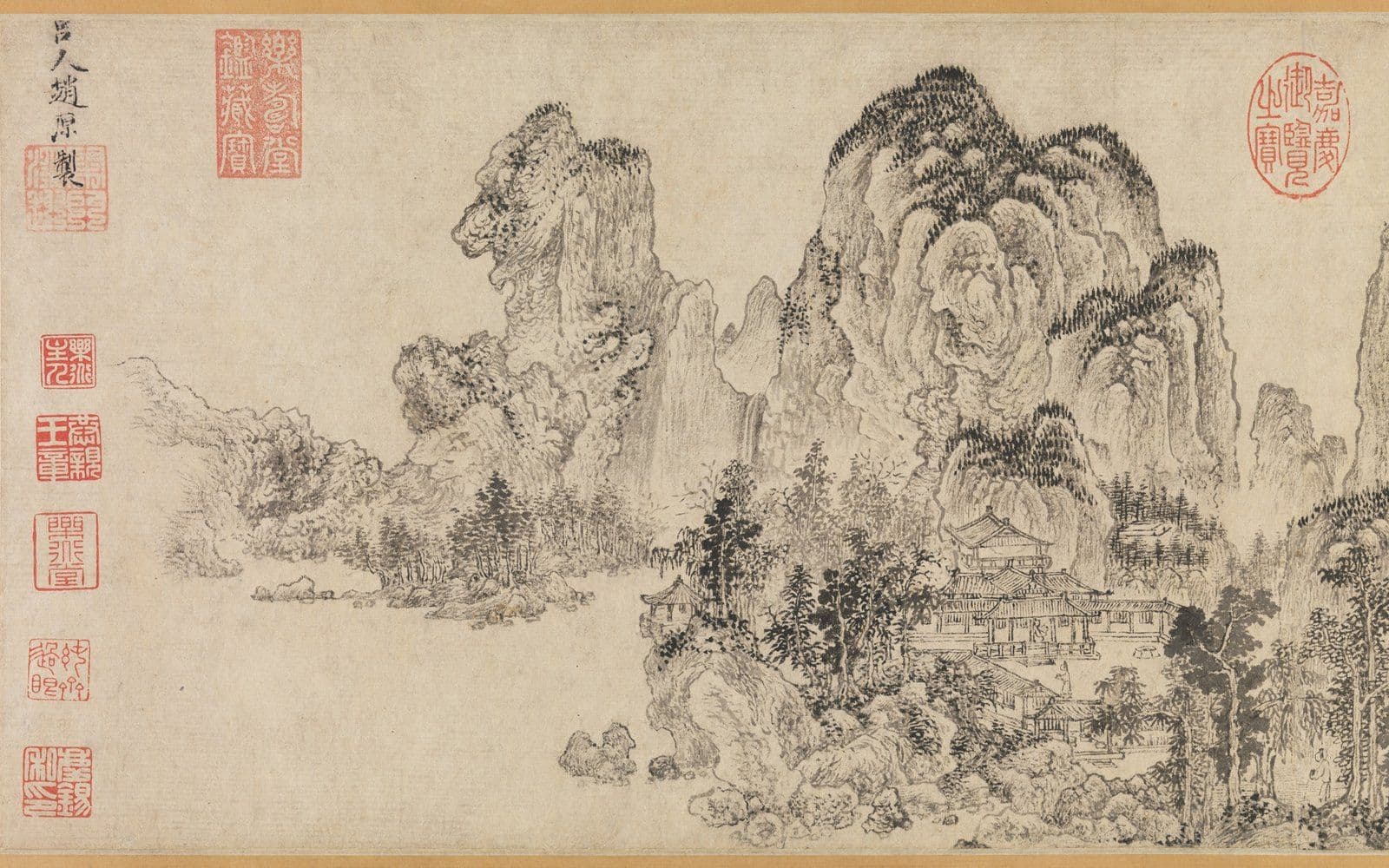
Chinese Handscrolls: How to View and Read One Properly
How a Chinese handscroll is meant to be viewed - section by section, right to left - and how to read the frontispiece, colophons and collector seals.
July 18, 20267 min read
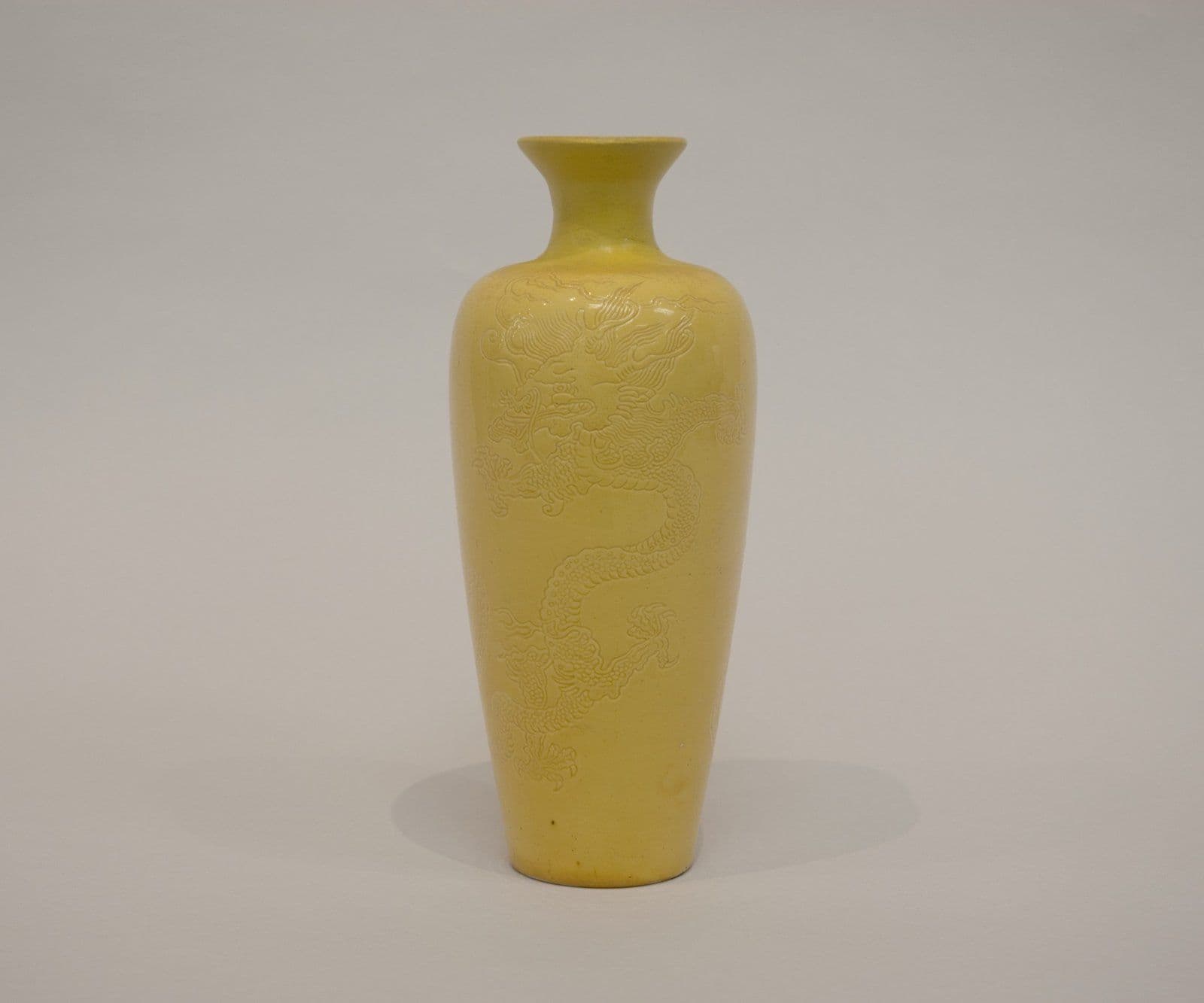
Imperial Yellow Porcelain: Who Could Use It, How to Date It
Imperial yellow explained: how the glaze was fired, which ranks at the Qing court were allowed it, and the checks that date an unmarked yellow piece.
July 18, 20268 min read
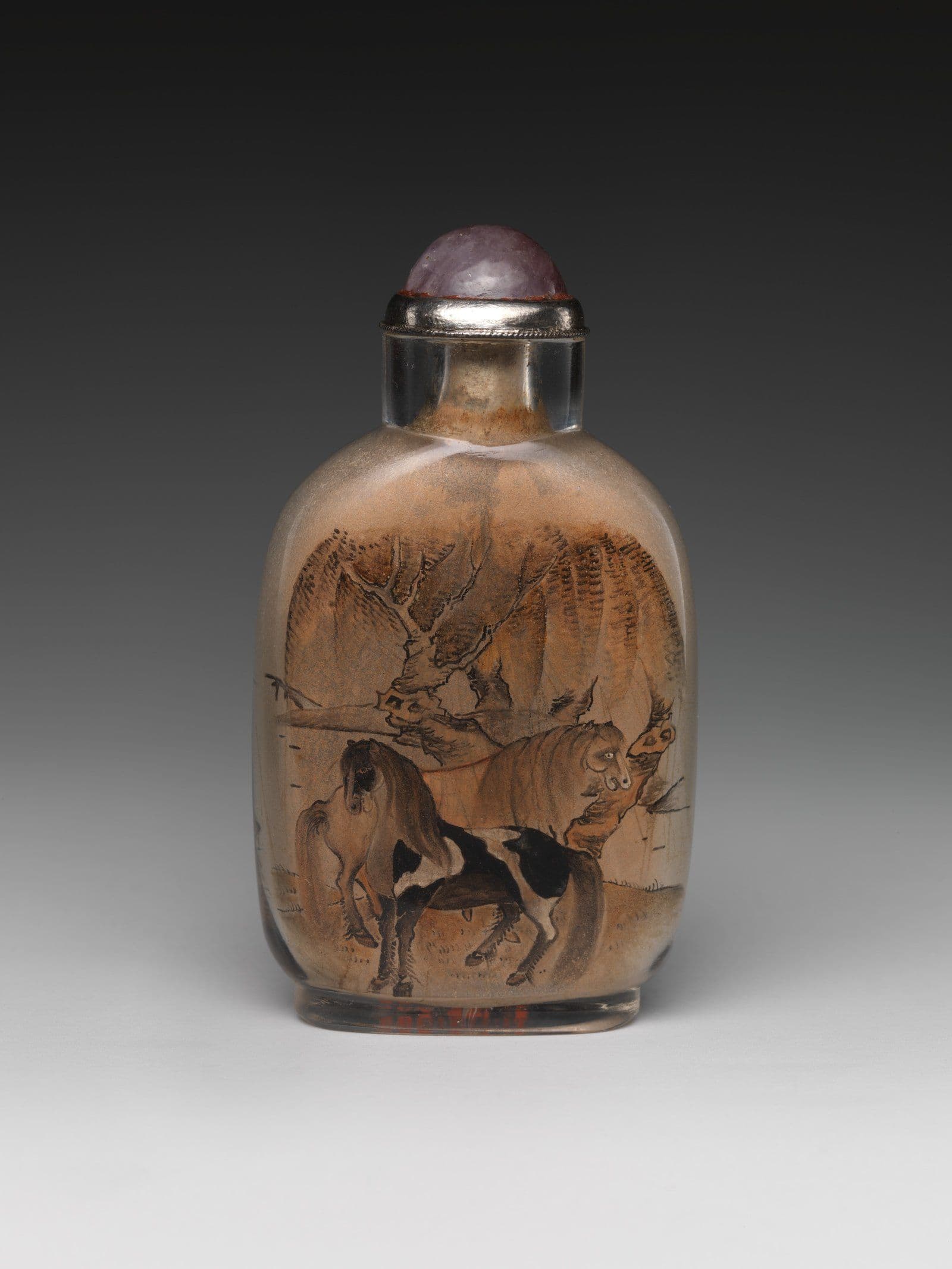
Chinese Snuff Bottles: A Collector's Guide to the Palm-Size Art
Chinese snuff bottles pack glass, jade, and inside-painted artistry into a palm-size format. What they are, what drives value, and how to start collecting.
July 18, 20268 min read
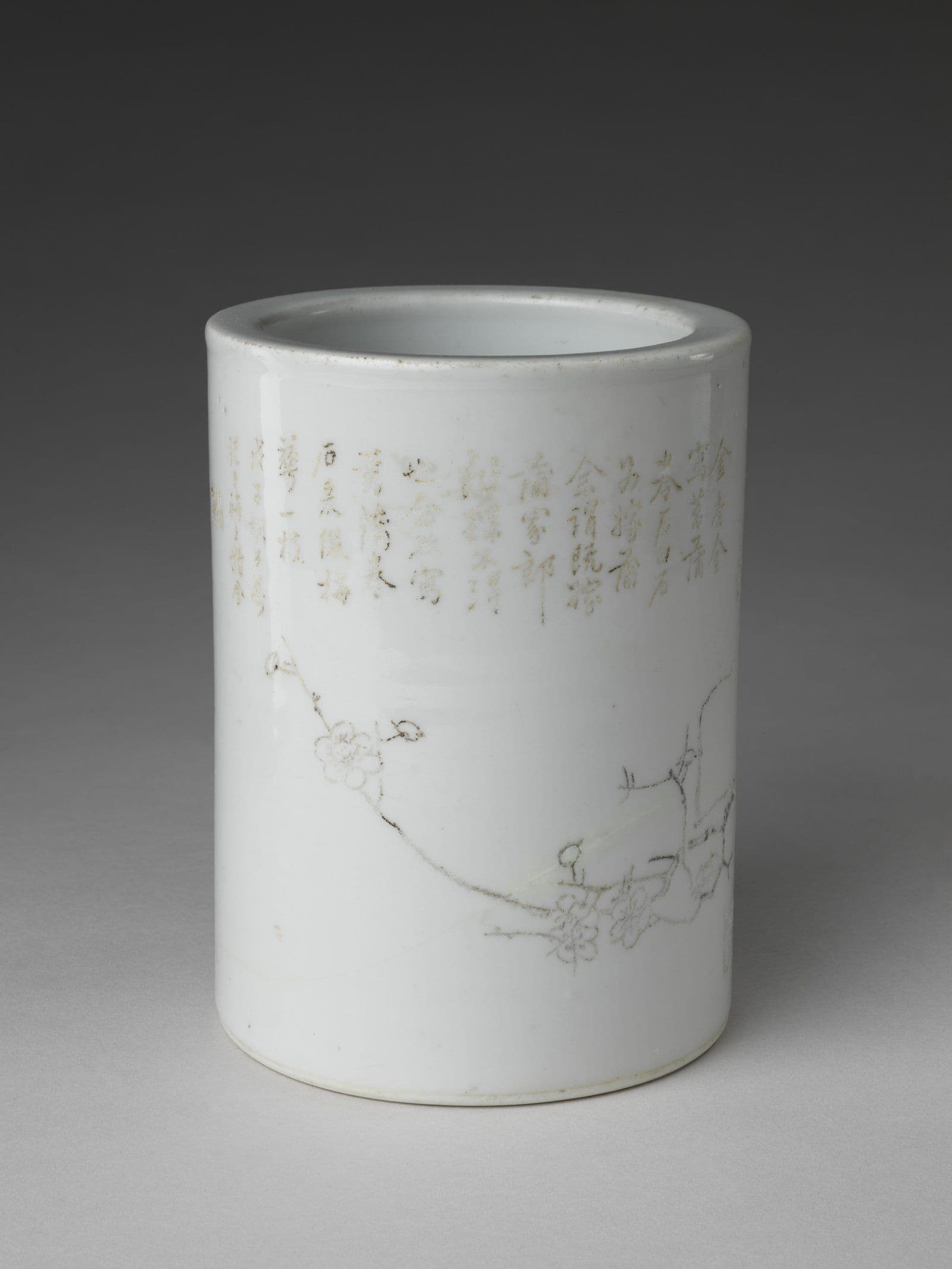
Collecting 20th-Century Chinese Porcelain: Late Qing to PRC
Twentieth-century Chinese porcelain is the field's last value corner: dated, signed, and affordable. A collector's map from late Qing to PRC studio wares.
July 17, 20268 min read
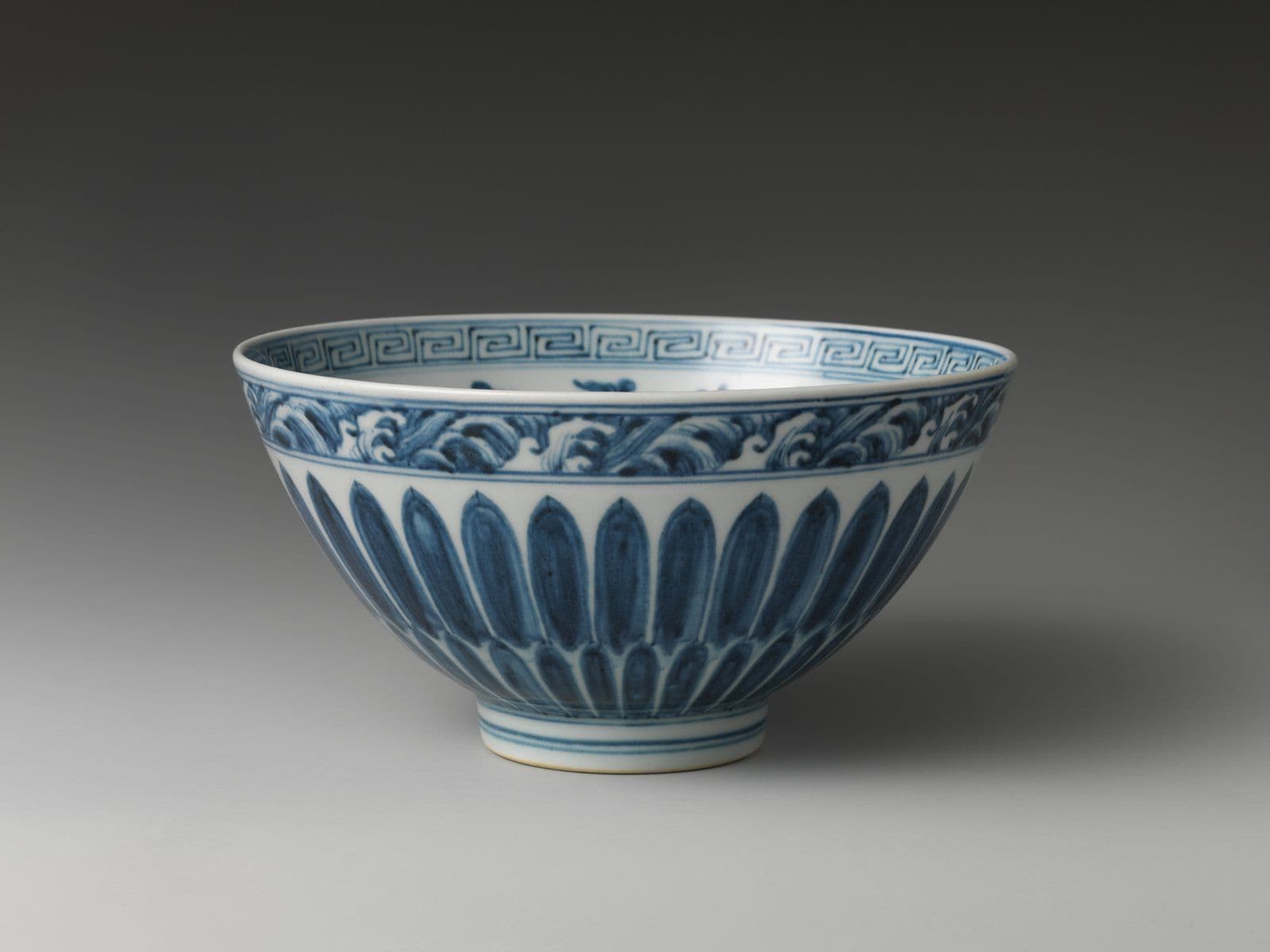
Xuande Reign Marks: Identifying the Most Copied Early Ming Mark
The Xuande mark is the most copied early Ming reign mark in Chinese porcelain. Here is what a genuine 1426-35 mark looks like - and how to place the copies.
July 17, 20268 min read
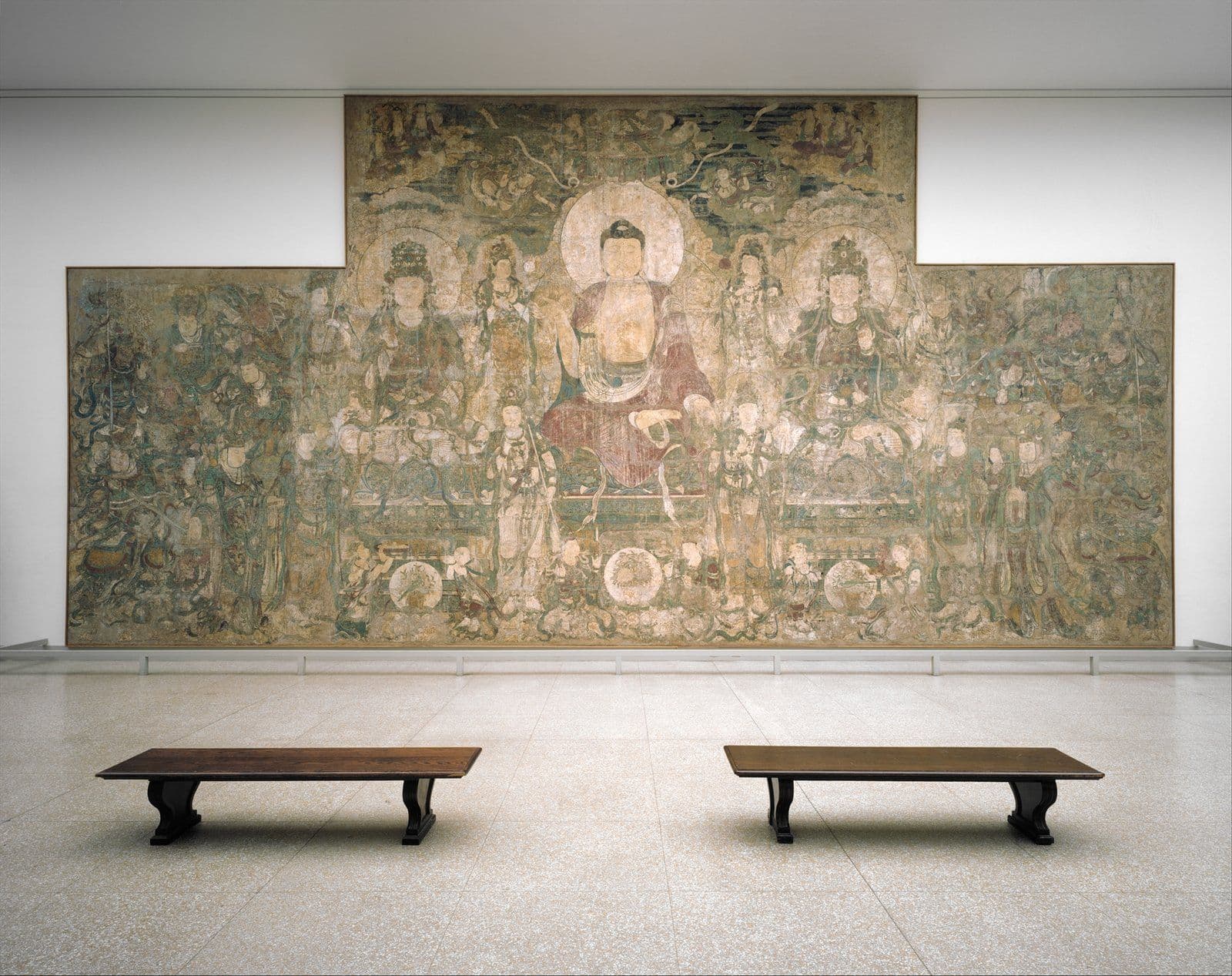
Zhang Daqian at Dunhuang: The Cave Years That Changed His Color
In 1941 Zhang Daqian left fame behind for the Mogao caves at Dunhuang. What he copied there, the controversy that followed, and how it changed his color.
July 17, 20268 min read
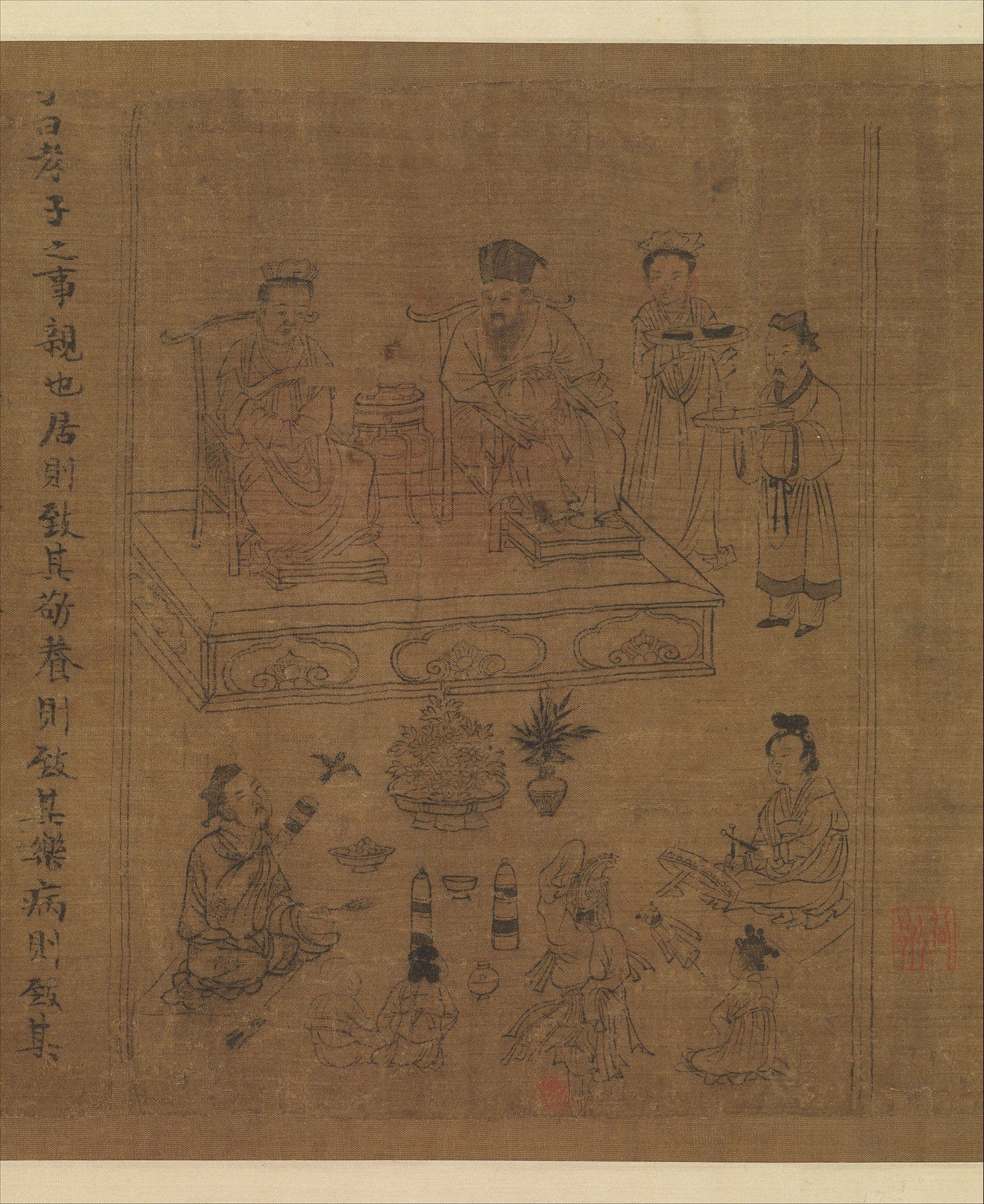
Provenance for Chinese Art: Reading Labels, Old Sale Records, and Collection Seals
Collector seals, dealer labels, old auction records, Japanese storage boxes, publication history — the layers of provenance evidence for Chinese art, how to weigh each one, and the red flags that should stop a purchase.
July 16, 20268 min read
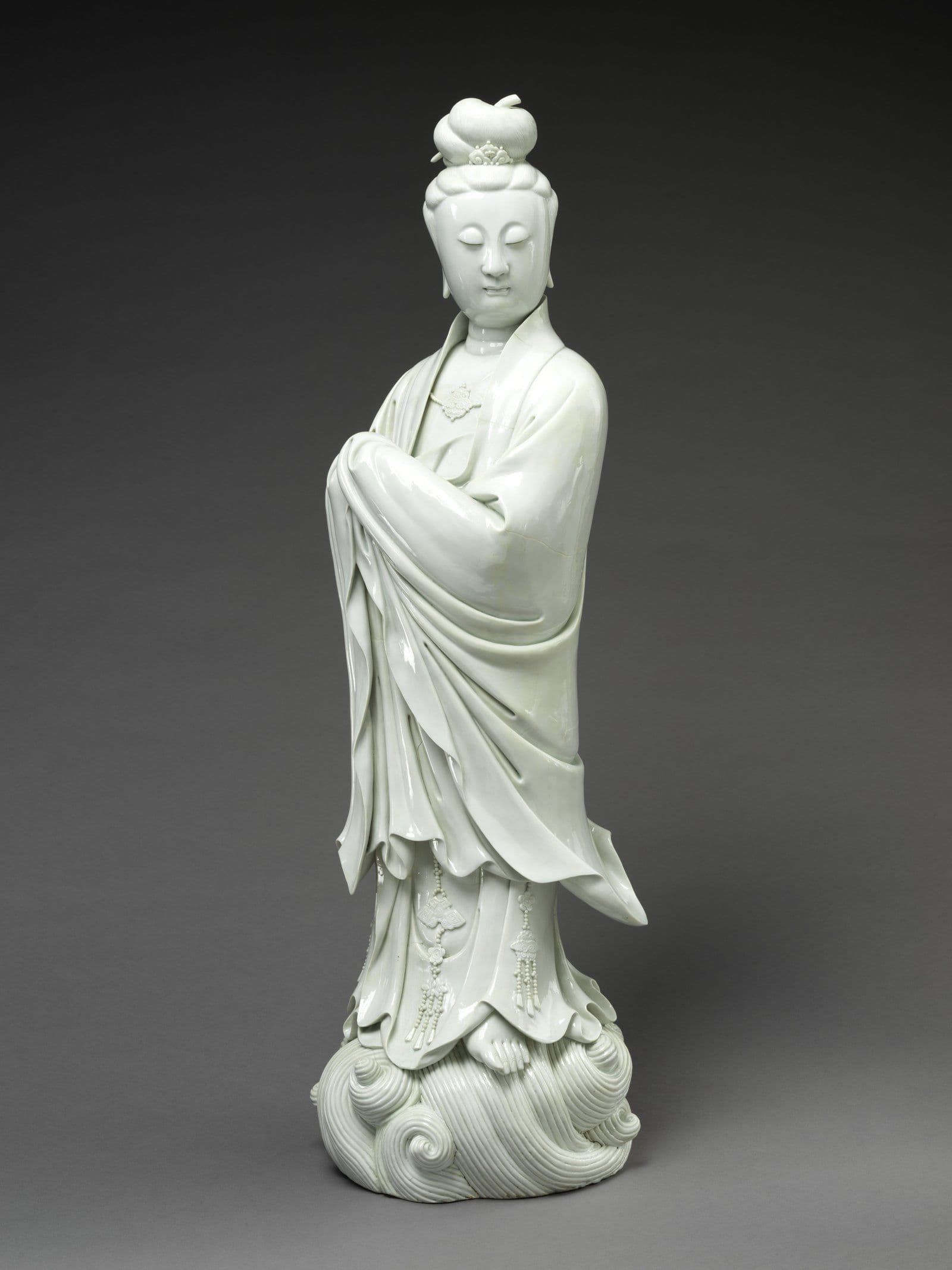
Dehua Blanc de Chine: A Collector's Guide to Chinese White Porcelain
Dehua ware — blanc de Chine — is the white porcelain of coastal Fujian: Guanyin figures, ivory glazes, and the He Chaozong tradition. A collector's guide to reading tone, modelling quality, and the most copied marks in white porcelain.
July 16, 20267 min read
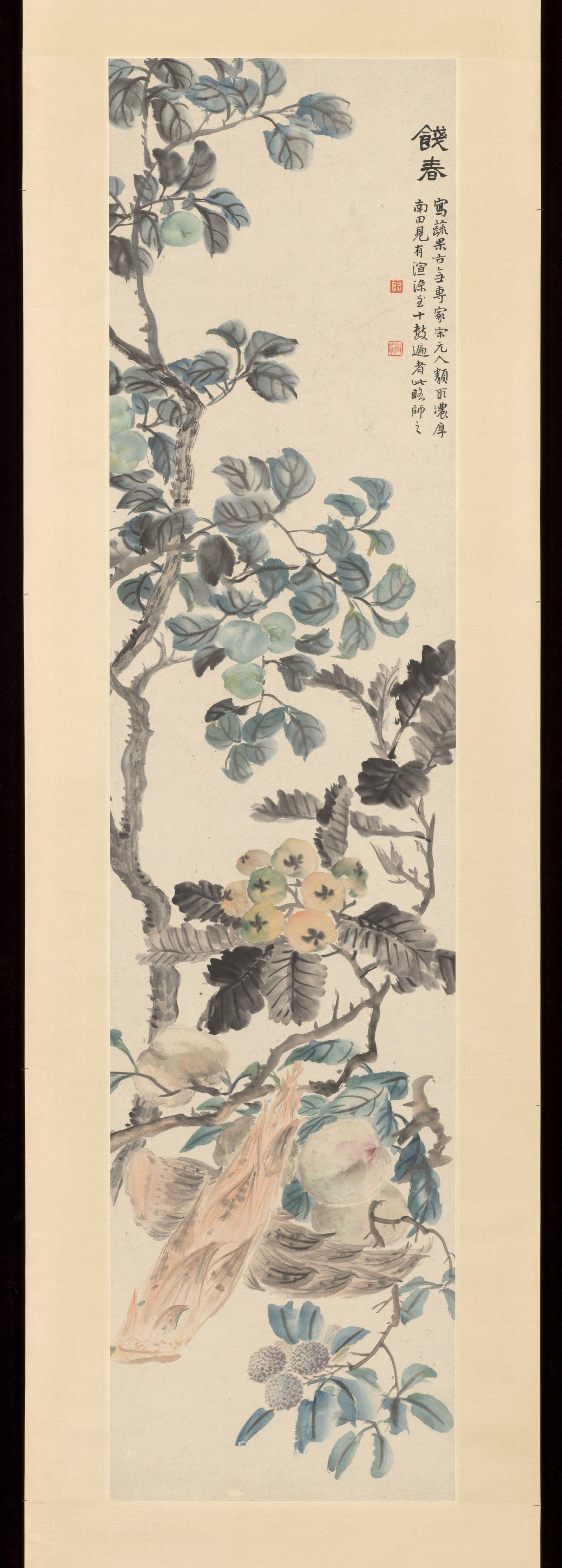
Wu Changshuo: The Seal Carver Who Reinvented Chinese Flower Painting
Wu Changshuo (1844–1927) came to painting late, through seal carving and Stone Drum calligraphy, and made wisteria and plum monumental. How to read his epigraphic brush line, and why nearly every modern master painted in his shadow.
July 16, 20269 min read
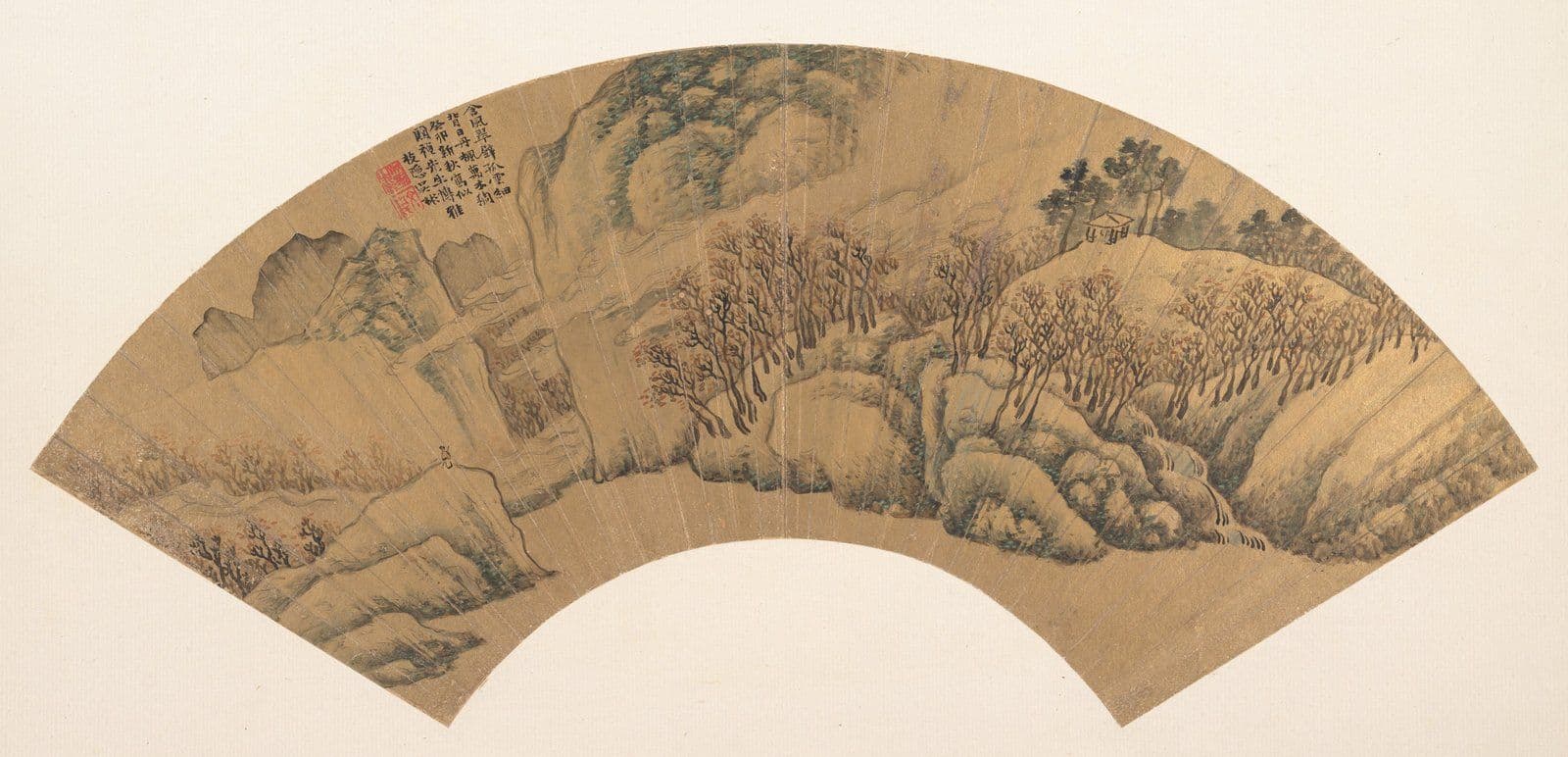
Album Leaves and Fan Paintings: The Affordable Formats of Chinese Painting
Album leaves and fan paintings are the intimate, affordable formats of Chinese painting. What they are, how they were remounted, and what to check before buying.
July 15, 20269 min read
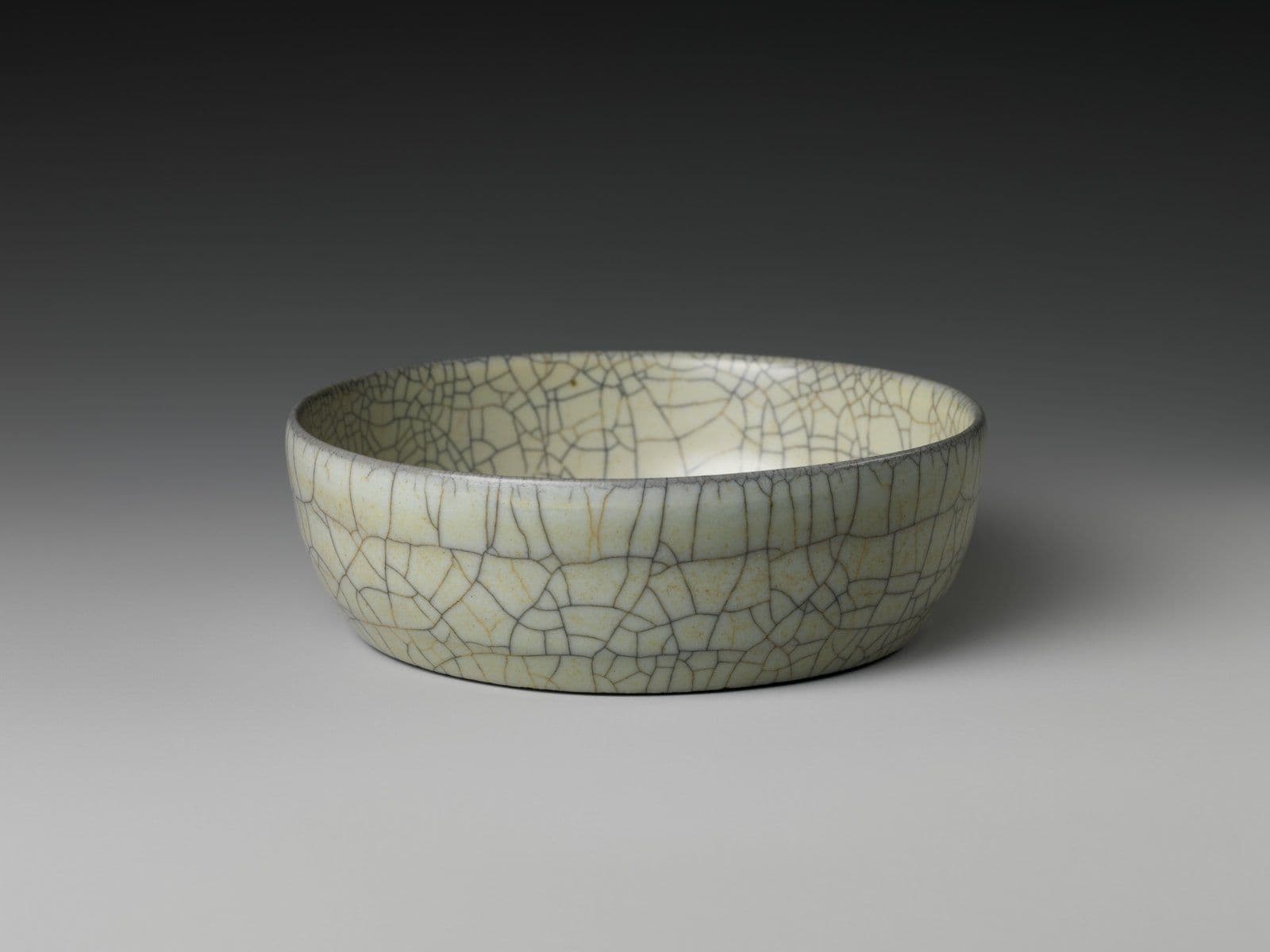
Ge Ware and Crackle Glazes: Reading the Cracks in Chinese Ceramics
Ge ware made cracks the decoration. What crackle glaze is, how the gold-thread-and-iron-wire surface works, and how to tell intentional crackle from damage.
July 15, 20269 min read
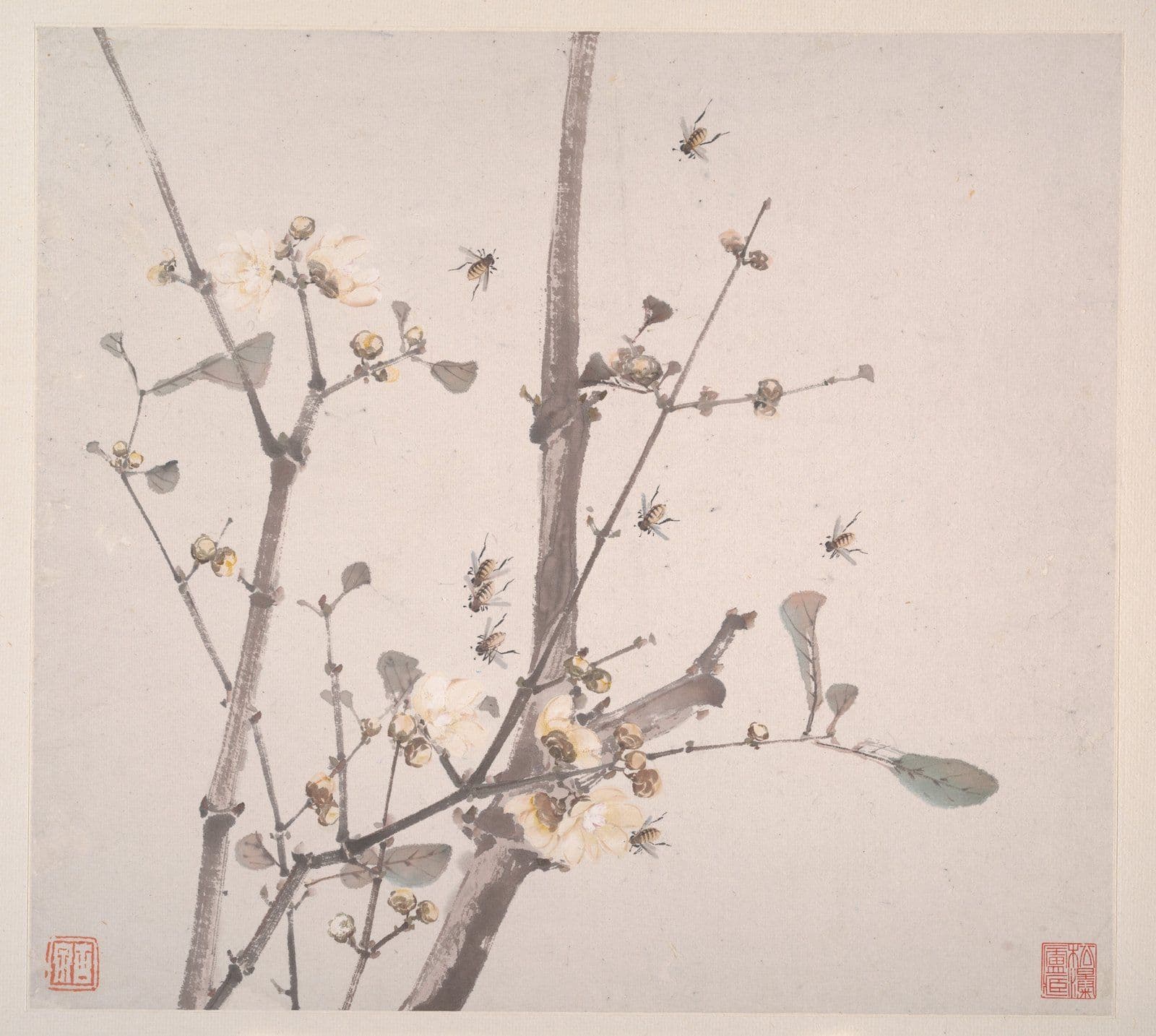
Qi Baishi's Insects: The Meticulous Miniatures Inside the Freehand Master
Qi Baishi's grass-and-insect paintings pair meticulous gongbi insects with freehand plants. How the double technique works, what it meant, and how to judge one.
July 15, 20269 min read
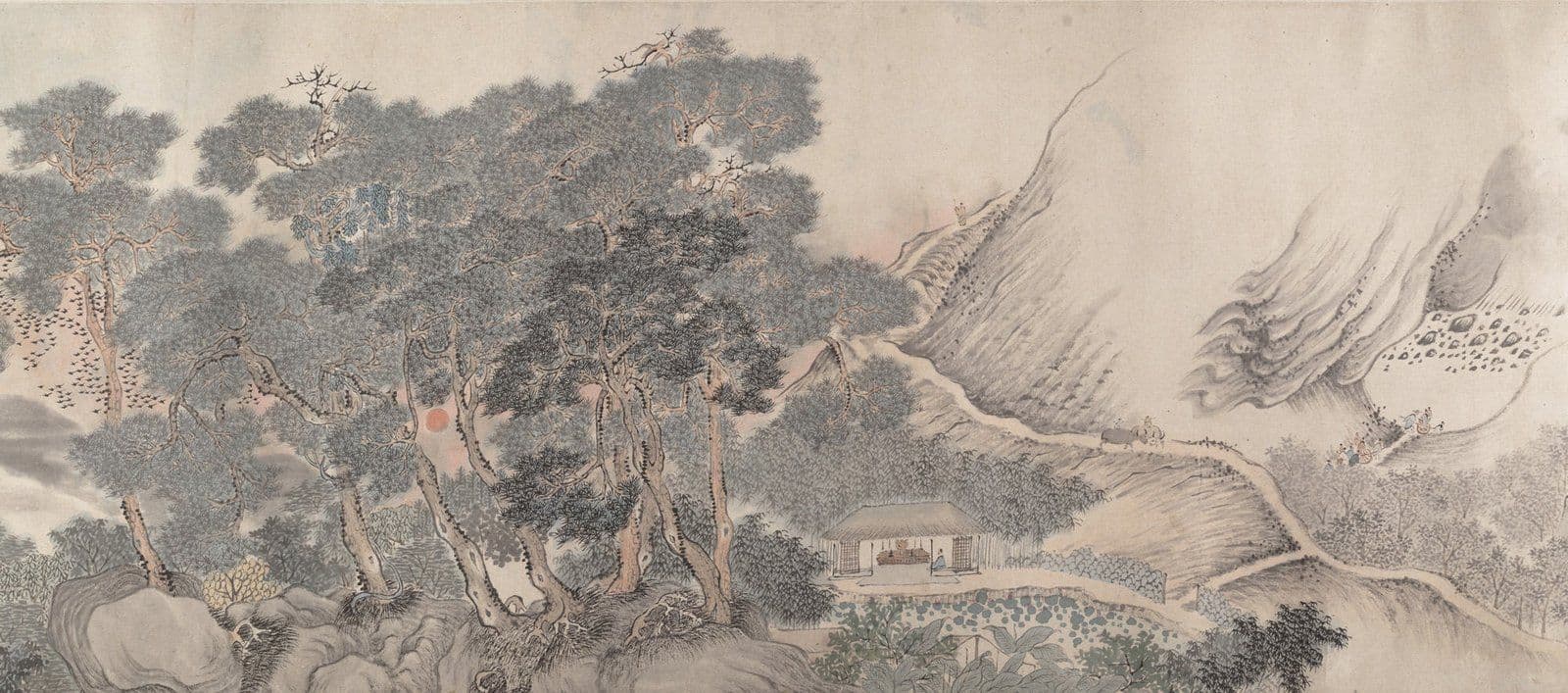
How to Authenticate a Chinese Painting: What Experts Check
How specialists authenticate a Chinese painting: brushwork against the secure corpus, the calligraphy test, what seals prove, and materials dating.
July 14, 20268 min read
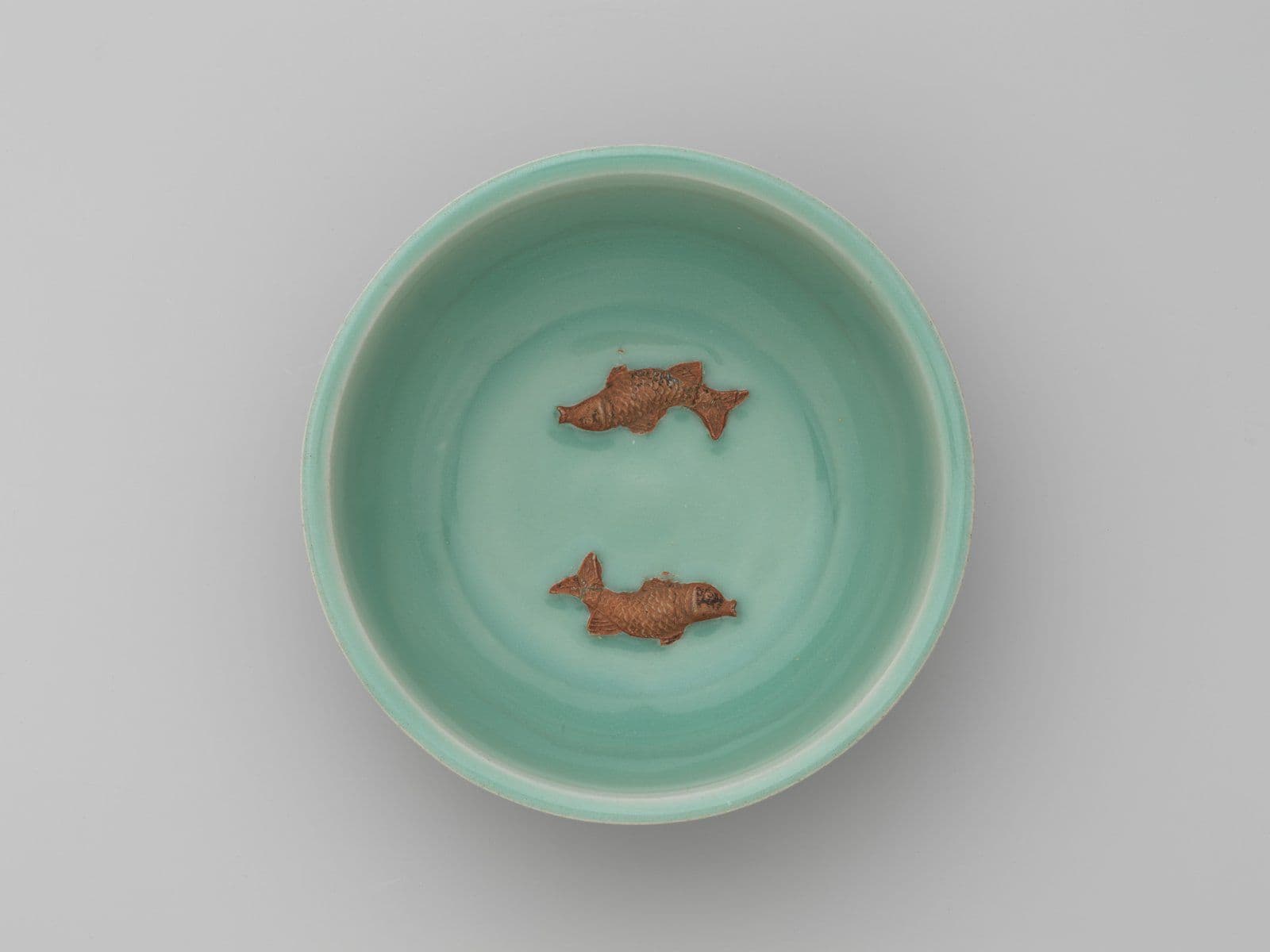
Longquan Celadon: How to Identify and Date the Green Glaze
Longquan celadon identified: the Southern Song glaze colours, how the wares changed through Yuan and Ming, and the foot and weight checks that date one.
July 14, 20267 min read
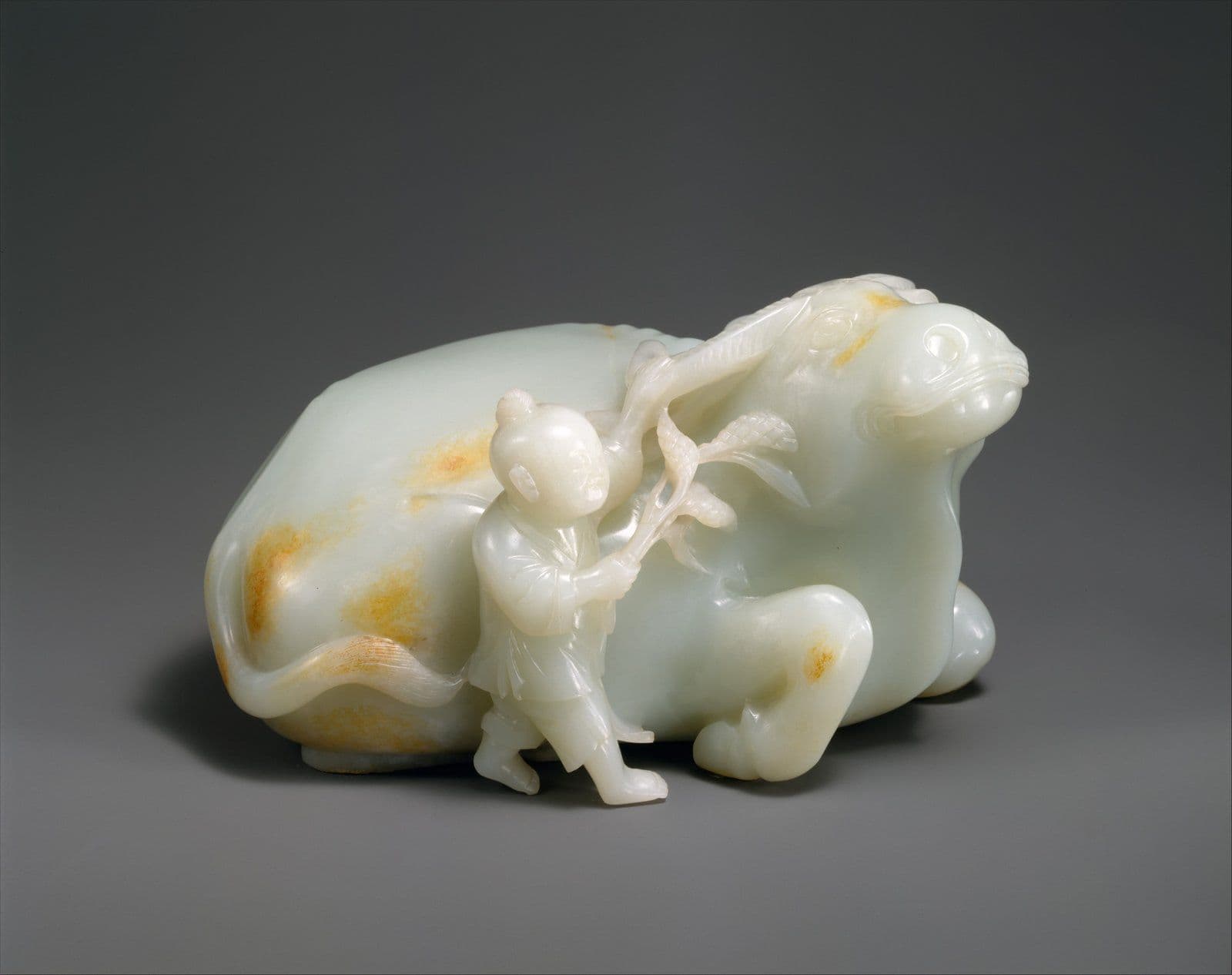
Li Keran's Water Buffalo: The Herdboy Paintings Behind the Landscape Master
Li Keran's buffalo-and-herdboy paintings are the intimate counterpart to his monumental landscapes. How the wet-ink technique works, what the ox meant to him, and how to vet a heavily forged subject.
July 14, 20267 min read
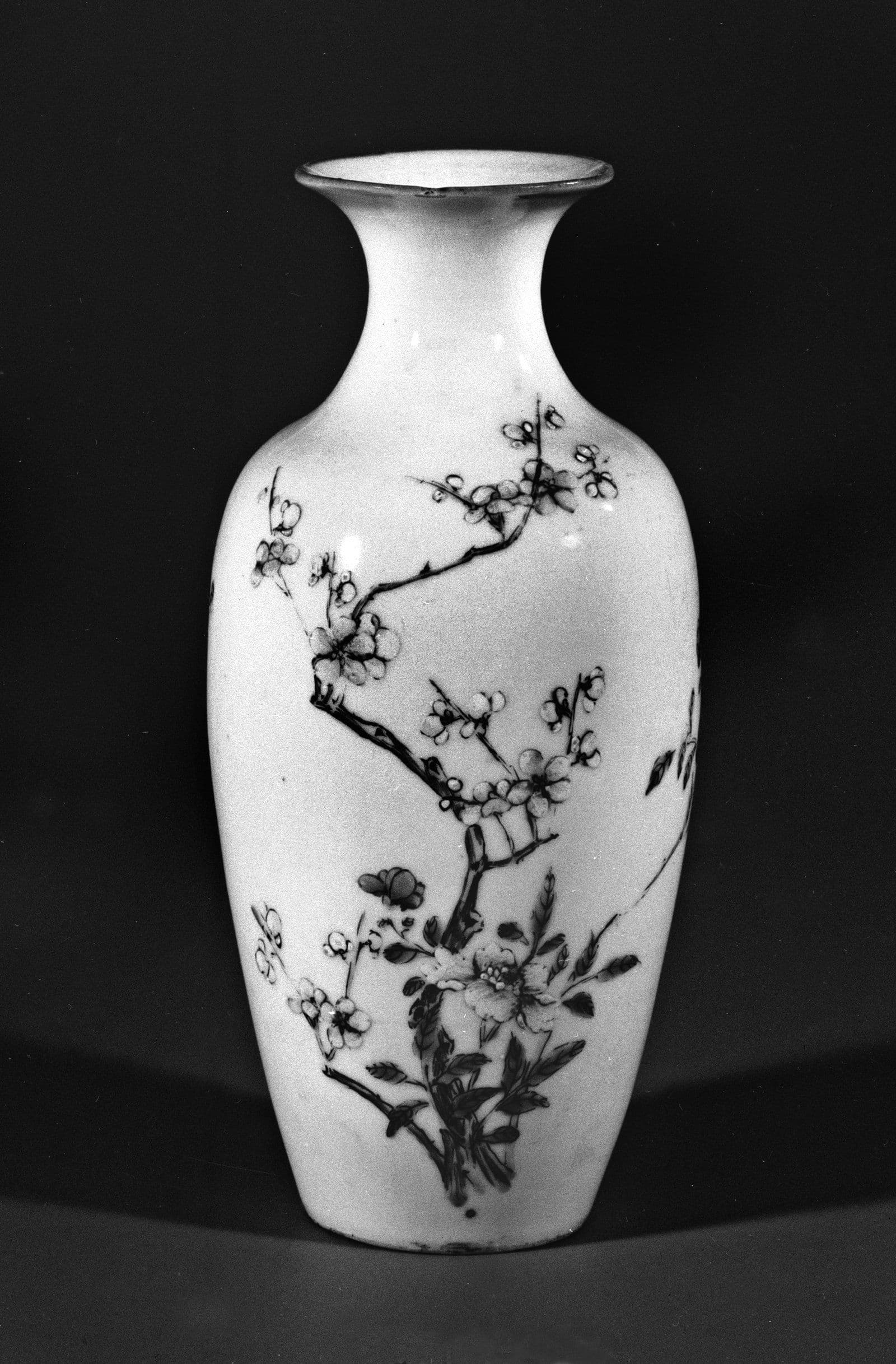
How to Buy Chinese Art at Auction: A First-Time Bidder's Playbook
A first-time bidder's guide to buying Chinese art at auction: how estimates and reserves work, what catalog wording really claims, and how to calculate the true all-in cost.
July 13, 20268 min read
Chinese Calligraphy: Seal, Clerical, Regular, Running, Cursive
The five scripts of Chinese calligraphy — seal, clerical, regular, running and cursive — and the stroke cues that tell each one apart at a glance.
July 13, 20268 min read
Pan Tianshou's Birds and Rocks: Monumental Composition in Modern Chinese Painting
Pan Tianshou rebuilt Chinese flower-and-bird painting at monumental scale. How his rock-and-vulture compositions work, what finger painting is, and how to vet works bearing his name.
July 13, 20269 min read
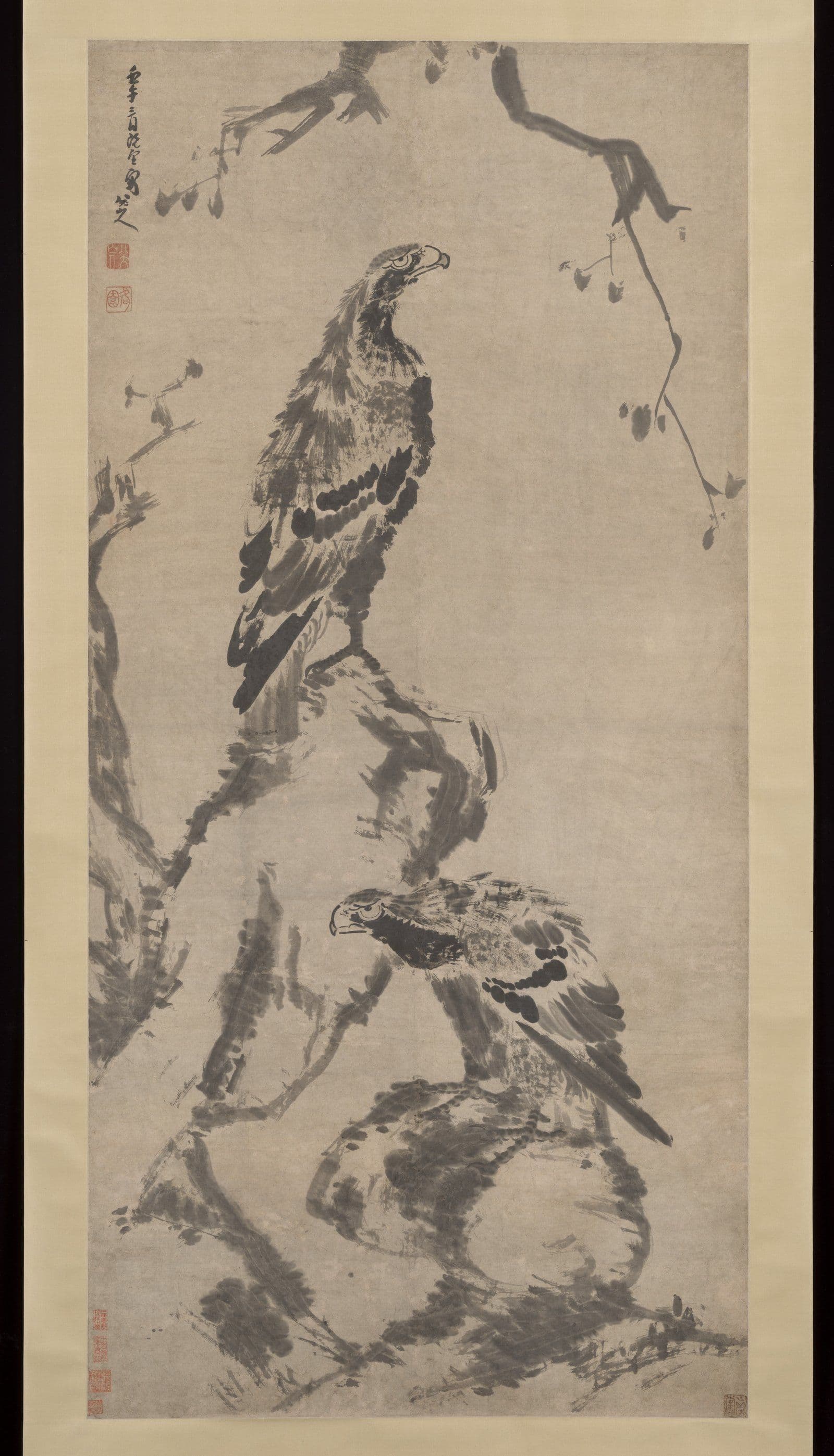
Li Kuchan's Eagles: Big-Brush Freehand in the Qi Baishi Line
Li Kuchan's big-freehand eagle paintings explained: the Qi Baishi apprenticeship, the composite raptor, the symbolism, and a collector's checklist.
July 12, 20267 min read
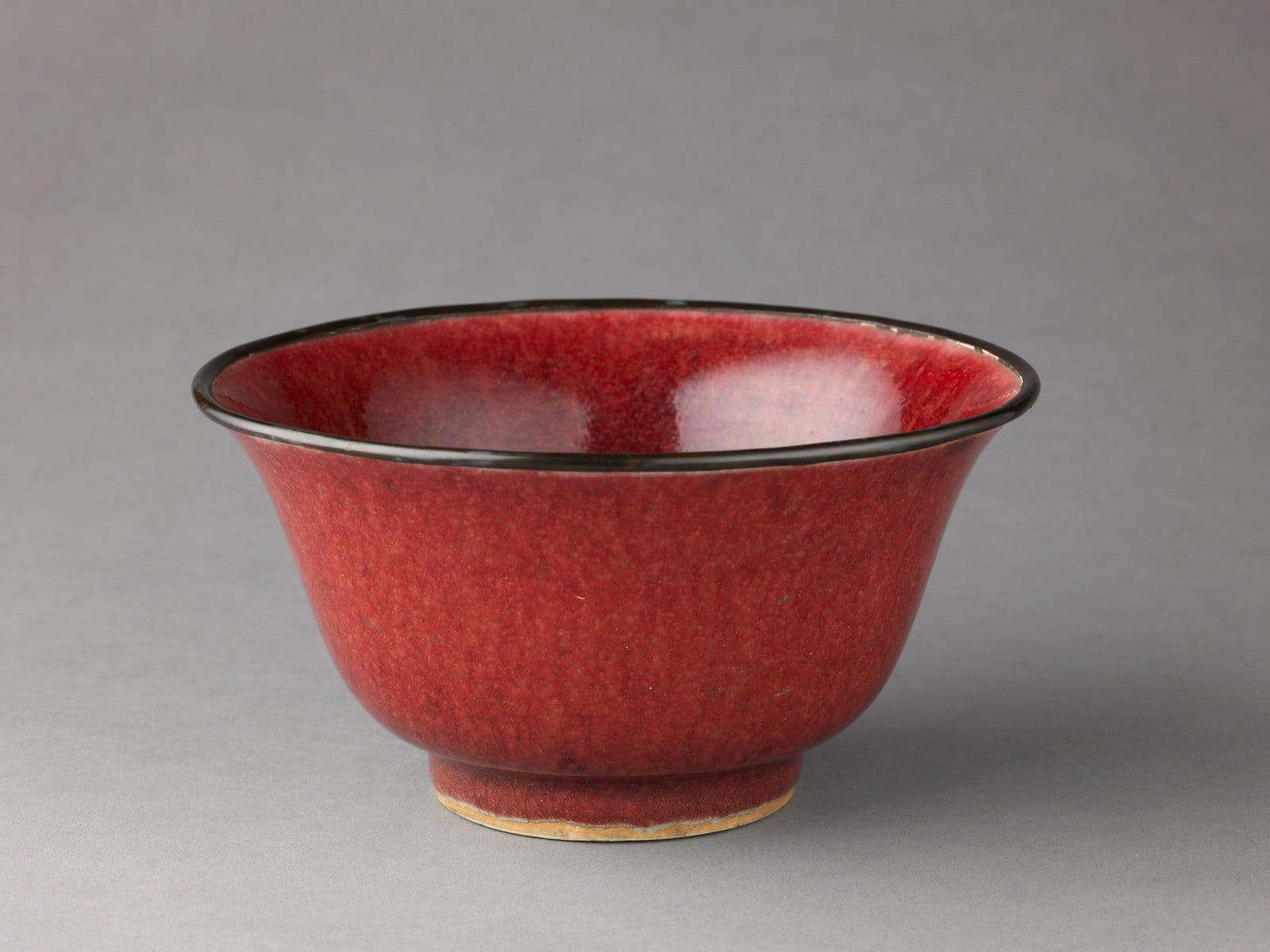
Chinese Monochrome Glazes: Sang-de-Boeuf, Celadon & Beyond
A collector's guide to Chinese monochrome porcelain glazes: sang-de-boeuf, peachbloom, celadon, imperial yellow, tea-dust and more — eras, tells, evaluation.
July 12, 20268 min read
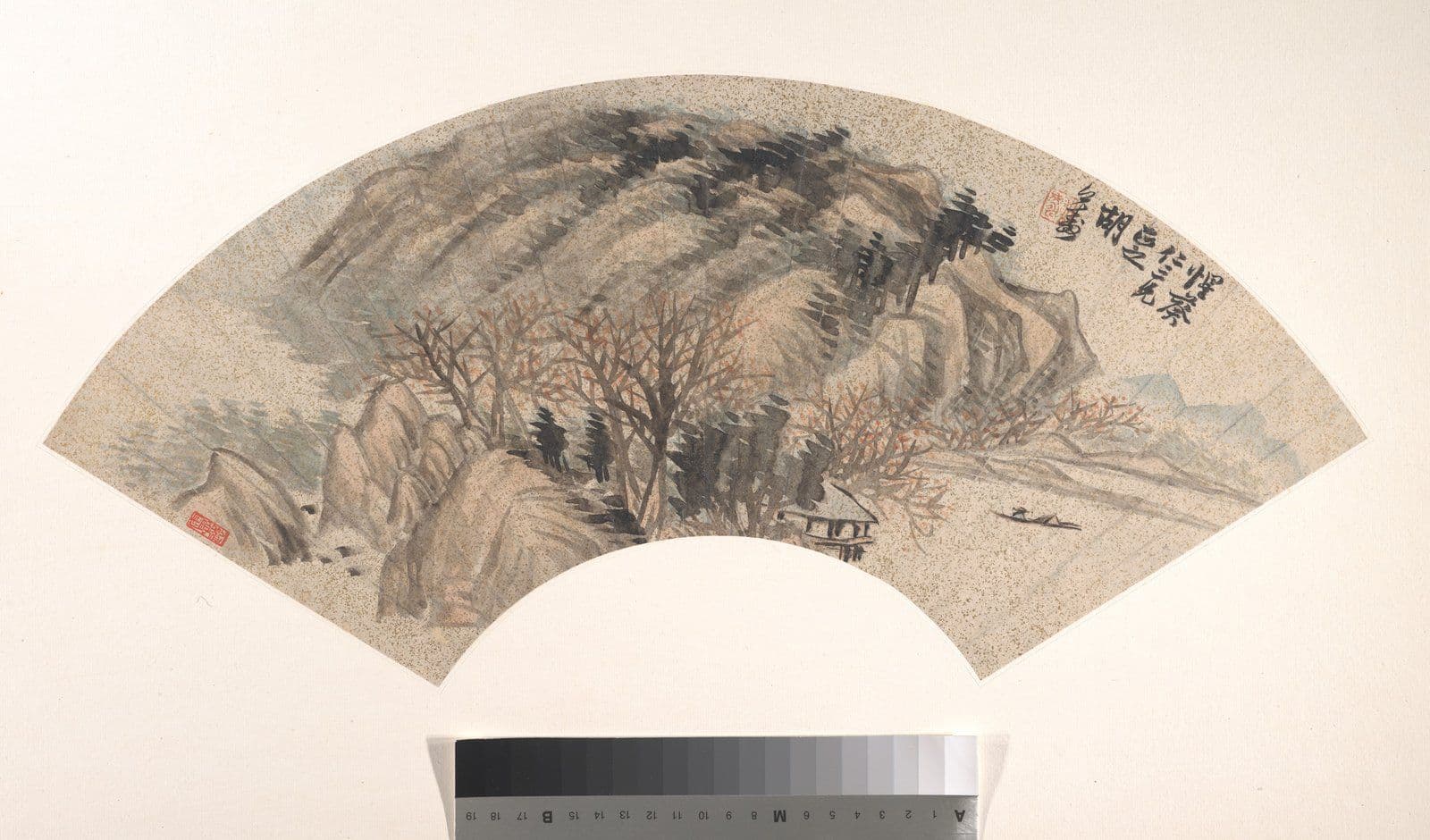
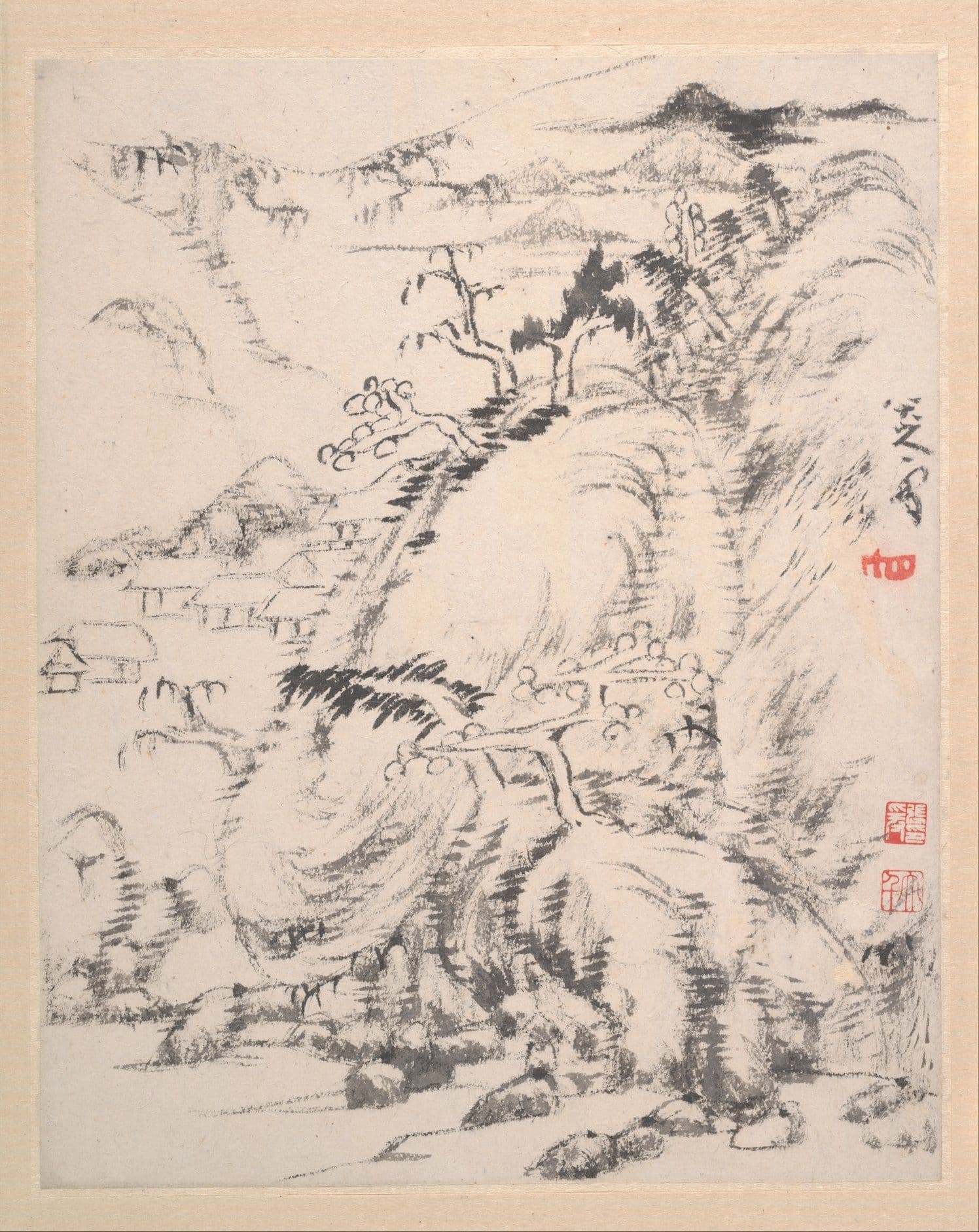
Huang Binhong's Black Landscapes: Reading the Dense Late Style
Huang Binhong's black, dense late landscapes explained — the accumulated ink technique, the five brushes and seven inks, dating, and authentication basics.
July 12, 20269 min read
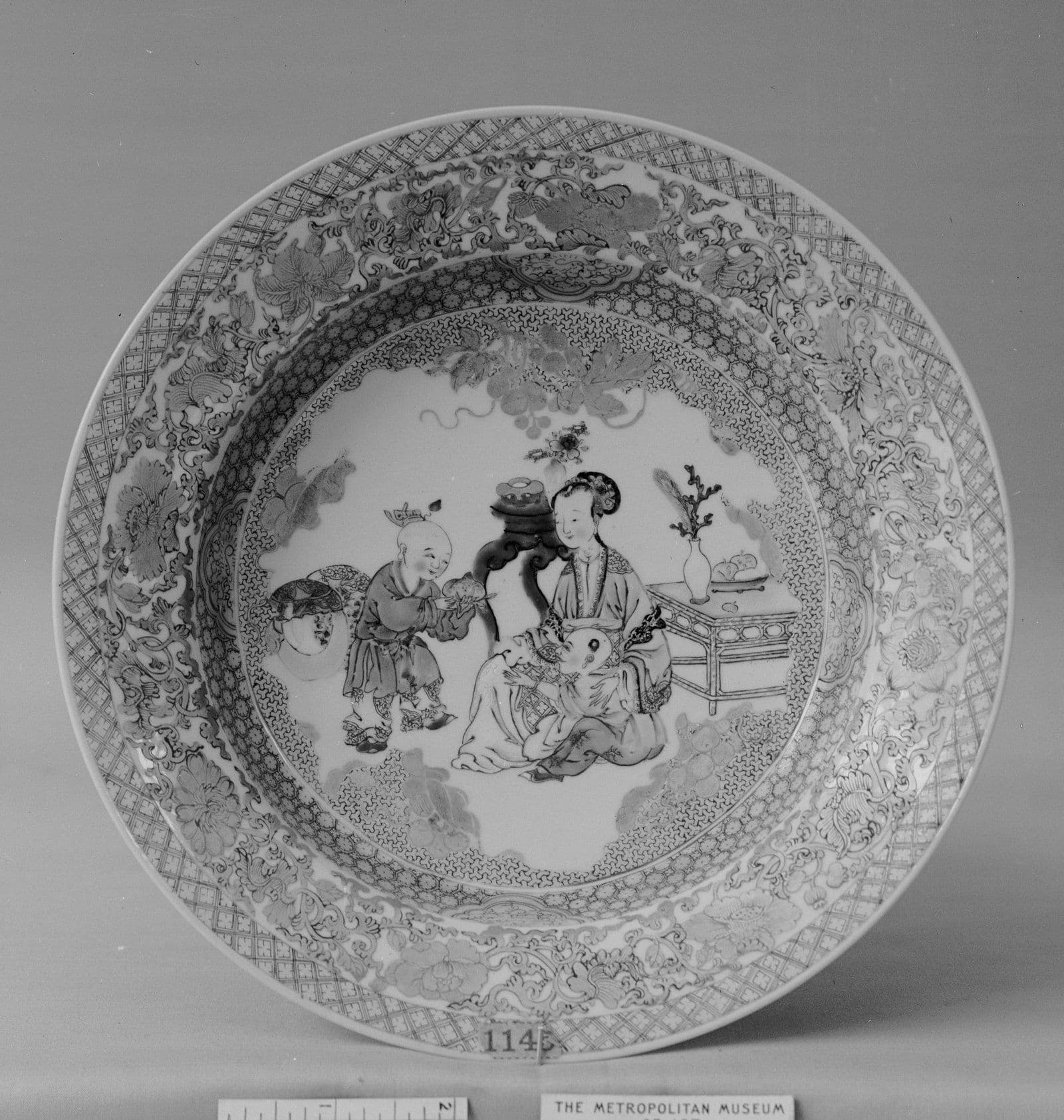
Famille Rose Porcelain: Qing Overglaze Enamels vs Famille Verte
Famille rose porcelain: overglaze enamels developed in the Qing dynasty and fixed by multiple low-temperature firings, and how to tell them from famille verte.
July 11, 20267 min read
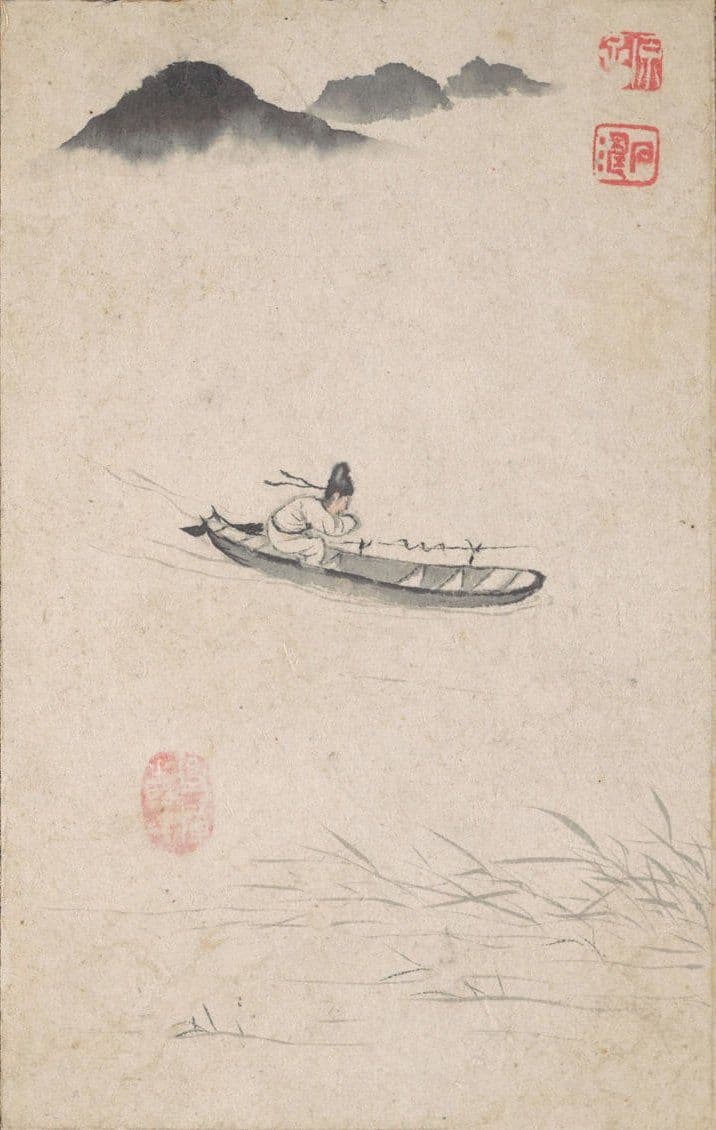
How to Read and Translate a Chinese Painting Inscription
How to read and translate a Chinese painting inscription: find the signature, decode the cyclical date and dedication, and read the seals, no Chinese needed.
July 11, 20268 min read
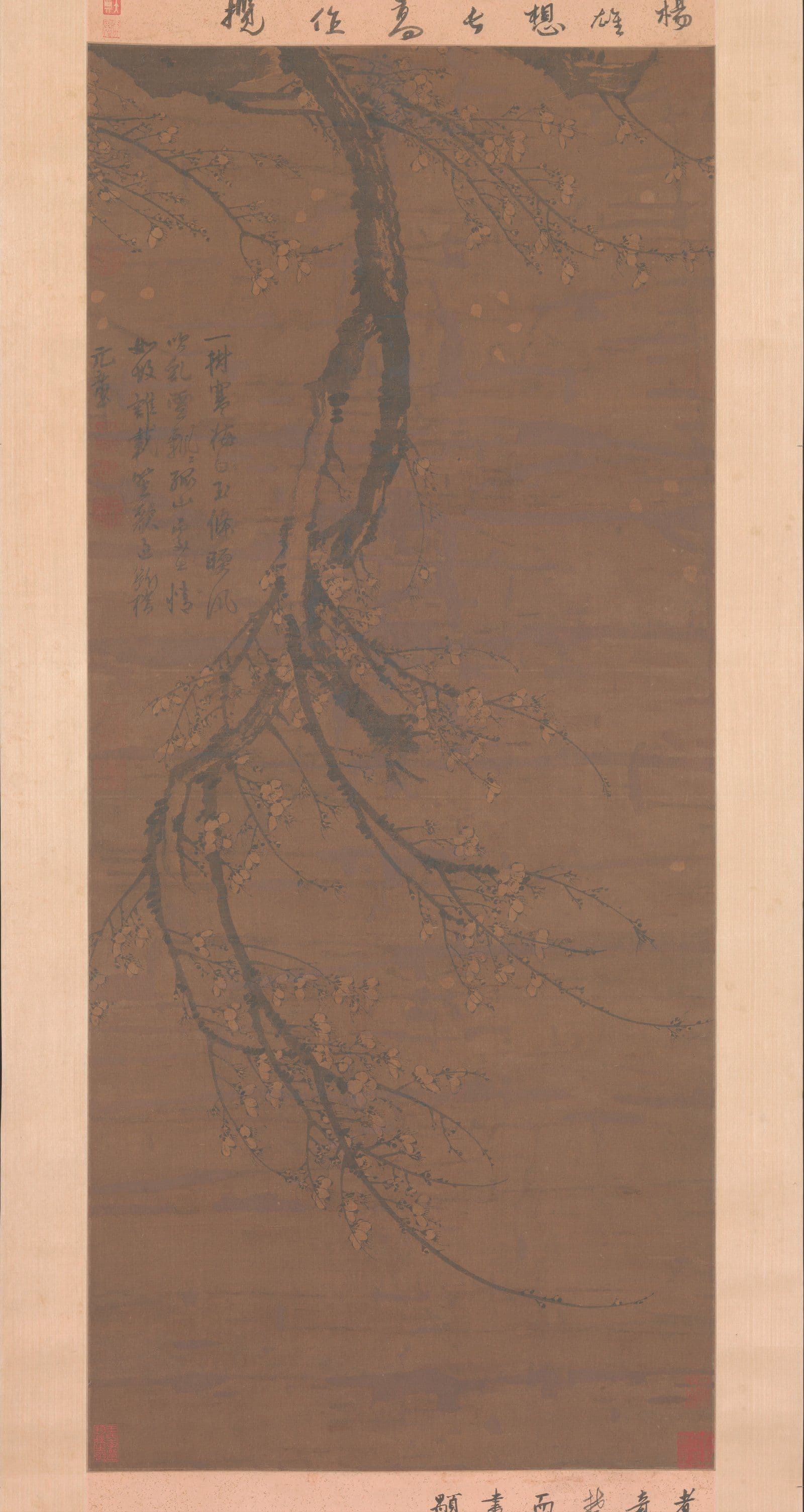
Guan Shanyue's Plum Blossoms: The Lingnan Master's Red Plum
Guan Shanyue's plum blossom paintings turned a sparse literati emblem into a monumental red icon. How to recognize his style — and vet a work before buying.
July 11, 20268 min read
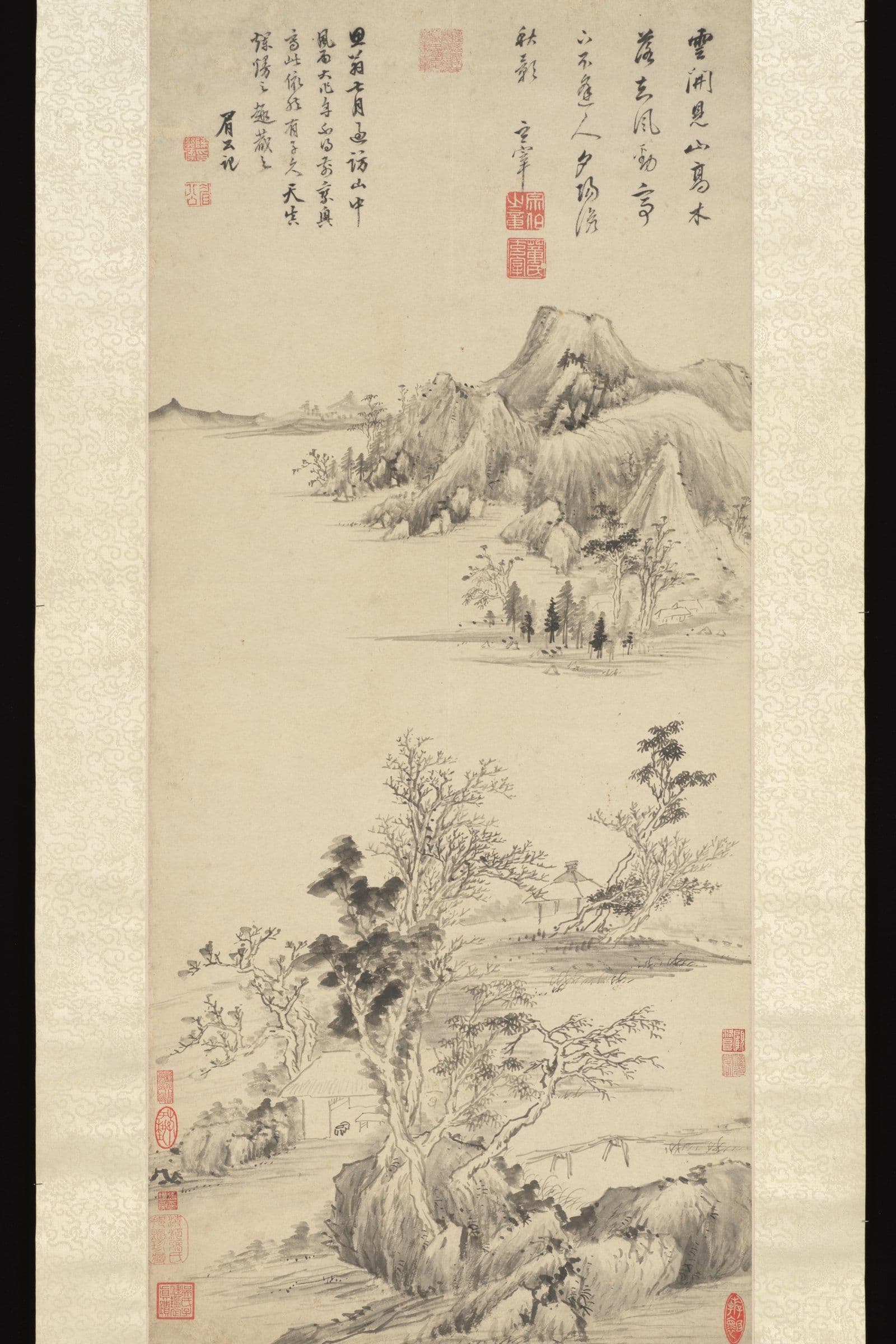
Li Keran Red Mountains: How to Recognise the Series and Its Value
Li Keran's red-mountain landscapes are his most collected work. Learn how to recognise the cinnabar layering, date the series, and read auction results before you buy.
June 6, 20268 min read
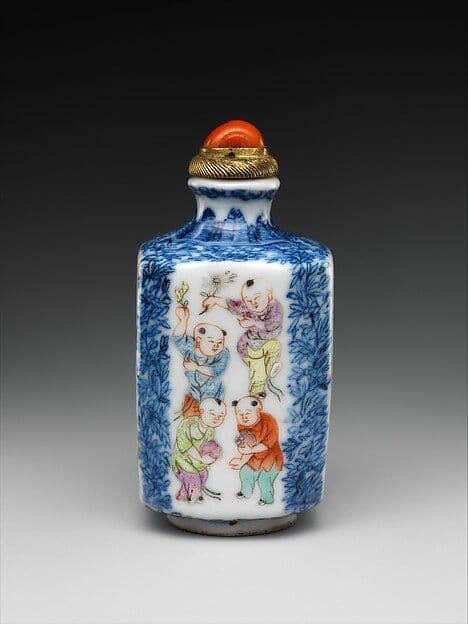
How to Care for Chinese Porcelain: A Practical Collector's Guide
A practical care guide for Chinese porcelain collectors — handling, cleaning, display, climate, old repairs, and storage routines that preserve value across decades.
June 4, 202610 min read
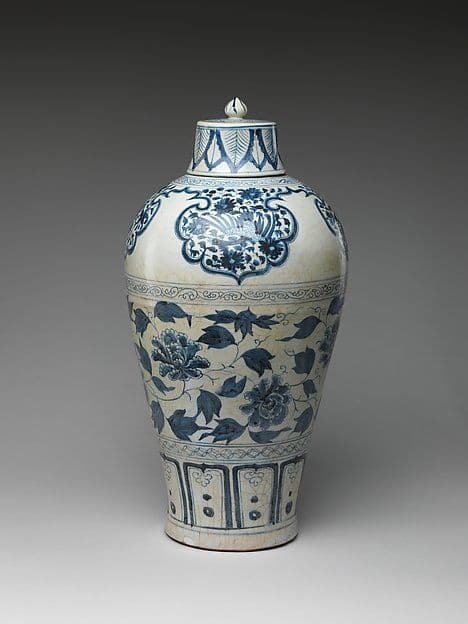
Underglaze Cobalt Blue: How Blue and White Porcelain Is Made
Underglaze cobalt painted on the body, sealed under clear glaze and fired high: how the blue was sourced, how it reads, and how it dates a piece.
June 3, 20269 min read
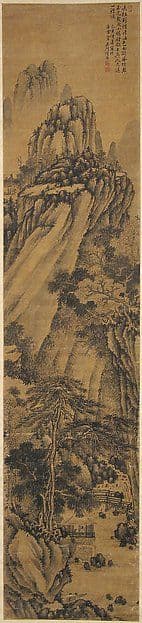
How to Display a Chinese Scroll Painting at Home
How to display a Chinese scroll painting at home — lighting, climate, hanging hardware, rotation, and the practical disciplines that preserve a scroll across decades.
June 2, 20269 min read
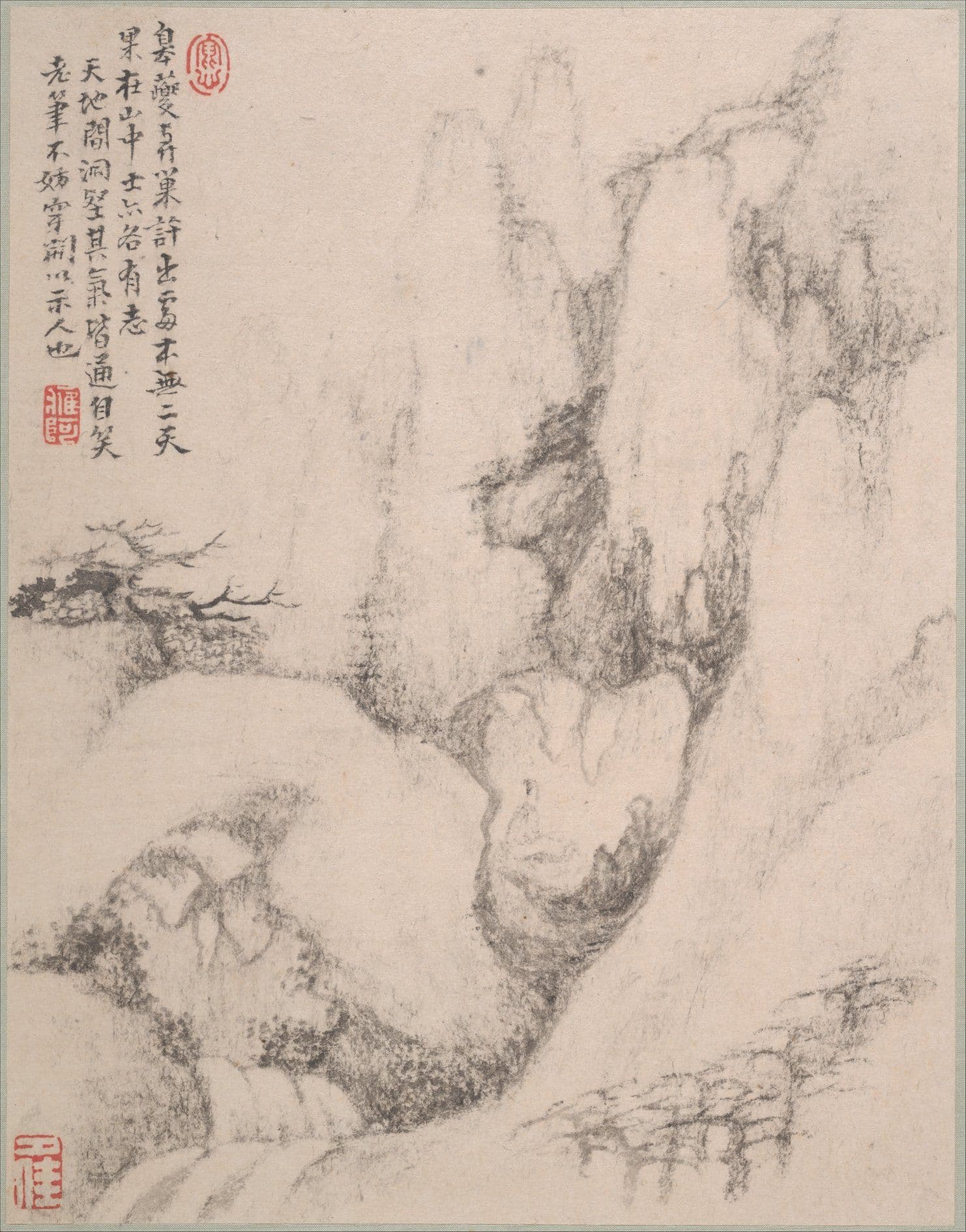
Fu Baoshi's Rain Landscapes: The Bao Shi Cun (抱石皴) Brush Method
Fu Baoshi's rain landscapes fuse rock and downpour with a self-named texture stroke, the Bao Shi cun. Learn to recognise the method and spot copies.
June 1, 20268 min read
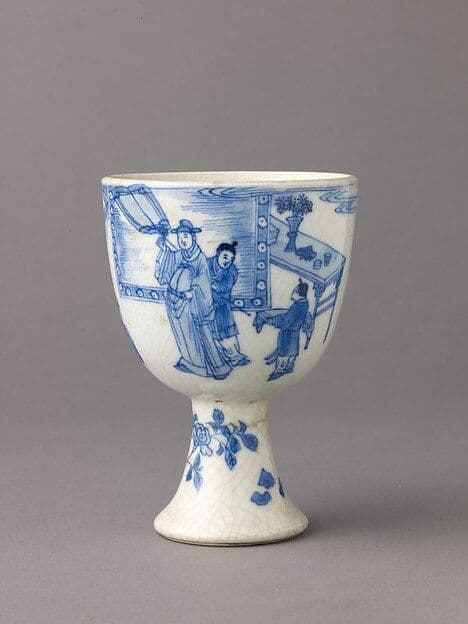
Chinese Vase Stamps: Complete Reference for Collectors (2026)
Chinese vase stamps — the imperial reign marks, hall marks, and studio seals that identify period, maker, and provenance. A collector's reference covering all major mark types, locations, and authentication clues.
June 1, 20267 min read
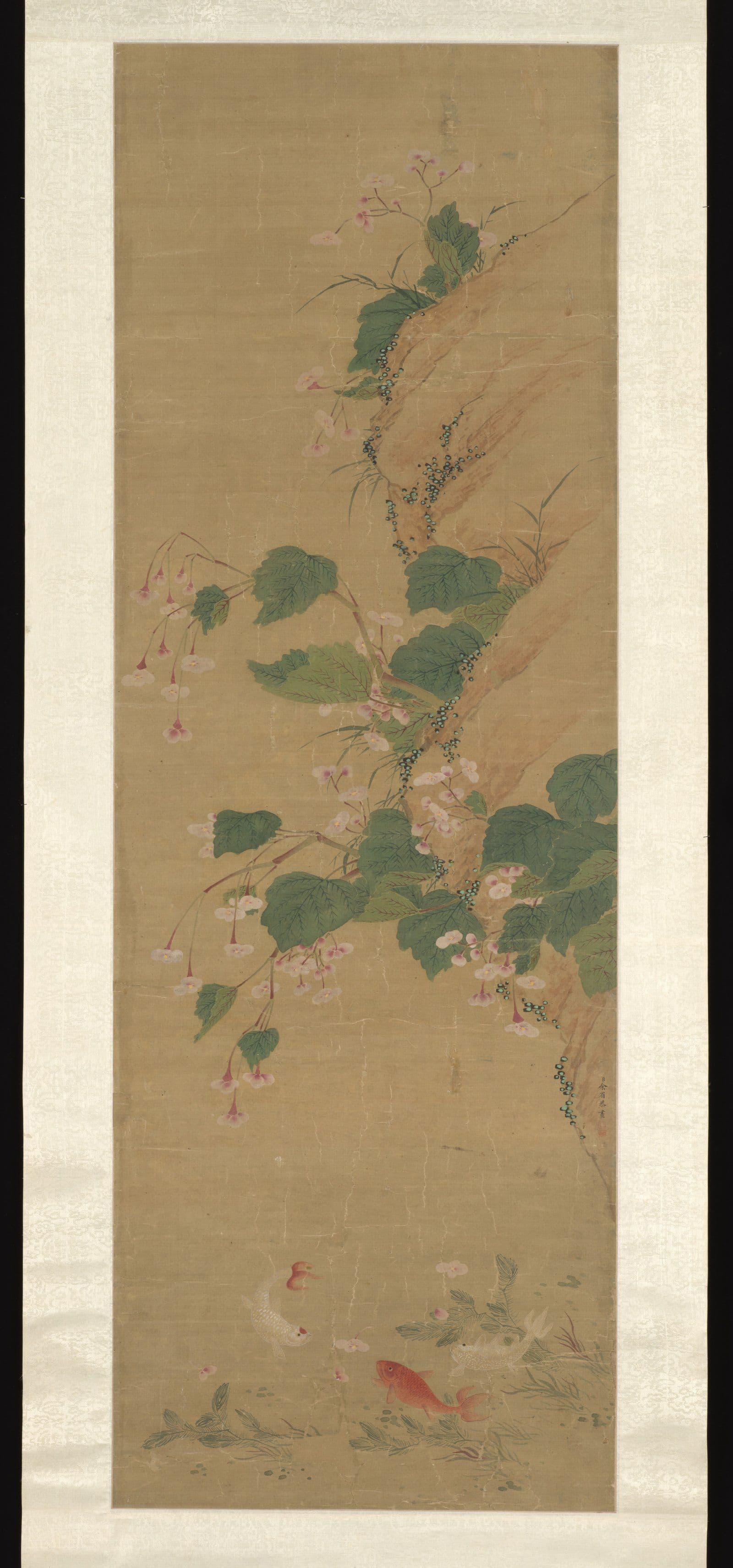
Qi Baishi's Shrimp Paintings: How to Tell a Real One from a Copy
Qi Baishi painted shrimp for four decades, and forgers have copied them ever since. Learn the brush sequence, ink tones, and seal details that separate original from imitation.
May 29, 20269 min read
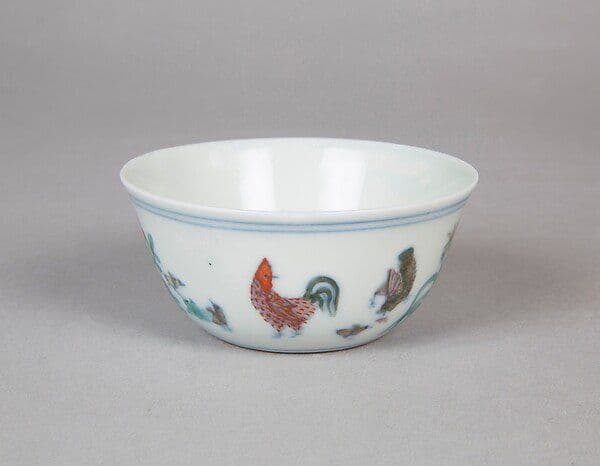
Apocryphal Marks (寄托款): When 'Wrong' Reign Marks Aren't Forgery
Why a Kangxi-period piece might honestly bear a Chenghua mark — and not be a fake. The apocryphal mark tradition (寄托款) is 400 years old, openly practiced, and creates value rather than deception.
May 29, 20267 min read
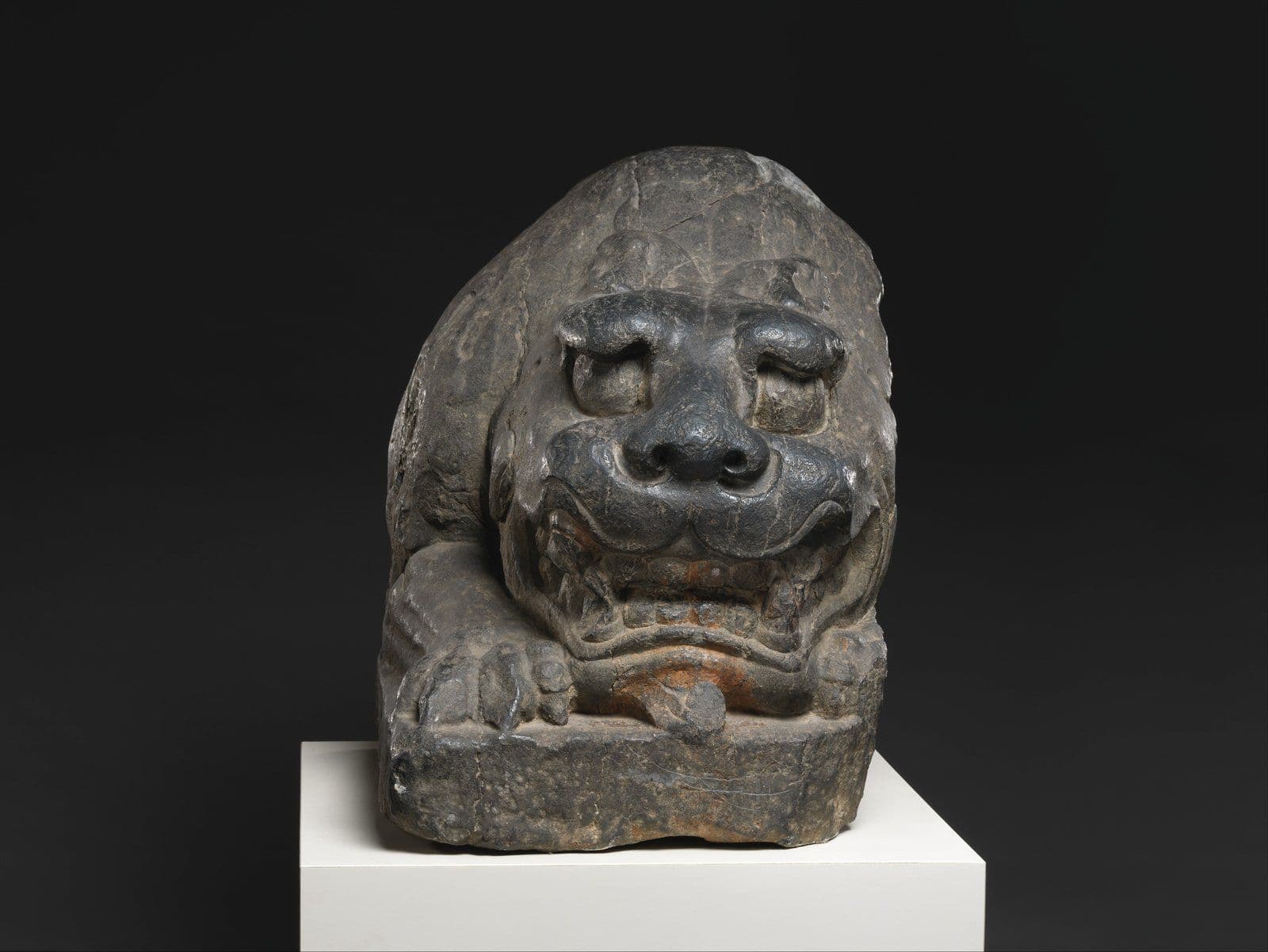
Xu Beihong's Lion Paintings: Awakening, Resistance, and the National Symbol
Xu Beihong's lions of the 1930s–40s are political objects, not animal studies. A connoisseur's guide to wartime symbolism, brushwork diagnostics, and Xu Beihong lion authentication.
May 28, 202610 min read
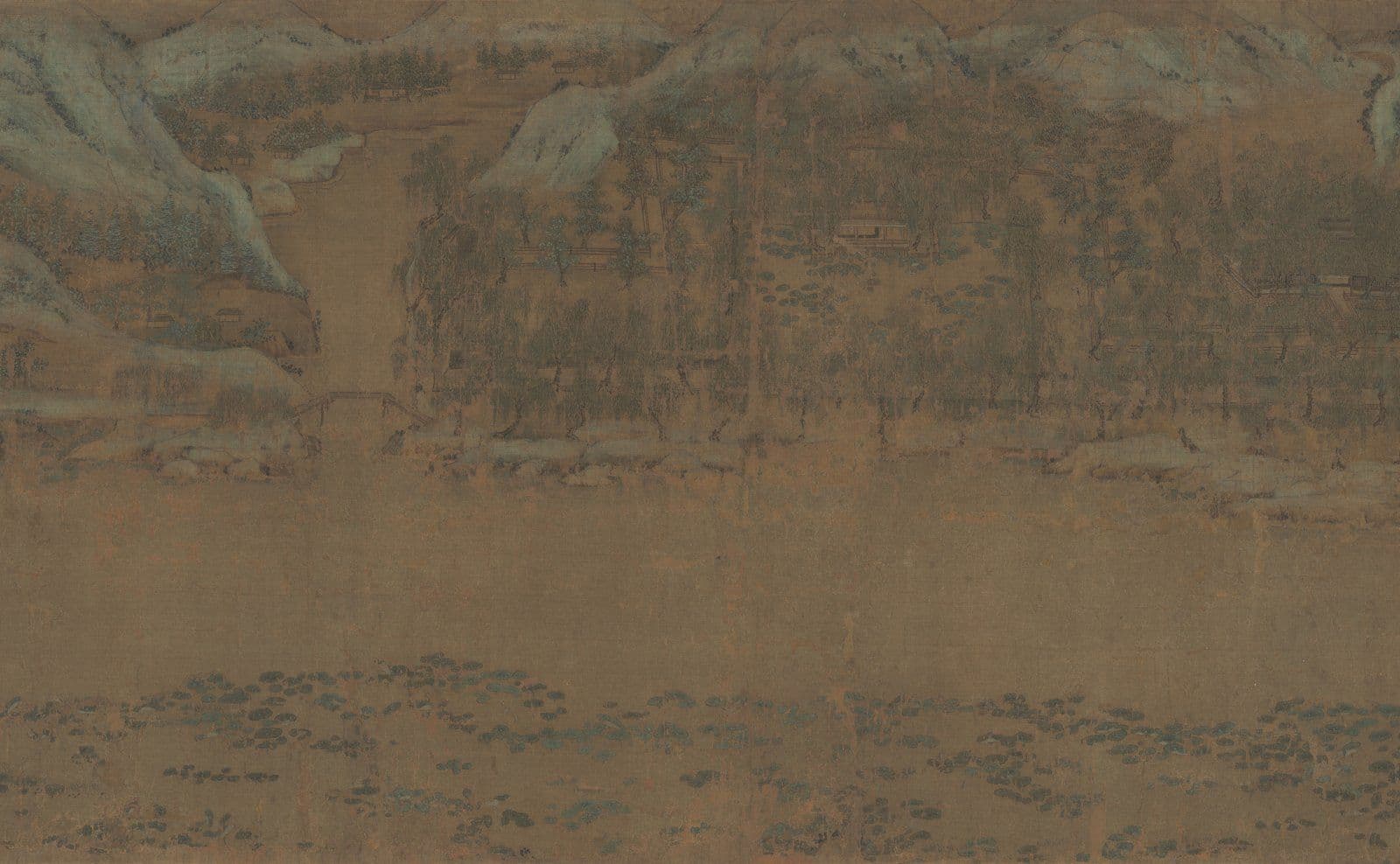
Wu Guanzhong's Jiangnan Water Villages: Reading His Black-White-Grey Modernism
Wu Guanzhong's Jiangnan paintings reduced canal-town landscape to four signature elements. Here is the visual signature, the East-West training behind it, and what holds market value.
May 27, 202610 min read
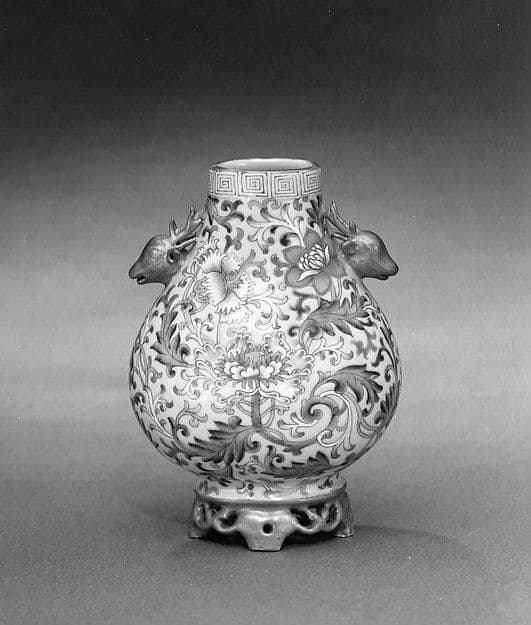
Republic Period Chinese Porcelain Marks (Minguo 1912-1949)
The most underrated era for Chinese porcelain collectors. Republic period (Minguo) marks: master artisan signatures, Hongxian imperial pretensions, and the famille rose renaissance that produced museum-grade pieces at accessible prices.
May 27, 20267 min read
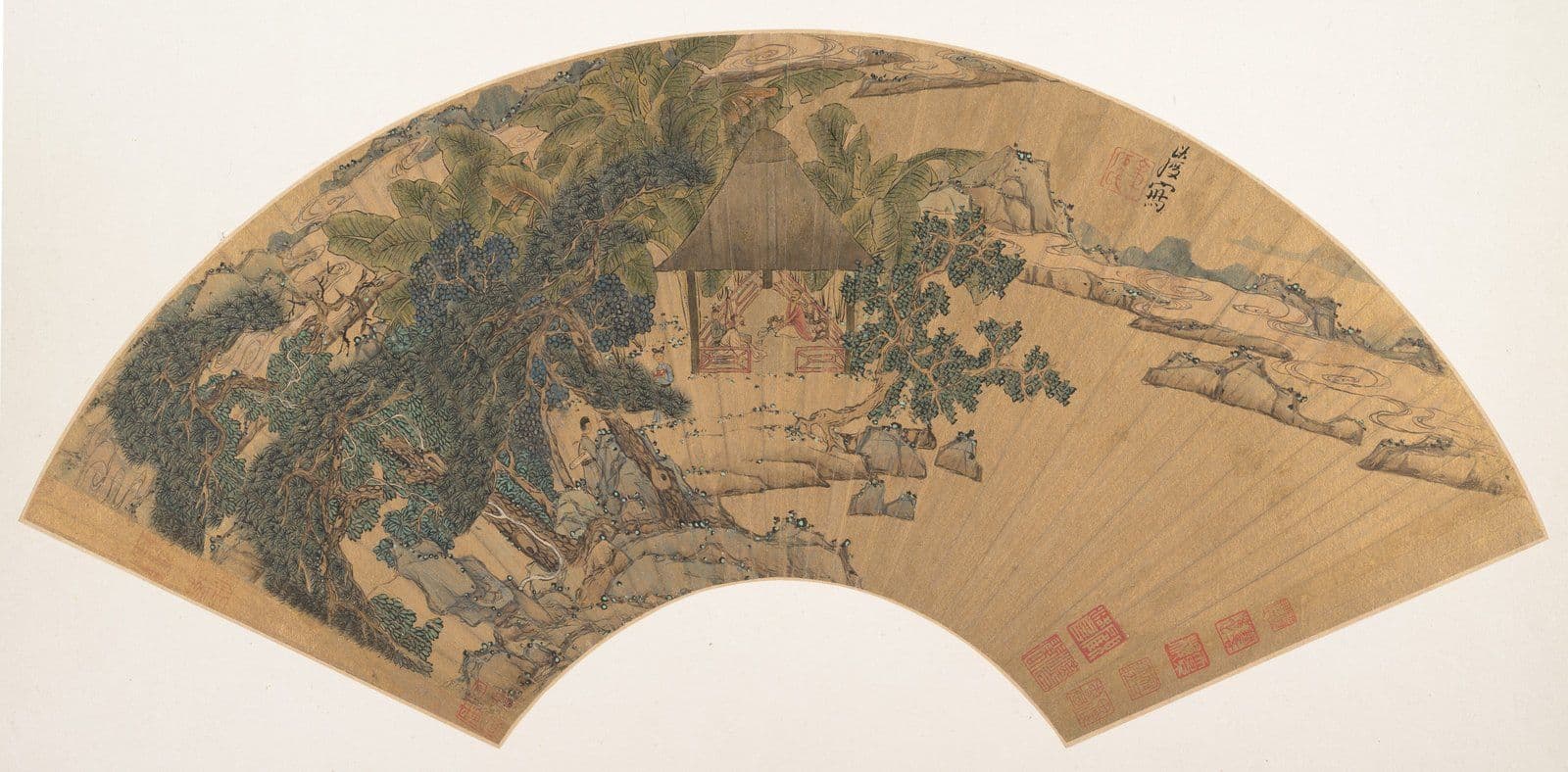
Zhang Daqian's Splashed-Ink Technique (泼墨泼彩): Reading His Late Period (1960s-83)
Zhang Daqian's late splashed-ink and splashed-colour works are the most expensive of his career — and the most forged. A close-look guide to the technique, its biography, and the market signals for collectors.
May 26, 202610 min read
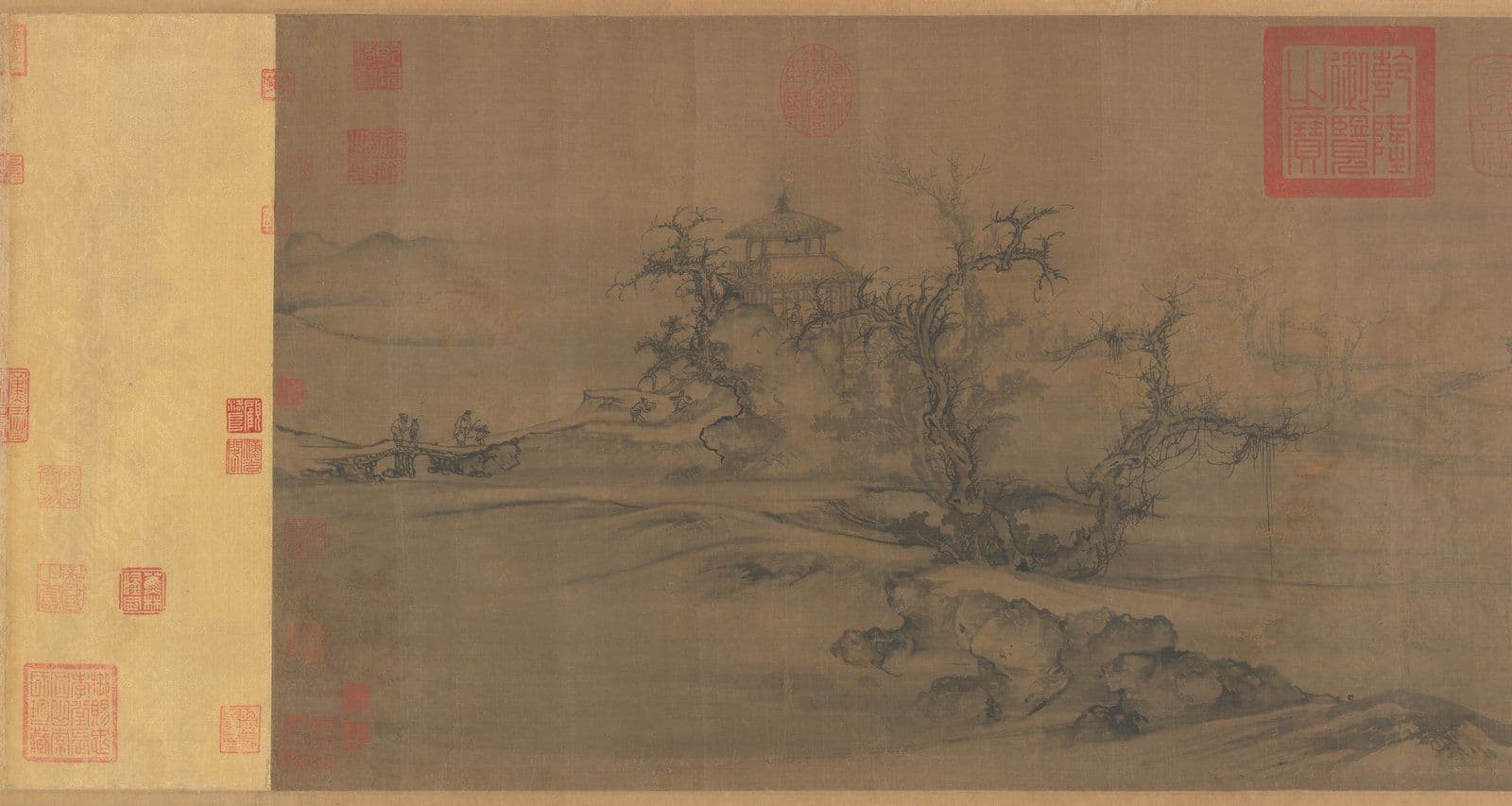
Literati Painting vs Court Painting: Two Traditions, Two Markets
Literati painting vs court painting: the connoisseurial divide that still defines Chinese painting valuation, with a side-by-side reading guide for collectors.
May 25, 202610 min read
Iron Red vs Underglaze Blue Marks: Identification Differences Explained
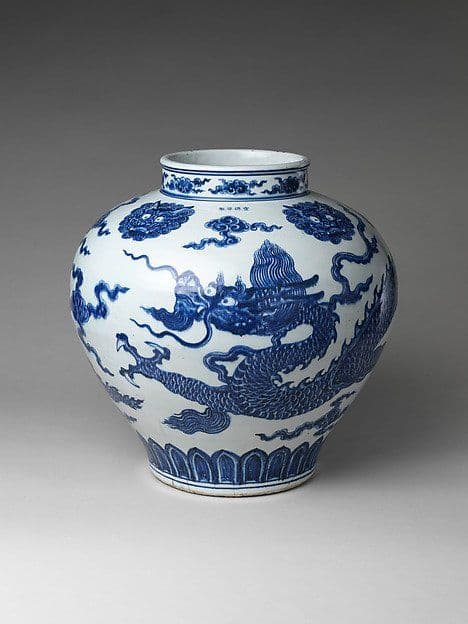
The two main mark colors on Chinese porcelain — and what each tells you about period, technique, and authenticity. Iron red appeared in Yongzheng's era; underglaze blue dates back to Yuan. Learn to read both.
May 25, 20267 min read
Reading the Foot Rim: How the Base of a Chinese Vase Tells You the Period
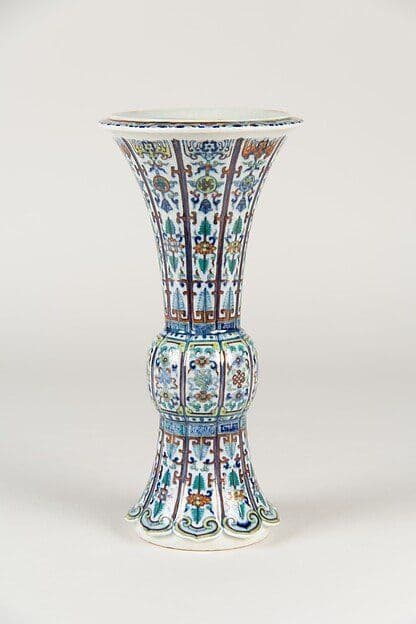
How to read the foot rim of a Chinese porcelain vase: profile, finish, clay colour, and glaze edge across Ming, Qing, and Republic-period wares.
May 24, 20269 min read
Tongzhi & Guangxu Marks: Reading Late Qing Imperial Porcelain (1862-1908)
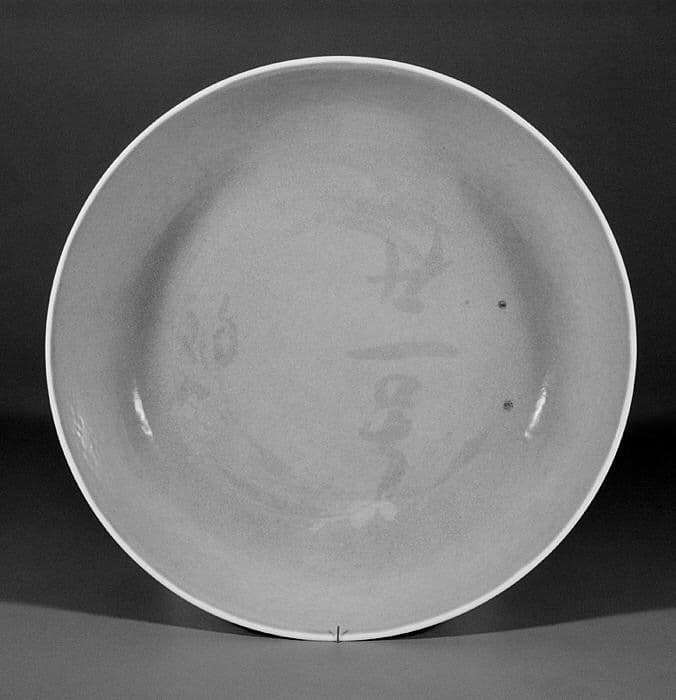
Tongzhi and Guangxu marks are the most common late Qing imperial reign marks. Here is how to read them and what they tell you about period and value.
May 23, 20268 min read
Chinese Porcelain Mark Shapes: What Each Layout Tells You About Age
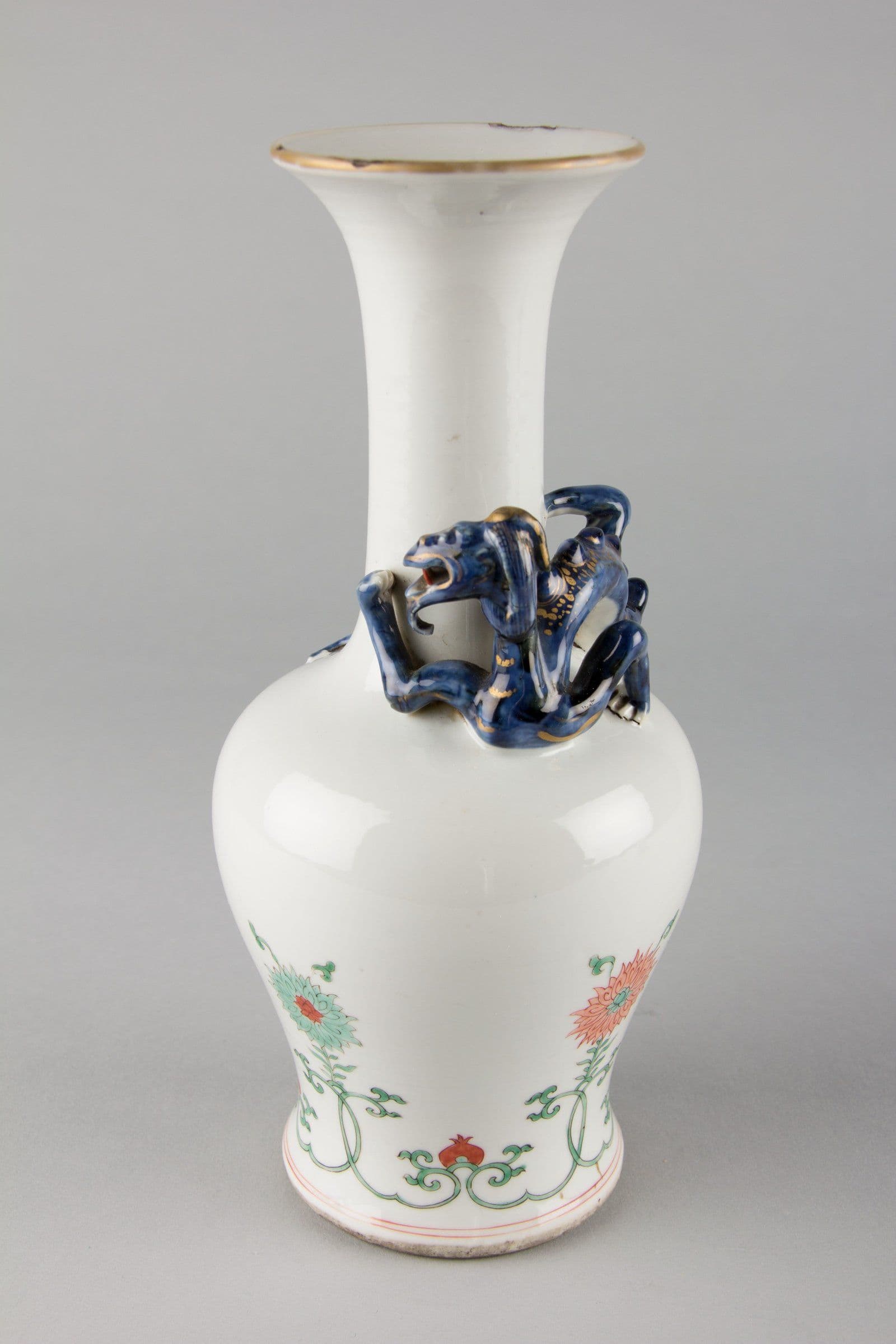
Square cartouche, double circle, or free-standing characters — the shape around a Chinese porcelain mark narrows its period fast. A visual decoder for collectors.
May 22, 202610 min read
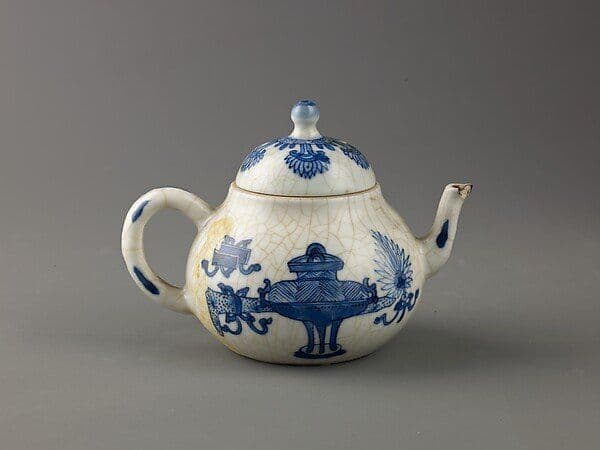
Reading Chinese Porcelain Marks: A Step-by-Step Tutorial
Don't read Chinese? You can still read reign marks. This step-by-step tutorial walks you through the four-step process: orient the mark, identify the era, recognize key characters, and translate the formula.
May 22, 20267 min read
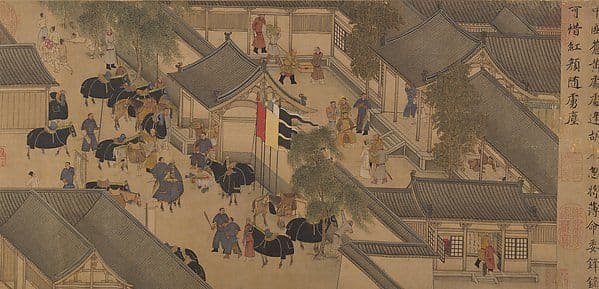
Chinese Painting Mounting (装裱): Why It Matters for Collectors
Chinese painting mounting (装裱) is the layered silk-and-paper system behind every scroll — and a bad remount can erase a painting's value overnight.
May 21, 202610 min read
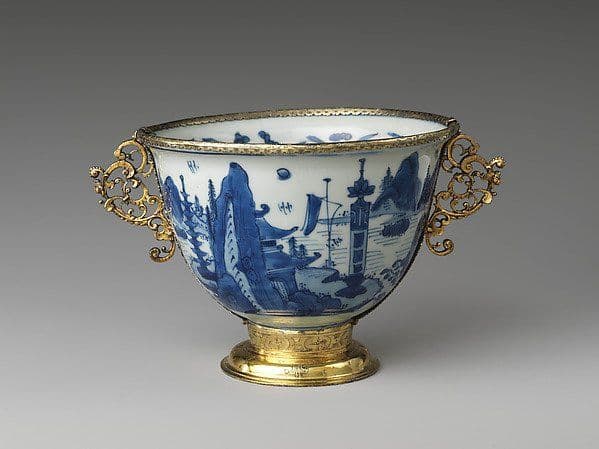
How to Photograph a Porcelain Mark for Authentication
A practical guide to photographing porcelain marks: diffused side light, square framing, scale references, and what specialists look for before they reply.
May 20, 202610 min read
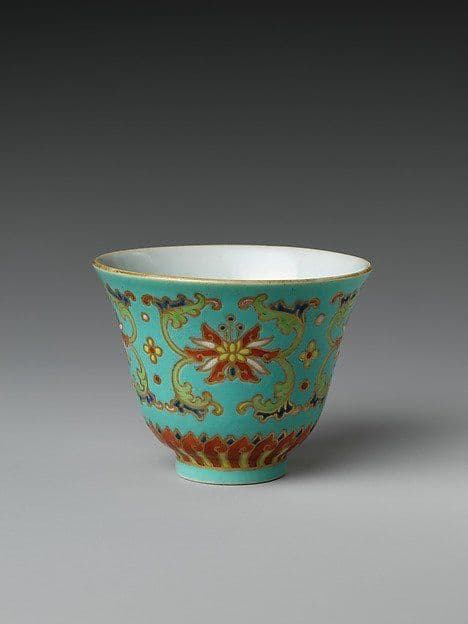
Chinese Porcelain Studio & Hall Marks (堂名款): A Collector's Reference
Beyond reign marks: the studio marks (堂名款) and hall marks of Qing imperial residences and elite collectors. Shen De Tang, Ti He Dian, Da Ya Zhai — what they mean, who used them, and why they often outprice reign-marked pieces.
May 20, 20267 min read
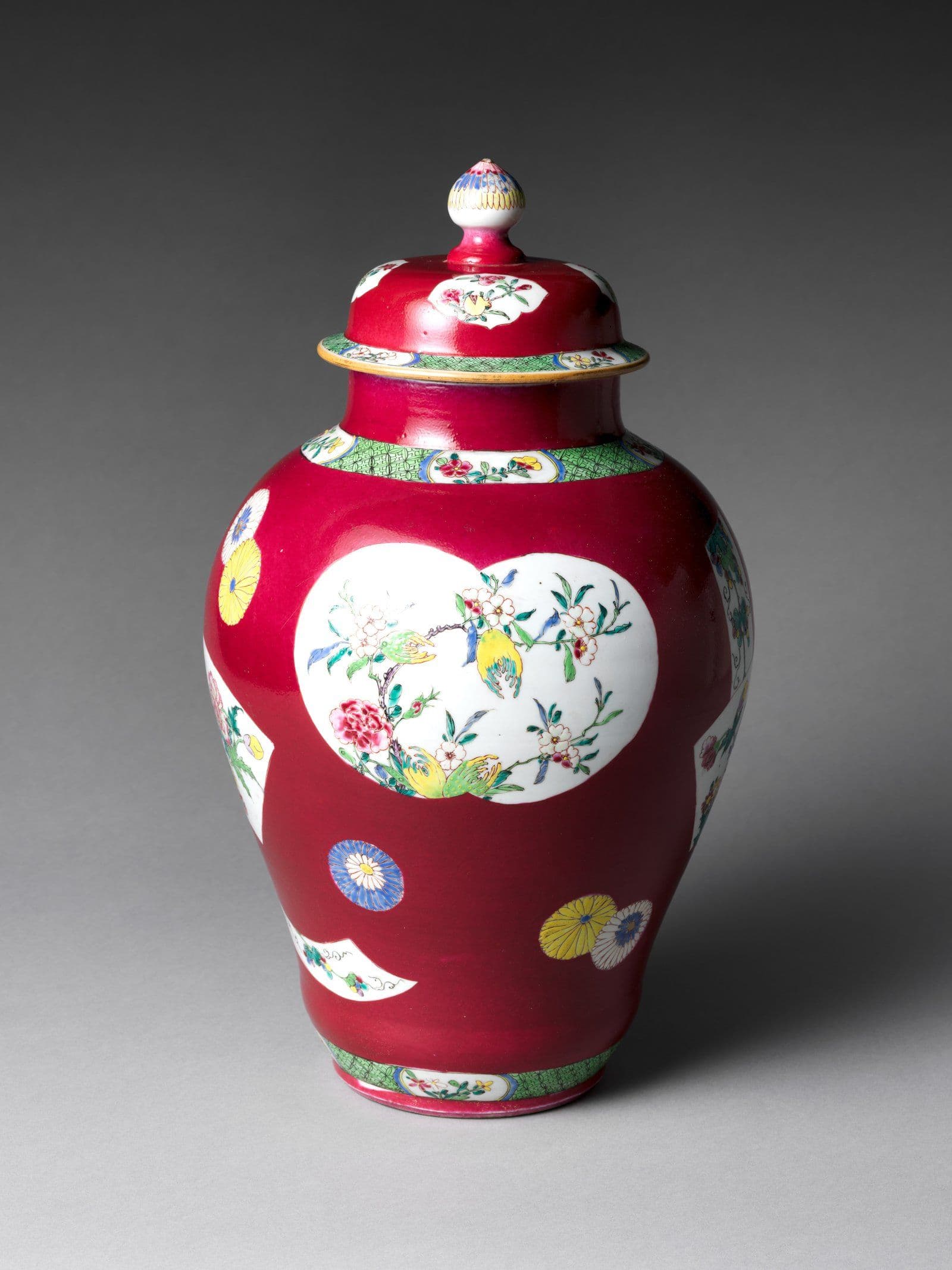
Square Cartouche Marks (双方框款) on Chinese Porcelain: A Yongzheng-Qianlong Signature
The double square frame around a reign mark is one of the most reliable signals of high-Qing imperial enamel porcelain. Here's how to recognize it.
May 19, 202610 min read
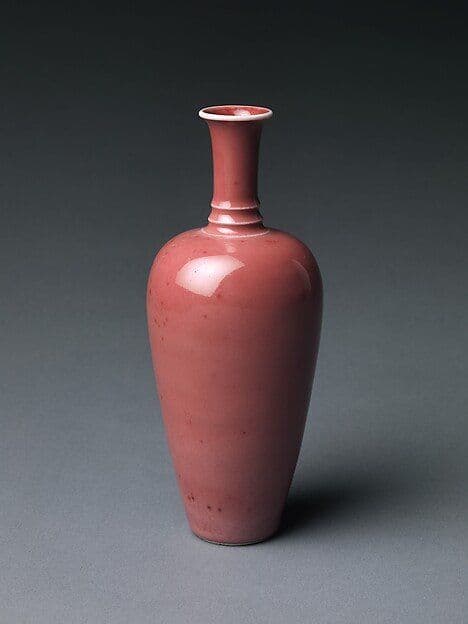
Why Some Chinese Porcelain Marks Have a Double Circle Around Them
The double-circle convention on Chinese porcelain marks is a Kangxi-era hallmark — here's how to read it for dating and authenticity clues.
May 18, 20269 min read
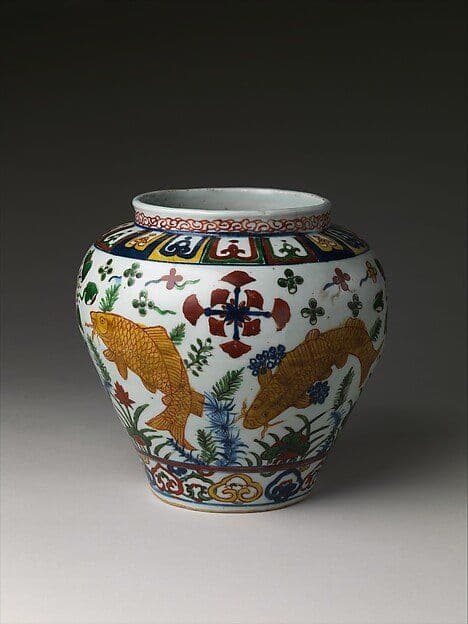
How to Spot Fake Chinese Porcelain Marks: An Authentication Guide
Eight visible warning signs that a Chinese porcelain reign mark is a modern forgery. Brushwork, cobalt color, glaze, foot rim, weight, wear, sound, and the photograph traps every collector should know.
May 18, 20267 min read
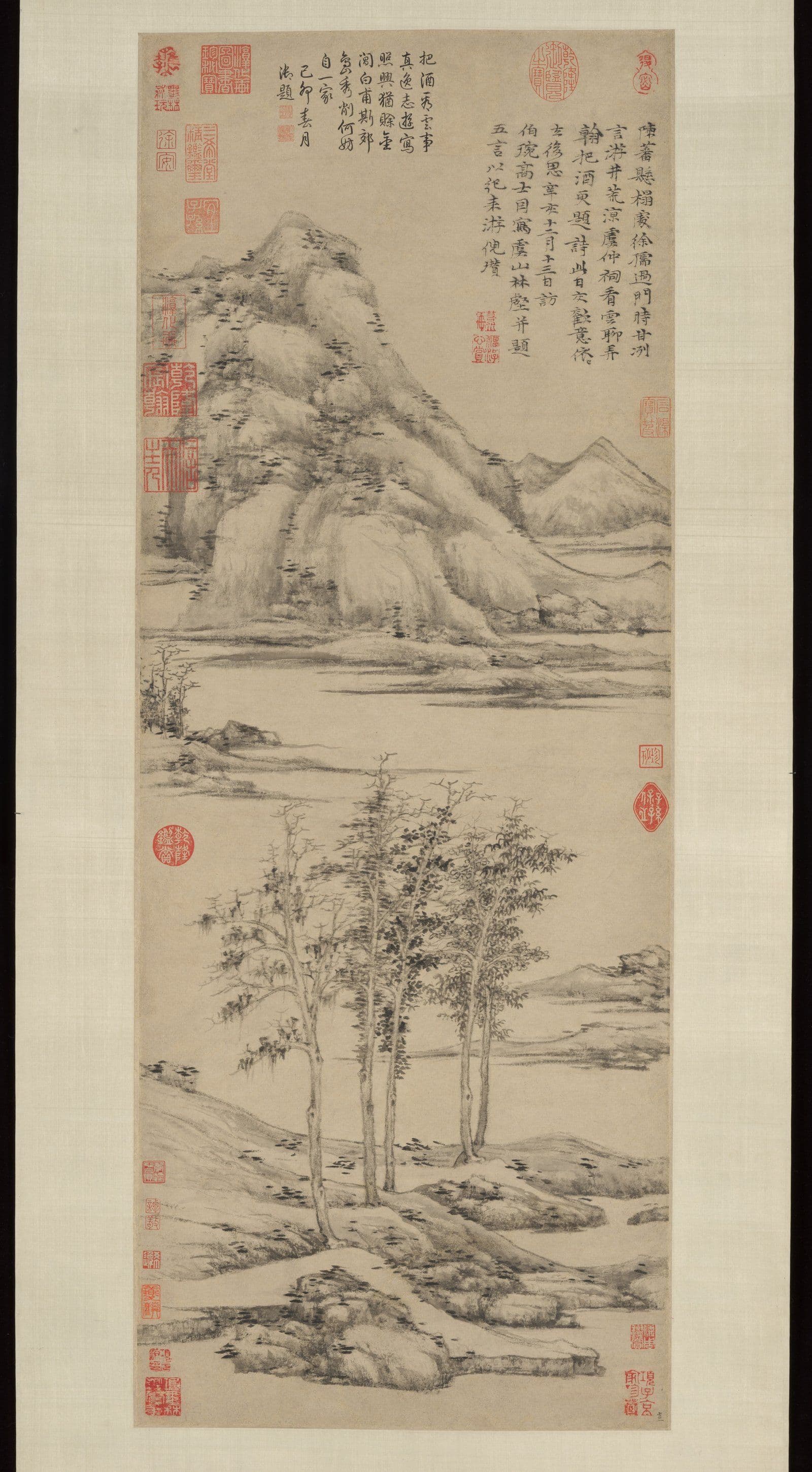
Reading Collector Seals on Chinese Paintings
Chinese painting collector seals stamp a 1,500-year chain of custody onto the silk. Here's how to read them, what they signal, and what they cost.
May 17, 20269 min read
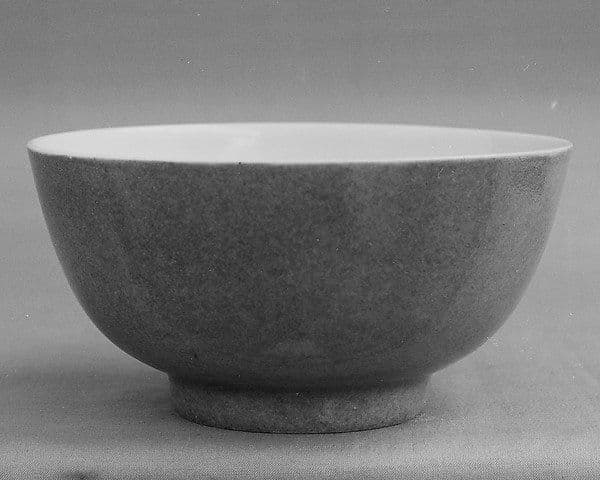
Cixi's Da Ya Zhai Mark (大雅斋): A Late Qing Studio Story
The Da Ya Zhai mark identifies Empress Cixi's personal studio — and is one of late Qing porcelain's most imitated. A collector's guide to reading it.
May 16, 20269 min read
Chinese Export Porcelain Marks: Kraak, Swatow, and Other Trade Wares (16th–19th c.)
Chinese export porcelain marks follow a different logic from imperial reign marks. A guide to reading symbol marks, apocryphal Ming marks, and Canton hall marks on kraak, Swatow, and armorial wares.
May 15, 202610 min read
Ming Dynasty Reign Marks: Identifying Imperial Porcelain 1368-1644
Yongle, Xuande, Chenghua, Jiajing, Wanli — the Ming reign marks that defined classical Chinese porcelain. Visual reference, calligraphy clues, and why later pottery faithfully copied these marks for 400 years.
May 15, 20267 min read
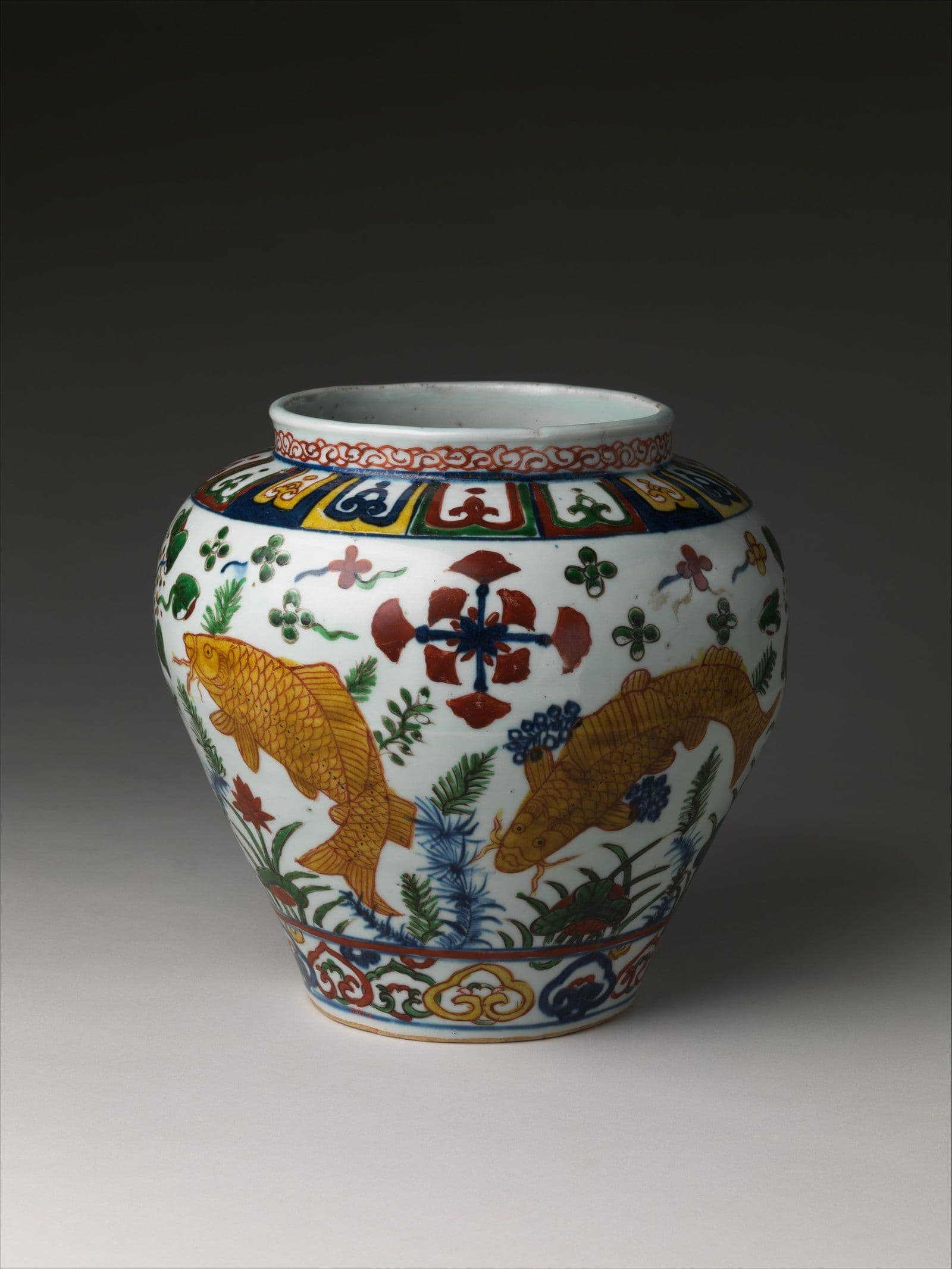
Jiajing & Wanli Marks: Late Ming Porcelain Identification
Jiajing and Wanli reign marks look almost identical. The porcelain they sit on tells very different stories. A collector's reading guide.
May 14, 202610 min read
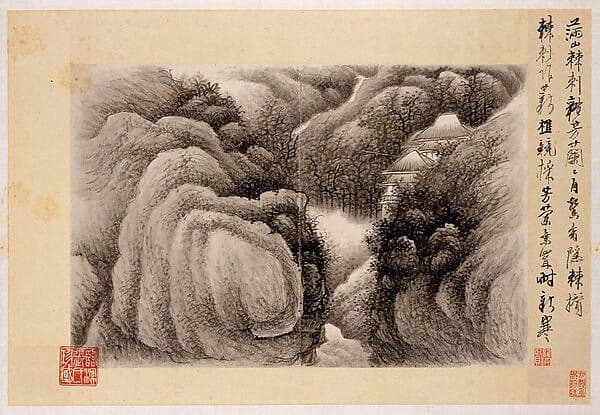
Chinese Ink Painting vs Watercolor: 6 Differences You Can See
Chinese ink painting and Western watercolor look similar on paper but follow opposite rules. Six visible differences in brush, paper, layering, and mounting, with examples.
May 13, 202610 min read
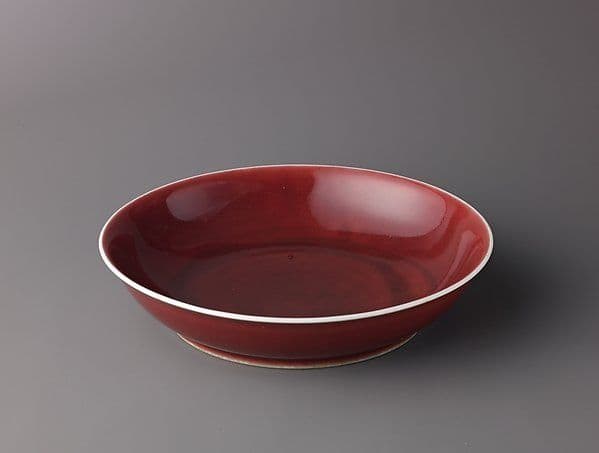
Qing Dynasty Reign Marks: Visual Chart 1644-1911
All 11 Qing dynasty reign marks with character breakdowns, dates, and identification clues. From Shunzhi (1644) to Xuantong (1911), this visual chart helps collectors distinguish each period at a glance.
May 13, 20268 min read
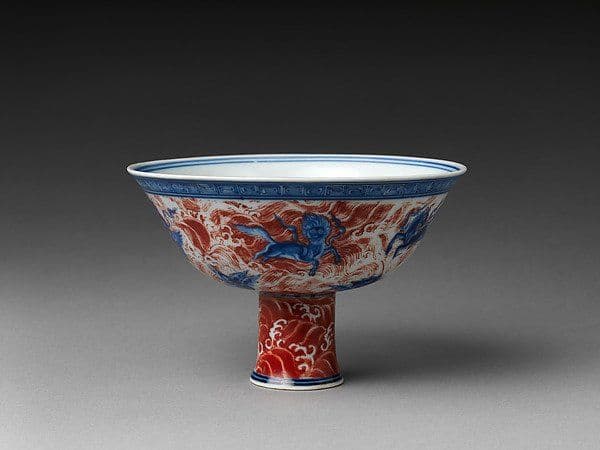
Chenghua Mark: Six Characters, Double Circles and Qing Copies
Read Chenghua doucai marks like a specialist: the soft palette, the brushwork tells, and why later Qing-period homages are still seriously collectible.
May 12, 20269 min read
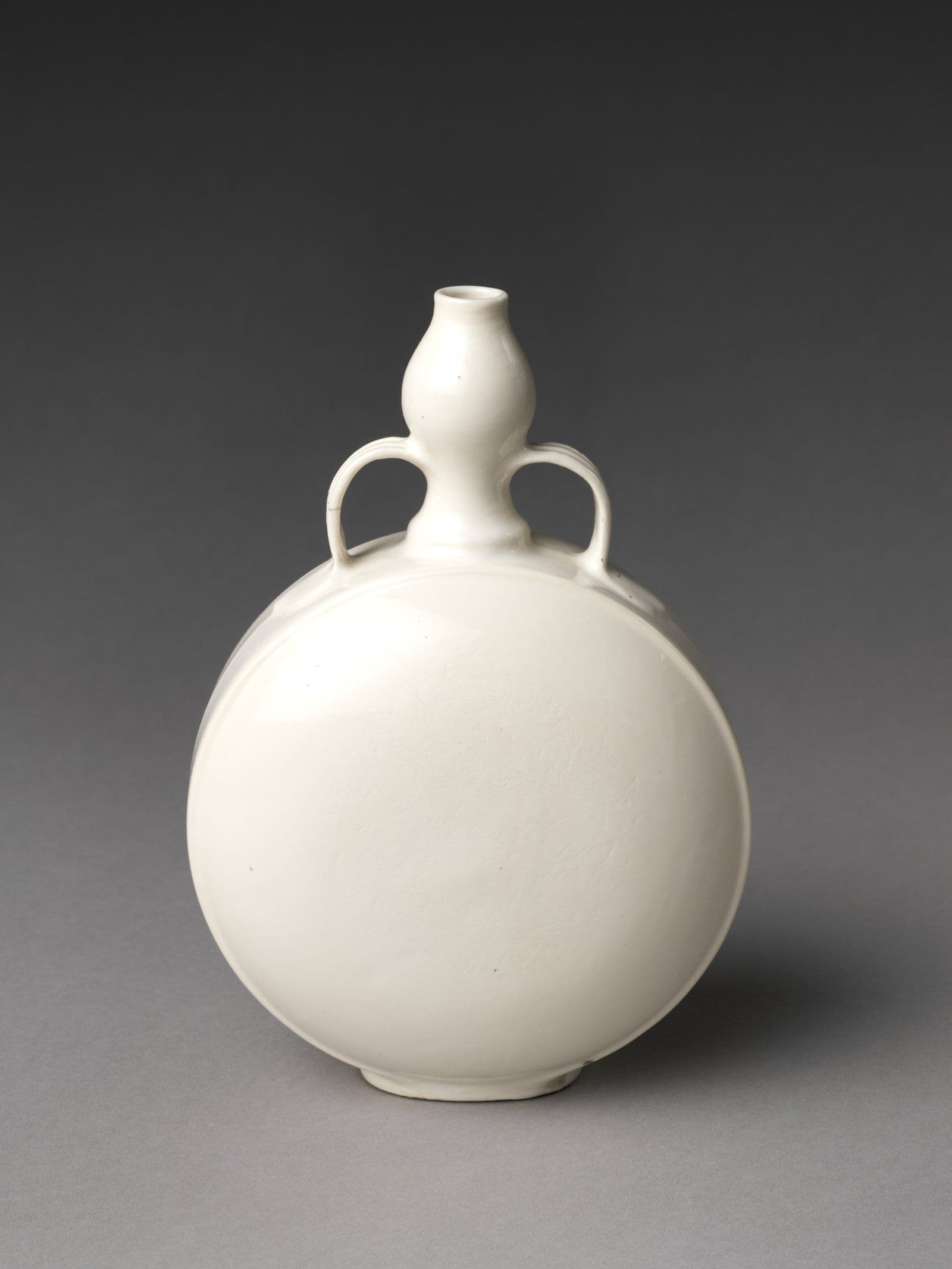
Qianlong Six-Character Seal Marks: Reading the Most Copied Reign in Chinese Porcelain
The Qianlong six-character seal mark is the most-copied reign mark in Chinese porcelain. Here's what a genuine one looks like — and how to read later homages.
May 11, 202610 min read
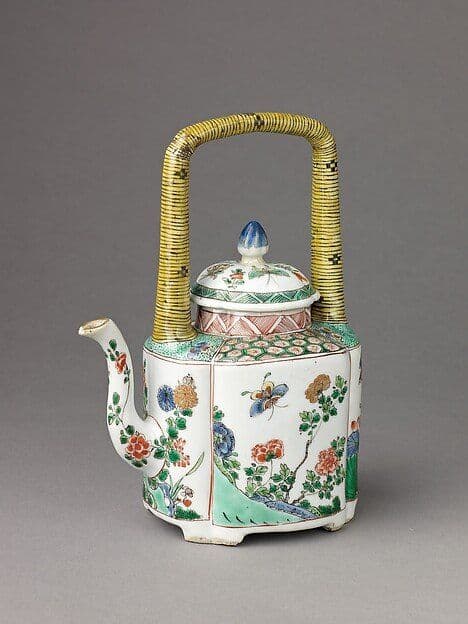
Kangxi Mark: How to Identify Genuine Kangxi Reign Marks
Kangxi mark and Kangxi porcelain marks explained: tell genuine 4- and 6-character reign marks (1662-1722) from later copies, and the apocryphal exception.
May 11, 20267 min read
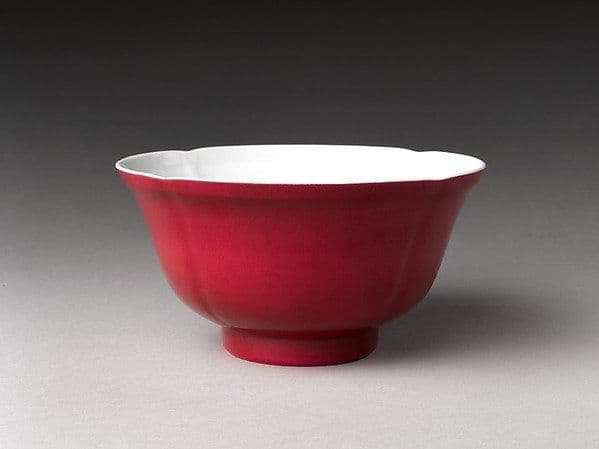
Yongzheng Reign Marks (1723-1735): The Apex of Imperial Refinement
Yongzheng reign marks (1723–1735) sit at the apex of Qing imperial porcelain. Four visual tells separate authentic Yongzheng pieces from later homages.
May 10, 202610 min read
The Six Principles of Chinese Painting: Xie He Explained
Xie He established the six principles of Chinese painting in the 5th century. What spirit resonance and bone method mean, and how to apply each.
May 10, 20269 min read
Curator's Pick
Edition Numbers Decoded: A Buyer's Guide to Authenticity in Limited-Edition Prints
Every fine-art print should be hand-numbered. Most aren't, and the difference matters. This is what an edition number actually tells a buyer, why the size of the edition is the single most important detail after the artist's name, and the four certificate red flags that mean a work is not what it claims to be.
May 6, 20265 min read
Curator's Pick
How to Start a Collection of Twentieth-Century Chinese Ink Prints
New collectors of twentieth-century Chinese ink almost always make the same three mistakes: they buy by instinct rather than by plan, they over-index on famous names, and they ignore edition discipline. Here is a practical framework for avoiding all three and building a collection that compounds in value and meaning over a decade.
May 5, 20266 min read
Craft Unveiled
The Four Treasures of the Studio: Brush, Ink, Paper, Stone — and Why They Still Matter
For two thousand years, Chinese painting has been made with the same four tools: a brush of animal hair, an ink stick of pine soot and glue, a sheet of handmade paper, and a stone to grind the ink with water. They are called the Four Treasures of the Studio (文房四宝). This is what each one is, why none has been replaced, and why every serious Chinese painter still keeps a set on the desk in 2026.
May 4, 20265 min read

Craft Unveiled
What Is Xuan Paper? How to Judge Quality Before You Buy
Xuan paper is not rice paper, and the difference shows up in every brushstroke. How it is made, how raw and sized varieties behave, and what to check before buying.
May 3, 20265 min read
Curator's Pick
Giclée vs Original: What You're Really Buying When You Collect Chinese Master Prints
Giclée is the most important technology in fine-art collecting since lithography, and the least well understood. This is what it actually is, why a hand-numbered giclée by an authorised estate is a real collectible, and how to tell a fine-art giclée from a glorified poster.
May 1, 20265 min read
Craft Unveiled
Chinese Porcelain Marks: How to Identify and Date a Base
Chinese porcelain marks explained: reign, hall and studio marks, ceramic and pottery bases, Jingdezhen marks, and how to spot the common fakes.
April 30, 202611 min read
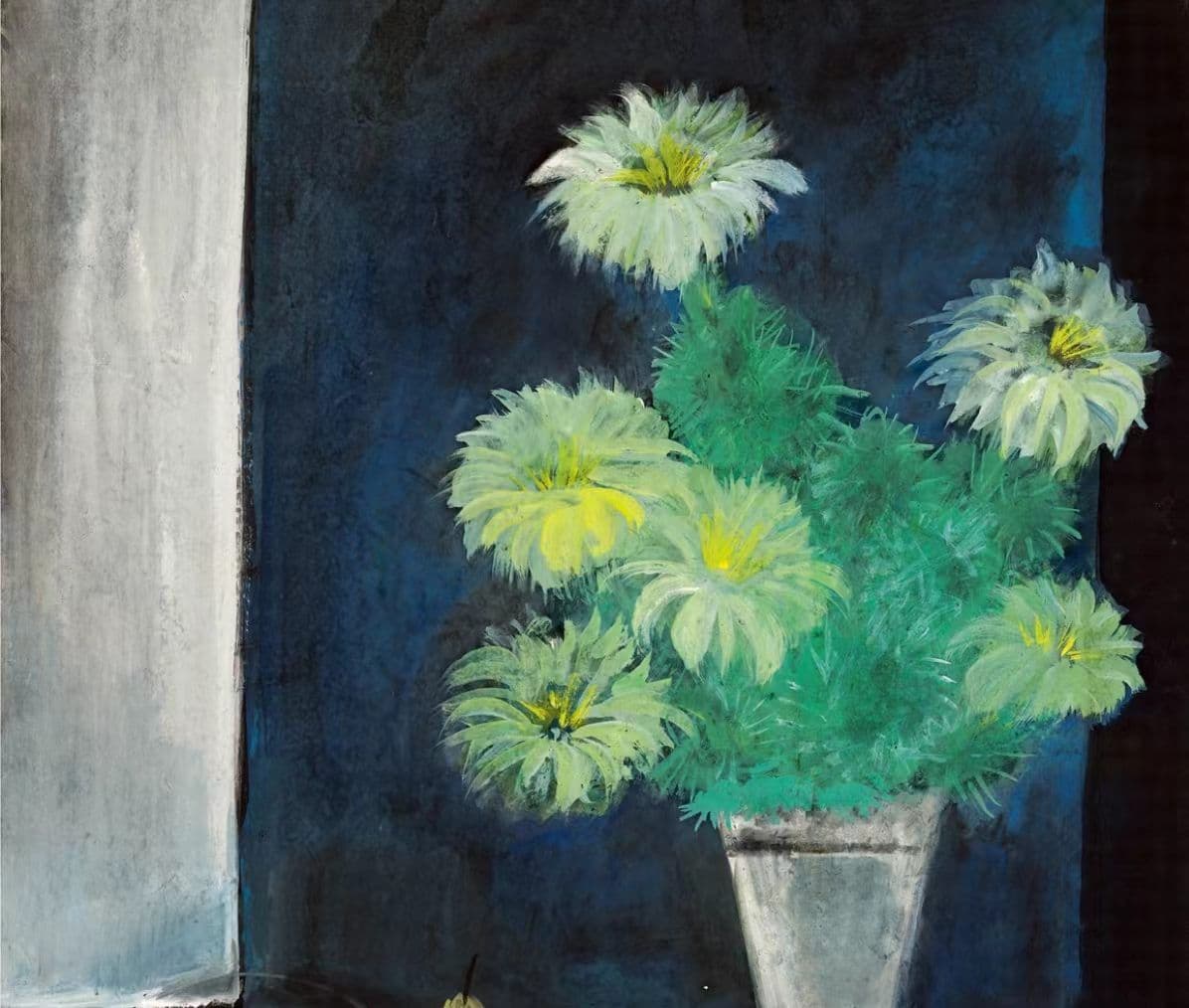
Oriental Aesthetics
Lin Fengmian: The Quiet Father of Modern Chinese Painting
Lin Fengmian (1900–1991) is the most influential Chinese painter most non-Chinese collectors have never heard of. He taught Wu Guanzhong, Zhao Wuji, and a generation of post-war modernists. His own work — square format, lyrical, formally tight — is among the quietest and most rewarding bodies of twentieth-century Chinese painting.
April 28, 20265 min read
Craft Unveiled
Kangxi Reign Marks (1662–1722): A Visual Identification Guide
Kangxi porcelain marks are among the most-copied marks in Chinese history. This guide covers what a genuine Kangxi six-character mark looks like, the most common 寄托款 tribute reproductions, and the four diagnostics — calligraphy, body, glaze, and foot — that separate a real Kangxi piece from later imitations.
April 26, 20267 min read
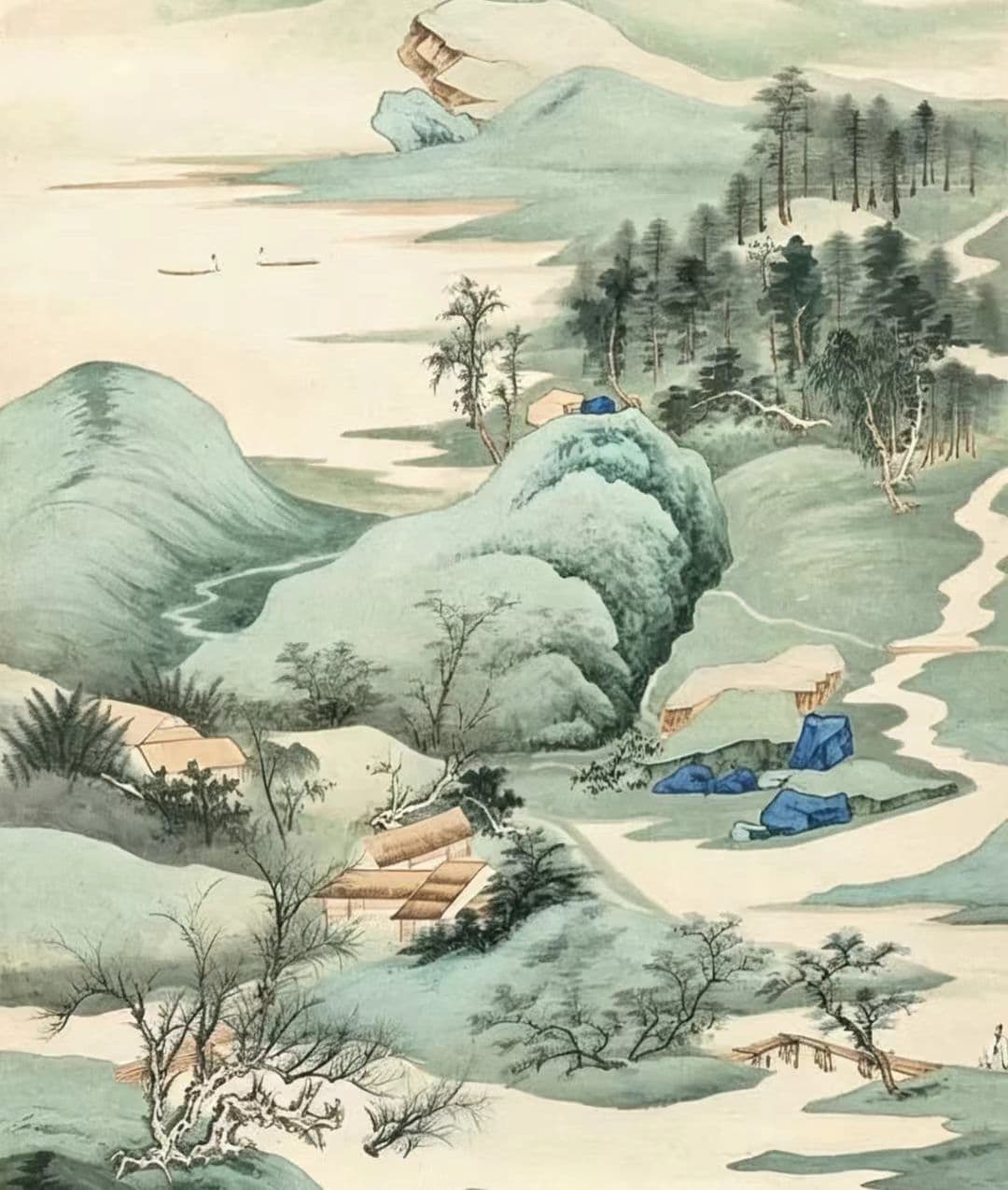
Oriental Aesthetics
Zhang Daqian's Splashed-Ink Style: How to Date and Read His Late Work
After his eyesight failed, Zhang Daqian invented pocai — splashed colour and ink. How to date the late period, read the technique, and understand its record auction prices.
April 25, 20266 min read
Craft Unveiled
Late Qing Porcelain (1862-1911): 5 Tells for Tongzhi vs Guangxu vs Xuantong
Late Qing porcelain (1860–1912) is the era most likely to come through inheritance and household auctions — but also the era most often misidentified. This is a structured framework for the four reigns of late Qing, the export wares that ran alongside them, and the diagnostics that place a piece in the right decade.
April 23, 20268 min read
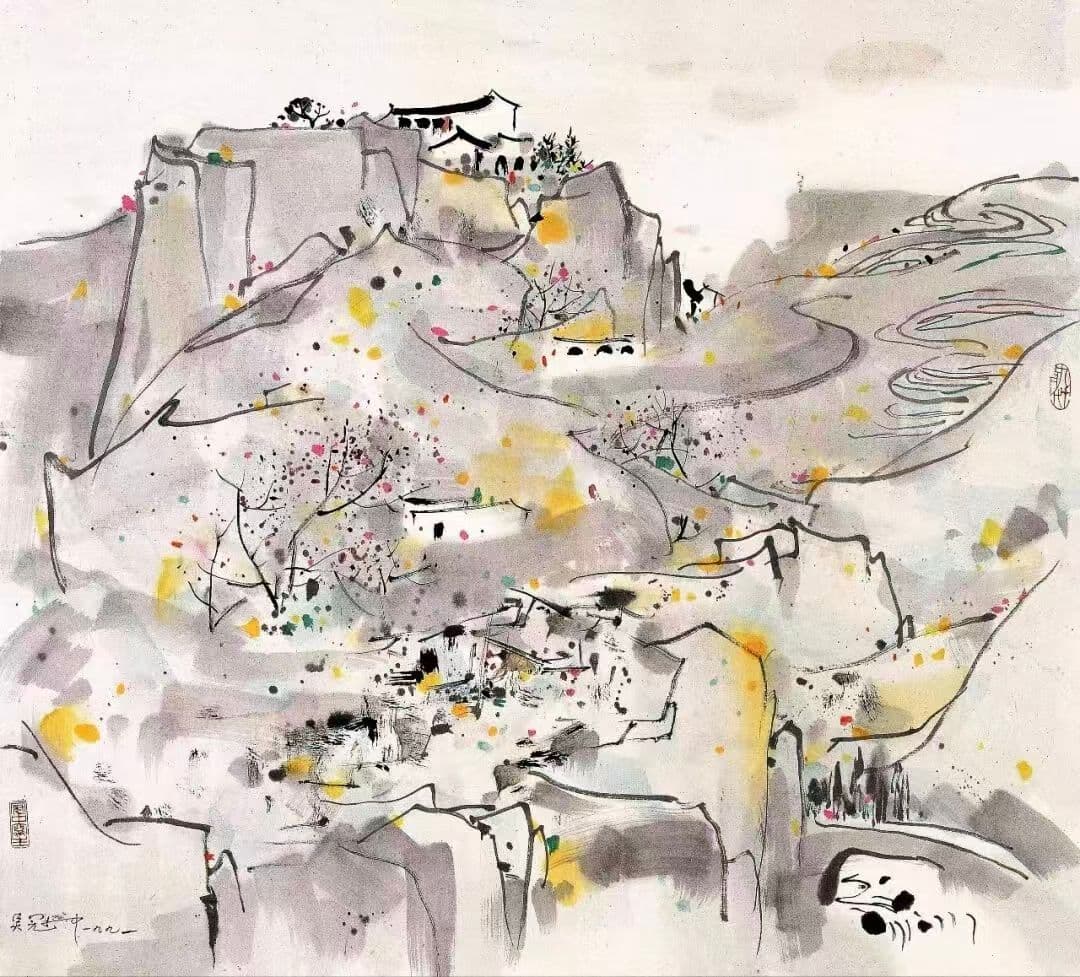
Oriental Aesthetics
Wu Guanzhong: How One Painter Bridged Western Modernism and Chinese Ink
Wu Guanzhong (1919–2010) is the painter who proved Chinese ink could absorb Cézanne, Klee, and Mondrian without losing itself. The result is the most internationally recognised vocabulary of late-twentieth-century Chinese painting — and one of the most accessible bodies of work for Western collectors entering Chinese art.
April 22, 20266 min read
Craft Unveiled
Modern Chinese Pottery and Porcelain Marks: A Dated List
Modern Chinese pottery and porcelain marks by period: Republic-era signatures, PRC factory codes of the 1950s-80s, and post-2000 studio marks.
April 21, 20267 min read
Craft Unveiled
Chinese Porcelain vs Pottery: How to Tell the Two Apart
Porcelain and pottery ring differently, age differently and carry different marks. Yixing, Jun and Jingdezhen conventions, plus the tests collectors use.
April 19, 20266 min read
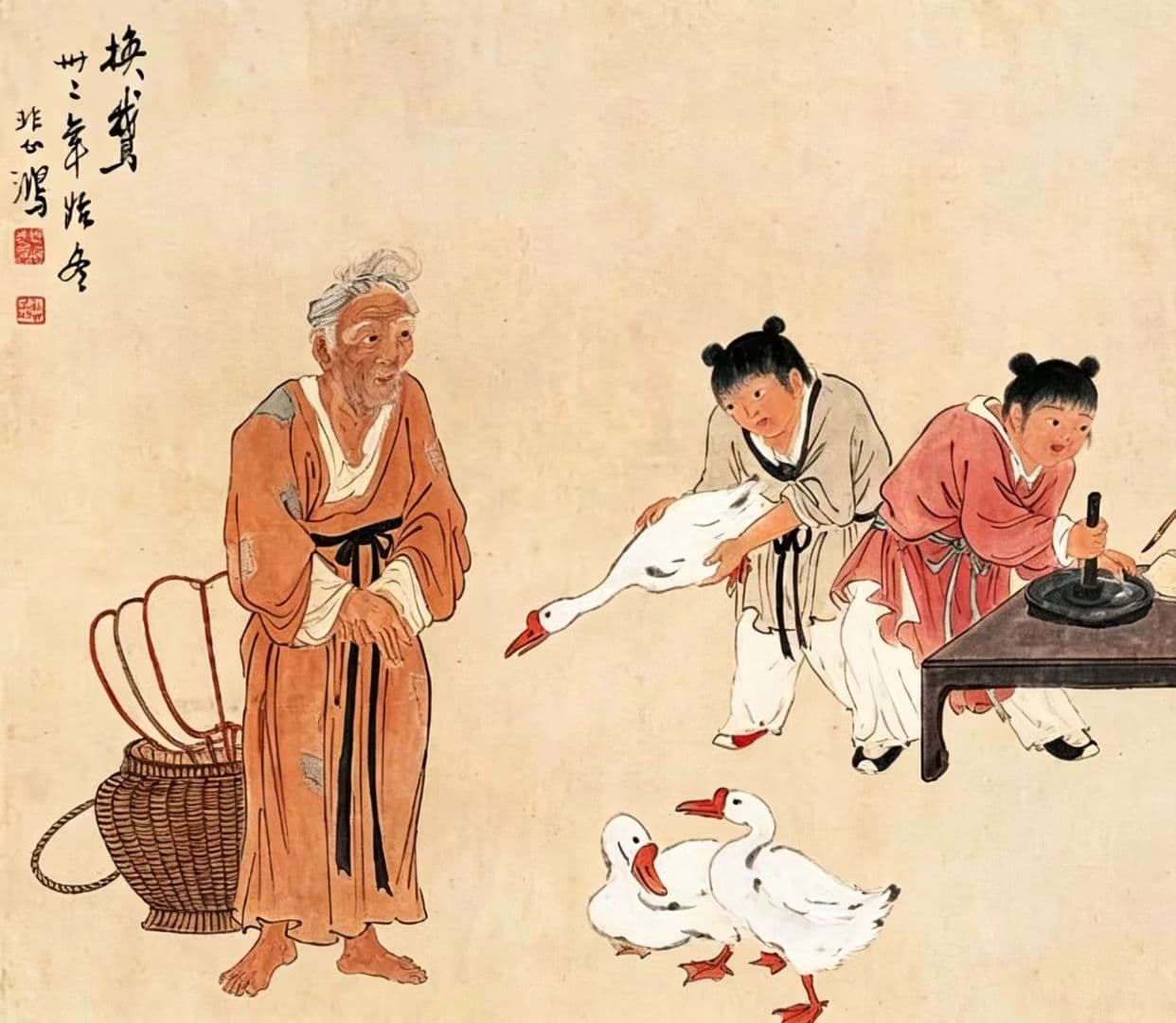
Cultural Dialogue
Xu Beihong Horse Paintings: What the Galloping Horse Means
Xu Beihong's horse paintings: how the galloping horse was built from Western anatomy and ink brushwork, what it meant in wartime, and how copies differ.
April 18, 20267 min read
Craft Unveiled
Chinese Vase Stamps: How to Read the Marks on the Bottom
Chinese vase stamps decoded: the four kinds of marks on the bottom of a vase, what each says about age and origin, and eight checks that date a piece.
April 16, 20267 min read
Oriental Aesthetics
Why Qi Baishi's Shrimp Define Twentieth-Century Chinese Ink
Of the thousands of subjects Qi Baishi (1864–1957) painted across his ninety-three years, none became more inseparable from his name than the shrimp. The reason is partly biographical, partly philosophical, and entirely instructive for anyone learning to read Chinese ink.
April 15, 20266 min read
Oriental Aesthetics
Chinese Signature Identification: How to Read the Name and Seal
Chinese signature identification step by step: where the artist signs, how to read the name and the red seal beside it, and how conventions changed after 1911.
April 13, 20267 min read
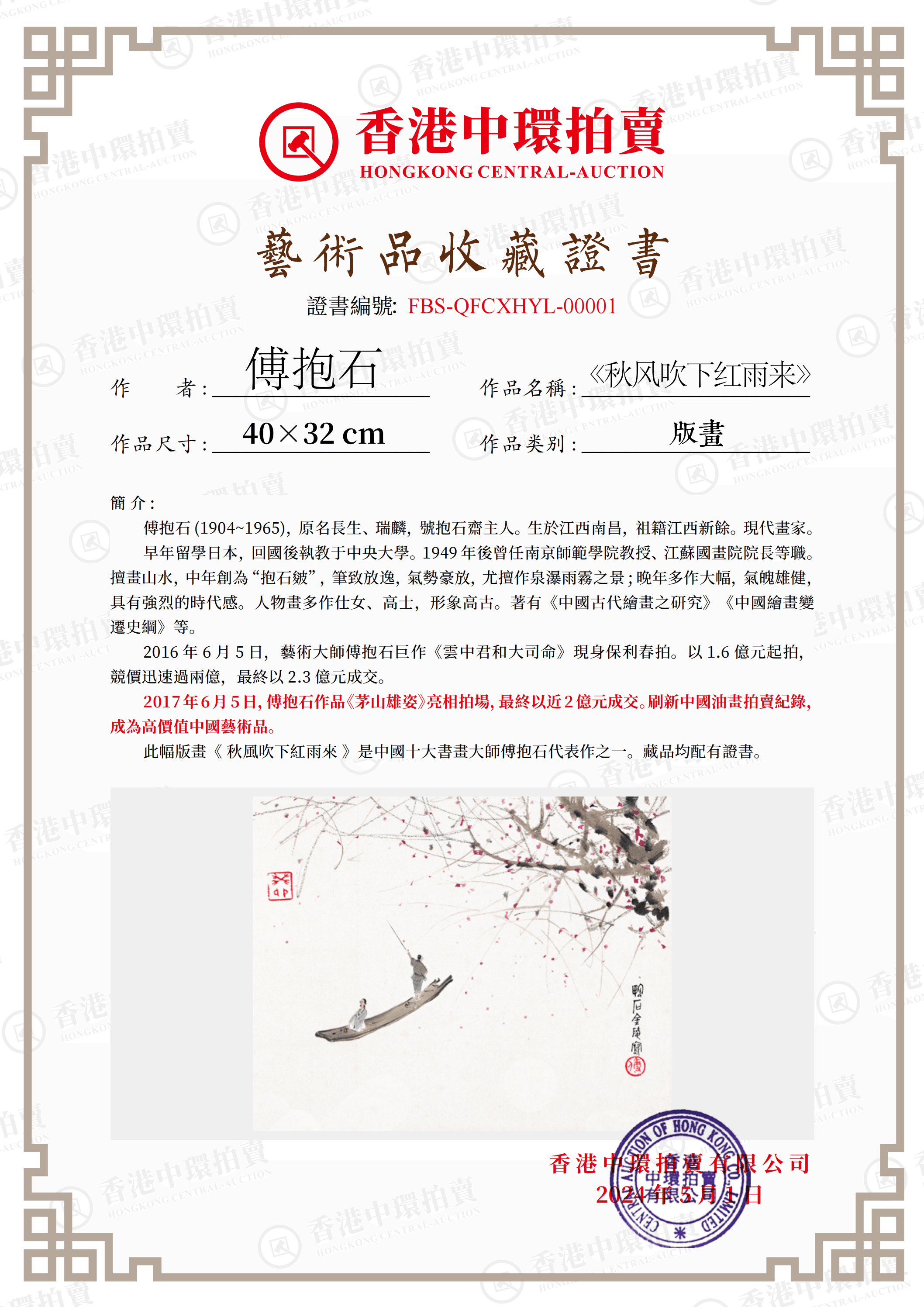
Autumn Wind Brings Red Petals Falling: Fu Baoshi and the Poetics of Shi Tao
Painted in 1962, Autumn Wind Brings Red Petals Falling draws its title from Shi Tao, the Qing dynasty master whom Fu Baoshi revered above all others. Loose, vigorous brushwork sends crimson leaves spiralling through mist-soaked mountains — a supreme example of Fu's ability to fuse ancient poetry with modern brushwork.
April 13, 20267 min read
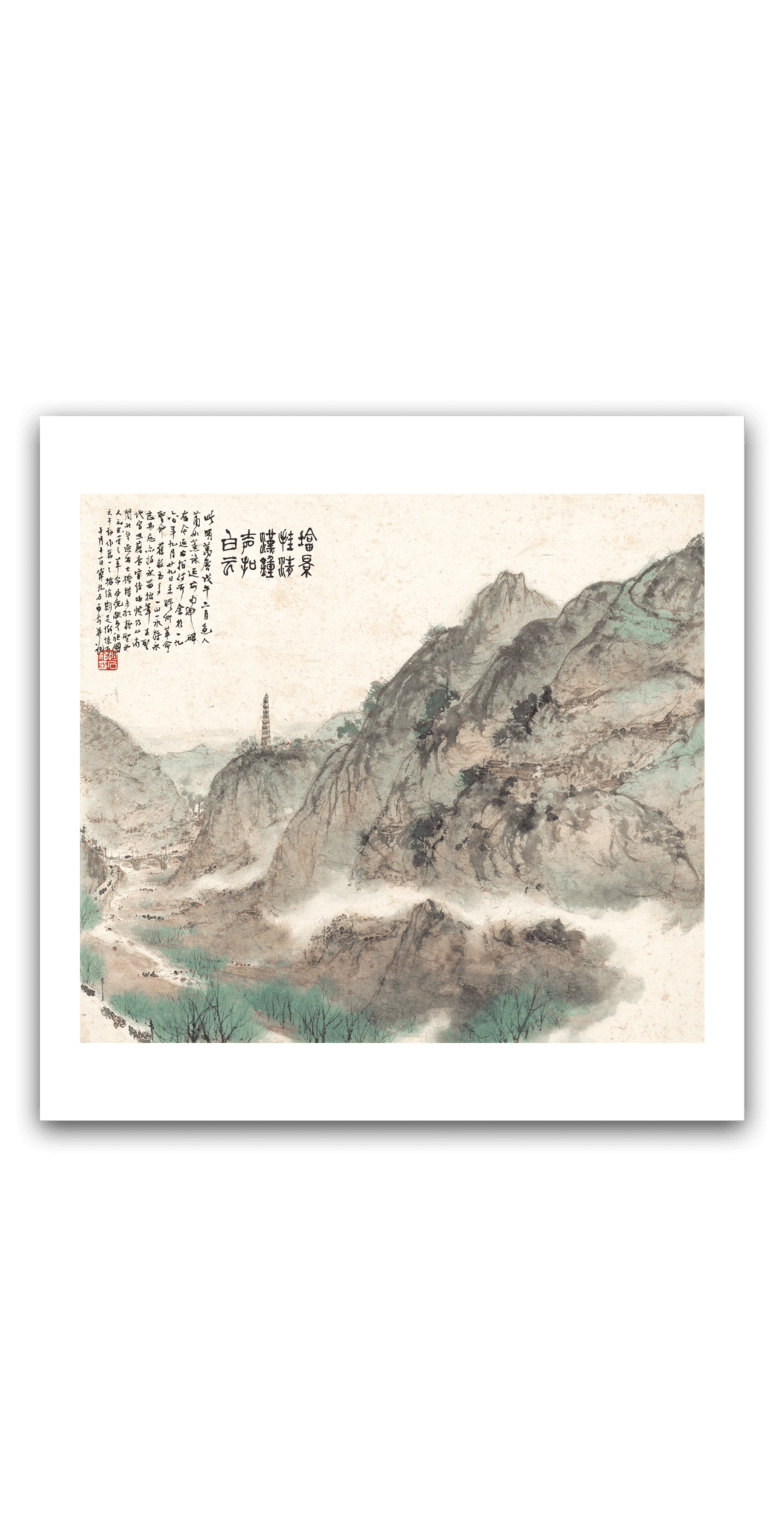
Bell Chimes by Pagoda Shadow: Fu Baoshi's Revolutionary Journey to Yan'an
In October 1960, Fu Baoshi completed Pagoda Shadow and Bell Chime during a historic 23,000-li sketching tour across China. Inspired by Yan'an's iconic Pagoda Hill, this masterwork blends the misty Loess Plateau with ancient poetic verse — a landmark where traditional Chinese art meets modern patriotic spirit.
April 13, 20268 min read
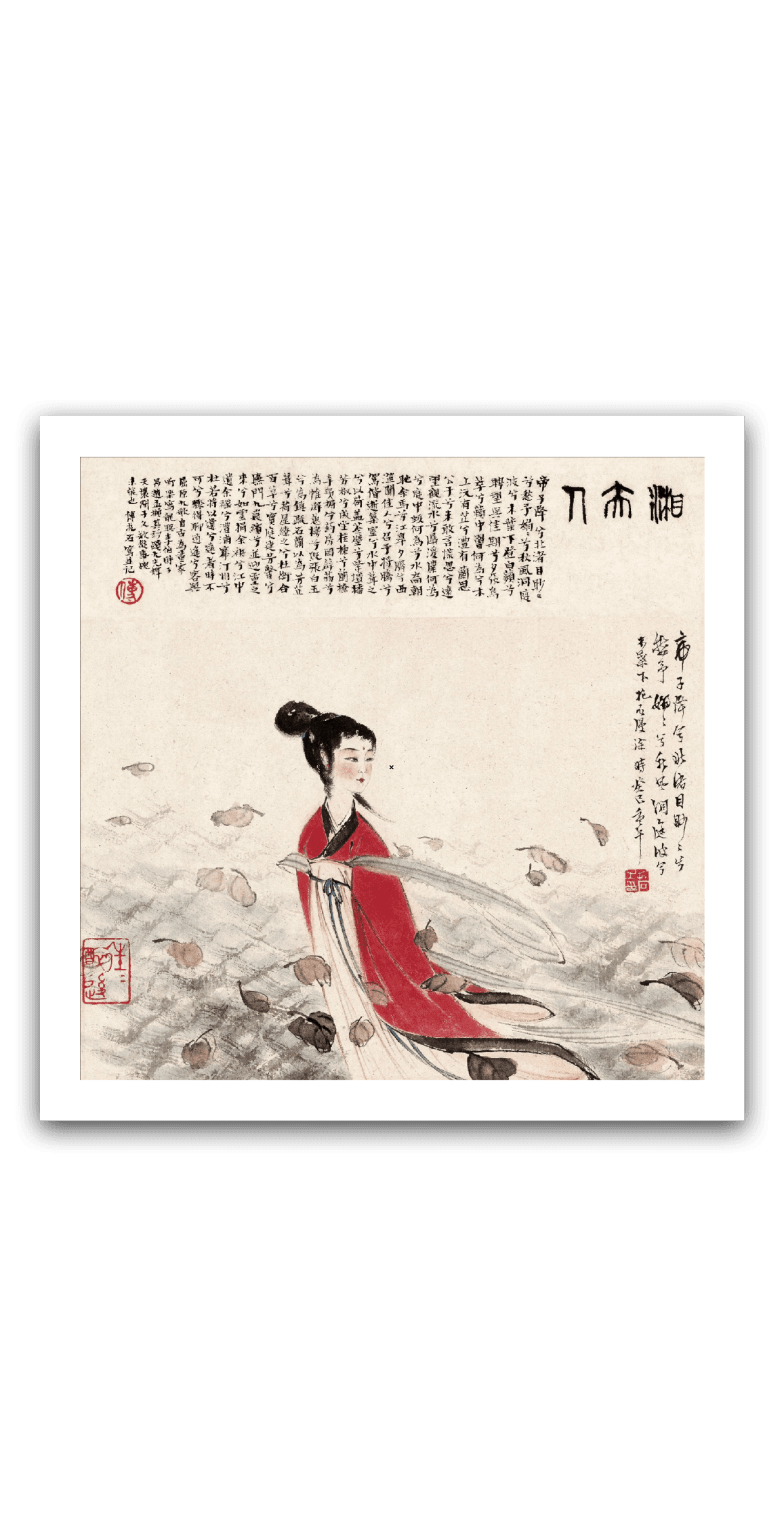
The Lady of the Xiang: Fu Baoshi's Wartime Masterpiece from Qu Yuan's Nine Songs
In 1943, as Japanese forces advanced into Hunan — the ancient land of Chu — Fu Baoshi and his wife sat together in Chongqing and painted The Lady of the Xiang, inspired by Qu Yuan's immortal verse. The result is one of the most emotionally charged figure paintings in modern Chinese art.
April 13, 20268 min read
Craft Unveiled
Chinese Red Seal Stamps on Art: Meaning and How to Read Them
Chinese red seal stamps on art explained: artist seals, collector marks and studio seals, where each sits on a painting, and what a seal can and cannot prove.
April 10, 20265 min read
Curator's Pick
How to Collect Chinese Art: An Outsider's Beginner Guide
For Western buyers approaching Chinese art for the first time, the field can feel impenetrable — too many dynasties, too many forgeries, too many specialists, too many prices that make no sense. Here is the practical framework most experienced collectors wish they had read first.
April 8, 20268 min read
Oriental Aesthetics
Ink Wash Painting for Beginners: How to Look at Chinese Sumi-e
Ink wash painting distills 1,500 years of Chinese visual philosophy into the smallest possible vocabulary — black ink, white paper, single brushstrokes. This is how to look at it: what the strokes do, why so much of the painting is empty, and how to start a collection without making the common beginner mistakes.
April 5, 20266 min read
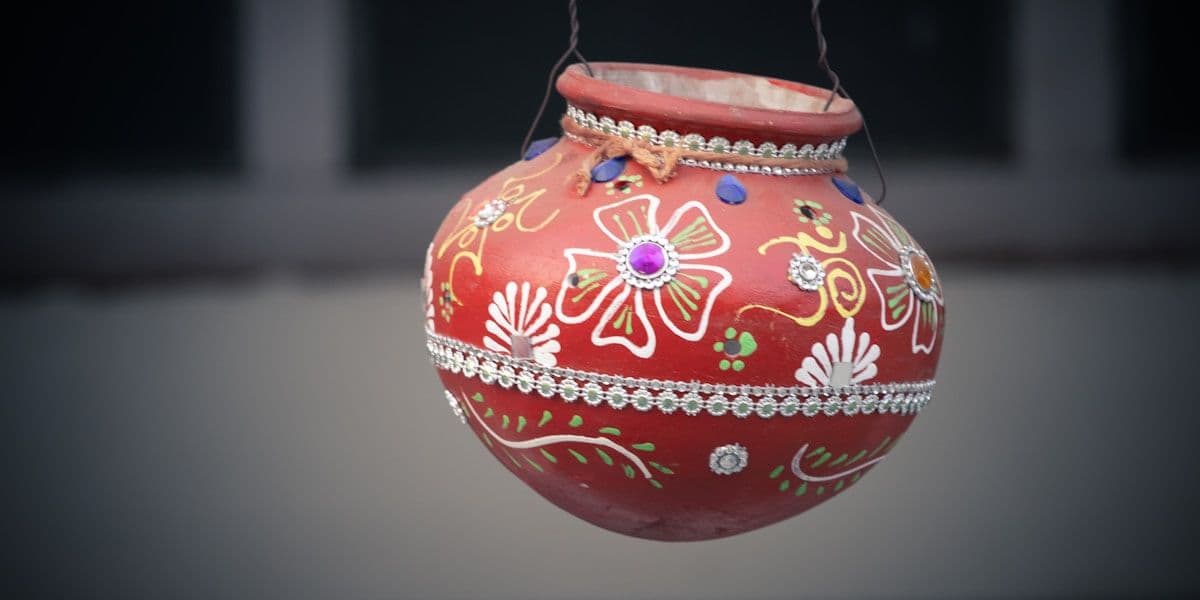
Jingdezhen: The Porcelain Capital of the World
For over 1,700 years, the kilns of Jingdezhen have burned without pause, producing porcelain so fine that European royals bankrupted themselves to acquire it. From imperial commissions to the global export trade, this small city in Jiangxi province shaped the very definition of ceramic excellence — and it is still firing today.
March 20, 202610 min read
Qi Baishi: The Peasant Who Painted Shrimps for Eternity
Qi Baishi learned to read at twenty-seven and to paint at thirty. He died at ninety-seven, the most celebrated Chinese artist of the twentieth century. In between, he produced over ten thousand works — shrimps, crabs, cabbages, and cicadas — each one a quiet argument for the dignity of ordinary life.
March 15, 20269 min read
The 10 Most Expensive Chinese Paintings Ever Sold at Auction
Chinese painting has quietly risen to dominate the upper tiers of the global auction market. From Qi Baishi's monumental Eagles and Pine to Zhang Daqian's luminous splashed-ink landscapes, these ten record-breaking sales reveal what the world's wealthiest collectors value most — and where the market is headed next.
February 28, 20268 min read
Blue and White Porcelain: The Collector's Complete Guide
No style of Chinese ceramics is more recognised worldwide than blue and white porcelain. Its origins are surprising, its history is global, and its finest examples remain among the most sought-after objects in the art market. Here is what every collector should understand.
February 20, 202611 min read
The Four Treasures of the Chinese Study: Brush, Ink, Paper, Inkstone
Long before the canvas and oil tube, Chinese artists perfected their craft with just four materials: the brush, the ink stick, xuan paper, and the inkstone. Together known as the Four Treasures of the Study, these tools are not mere instruments — they are cultural artefacts whose making is itself a vanishing art.
February 15, 20269 min read
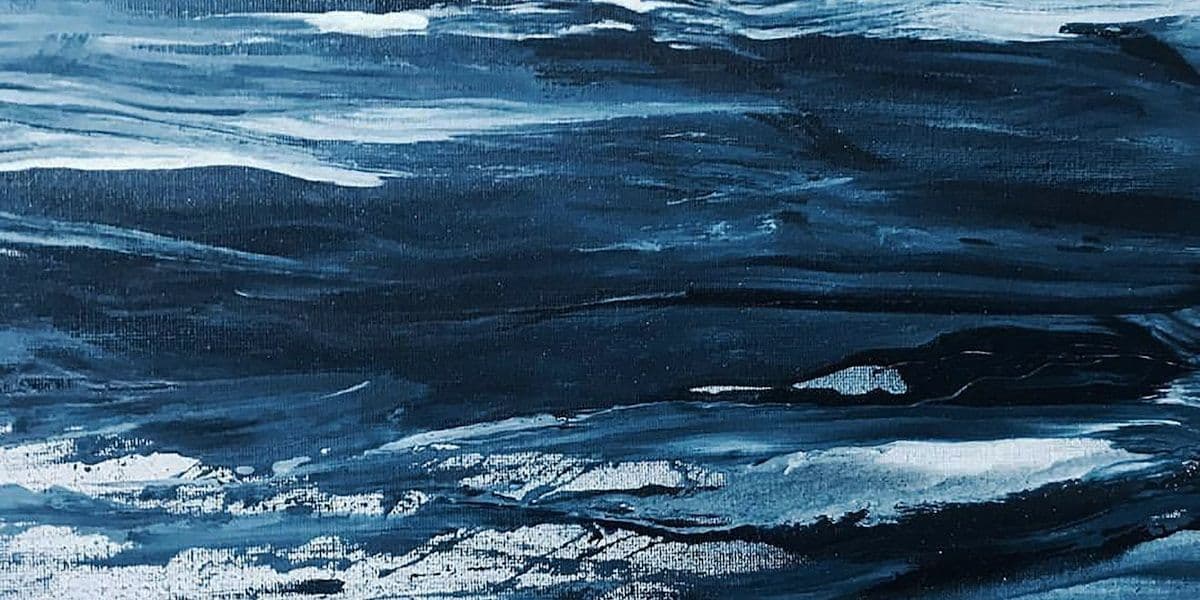
Zhang Daqian: The Forger Who Became the World's Most Collected Chinese Artist
Zhang Daqian could forge any master — and did. His fakes hang in major museums to this day. But the story of how he transcended that reputation to become arguably the most versatile Chinese painter of the twentieth century is far more interesting.
January 25, 20269 min read
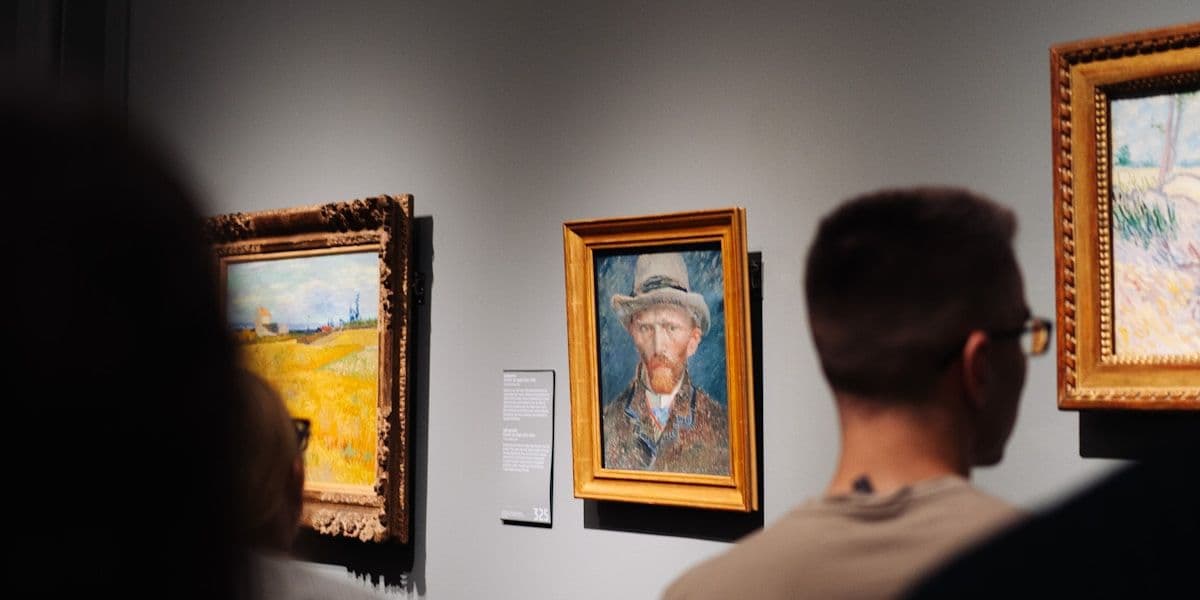
The Art of Chinese Tea Ceremony and Its Ceramics
In the Chinese tea ceremony, the vessel is never secondary to the drink. Gongfu cha elevated teapots, cups, and tea trays into objects of deep aesthetic consideration — where the clay's mineral content, the glaze's texture, and the pot's balance all shape the flavour in the cup and the mood of the moment.
January 15, 20267 min read
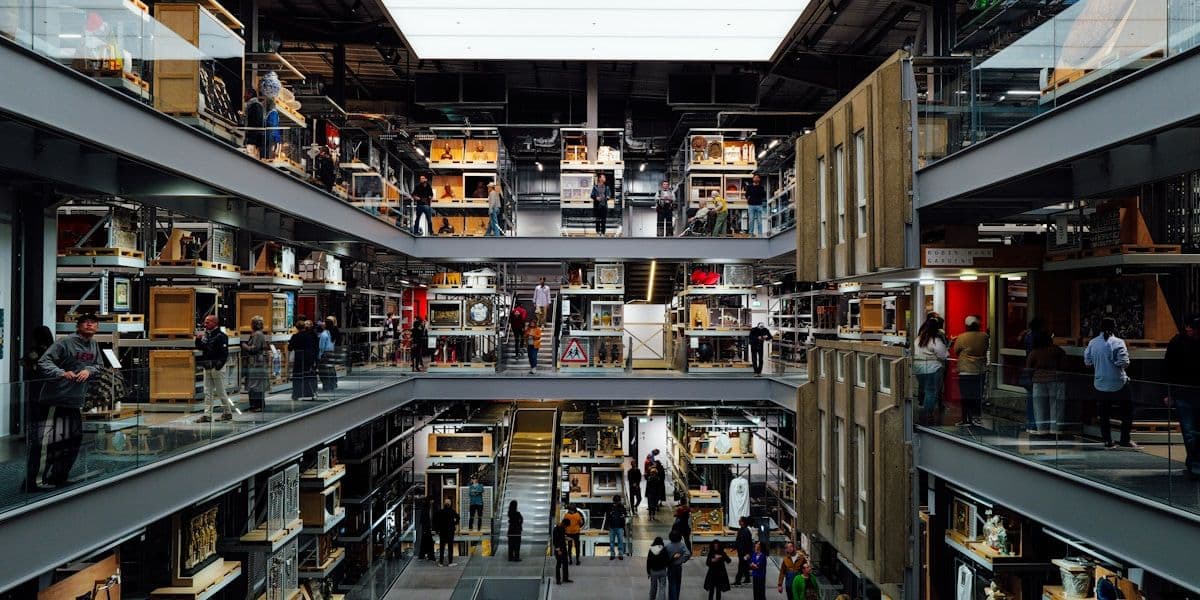
Chinese Jade: History, Symbolism and Collecting Guide
No material occupies a higher place in Chinese culture than jade. Prized for its hardness, translucency, and the soft music it makes when struck, jade has been carved into ritual objects, imperial seals, and personal amulets for eight millennia. This guide covers what every new collector needs to know before purchasing.
December 28, 202511 min read
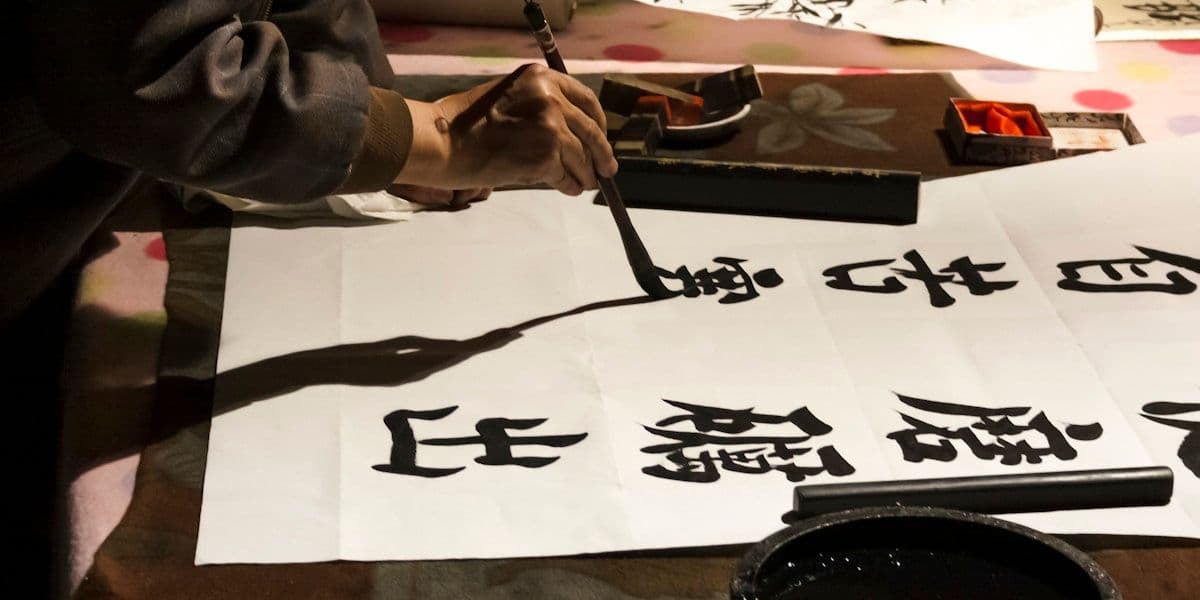
Reading the Brush: A Collector's Guide to Chinese Calligraphy
In China, calligraphy has always ranked above painting as an art form. A single brushstroke can reveal character, training, and spirit. Learning to read it transforms a collector's eye forever.
December 12, 20258 min read
How to Display Chinese Art in Your Home: A Complete Styling Guide
Owning Chinese art is one thing; displaying it well is another. From lighting a hanging scroll to styling a celadon vase on a modern console, the right presentation elevates both the artwork and the room. These expert tips will help you integrate traditional Chinese pieces into any contemporary interior.
December 10, 20257 min read
The Rise of Chinese Contemporary Art: A Market Guide for 2026
Chinese contemporary art has surged from relative obscurity to commanding eight- and nine-figure auction results in barely two decades. With a new generation of artists blending traditional techniques with global themes, the market in 2026 offers both extraordinary opportunities and cautionary lessons for collectors.
November 25, 202510 min read
Yixing Teapots: The Collector's Complete Guide to Purple Clay
Yixing zisha teapots are the most collected — and most counterfeited — ceramics in China. Made from rare purple clay found only in Jiangsu province, authentic Yixing pots absorb the flavour of tea over decades of use, becoming more valuable with age. Here is how to tell the real from the fake.
November 10, 20259 min read
Drawing with Two Brushes: Xu Beihong's East–West Synthesis
Xu Beihong spent eight years in Paris learning the anatomy of Delacroix's horses. He returned to China and painted them with a Chinese brush. The result was neither East nor West — it was something entirely new.
February 14, 20257 min read
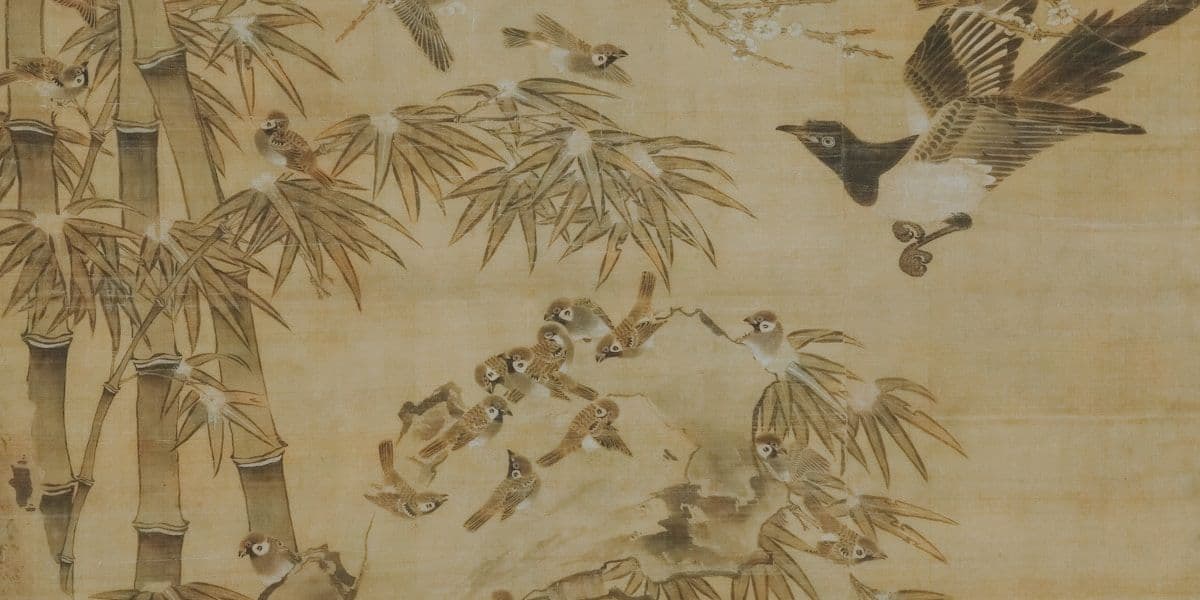
Ink Bamboo Painting: How to Read Stalk, Node and Leaf
Ink bamboo painting explained: what stalk, node and leaf strokes reveal about the hand that made them, why Wen Tong set the standard, and how to judge one.
October 28, 20246 min read
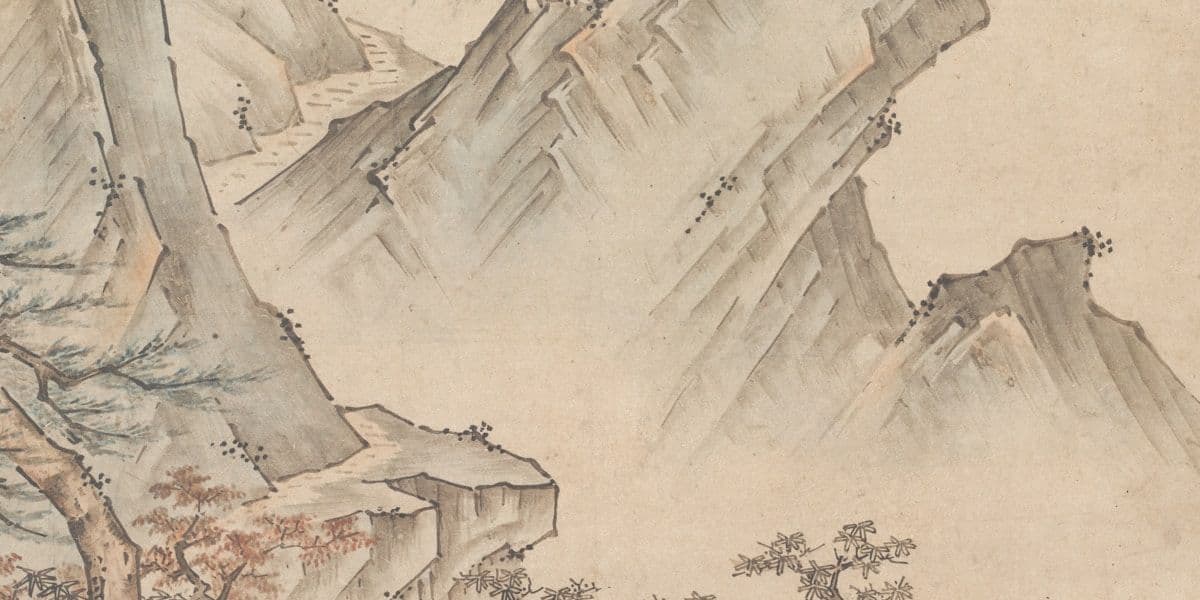
Curator's Autumn Pick: Five Works for a Contemplative Season
Autumn invites a particular mood — a desire for warmth, depth, and quiet beauty. This season's picks lean toward muted earth tones and melancholy landscapes.
October 10, 20245 min read

Living With Your First Chinese Artwork: What Actually Changes
A practical guide to the first work: how to choose one, what to read about it once it arrives, where to hang it, and what a single piece realistically does to a room.
September 22, 20246 min read
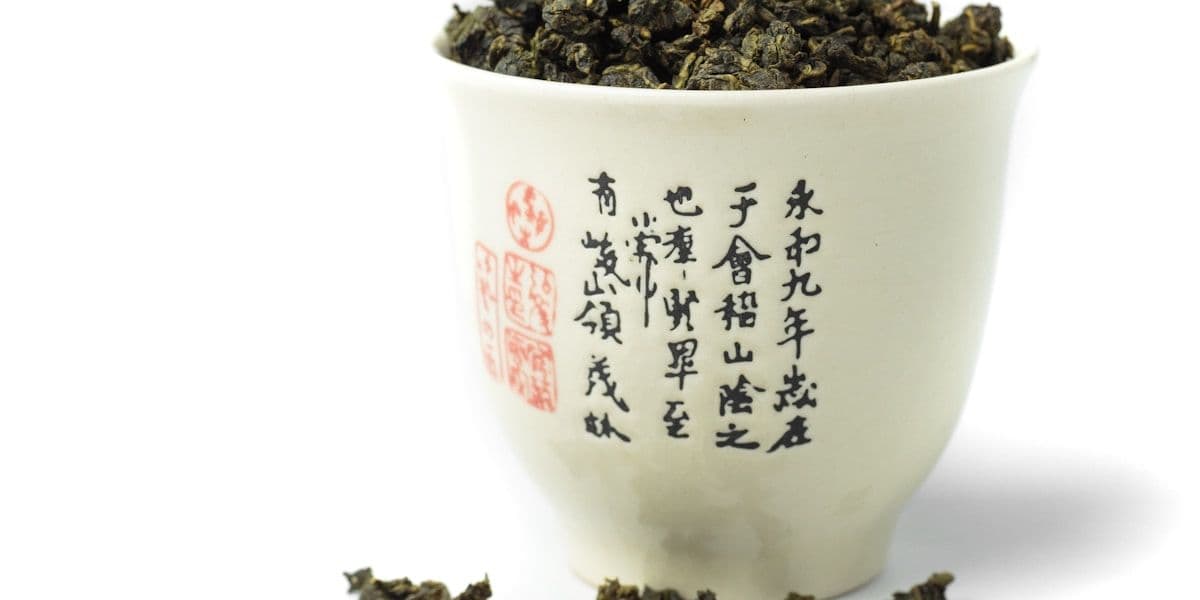
East Meets North: How to Style Chinese Art in a Nordic Interior
Both Nordic and Chinese aesthetic traditions share a reverence for negative space, natural materials, and the beauty of imperfection. They pair beautifully.
August 18, 20245 min read