Published July 30, 2026
A collector's guide to Yongzheng porcelain: famille rose, falangcai, doucai revivals and monochromes, imperial versus export, and how to buy wisely.
Set a Yongzheng bowl on a table in afternoon light and turn it slowly. The proportions feel considered rather than grand; the glaze is even and quiet; a spray of famille rose flowers sits on the white with the confidence of a painter who left space around every petal. Nothing is trying to impress you. That is the whole point of the reign — and the reason a short, thirteen-year window is so prized by collectors who care more about how a piece is made than how much it shouts.
This guide maps Yongzheng-reign porcelain for a collector: where it sits between Kangxi and Qianlong, what the reign is famous for, how imperial and export wares differ, and how to approach the market without overpaying for a name.
A short reign at the top of its craft
The Yongzheng reign (1722–1735) is brief — bracketed by the long, expansive Kangxi reign before it and the sprawling Qianlong reign after. Yet in ceramics it is frequently singled out as the moment when technical refinement peaked. The forms are balanced, the potting is thin and precise, the glazes are controlled, and the decoration is restrained where later Qianlong work can tip into abundance.
If you already know the reign that preceded it, the contrast is clear. Kangxi porcelain is muscular and various, with strong famille verte enamels and the deep "five blues" of underglaze cobalt; our Kangxi-era collecting guide covers that range. Yongzheng inherits all of that technical capacity and turns the dial toward elegance. Then Qianlong inherits Yongzheng's refinement and adds scale, novelty, and revival wares; the Qianlong collecting guide picks up that story. Read as a trio, the three reigns are one long arc — expansion, refinement, elaboration — and Yongzheng is the still point in the middle.
What the reign is known for
A handful of categories account for most of the reign's reputation.
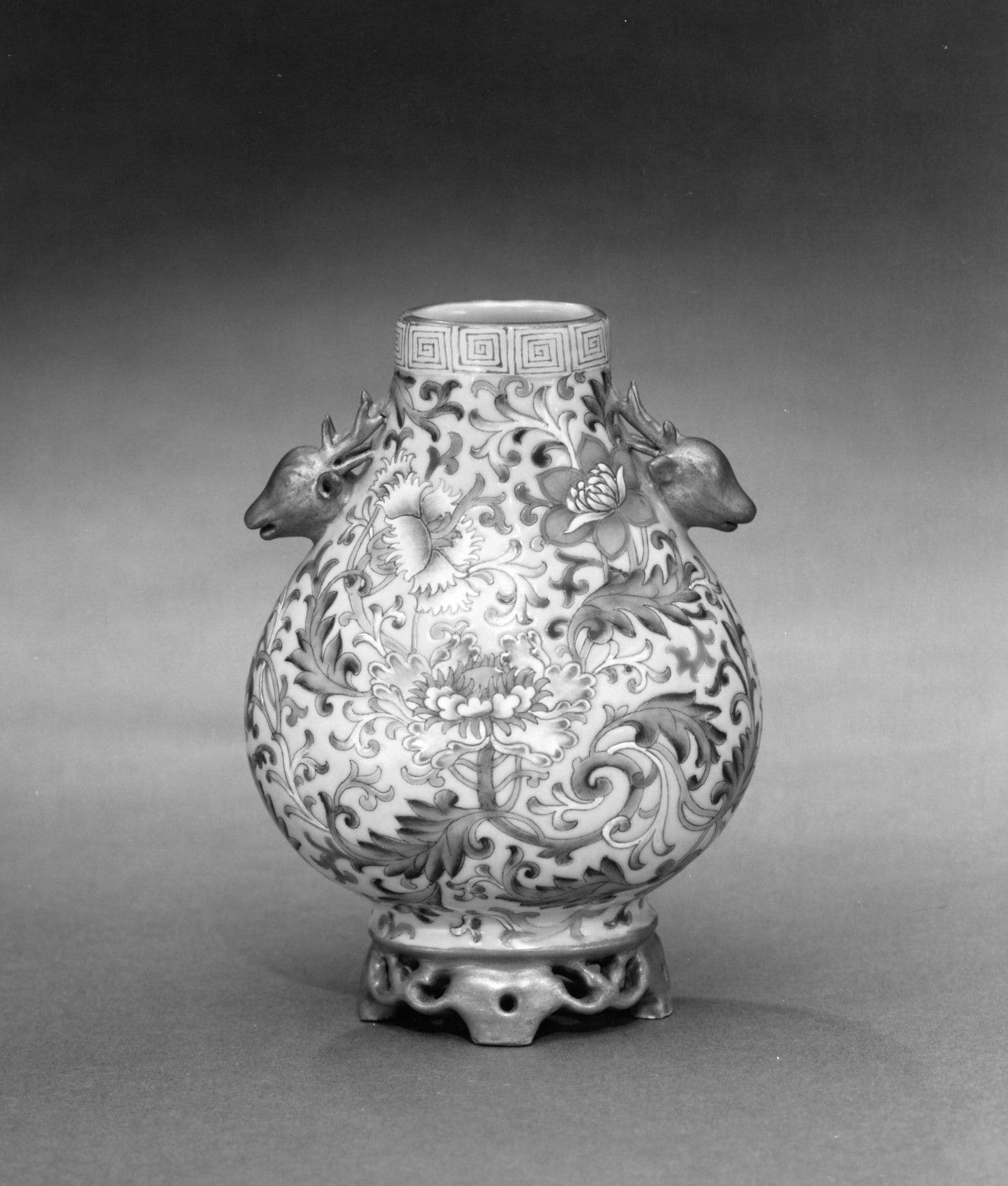
- Famille rose (fencai). The opaque, pink-toned overglaze enamels matured into their classic form under Yongzheng, prized for soft gradations and fine painting. If the palette itself is new to you, our explainer on famille rose enamels covers how the colors were built and fired.
- Falangcai painted enamels. The most rarefied enamelled wares — small, exquisitely painted pieces associated with the palace workshops rather than the ordinary kiln output. These are among the most coveted and most expensive Qing ceramics.
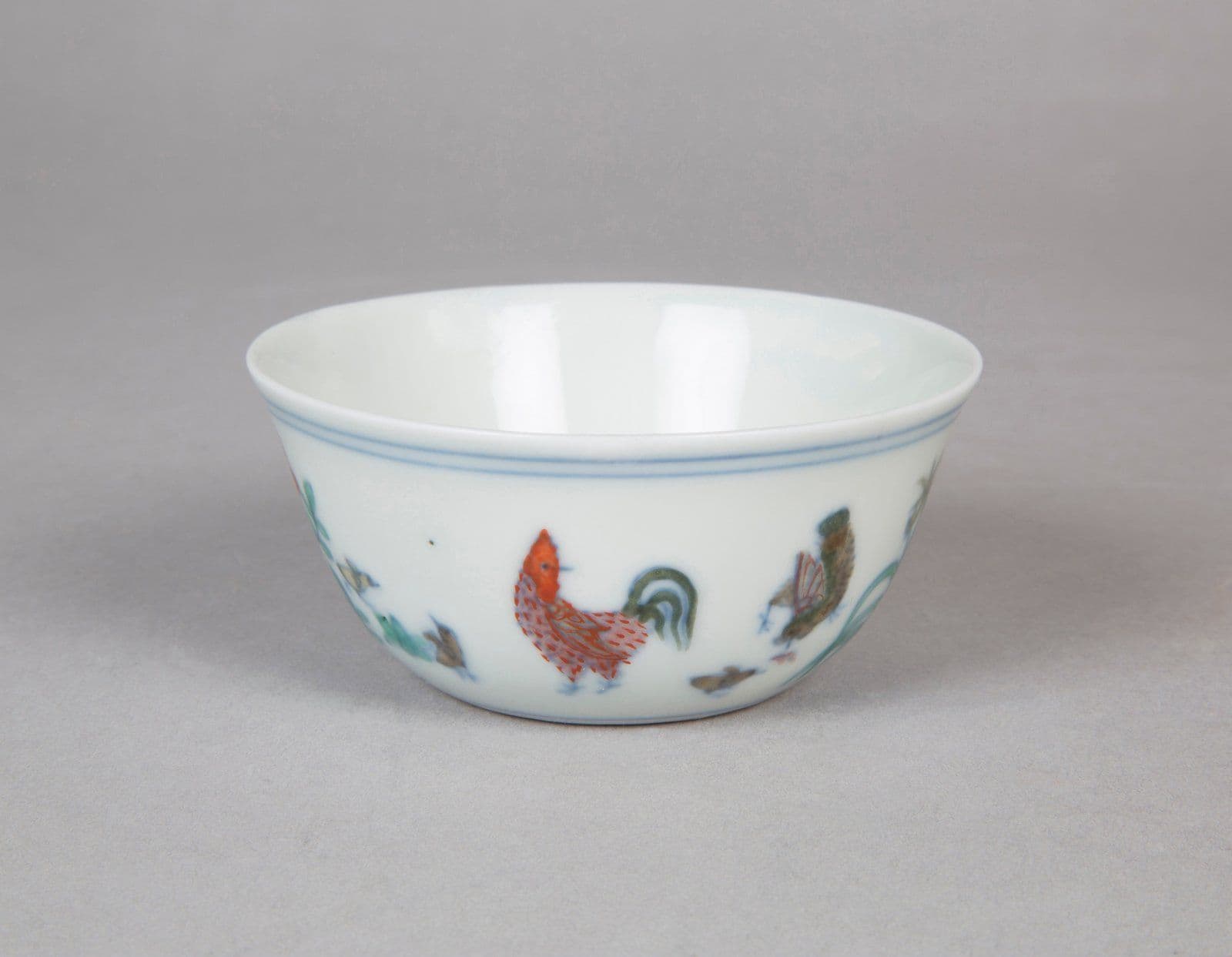
- Doucai revival. Yongzheng potters revisited the delicate "contrasted colors" technique of the fifteenth-century Chenghua reign, pairing underglaze-blue outlines with overglaze enamels. The reign's homage to that earlier benchmark is one reason Chenghua doucai stayed a living reference point.
- Monochromes and Song-glaze revivals. The reign produced superb single-color glazes and careful re-creations of Song classic wares. The imperial kilns at Jingdezhen were overseen in this era by administrators including Tang Ying, who became the most celebrated kiln supervisor of the eighteenth century, and the ambition to master and reproduce earlier glazes runs right through the period.
Imperial versus export
As with any Qing reign, the porcelain that reaches the market splits broadly into imperial-quality wares and the far larger body of export and domestic trade goods, and the gap in value between them is enormous.
Imperial wares were made for the court under strict supervision, and they carry the qualities the reign is famous for: the thinnest potting, the finest enamel painting, the most even glazes, and, often, a carefully written reign mark. The reign mark most associated with the period reads Da Qing Yongzheng Nian Zhi ("made in the Yongzheng reign of the Great Qing"), typically in underglaze blue, in regular or seal script, and often enclosed in a double circle. The mark is a starting point for study, not a certificate — how to read it in detail, and the traps around it, are covered in our Yongzheng reign-marks guide.
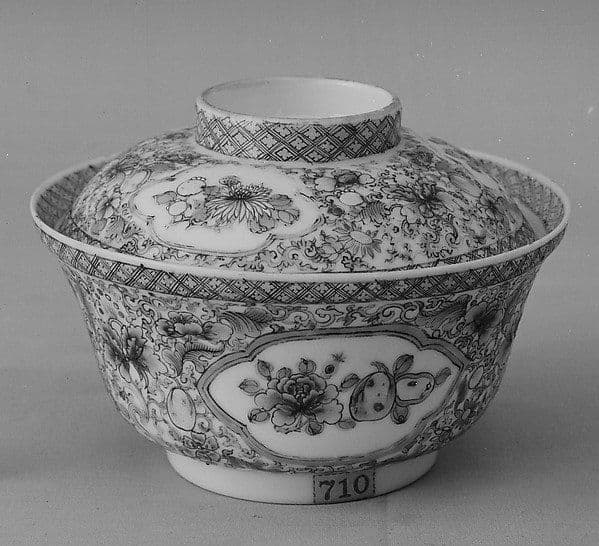
Export wares — including the famille rose services shipped to Europe and America — can be beautiful and collectable in their own right, but they were made in quantity to commercial standards and should be valued accordingly. The mistake to avoid is paying an imperial price for a trade piece because it happens to be attractive and old.
Underglaze blue and the Ming revival
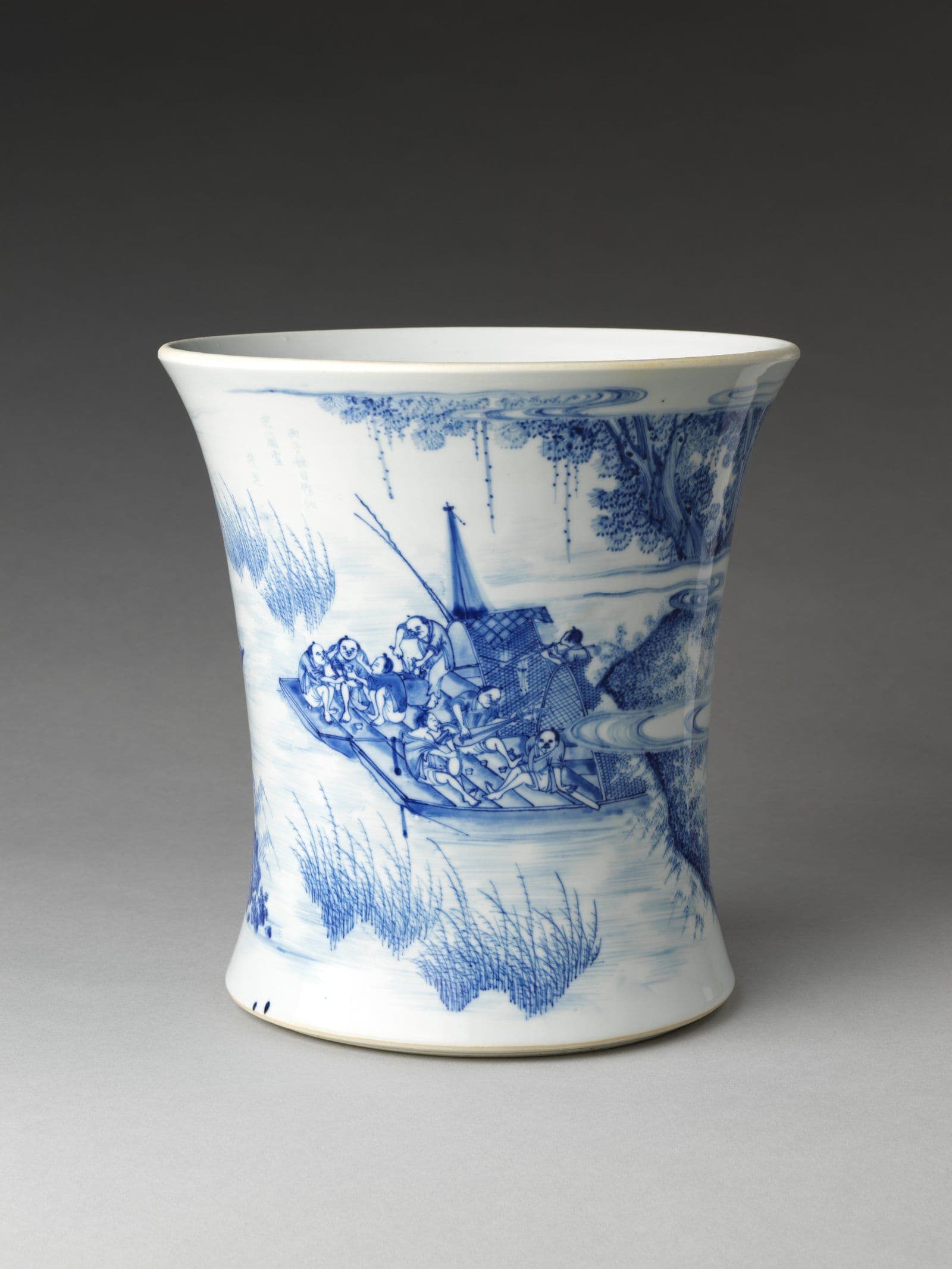
Famille rose gets the headlines, but Yongzheng underglaze blue deserves its own note, because it shows the reign's habits clearly. Rather than simply continuing the strong Kangxi cobalt, Yongzheng potters often looked back to the early Ming — reviving the compositions of the Yongle and Xuande reigns and even imitating the "heaping and piling," the dark pooling of cobalt, that marked genuine fifteenth-century wares. Made at the imperial kilns, these are homages of extraordinary skill rather than fakes; the cobalt behaviour behind that effect is covered in our overview of blue-and-white and its cobalt.
This backward glance is the key to the reign's character. Yongzheng did not chase novelty for its own sake. It refined what it inherited, honored the benchmarks of the past, and executed everything to an exacting standard. The same instinct produced the doucai revivals and the Song-glaze re-creations noted above — a court measuring itself against history and trying to equal it. The shapes follow suit: balanced vases, bowls, dishes, and stem cups whose profiles feel drawn rather than merely thrown, with none of the reach for size that later marks some Qianlong pieces.
For collectors, the practical consequence is about scarcity and condition. Imperial Yongzheng wares were made in limited numbers and treasured from the start, so genuine examples are few and expensive, and condition materially affects value. A hairline, a restored rim, or ground-down damage changes the equation on a piece whose whole appeal is near-perfection — so reading condition carefully is not optional at this level.
How to approach the market
Yongzheng is a connoisseur's reign, which cuts two ways. The genuine article rewards close looking; the market reflects that, so quality is the whole game.
Three habits keep a buyer honest. First, judge the piece before the label: proportion, potting thickness, glaze evenness, and the quality of the enamel or brushwork tell you more than any attribution. Second, treat the Yongzheng mark as a claim, not proof — the reign was so admired that its marks were later applied in homage, so a "Yongzheng" mark can sit on a piece made decades or centuries afterward. Third, buy where accountability exists. Whether you are bidding at a major sale or buying privately, insist on clear descriptions and condition disclosure; our walkthrough of buying Chinese art at auction covers how to read a catalogue entry and what the wording is really telling you.
For a first Yongzheng purchase, many collectors do best with a well-potted monochrome or a modest famille rose piece with honest condition, rather than reaching for a marked "imperial" object at the edge of their budget. The refinement that defines the reign is visible even in unpretentious pieces — and that is a far safer place to learn the reign's hand.
Common questions
Why is Yongzheng porcelain so highly regarded despite the short reign?
Because the reign is associated with peak technical quality rather than quantity or spectacle. In just over a decade, the imperial kilns produced exceptionally refined potting, controlled glazes, mature famille rose, rarefied falangcai enamels, and accomplished monochromes and Song-style revivals. Collectors who prize craftsmanship and restraint often rank Yongzheng imperial wares at or near the top of Qing porcelain.
How is Yongzheng porcelain different from Kangxi and Qianlong?
Kangxi is broader and more robust, strong in famille verte and underglaze blue. Yongzheng takes that capability and refines it — thinner, quieter, more elegant. Qianlong keeps the refinement but adds scale, technical novelty, and revival wares, sometimes at the expense of restraint. Seen together the three reigns form a single arc, with Yongzheng as the refined middle.
Does a Yongzheng reign mark mean a piece was made in the reign?
No. Yongzheng was so admired that its six-character mark was applied to later pieces in homage, and it was also faked outright. A mark reading "made in the Yongzheng reign" is a starting point for research, to be weighed against potting, glaze, enamel quality, and provenance — not a guarantee of date. Significant pieces warrant an independent expert opinion.
What is a sensible first Yongzheng piece to buy?
A well-potted monochrome or a modest famille rose object with honest, disclosed condition is a common and prudent entry point. The reign's defining refinement shows even in unassuming pieces, and buying at the accessible end lets you learn the period's quality without staking a large sum on a contested "imperial" attribution.
Further reading
- Chinese Monochrome Glazes: A Collector's Guide — the single-color wares the Yongzheng kilns brought to a high point.
- Famille Rose vs Famille Verte, Explained — the palette shift that defined the reign's enamelled porcelain.
- Qing Imperial Yellow Porcelain — a monochrome tradition the refined Qing reigns brought to a high standard.
Browse the collection
Porcelain is a subject we write about rather than one we stock. What Kiln & Ink sells is paper: limited-edition archival giclée reproductions of the twentieth-century Chinese ink masters, each one hand-numbered and issued with a Certificate of Authenticity.
Explore Further