Published July 28, 2026
Shiwan pottery explained: the Guangdong figural tradition, its thick reduction glazes, and how to tell antique figures from modern ones.
Pick up a Shiwan figure of a seated immortal and your eye goes straight to the face — because the face is not glazed. The robes run with thick, streaked blue-and-purple glaze that pools in the folds, but the features and hands are left as bare fired clay, so the modelling of a cheekbone or a knuckle reads with a directness that a glaze coat would soften. That deliberate contrast, unglazed flesh against flowing glazed cloth, is the fastest way to recognise Shiwan ware, and it tells you immediately that you are looking at something outside the imperial porcelain tradition.
This article explains what Shiwan pottery is, where it comes from, the figures and glazes that define it, and how collectors tell older pieces from the contemporary work still being made today.
A folk tradition, not an imperial one
Shiwan is a town in Foshan, in Guangdong province in southern China — a long way, geographically and culturally, from the imperial porcelain kilns of Jingdezhen. Where Jingdezhen made refined white porcelain for the court, Shiwan was a popular kiln: a center of folk and commercial ceramics serving temples, households, gardens, and the export trade rather than the emperor.
The material itself is different. Shiwan works in stoneware, not the fine white porcelain of the Jiangxi kilns. Its clay bodies are darker and coarser, fired to a hard, dense stoneware, and the tradition built its reputation on sculpture and glaze effects rather than on painted decoration. This is a useful mental category to hold: much of what collectors call "Chinese ceramics" divides into the porcelain tradition and the many regional stoneware and pottery traditions, and Shiwan is one of the great examples of the second kind.
The kilns have a long history, active for many centuries and flourishing especially in the later imperial period, and — unlike many historic kiln sites — Shiwan is a living tradition. Figures are still modelled and fired there today, which is central to how the field is collected.
The figures: gods, immortals, and everyday life
Shiwan is best known for figural sculpture. The subjects are drawn from a shared popular imagination rather than court taste:
Deities and immortals — figures from Daoist and Buddhist practice, the Eight Immortals, luohan, and popular gods worshipped in temples and homes.
Historical and legendary figures — sages, generals, poets, and characters from opera and folklore.
Everyday and rustic subjects — fishermen, farmers, scholars at rest, and genre scenes that carry a warmth and humour rare in imperial wares.
Animals and architectural ceramics — beasts, birds, and the ridge figures and tiles that decorated the roofs of temples and guild halls across the south.
The modelling is the point. A good Shiwan figure captures posture and character — a tilt of the head, the slump of a relaxed shoulder — with an economy that comes from a sculptor's hand rather than a decorator's brush. The unglazed face and hands are not an accident of technique but a choice that keeps the human element vivid. In this emphasis on figure and expression, Shiwan sits alongside other regional figural ceramics such as Dehua blanc de chine, the white porcelain of Fujian famous for its Guanyin figures — a useful comparison, since the two traditions solve the problem of the ceramic figure in opposite ways, one through pure white porcelain and one through coloured stoneware glaze.
The glazes: Shiwan's imitation of Jun
If the figures are one half of Shiwan's identity, the glazes are the other. The kilns became celebrated for thick, richly coloured reduction glazes, and above all for their imitation of Jun ware — the famous northern stoneware whose glazes streak and pool in blues, lavenders, and purples where the kiln atmosphere transforms the copper and iron in the coating. Shiwan potters admired these effects and reproduced them so successfully that their versions earned the name "Shiwan Jun."
What makes a Shiwan glaze distinctive is its generosity: applied thickly, it runs and gathers in drapery folds and around the base of a figure, breaking into streaks and drips that no two firings repeat exactly. The chemistry belongs to the wider family of Chinese reduction and monochrome glazes, where the kiln's oxygen-starved atmosphere is doing the real work on the metal oxides in the glaze. The same underlying process gives Chinese ceramics its great copper-red glazes; Shiwan applies that reduction magic to a folk sculpture instead of an imperial vase, which is exactly what makes it feel so different in the hand.
Beyond the shelf figure: roofs, gardens, and the wider trade
Shiwan's sculptural instinct did not stop at figures small enough to hold. The same kilns supplied a whole built environment across southern China. Temples, ancestral halls, and guild buildings throughout the Pearl River Delta were crowned with elaborate roof-ridge ceramics — friezes of figures from opera and legend, dragons, fish, and pavilions, all glazed in the kiln's signature colours and set along the ridgeline where they could be read against the sky. These architectural pieces are a major part of the tradition's history, even if the collectible market naturally centres on the freestanding figures.
The kilns also made garden and household stoneware: seats, planters, water vessels, and the practical wares of ordinary life, often in the same rich reduction glazes. And Shiwan reached well beyond Guangdong. Its wares travelled the coastal and overseas trade routes to communities across Southeast Asia, where southern Chinese migrants carried a taste for these familiar gods and glazes with them. Understanding this range helps a collector place a single figure in context: it is one product of a large, commercially minded folk industry that decorated buildings, gardens, and altars, not a rarefied court workshop. That breadth is part of why the tradition survived when many imperial kiln lines did not.
Older pieces versus contemporary work
Because Shiwan is still a working craft, the central question for a collector is age. Contemporary Shiwan figures are made in quantity and are widely and affordably available; older pieces from the Qing and Republic periods are scarcer and command more. Telling them apart is where connoisseurship comes in, and there is no single shortcut.
A few things collectors weigh:
Modelling quality. The best older figures have a liveliness and confidence of hand that routine production work lacks. Character in the face and naturalness in the pose matter more than size or elaboration.
Glaze depth and wear. Older glazes often show a settled, varied surface and honest wear consistent with age and handling, rather than a uniform, freshly bright coat.
Maker's marks. Shiwan figures frequently carry an impressed seal mark of the maker or studio, often on the back or base. These signatures are part of the tradition and a genuine research thread — though, as with all marks, they can be copied and must be read alongside the object.
Clay and finish. The colour and texture of the exposed body at the face, hands, and foot carry information about material and firing.
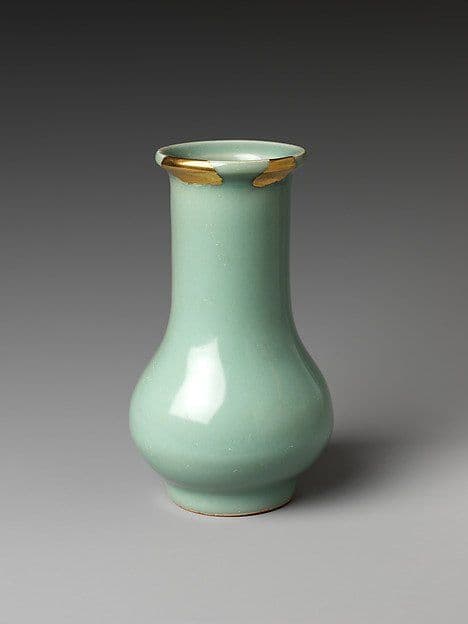
None of these is decisive alone. As with the regional glaze wares such as Longquan celadon, a secure judgement comes from weighing several tells together — body, glaze, modelling, and mark — rather than trusting any one of them.
Common questions
Is Shiwan ware porcelain?
No. Shiwan is a stoneware tradition, made from darker, coarser clay fired hard and dense, not the fine white porcelain of Jingdezhen. Its reputation rests on figural sculpture and thick coloured glazes rather than on painted white porcelain, which places it among China's regional pottery traditions rather than the imperial porcelain line.
Why are the faces of Shiwan figures unglazed?
It is a deliberate convention. Leaving the face and hands as bare fired clay while glazing the robes keeps the modelling of the features sharp and lifelike, since a thick glaze would blur them. The contrast between matte, exposed flesh and flowing glazed cloth is one of the clearest signatures of the tradition.
What are "Shiwan Jun" glazes?
They are Shiwan's admired imitations of Jun ware — thick reduction glazes that streak and pool in blues, lavenders, and purples. Shiwan potters reproduced the Jun effect so effectively on their stoneware that the style acquired the name, and these running, richly coloured glazes became one of the kiln's defining products.
How can I tell an old Shiwan figure from a modern one?
There is no single test. Collectors weigh the quality and liveliness of the modelling, the depth and wear of the glaze, the exposed clay body, and any impressed maker's mark — considered together. Because the craft is still active, distinguishing a genuinely old piece from recent work is a matter of connoisseurship, best learned by handling many examples.
Further reading
Dehua blanc de chine — the Fujian white-porcelain figure tradition, Shiwan's opposite number.
Chinese monochrome and reduction glazes — the glaze chemistry behind Shiwan's colours.
Copper-red glazes — reduction firing on imperial porcelain, for comparison.
Longquan celadon — another great regional glaze ware and how it is judged.
Browse our collection
Hand-painted and hand-modelled works in China's regional ceramic traditions, all honestly described and clearly attributed. — pieces that carry the character of the maker's hand, the way a good Shiwan figure does.
Explore Further