Published September 23, 2026
How to sell Chinese paintings and porcelain: valuing the piece, auction against dealer consignment and private sale, fees, and what to fix first.
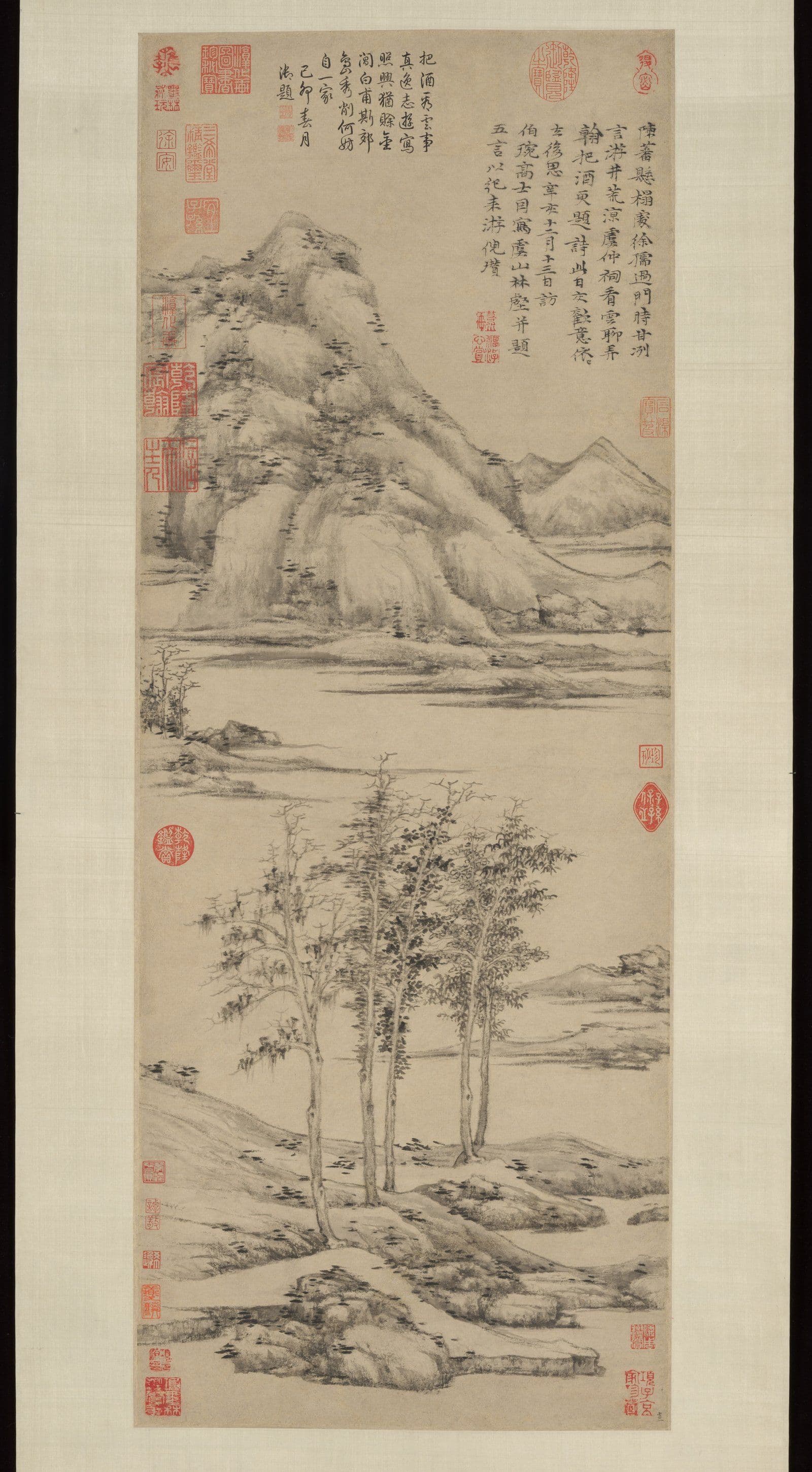
The decision to sell usually arrives long before the work of selling does. Before you telephone anyone, take the scroll out of its box and unroll it on a clean table, a weight at each end, and read it the way a buyer will: right to left, inscription first, then the seals, then the mounting silk, then the lower margin where foxing and old water stains gather. Ten minutes of that will tell you most of what every route to market is going to ask you about.
This guide walks you through selling a piece of Chinese art as a private owner: how to arrive at a realistic figure before you talk to anyone, what auction, dealer consignment and private sale each cost and how long each takes, how to read the agreement you are asked to sign, what to restore and what to leave alone, and how provenance, export rules and shipping affect the sum that actually reaches your account.
Establish a value before you talk to anyone
Three different numbers get called "value" and they are rarely close. Insurance replacement value is what it would cost to buy a comparable piece at retail, and it is the highest of the three. Fair market value is what a willing buyer and willing seller would agree, and it is the figure appraisers use for probate and tax. Auction estimate is a working range set to attract bidding, usually pitched a little below what the specialist privately hopes for.
What you receive is none of those. It is the hammer price less the seller's commission and charges, or the dealer's net price after their share. Work backwards from the number you want in hand and you will judge offers far more clearly. The mechanics of the three figures, and how appraisers move between them, are set out in our guide to valuing Chinese art.
Then find comparables. Published auction results for the same artist, subject, size and period are the only evidence anyone will take seriously. A hanging scroll by a named twentieth-century painter is priced by subject and date as much as by name: shrimp, horses and plum branches trade differently from the same artist's calligraphy.
Get the attribution straight first
An unresolved attribution is the single most expensive thing you can carry into a sale. Auction houses grade their catalogue language carefully, and each step down that ladder costs money: a work catalogued under the artist's name outright, one described as attributed to him, one called school of or in the manner of, and one given only as bearing the signature of.
Read the signature and seals yourself before you hand the piece over, and be candid with the specialist about what you know and what you inherited as family lore. Specialists will tell you what they can support, and what they can support is what goes in the catalogue. The evidentiary habits behind that judgment are covered in how experts authenticate Chinese paintings.
If a piece will not survive scrutiny, that is worth knowing in private rather than discovering in a saleroom. A work withdrawn quietly can be sold later; a work that fails publicly carries the record with it.
Auction: the mechanics and the costs
Auction is a public, dated process with a known end point. You sign a consignment agreement, the house sets an estimate and a reserve, the piece is photographed and catalogued, and it sells or it does not.
- Seller's commission. Charged on the hammer price, negotiable on better material, and sometimes waived entirely for a piece the house wants in the sale.
- Charges on top. Illustration, insurance while in their care, shipping, and occasionally catalogue or marketing contributions. Ask for these in writing as a capped sum.
- The buyer's premium. A quarter or more of the hammer price is added to the buyer's side. It does not come out of your pocket, but it suppresses bidding, so treat the premium-inclusive price as the market's real ceiling.
- Settlement. Payment typically follows roughly a month after the sale, and later still if the buyer is slow. Do not sell at auction to meet a deadline that falls in the next few weeks.
- The buy-in. If the piece fails to meet its reserve it comes back to you, sometimes with charges attached, and the lot is now on record as unsold.
Specialist Chinese art sales, held in seasons, consistently outperform general sales for anything worth cataloguing. The buyer's side of the same machinery, which is worth understanding before you set a reserve, is in our guide to buying Chinese art at auction.
Dealer consignment
A dealer takes the piece into stock without buying it, prices it at retail, and sells it to a client list built over years. Commission is a percentage of the sale price, or the arrangement is written as a net price to you with the dealer keeping whatever they achieve above it.
Consignment suits work that needs explaining: a strong piece by an artist whose market is thin, an object with a complicated condition history, or anything where the right buyer exists but has to be found rather than waited for. The trade-off is time. A dealer may hold a piece for a season or for two years.
Insist on four things in writing: an itemised receipt describing the object, who insures it and for how much while it is out of your hands, the minimum net figure you will accept, and the term after which you can recall the piece. A dealer who resists putting these on paper is telling you something useful.
Private sale
Selling directly to a collector, or through a broker who introduces one, keeps the transaction off the public record. There is no unsold lot, no catalogue, no estimate published for the next buyer to find. For owners who do not want a holding disclosed, that discretion is the whole point.
What you give up is competition. One buyer sets the price, and it tends to land between the trade's wholesale figure and the retail figure. You also take on the checks an auction house would otherwise perform: confirming the buyer is who they say, that funds clear before the piece leaves, and that the bill of sale records the attribution exactly as you are willing to warrant it. Never warrant more than you can evidence.
Read the agreement before you sign
The contract is where the difference between routes actually lives.
- Reserve. Is it fixed in the agreement, and can the house lower it without your written consent.
- Commission and charges. The full schedule, including what happens to charges on an unsold lot.
- Withdrawal. The fee for pulling a piece after cataloguing, usually a percentage of the mid-estimate.
- Insurance. The agreed value while the piece is in transit and in store, and who carries the risk.
- Settlement date. Calendar days after the sale, and what happens if the buyer defaults.
- Warranties you give. You will be asked to confirm clear title and the right to sell. Read this clause properly if the piece was inherited and the estate is not yet settled.
Condition, restoration and what to leave alone
The instinct to tidy a piece before selling is usually wrong. Stabilising work is sensible: a painting whose mounting is failing should be remounted by a conservator so it can be handled safely, and a silk tear that will spread should be arrested. Cosmetic work rarely returns its cost, and it removes the buyer's ability to judge.
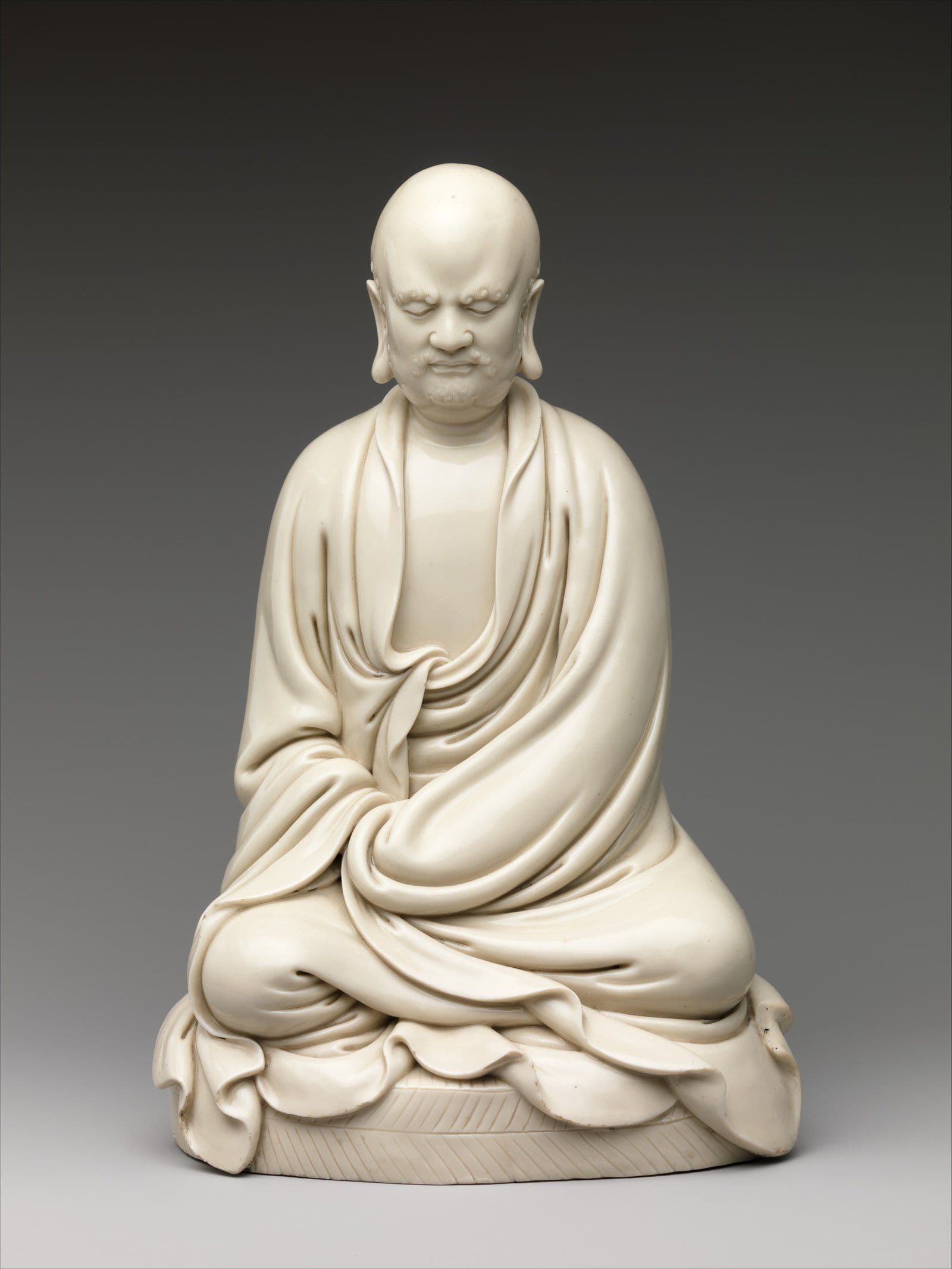
Porcelain is stricter still. Overpainted restoration reads instantly under ultraviolet light, and a buyer who finds it themselves discounts far harder than one who was told. Disclose everything you know. Auction condition reports are written to a convention worth learning before you argue with one, which is the subject of how to read auction condition reports.
Provenance, export and the net figure
Assemble the paperwork before the piece leaves your house. Old invoices, exhibition labels, customs declarations, photographs of the piece in a family home, correspondence about a purchase: any of these narrows the gap between what you believe and what a cataloguer can print.
Then check where the piece is allowed to go. Cross-border movement of Chinese art is governed by the export rules of the country the piece sits in and the import rules of the buyer's country, and the constraints on antiquities are tighter than most private owners expect. Work through the export rules for Chinese art before you commit to a saleroom in another jurisdiction, and price packing, specialist shipping and insurance into your net figure rather than discovering them at settlement.
Matching the route to the piece
- Auction for anything with an established comparable record, where competition will do the pricing for you and a fixed date suits.
- Dealer consignment for work that needs advocacy, for a thin or specialised market, and when you can wait.
- Private sale for discretion, for a piece already wanted by a known collector, and when a public unsold result would do lasting damage.
- All three fail the same way: a piece sent out before its attribution, condition and title are settled.
Common questions
How do I sell a Chinese painting I inherited?
Establish who legally owns it first, since an unsettled estate cannot give clear title. Photograph the whole scroll flat, plus the signature, the seals and any labels on the box, and send those images to two or three specialists for a free auction estimate. Gather whatever paperwork exists. Only then decide on a route. Resist cleaning, remounting or removing old labels, all of which can reduce what the piece is worth.
Is auction or a dealer better for Chinese porcelain?
Auction generally suits marked imperial wares and anything with a run of published comparables, because competition among specialist buyers sets the price efficiently. A dealer generally suits provincial wares, damaged pieces and unusual objects that need context to sell at all. The practical test is whether you can find three recent public results for something closely comparable. If you can, auction is likely to price it fairly.
What does it cost to sell at auction?
Expect seller's commission on the hammer price plus itemised charges for photography, insurance and shipping, with the whole package negotiable on better material. Ask for a single worked example in writing: on a stated hammer price, exactly what reaches your account and on what date. The buyer's premium is charged separately to the buyer, but it caps what bidders are willing to pay, so factor it into the reserve you agree.
Should I restore a piece before selling it?
Stabilise, do not improve. Have a conservator arrest anything actively deteriorating and leave the rest alone. Undisclosed cosmetic restoration is the fastest way to lose a buyer's confidence, and modern examination makes it easy to find. If a piece has been restored in the past, say so plainly and supply whatever record you have of the treatment.
How long does the whole process take?
Auction runs on a season: a few weeks to consign and catalogue, the wait for the sale date, then roughly a month to settlement, so three to six months is normal. Dealer consignment has no fixed end point and can run from a few weeks to two years. Private sale is the fastest when a buyer already exists and the slowest when one does not.
Further reading
- Chinese art provenance documents — what paperwork actually strengthens a catalogue entry, and what does not.
- Shipping, insurance and storage — the costs that quietly erode a net figure.
- Porcelain condition and damage — the vocabulary condition reports use, and what each term implies for value.
- The most expensive Chinese paintings — how the top of the market prices names, subjects and periods.
Browse the collection
Selling one thing often clarifies what you actually want to live with. Kiln and Ink publishes limited-edition archival giclee reproductions of the twentieth-century Chinese ink masters, hand-numbered and issued with a Certificate of Authenticity, which is a way of keeping a painter's work on the wall without the custody, insurance and attribution questions that come with an original. Browse the collection to see which artists are currently in print.
Explore Further