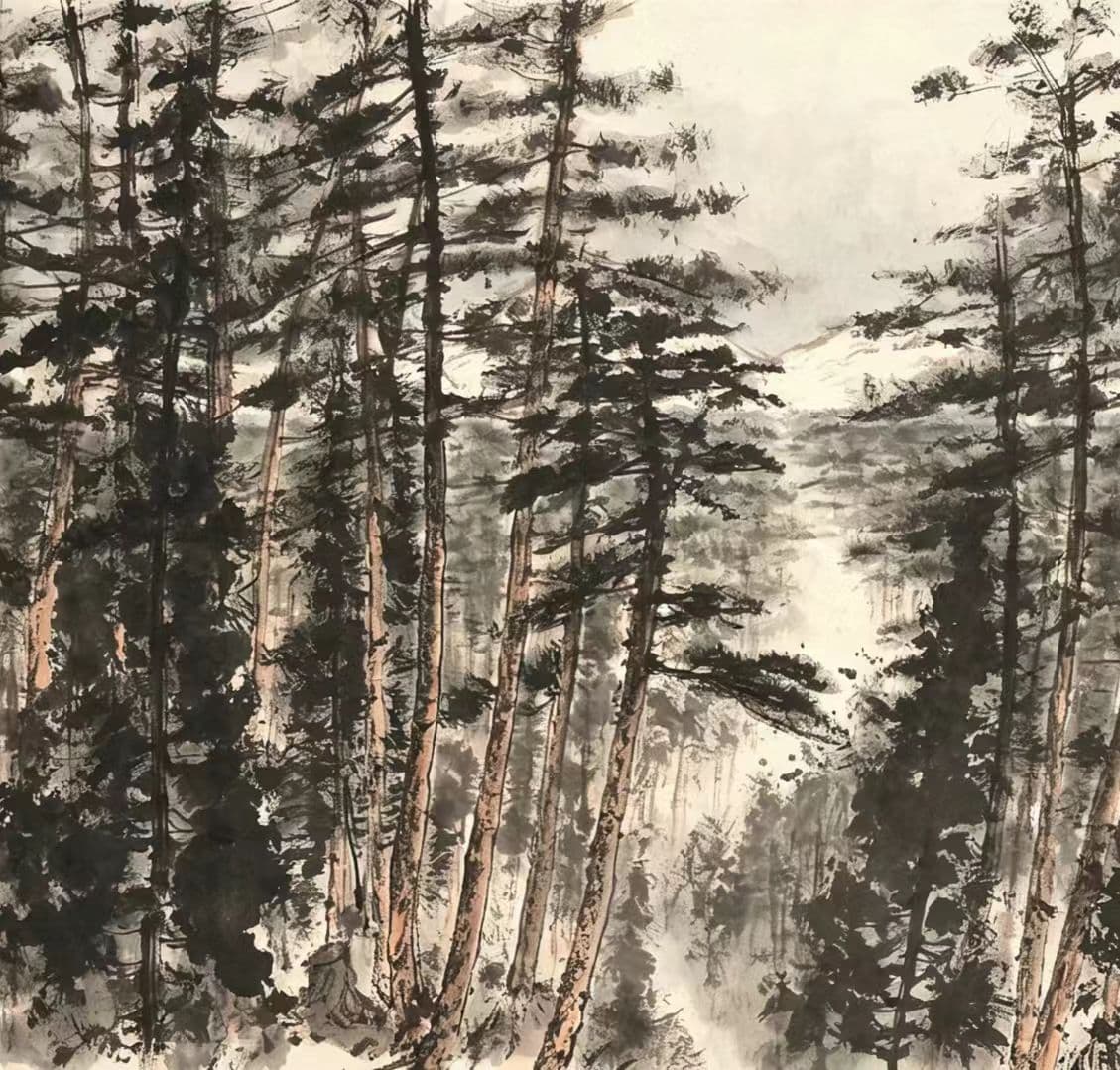
Fu Baoshi
傅抱石
About the Artist
Fu Baoshi (1904–1965) was born in Nanchang, Jiangxi province, into a family of modest means. A gifted student, he earned a scholarship to study art history at the Imperial Art Academy in Tokyo, where he deepened his understanding of both Eastern and Western artistic traditions.
Returning to China in 1935, Fu settled in Nanjing and began developing the distinctive painting style that would define his legacy. During the war years in Chongqing (1939–1946), surrounded by the dramatic mist-covered mountains of Sichuan, he experienced a creative breakthrough. The landscape itself became his greatest teacher, inspiring what critics would later call the "Chongqing style" — vast, atmospheric compositions alive with rain, fog, and cascading waterfalls.
Fu Baoshi's most celebrated technical innovation is the "scattered brush" method (抱石皴, Baoshi Cun), named after the artist himself. Rather than building forms with traditional outline-and-fill techniques, he attacked the paper with rapid, seemingly chaotic strokes, layering wet ink over dry to create textures of extraordinary depth. Rocks appear to crumble, waterfalls thunder, and pine forests sway in the wind — all achieved through this revolutionary approach to the brush.
In 1959, Fu Baoshi and Guan Shanyue were commissioned to paint "This Land So Rich in Beauty" (江山如此多娇) for the Great Hall of the People in Beijing — the largest Chinese painting ever created at that time, measuring 5.5 by 9 meters. The work remains displayed in the main hall to this day, a testament to his national stature.
Beyond landscapes, Fu was an accomplished figure painter, often depicting historical poets and scholars wandering through nature. His illustrations of the poetry of Qu Yuan, Du Fu, and Li Bai blend literary sensibility with painterly bravado, creating works that are simultaneously scholarly and deeply emotional.
Fu Baoshi passed away in 1965 at the age of 61, leaving behind a body of work that fundamentally expanded the possibilities of Chinese ink painting. His influence endures in the work of countless contemporary Chinese artists who continue to explore the boundaries between tradition and innovation.
“One of the most important Chinese painters of the 20th century, Fu Baoshi revolutionized traditional landscape painting with his bold "scattered brush" (抱石皴) technique and poetic vision of mist-shrouded mountains.”
Works Available
3 works


Read more about Fu Baoshi
All journal essays →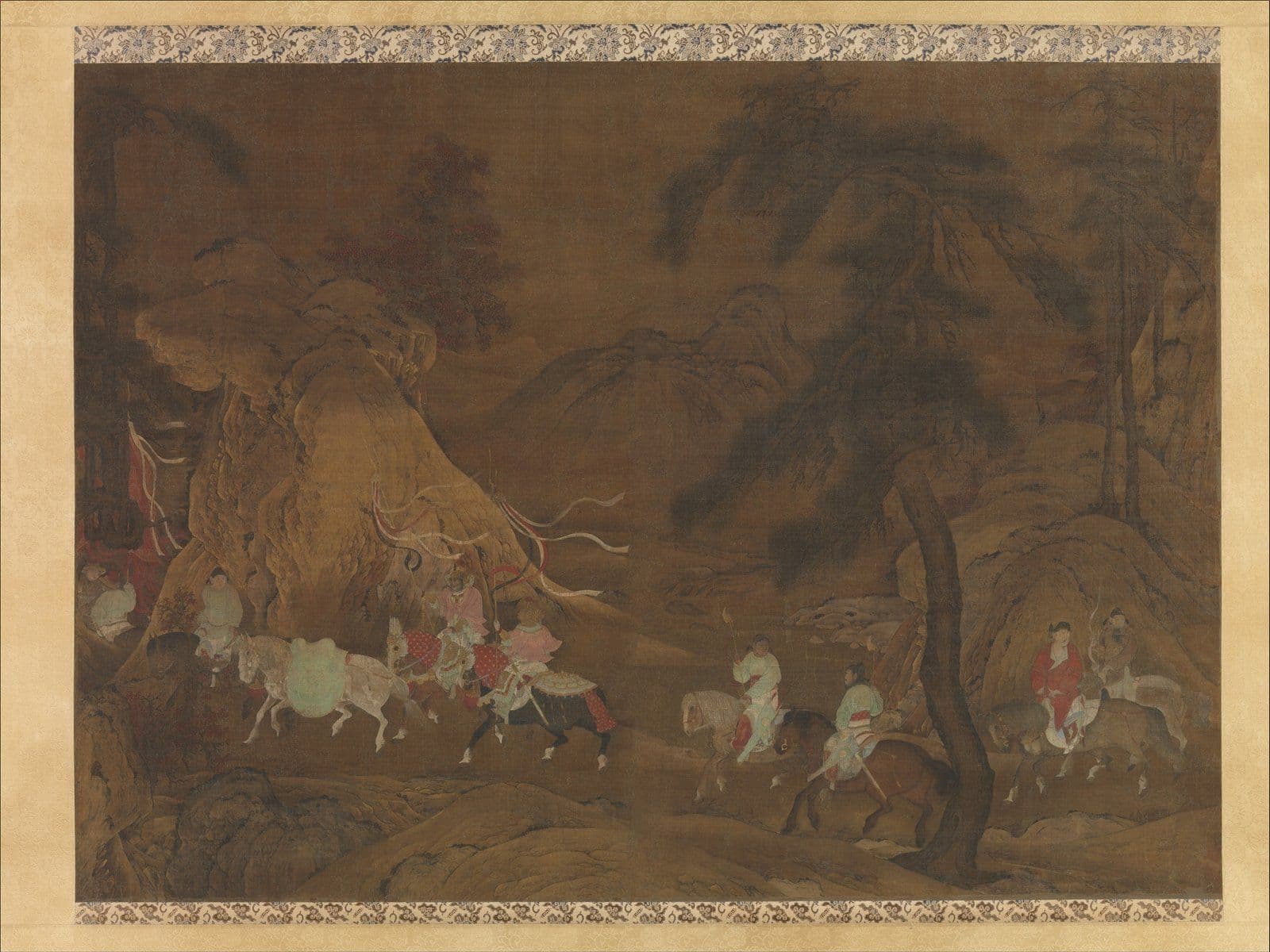
Fu Baoshi Figure Paintings: The Nine Songs and How to Judge Them
10 min read
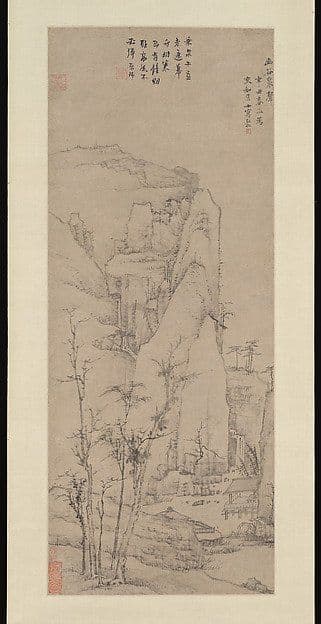
Fu Baoshi: A Collector's Guide to the Baoshi Texture Stroke
8 min read
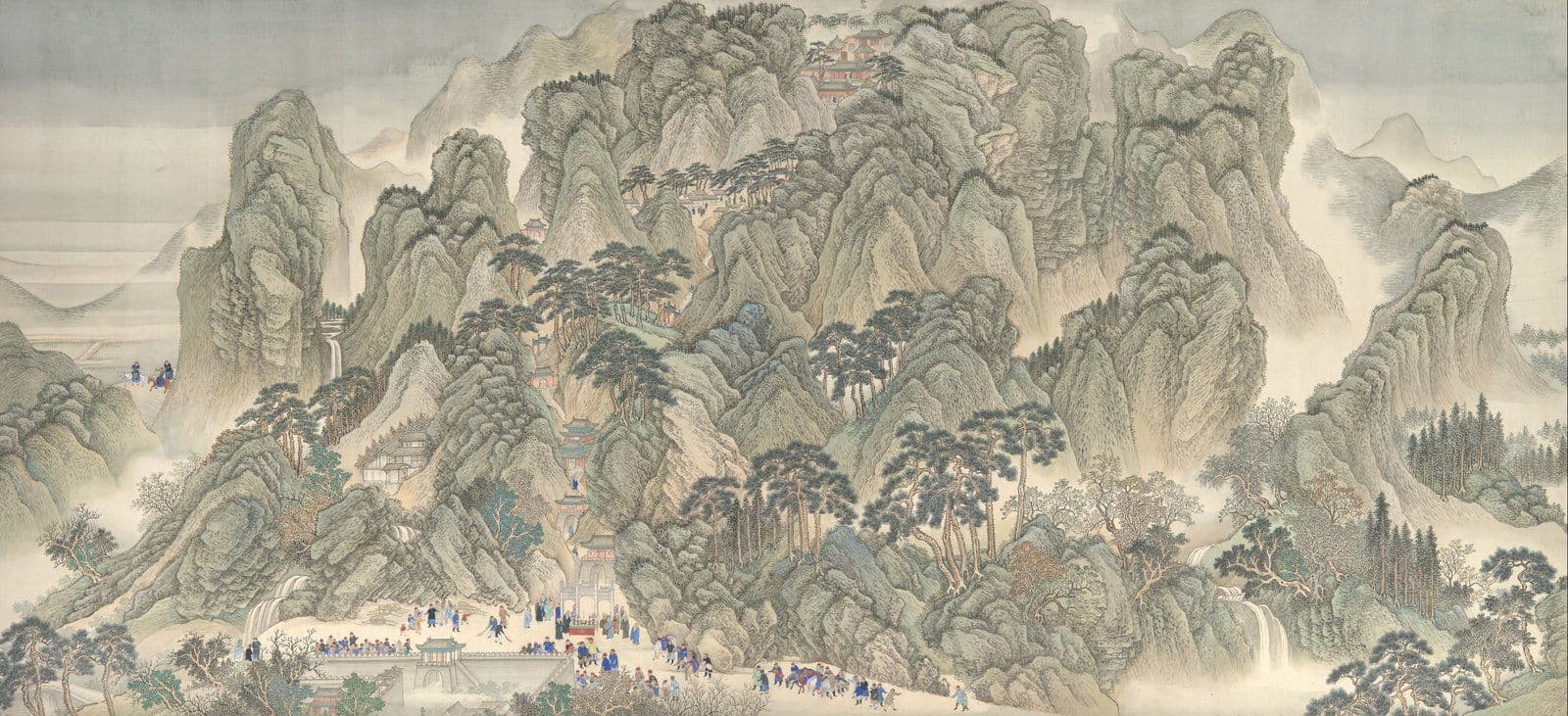
This Land So Rich in Beauty: The Great Hall Painting by Guan Shanyue and Fu Baoshi
7 min read
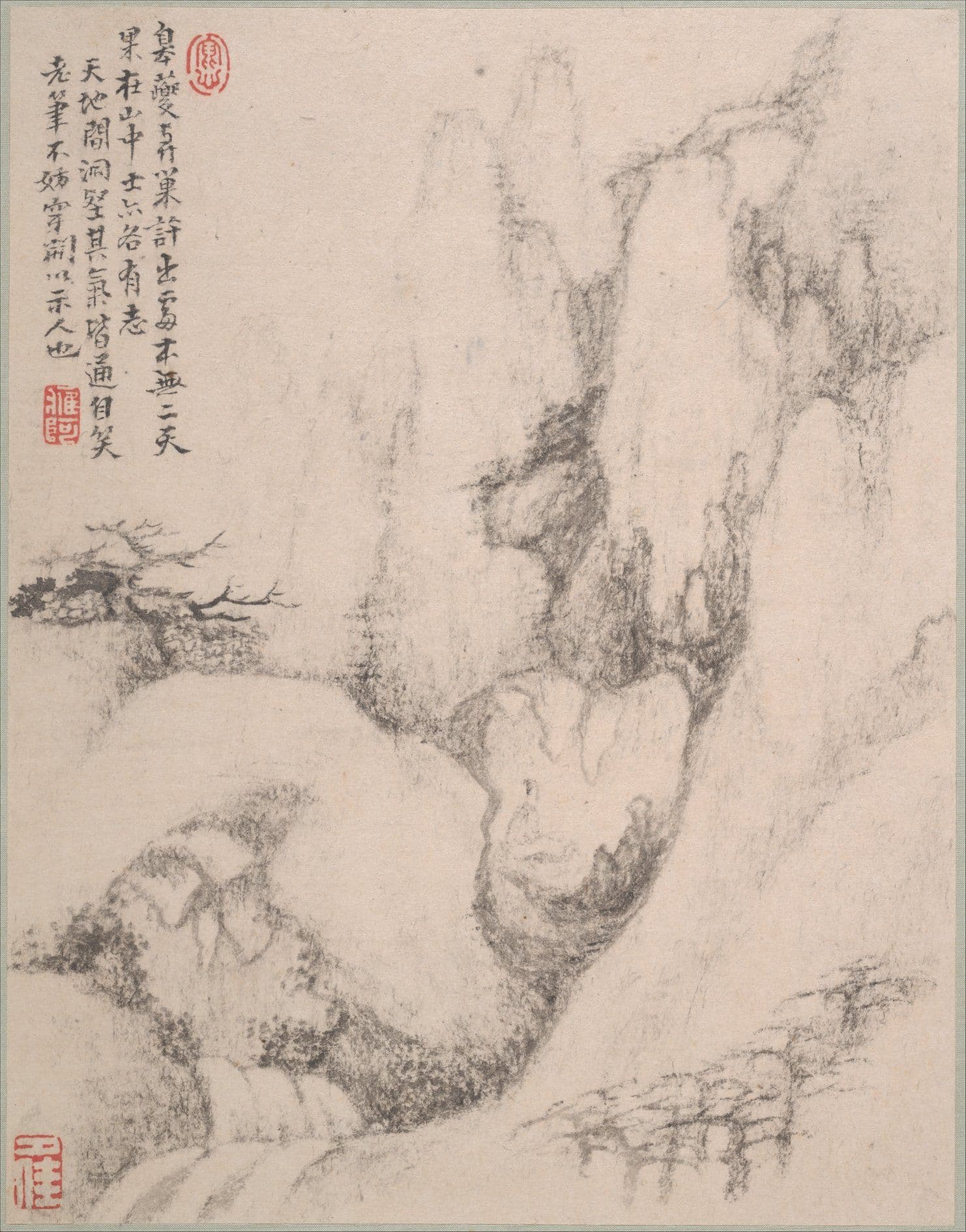
Fu Baoshi's Rain Landscapes: The Bao Shi Cun (抱石皴) Brush Method
8 min read