Published March 20, 2026
For over 1,700 years, the kilns of Jingdezhen have burned without pause, producing porcelain so fine that European royals bankrupted themselves to acquire it. From imperial commissions to the global export trade, this small city in Jiangxi province shaped the very definition of ceramic excellence — and it is still firing today.
There is a saying in China: “The finest porcelain under heaven comes from Changnan.” Changnan is the old name for Jingdezhen, a small city in Jiangxi Province that has been producing ceramics for over 1,700 years. No other place on earth can claim a longer or more distinguished relationship with a single material. Paris has its couture, Bordeaux its wine, and Jingdezhen has its porcelain — the material that Europeans once called “white gold.”
Today, Jingdezhen remains the beating heart of Chinese ceramics. Walk through its narrow streets and you will pass workshops where artisans still throw pots on kick-wheels, kilns where wood-fired traditions survive alongside gas-fired efficiency, and studios where young graduates from the Jingdezhen Ceramic University are pushing the medium into territory that would astonish their Tang Dynasty predecessors. It is a city where the past is not preserved behind glass but put to work every day.
A History Written in Clay
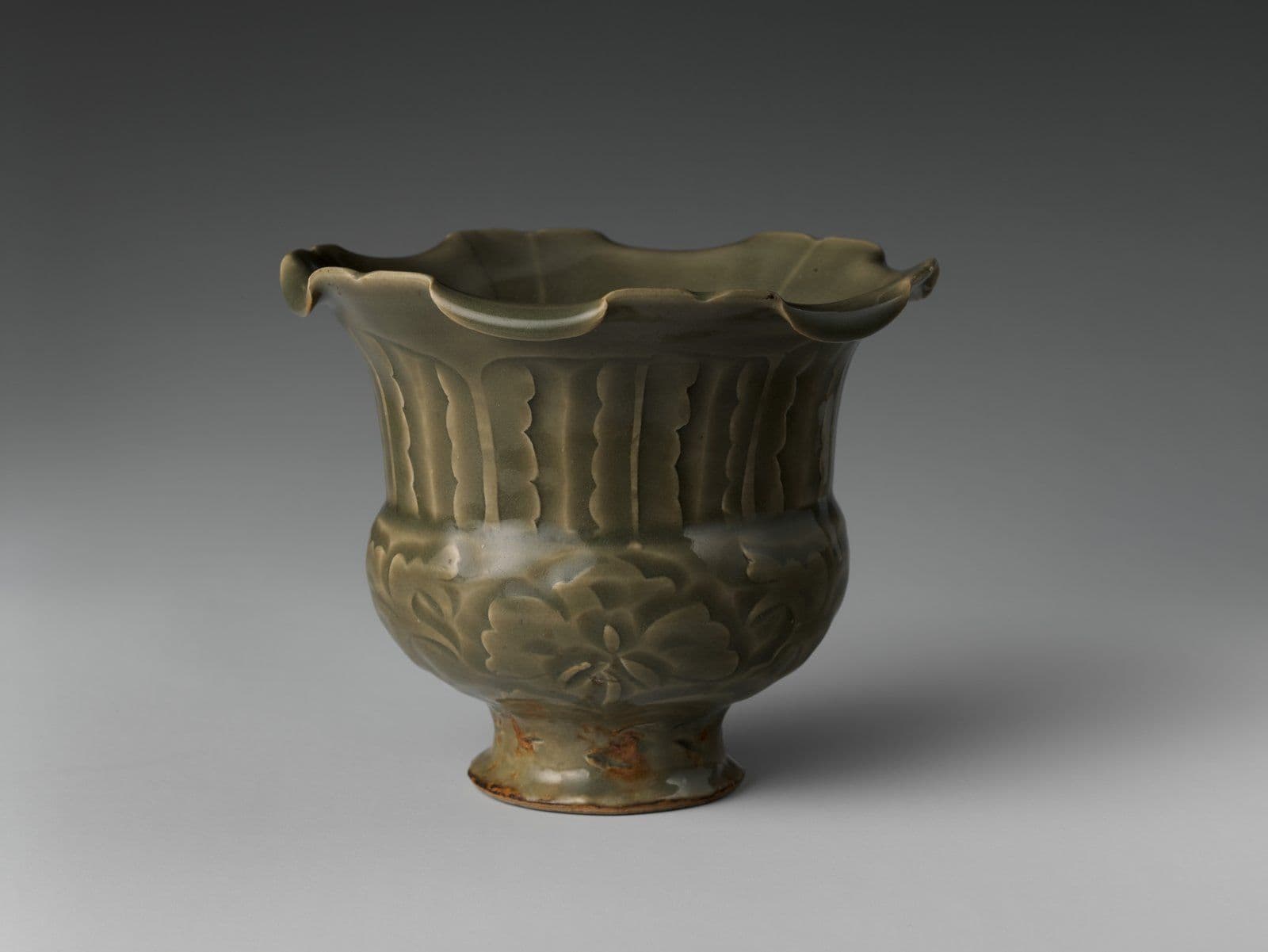
Jingdezhen's porcelain story begins in the Eastern Han Dynasty (25–220 AD), when local potters discovered that the region's unique combination of kaolin clay and petuntse stone could be fired at high temperatures to produce a hard, white, translucent body unlike anything else in the ancient world. By the Song Dynasty (960–1279), the city had earned imperial patronage, and its qingbai (“blue-white”) wares were being exported along the Maritime Silk Road to Southeast Asia, the Middle East, and East Africa.
The Ming Dynasty (1368–1644) marked the zenith of imperial production. The Hongwu Emperor established official kilns — the Imperial Kiln Factory — dedicated exclusively to producing porcelain for the court. Blue-and-white porcelain, painted with cobalt imported from Persia, became the city's signature product and the single most influential ceramic style in world history. European collectors, encountering these pieces through trade, were so captivated that they spent two centuries trying — and failing — to replicate the formula.
The Secret in the Clay
What makes Jingdezhen porcelain unique is not merely skill but geology. The surrounding hills contain deposits of kaolin — a pure white clay named after Gaoling, a village just outside the city. When combined with petuntse (a feldspathic stone ground to powder), the resulting clay body can withstand firing temperatures above 1,300°C, producing a material that is simultaneously strong, thin, and translucent. Hold a fine Jingdezhen bowl against light and you can see your fingers through it.
This geological advantage is compounded by tradition. Jingdezhen developed an extraordinary division of labour: one artisan throws the body, another trims it, a third applies the glaze, a fourth paints the decoration, and a fifth manages the kiln. A single piece might pass through seventy-two pairs of hands before it is finished. This system allowed a level of quality control and specialisation that no other ceramic centre could match.
Jingdezhen Today
After centuries of decline following the fall of the Qing Dynasty and the destruction of many kilns during the Cultural Revolution, Jingdezhen has experienced a remarkable renaissance since the early 2000s. The city now attracts thousands of young ceramicists from across China and around the world — drawn by the concentration of expertise, the availability of materials, and a creative community unlike any other.
For collectors, understanding Jingdezhen is essential. A piece produced here carries not just the mark of an individual artist but the accumulated wisdom of seventeen centuries of continuous ceramic innovation. It is, quite simply, the most important city in the history of pottery — and it is still making history today.
Explore Further